Najmul Hossain Shanto backstabs BCB, expresses desire to play T20 World Cup in India
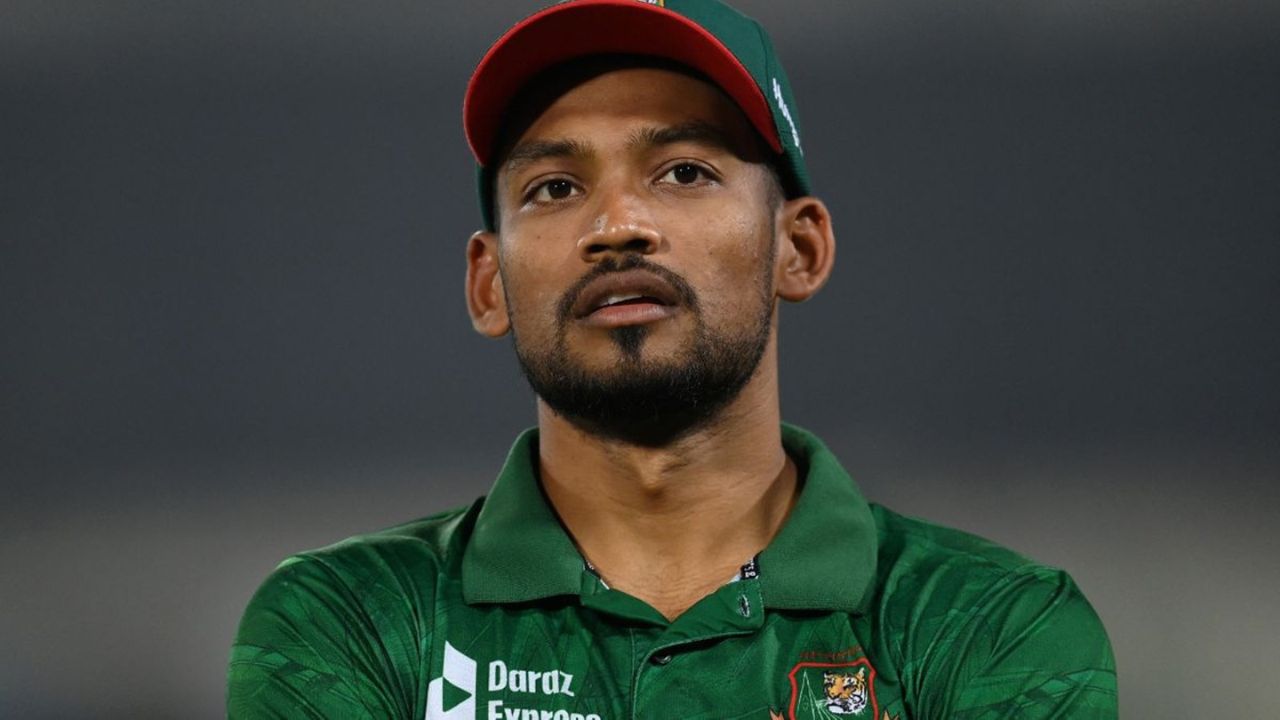
Bangladesh’s Participation in T20 World Cup in Limbo
As the T20 World Cup draws closer, Bangladesh’s involvement remains uncertain due to ongoing concerns from the Bangladesh Cricket Board (BCB). The tournament, co-hosted by India and Sri Lanka in February and March, sees Bangladesh scheduled to play their group matches in Kolkata and Mumbai. However, the BCB has requested the International Cricket Council (ICC) to move these games to Sri Lanka following the release of pace bowler Mustafizur Rahman by Kolkata Knight Riders (KKR) on the instructions of the Board of Control for Cricket in India (BCCI).
Players Eager to Participate
Despite the uncertainty surrounding their participation, Bangladesh players, led by Najmul Hossain Shanto, express their eagerness to take part in the upcoming ICC tournament. Shanto emphasized the significance of the World Cup for players, describing it as a rare opportunity to showcase their skills at the highest level.
“As cricketers, we always want to play, and when it’s an event like the World Cup, of course, we want to be there. These tournaments don’t come around often, and it’s a big opportunity for us to play good cricket,” Shanto said.
Internal Discussions and Final Decision
Despite the players’ desire to participate, Shanto admitted to a lack of clarity regarding the internal discussions within the board. However, he reiterated that the players’ stance remains unchanged, with the final decision resting with the BCB, expected to be announced soon.
“As players, we definitely want to play. If the issues are resolved properly and we get the opportunity, it will be very good for us to take part in the World Cup,” Shanto commented.
Deadline Looms
With the ICC setting January 21 as the deadline for the BCB to settle the participation issue, time is running out for Bangladesh to confirm their presence in the T20 World Cup. Should Bangladesh withdraw, Scotland, the highest-ranked side that failed to qualify, would require at least 15 days to prepare for the tournament, as per Cricbuzz reports.
The uncertainty surrounding Bangladesh’s participation in the T20 World Cup adds a layer of intrigue to the upcoming tournament, leaving fans and players alike eagerly awaiting the BCB’s decision.
Impact of Bangladesh’s Potential Withdrawal
If Bangladesh decides to withdraw from the T20 World Cup, it could have significant implications for the tournament and the other participating teams. The absence of a team like Bangladesh, known for its competitive spirit and talented players, would certainly alter the dynamics of the group stage matches.
Furthermore, Bangladesh’s participation in global tournaments like the T20 World Cup plays a crucial role in the development and promotion of cricket in the country. The exposure gained from participating in such tournaments helps in nurturing young talent, inspiring future generations of cricketers, and raising the profile of the sport within Bangladesh.
Challenges Faced by Cricket Boards
The situation surrounding Bangladesh’s participation in the T20 World Cup also sheds light on the challenges faced by cricket boards in managing international fixtures and player contracts. The complexities of coordinating schedules, player availability, and contractual obligations with franchise leagues like the Indian Premier League (IPL) often create dilemmas for boards and players alike.
This delicate balance between international commitments and league priorities underscores the need for clear communication channels and mutual understanding between the various stakeholders involved in cricket, including players, boards, and tournament organizers.
Future of Cricket Tournaments Post-Pandemic
The uncertainty surrounding Bangladesh’s involvement in the T20 World Cup amid the ongoing global pandemic raises questions about the future of cricket tournaments and international sporting events in a post-pandemic world. The challenges posed by travel restrictions, biosecurity protocols, and player welfare have forced cricket boards and governing bodies to adapt and innovate in order to ensure the continuity of the sport.
Looking ahead, the lessons learned from navigating these uncertain times will likely shape the way cricket tournaments are organized, managed, and experienced in the years to come. Collaborative efforts, strategic planning, and flexibility will be key factors in ensuring the sustainability and success of cricket events on the global stage.
Support from Fans and Stakeholders
Amidst the speculation and deliberations surrounding Bangladesh’s participation in the T20 World Cup, one constant remains – the unwavering support of fans, stakeholders, and the cricketing community at large. The outpouring of encouragement, well-wishes, and solidarity towards the Bangladesh team underscores the passion and camaraderie that cricket fosters among its followers.
Regardless of the final decision regarding Bangladesh’s involvement in the tournament, the unity and enthusiasm displayed by fans and stakeholders serve as a reminder of the enduring appeal and impact of cricket as a sport that transcends boundaries and unites diverse cultures.
In conclusion, the evolving situation regarding Bangladesh’s participation in the T20 World Cup highlights the complexities, challenges, and opportunities inherent in the world of international cricket. As stakeholders continue to navigate through uncertain times, the spirit of the game remains resilient, driven by the shared love for cricket and the collective pursuit of excellence on the field.
Latest News
Naseem Shah charged with central contract violation during PSL 2026
MS Dhoni out of IPL 2026, has not recovered from calf strain
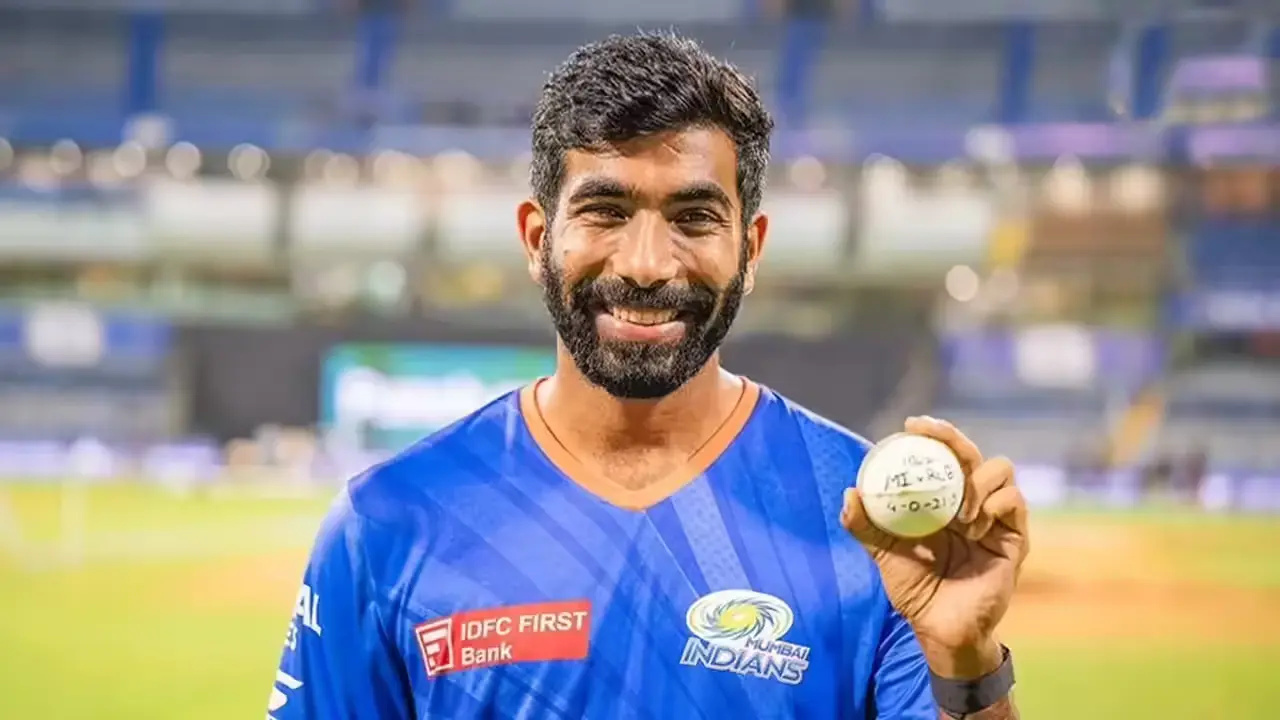
Jasprit Bumrah set to lead MI attack in blockbuster IPL 2026 clash vs KKR
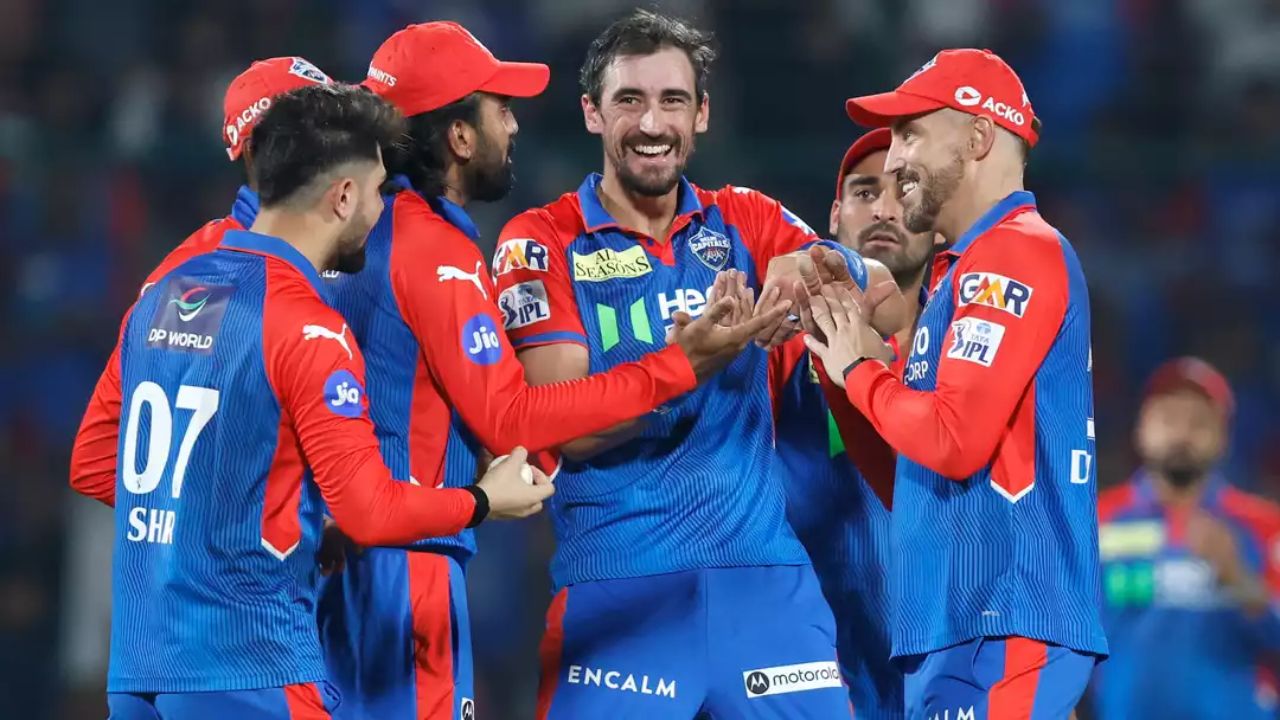
Mitchell Starc to miss IPL 2026, wife Alyssa Healy drops massive update on injury

Nick Knight rejects PSL to join IPL commentary panel
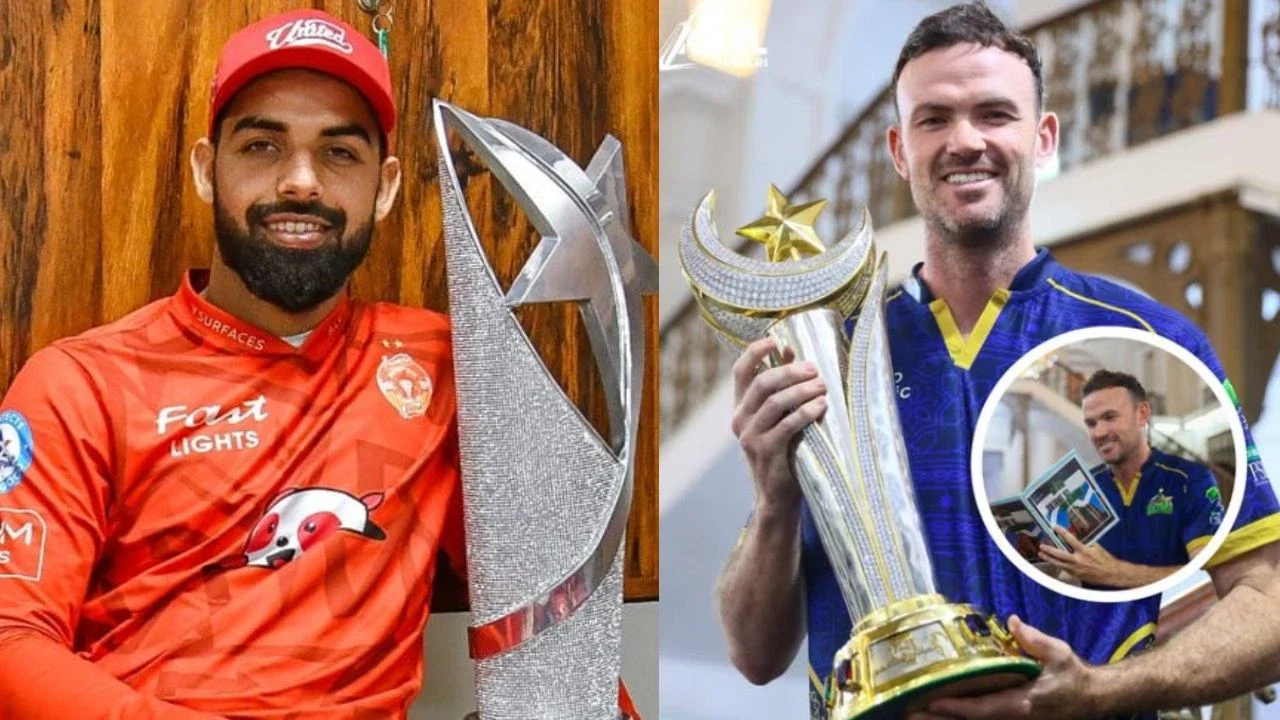
MS vs ISU Match Prediction, Pitch & Weather Report, Playing XIs, Head-to-Head, Free Live Streaming – PSL 2026 Match 4
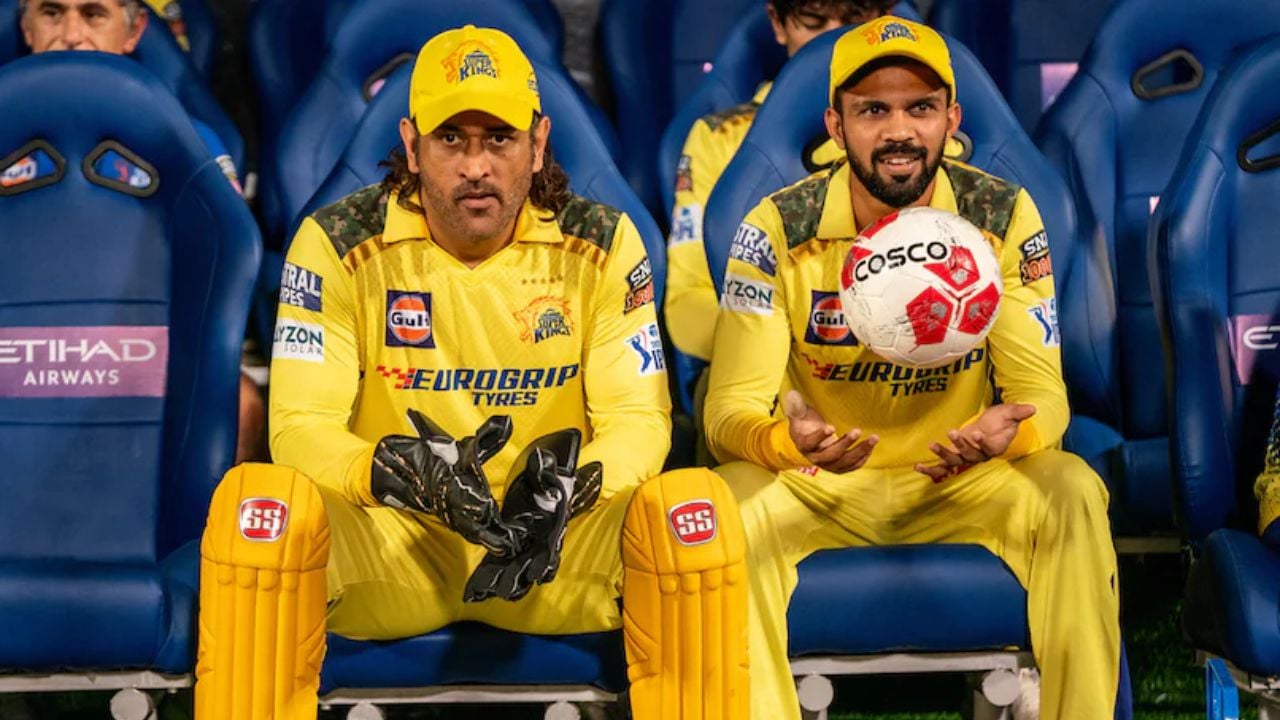
“MS Dhoni doesn’t attend team discussions” – Ruturaj Gaikwad makes stunning revelationtaincy Role

Ben Duckett breaks silence on Noosa Clip scandal, calls it ‘Worst’ moment in cricketing career
“IPL players are grossly underpaid”: Ex-CSK star calls out BCCI
Ahmed Shehzad summoned as former Pakistan skipper takes legal action over serious allegations
CSK to feature without their legendary duo MS Dhoni and Suresh Raina for the first time
Ishan Kishan set to create history as SRH captain in IPL 2026 opener against RCB

RCB Playing XI vs SRH Playing XI – Match No. 1 | IPL 2026
Delhi Capitals IPL 2026 Full Schedule: DC Fixtures, Dates, Timings and Venues | Squad and Coaches