Nasser Hussain breaks silence on clash with Brendon McCullum, issues ‘sacking’ warning after Ashes loss

Nasser Hussain Criticizes Brendon McCullum’s Response to Ashes Defeat
Following England’s devastating 4-1 defeat in the Ashes 2025-26 series against Australia, the spotlight has shifted to head coach Brendon McCullum and his reaction to the criticism. Former England captain Nasser Hussain recently weighed in on McCullum’s response, shedding light on a heated confrontation between the two.
McCullum Faces Criticism
England’s aggressive and bold approach faced significant challenges on the fast pitches of Australia during the Ashes series. The team’s struggles culminated in a loss at the SCG, fueling discussions about the need for changes in strategy. The England and Wales Cricket Board (ECB) reportedly urged McCullum to reconsider his coaching philosophy, known as ‘Bazball.’
Hussain Challenges McCullum
In a candid interview, Nasser Hussain confronted McCullum about the need for adaptation in different conditions, particularly in Australia. Hussain questioned McCullum’s willingness to change the team’s aggressive style, prompting a response from the head coach.
During the exchange, McCullum defended his coaching philosophy, emphasizing his conviction in his methods while also expressing openness to adjustments. Despite McCullum’s reassurances, Hussain stressed the importance of adaptability and flexibility in coaching, especially in challenging situations like the Ashes series.
Hussain’s Warning to McCullum
After the intense discussion with McCullum, Hussain delivered a stark warning to the ECB, suggesting that the head coach must be willing to accept guidance from senior figures or risk facing consequences. Hussain emphasized the importance of McCullum demonstrating a willingness to evolve and incorporate diverse perspectives into the team’s approach.
As England reflects on its Ashes defeat and looks towards future challenges, the spotlight remains on McCullum’s ability to adapt and lead the team effectively. The pressure is on the head coach to showcase a willingness to learn from past mistakes and embrace changes for the betterment of England’s Test future.
Impact of McCullum’s Coaching Style
McCullum’s coaching philosophy, termed ‘Bazball’ after his nickname, Baz, has been a point of contention among critics and fans alike. Known for his aggressive and attacking approach as a player, McCullum brought this same mindset to his coaching role. While this style has seen success in some matches, the Ashes defeat highlighted its limitations, particularly in unforgiving conditions like those in Australia.
Critics argue that McCullum’s aggressive tactics may be effective on home soil or in certain conditions but can falter when faced with challenges like those encountered during the Ashes series. The need for adaptability and strategic flexibility in international cricket is crucial, as teams must be able to adjust their game plans based on the opposition and playing conditions.
The Role of Experience in Coaching
One of the key points raised by Hussain in his criticism of McCullum was the importance of experience in coaching, especially in high-pressure situations like the Ashes. While McCullum’s playing career certainly provides him with valuable insights, coaching at the international level requires a different set of skills and knowledge.
Hussain’s emphasis on the need for McCullum to accept guidance from senior figures within the ECB speaks to the idea that a successful coach must be open to learning and evolving in their role. Drawing on the expertise of seasoned professionals in cricket administration and coaching can help McCullum refine his approach and make strategic decisions that benefit the team.
Looking Ahead: Lessons Learned
As England looks towards future series and competitions, the lessons learned from the Ashes defeat can serve as valuable teaching moments for both the players and the coaching staff. McCullum’s willingness to reflect on his coaching style and make adjustments will be crucial in shaping England’s performance in upcoming matches.
Adapting to different playing conditions, tempering aggression with strategic thinking, and incorporating diverse perspectives into the team’s approach are all areas where McCullum can focus on improvement. By embracing change and learning from past mistakes, McCullum can position England for success in future Test series.
Conclusion
The criticism faced by Brendon McCullum following England’s Ashes defeat serves as a reminder of the challenges and expectations that come with coaching at the international level. As McCullum navigates the aftermath of the series loss, his ability to adapt, evolve, and incorporate feedback will be key in determining his effectiveness as head coach.
By leveraging his playing experience, seeking guidance from experienced mentors, and demonstrating a willingness to learn and grow, McCullum can steer England towards a more successful future in Test cricket. The spotlight remains on McCullum as he strives to lead the team to victory in the face of adversity and criticism.
Latest News

Shaheen Afridi lashed out at journalists after asked about Pakistan Team during PSL press-conference

IPL 2026 full schedule out! BCCI announces second phase fixtures
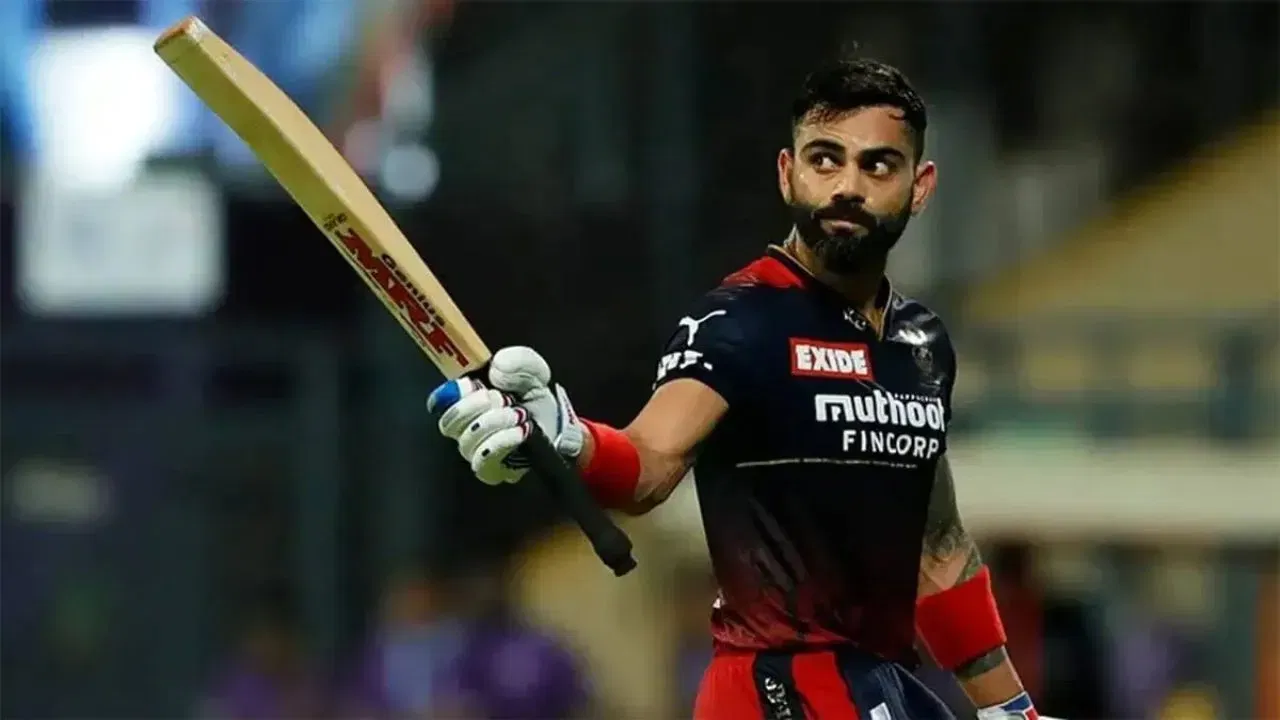
Virat Kohli’s explosive threat during coach’s conspiracy revealed: “Will beat the living hell out of…”
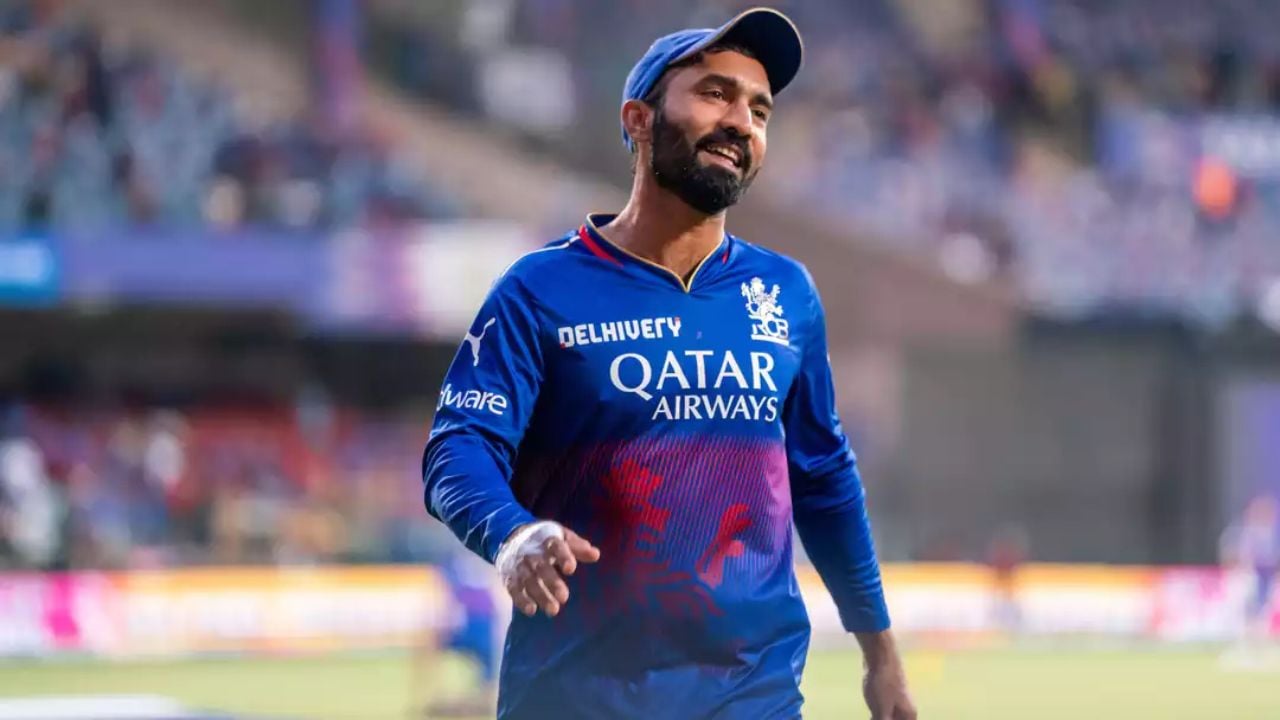
Dinesh Karthik can become head coach of India, England or Australia: Jitesh Sharma makes bold claim
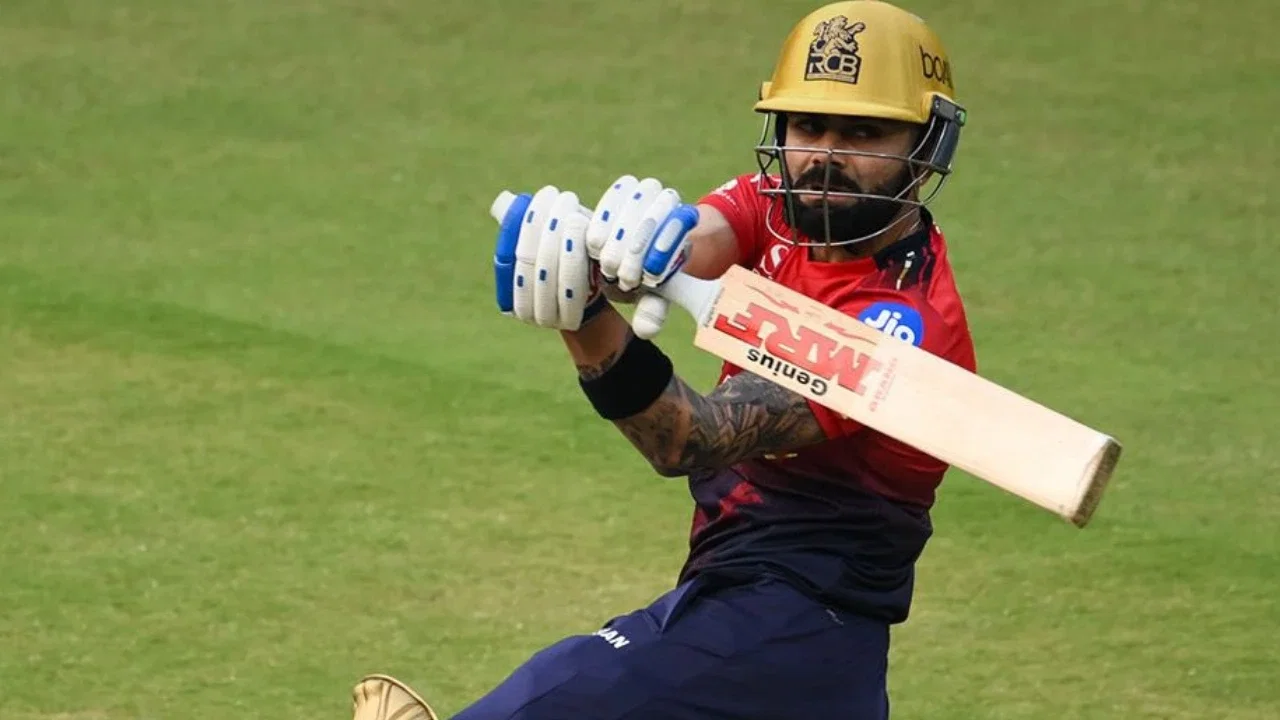
Virat Kohli turns Abhishek Sharma with explosive batting for RCB ahead of IPL 2026

Not Tim Seifert! KKR eye 21-year-old Indian as wicketkeeper for IPL 2026
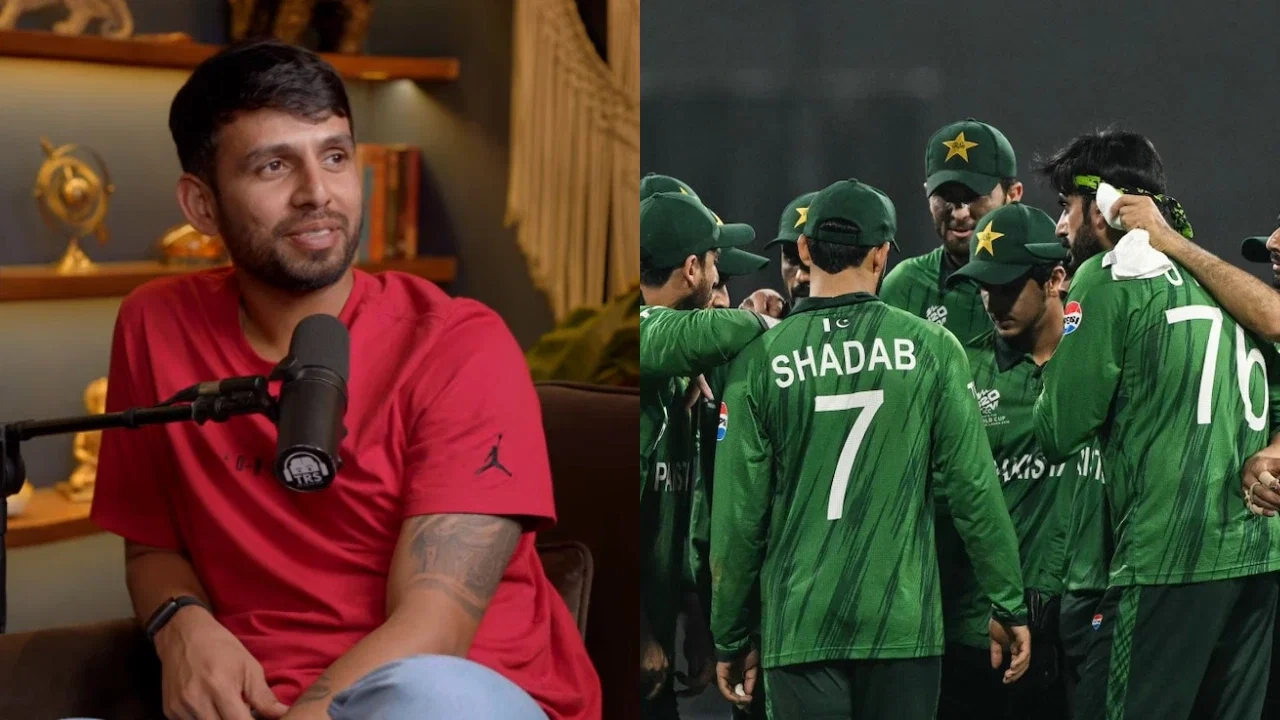
“Itna dete nahi importance inko”: Jitesh Sharma trolls Pakistan, reveals unheard story

‘I liked young MS Dhoni more than the mature one’: Sourav Ganguly drops huge statement
RCB suffer huge blow! SLC blocks Nuwan Thushara’s IPL 2026 participation
Border-Gavaskar Trophy 2027 schedule announced; Ahmedabad among five venues selected
BCCI announces India’s 2026-27 international home season schedule; series vs AUS, WI, SL, ZIM finalized
Irfan Pathan reveals Yuvraj Singh’s secret method to train Rishabh Pant ahead of IPL 2026
Virat Kohli, Rohit Sharma ODI schedule: Full list of matches they will play in India’s 2026-27 home season

Days before RCB vs SRH IPL 2026 match, M. Chinnaswamy Stadium looks like a ‘construction side’