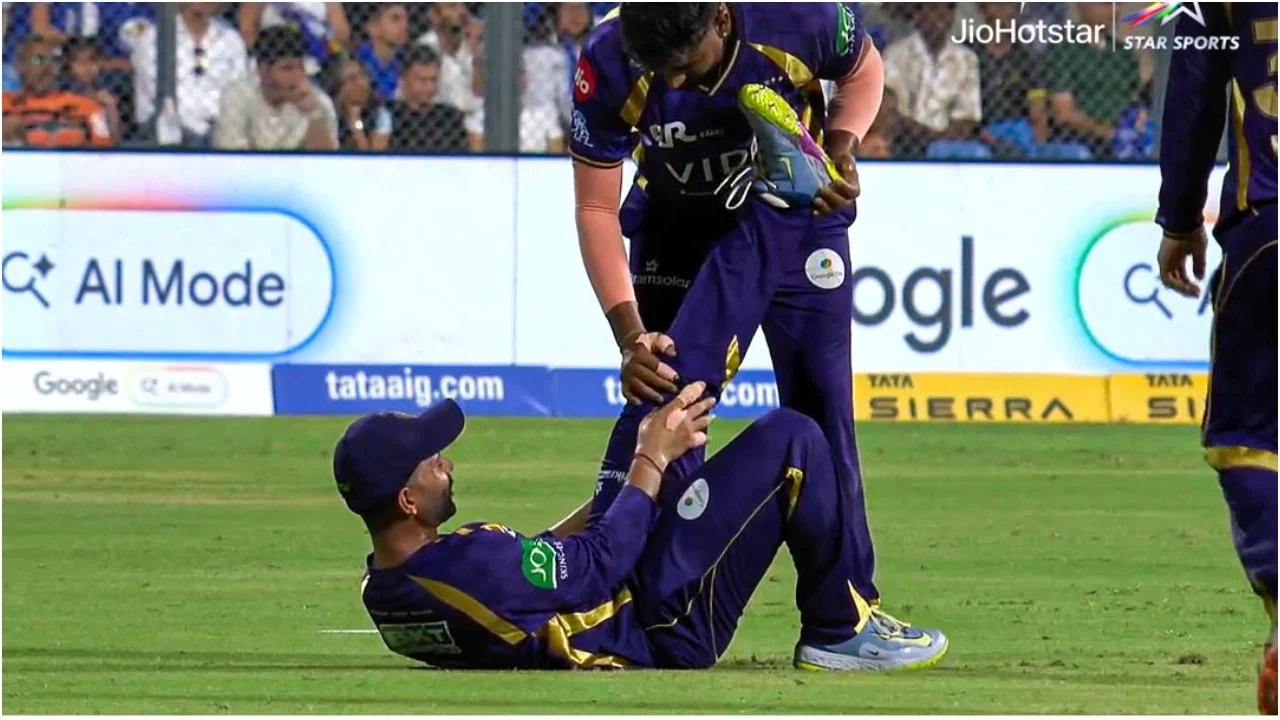
No IPL telecast in Bangladesh! JioStar ends deal over payment default issues
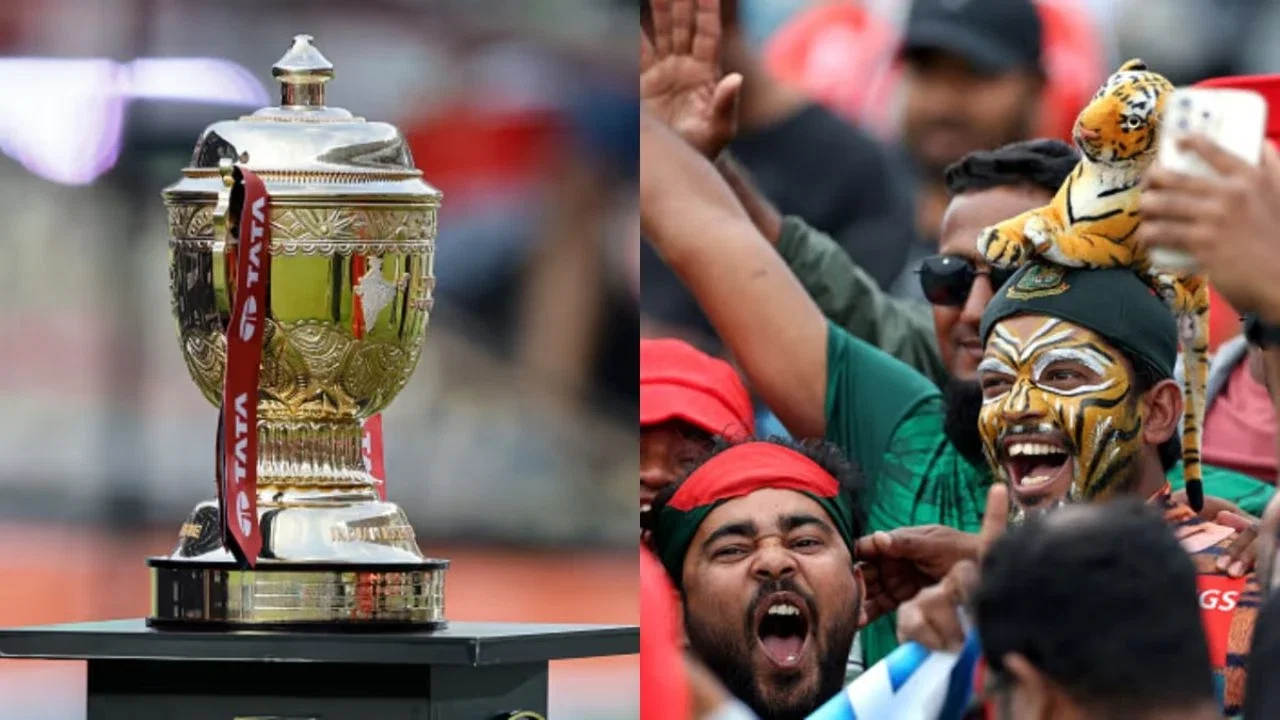
JioStar Scraps Bangladesh IPL Broadcast Deal Amid Controversy
Indian billionaire Mukesh Ambani’s entertainment venture JioStar has made headlines by terminating its broadcast deals in Bangladesh for the ongoing IPL season, citing major compliance issues. This move has effectively halted IPL telecasts in Bangladesh and has sparked controversy and tension between the two countries.
Reasons for Termination
JioStar has ended its sublicense agreement for the 2023-2027 Indian Premier League seasons with local partners Green Bean Sports Marketing and T Sports. The decision was motivated by repeated payment defaults by the local partner, leading to disruptions in regional sports broadcasting. The company, a joint venture between Reliance Industries and Disney’s India business, has taken a firm stance on enforcing contractual terms to ensure timely payments.
In a letter to Bangladesh broadcaster TSports, JioStar expressed dissatisfaction with the partner’s failure to meet financial commitments under the television deal. The termination was abrupt, with JioStar stating, “The agreement stands terminated with immediate effect… [due to the] continued failure and default in adhering to the payment timelines stipulated under the agreement.”
Controversy Surrounding Mustafizur Rahman
The controversy deepened when Kolkata Knight Riders (KKR) omitted Bangladeshi fast bowler Mustafizur Rahman from the team following instructions from the Board of Control for Cricket in India (BCCI). This decision sparked anger and political tension between India and Bangladesh at a time when relations were already strained.
As tensions escalated, the Bangladesh Information Ministry initially banned IPL broadcasts in response to Rahman’s exclusion. Although the ban was later lifted, the commercial fallout had already impacted the relationship between the two nations.
Commercial Implications
With an estimated valuation of $18.5 billion, the IPL is the world’s richest cricket league, with media rights playing a crucial role in revenue generation. The disruption in Bangladesh, a cricket-loving market, could have significant commercial repercussions for both JioStar and the tournament organizers.
As the IPL season progresses, fans in Bangladesh are left in limbo without official viewing options due to the contract termination. The impact extends beyond the men’s tournament, as JioStar has also ceased broadcasting deals for the Women’s Premier League in Bangladesh due to similar payment defaults, further limiting regional coverage.
In conclusion, JioStar’s decision to scrap its Bangladesh IPL broadcast deal has not only disrupted sports broadcasting in the region but has also ignited controversy and strained relations between India and Bangladesh. The commercial implications of this move are significant, highlighting the challenges faced by stakeholders in the sports media industry.
Impact on Bangladeshi Cricket Fans
The termination of the broadcast deal has left Bangladeshi cricket fans disappointed and frustrated. With the IPL being one of the most popular cricket leagues worldwide, fans in Bangladesh eagerly anticipate watching their favorite players in action. The sudden halt in telecasts has deprived them of this entertainment, leading to a sense of disconnect and displeasure among the cricket-loving community in the country.
Additionally, the exclusion of Mustafizur Rahman from the Kolkata Knight Riders’ squad has added fuel to the fire, with many fans expressing outrage over what they perceive as unfair treatment towards the Bangladeshi cricketer. Rahman, known for his bowling prowess, has a significant fan following in Bangladesh, and his absence from the IPL matches has only intensified the disappointment among his supporters.
Geopolitical Ramifications
While the termination of the broadcast deal may seem like a commercial dispute on the surface, it has inadvertently triggered geopolitical tensions between India and Bangladesh. The decision to exclude Rahman from the KKR squad, reportedly at the behest of the BCCI, has been viewed as a move with political undertones by some in Bangladesh. This perception has strained relations between the two neighboring countries, highlighting the sensitivity of sports diplomacy in the region.
The controversy surrounding Rahman’s exclusion and the subsequent ban and lifting of IPL broadcasts in Bangladesh have underscored the interconnected nature of sports, politics, and media in shaping international relations. The incident serves as a reminder of how seemingly trivial decisions in the sporting realm can have far-reaching implications beyond the field.
Future of Sports Broadcasting in Bangladesh
As the fallout from the terminated broadcast deal continues to unfold, questions loom over the future of sports broadcasting in Bangladesh. The abrupt end to the IPL telecasts has exposed vulnerabilities in the local sports media landscape, raising concerns about the reliability of the existing partnerships and agreements in place.
Moving forward, stakeholders in the Bangladeshi sports broadcasting industry may need to reassess their strategies, enhance transparency in contractual dealings, and prioritize timely payments to avoid similar controversies in the future. The incident involving JioStar and its local partners serves as a cautionary tale for all involved, emphasizing the importance of upholding contractual obligations and fostering trust in business relationships.
Conclusion
In conclusion, the termination of the Bangladesh IPL broadcast deal by JioStar has had wide-ranging implications beyond just commercial disputes. From disappointing cricket fans to straining diplomatic ties between countries, the incident has shed light on the intricate interplay between sports, media, and geopolitics. As the fallout continues to reverberate, stakeholders in the sports broadcasting industry must learn from this episode and work towards building more robust and sustainable partnerships to avoid similar controversies in the future.
Latest News
‘People have been talking about me for 20 years’: Ajinkya Rahane fires back at critics after KKR’s loss to MI
Mohsin Naqvi’s PCB punishes Hasan Ali over shocking act in PSL 2026
Ambati Rayudu betrays CSK and reveals why they won’t qualify for IPL 2026 playoffs
MS Dhoni’s absence is good news for Sanju Samson, CSK in IPL 2026 opener vs RR
Varun Chakravarthy’s career declared finished by ex-BCCI selector: “There is no mystery with him anymore”
Ruturaj Gaikwad blocked from opening with Sanju Samson as ex-India opener picks CSK playing XI
Shaheen Afridi, Fakhar Zaman to be banned after ball-tampering row! Ex-Pakistan cricketers make big claim
No IPL telecast in Bangladesh! JioStar ends deal over payment default issues
Shocking! South Africa cricketer leaves final mid-match, flies to England as probe looms
“That’s not OK”: Kevin Pietersen drops bold verdict on Cameron Green not bowling for KKR
MS Dhoni IPL retirement update issued by CSK CEO amid injury concerns
‘This nonsense can’t happen in a professional setting’: Cameron Green, CA blasted over KKR bowling issues
Shaheen Afridi breaks silence on Fakhar Zaman ball-tampering row after Ramiz Raja’s attack
Why Suryakumar Yadav was used as Impact Sub? MI head coach reveals injury concern