No one’s safe in Indian Cricket: Matthew Hayden’s full-blown tirade on Gautam Gambhir
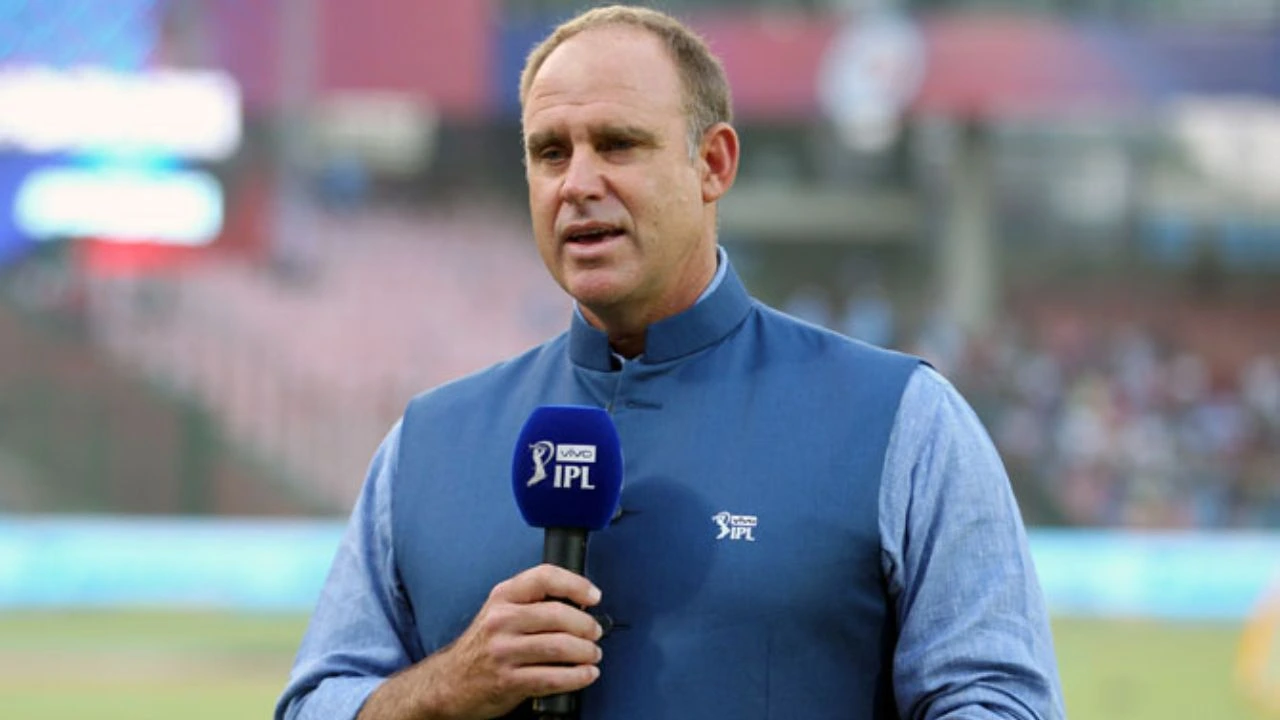
Former Australian Cricketer Matthew Hayden Comments on Rohit Sharma’s Performance
During the rain break in the first ODI of the three-match series between Australia and India, former Australian cricketer Matthew Hayden shared his thoughts on former Indian skipper Rohit Sharma’s performance. Hayden made a strong statement about the Indian team under head coach Gautam Gambhir, emphasizing that no player is safe in the setup.
Challenging Conditions Test Openers Rohit Sharma and Shubman Gill
India, after being asked to bat first by Australia at the Optus Stadium in Perth, faced challenging overcast conditions. Openers Rohit Sharma and Shubman Gill struggled to find their rhythm against the Australian pace duo of Mitchell Starc and Josh Hazlewood, who exploited the conditions and unsettled the openers early on. Rohit managed only eight runs in his comeback game, while Gill, leading India for the first time in ODIs, perished for 10 runs, putting India in early trouble.
Hayden’s Observations on Rohit Sharma
Despite the early dismissals, Matthew Hayden praised Rohit Sharma for his composure under pressure. Hayden highlighted Rohit’s ability to handle pressure and absorb it for the team. He also mentioned that within the Indian setup, no player’s place is guaranteed, indicating the competitive environment within the team.
“He (Rohit) doesn’t seem too flappable. He knows how to handle pressure and absorb it for his team. I’m eager to see how his career progresses leading up to the World Cup, as he surely looks set to be part of that campaign. The great thing, though, is that in the Indian setup, it seems no one’s truly safe,” Hayden stated.
Rohit Sharma’s Performance in the Match
On his return to competitive cricket since the 2025 IPL, Rohit Sharma showed early promise by getting off the mark with a boundary off Mitchell Starc. However, he struggled against Hazlewood’s bounce and was dismissed for eight runs. India posted 136 for 9 in the rain-shortened 26-over contest, with KL Rahul top-scoring with 38 runs.
Selectors’ Future Planning
Chief selector Ajit Agarkar weighed in on the performances of Rohit Sharma and Virat Kohli in ODI cricket, emphasizing their key roles in past tournaments. He highlighted the need for selectors to not judge their performances based on every match and acknowledged that the next World Cup is still some time away.
Agarkar also mentioned that Shubman Gill was appointed captain for the match, signaling future planning by the selectors. Yashasvi Jaiswal was picked as the backup opener in the ODI squad, showing that the team is already looking ahead and ensuring they have alternatives in place for the long term.
Overall, Hayden’s comments, along with the selectors’ future planning, indicate the competitive environment within the Indian cricket team and the need for players to consistently perform to secure their spots in the side.
Rohit Sharma’s World Cup Campaign and Future Prospects
Matthew Hayden’s remarks on Rohit Sharma’s performance in the first ODI shed light on the seasoned cricketer’s ability to handle pressure with grace. As India gears up for the upcoming World Cup, Rohit Sharma’s role in the team becomes even more crucial. With extensive experience in limited-overs cricket and a proven track record of match-winning performances, Rohit Sharma is expected to play a vital role in India’s campaign to regain the World Cup title.
Despite facing a challenging start in the first ODI against Australia, Rohit Sharma’s talent and skill are undeniable. As one of the most prolific run-scorers in modern-day cricket, Rohit Sharma’s presence in the Indian lineup provides stability and firepower at the top of the order. His ability to adapt to different conditions and opposition strategies makes him a valuable asset for the team.
Selectors’ Strategic Planning and Player Rotation
Chief selector Ajit Agarkar’s comments on the performances of Rohit Sharma and Virat Kohli highlight the selectors’ strategic approach towards team composition and player rotation. With an eye on the future, the selectors are tasked with balancing experience and youth within the squad to ensure a seamless transition of talent.
Shubman Gill’s appointment as captain for a match signifies the selectors’ trust in the young talent and their long-term planning for the team. By providing opportunities to emerging players like Yashasvi Jaiswal, the selectors are not only building depth in the squad but also fostering healthy competition among players to perform consistently and secure their positions in the team.
Competitive Environment and Performance Pressure in Indian Cricket
The competitive environment within the Indian cricket team, as noted by Matthew Hayden, serves as a driving force for players to continuously strive for excellence. With no player’s position guaranteed, each member of the squad is pushed to deliver their best performance consistently. This environment not only raises the overall standard of the team but also ensures that players remain motivated and focused on their individual contributions to the team’s success.
As India navigates through a packed international cricket calendar with various series and tournaments, players like Rohit Sharma shoulder the responsibility of maintaining their form and fitness to meet the demands of high-level competition. The pressure to perform at the highest level in every match is a constant reality for players in the Indian setup, emphasizing the need for mental resilience and adaptability.
Conclusion
In conclusion, former Australian cricketer Matthew Hayden’s observations on Rohit Sharma’s performance, coupled with the selectors’ strategic planning for the future, provide valuable insights into the dynamics of the Indian cricket team. As players strive to secure their positions in the side and contribute to the team’s success, the competitive environment within the team serves as a catalyst for excellence. With the World Cup on the horizon and a roster of talented players at their disposal, the Indian team is poised to make a strong impact on the international cricket stage.
By delving into the nuances of player performance, strategic selection decisions, and the competitive landscape of Indian cricket, stakeholders and fans alike gain a deeper understanding of the complexities involved in shaping a successful cricket team at the highest level.
Latest News
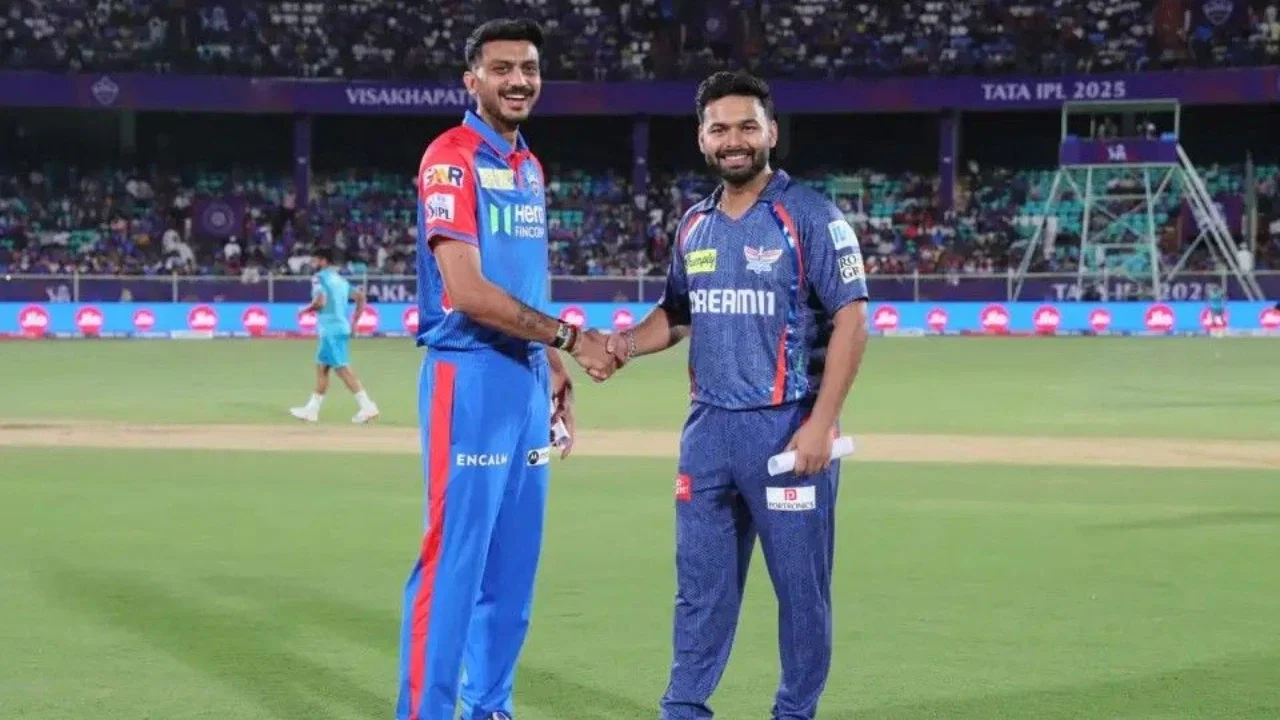
LSG vs DC Match No. 5 Preview: Free Live Streaming, Pitch & Weather Report, Head-to-Head | IPL 2026
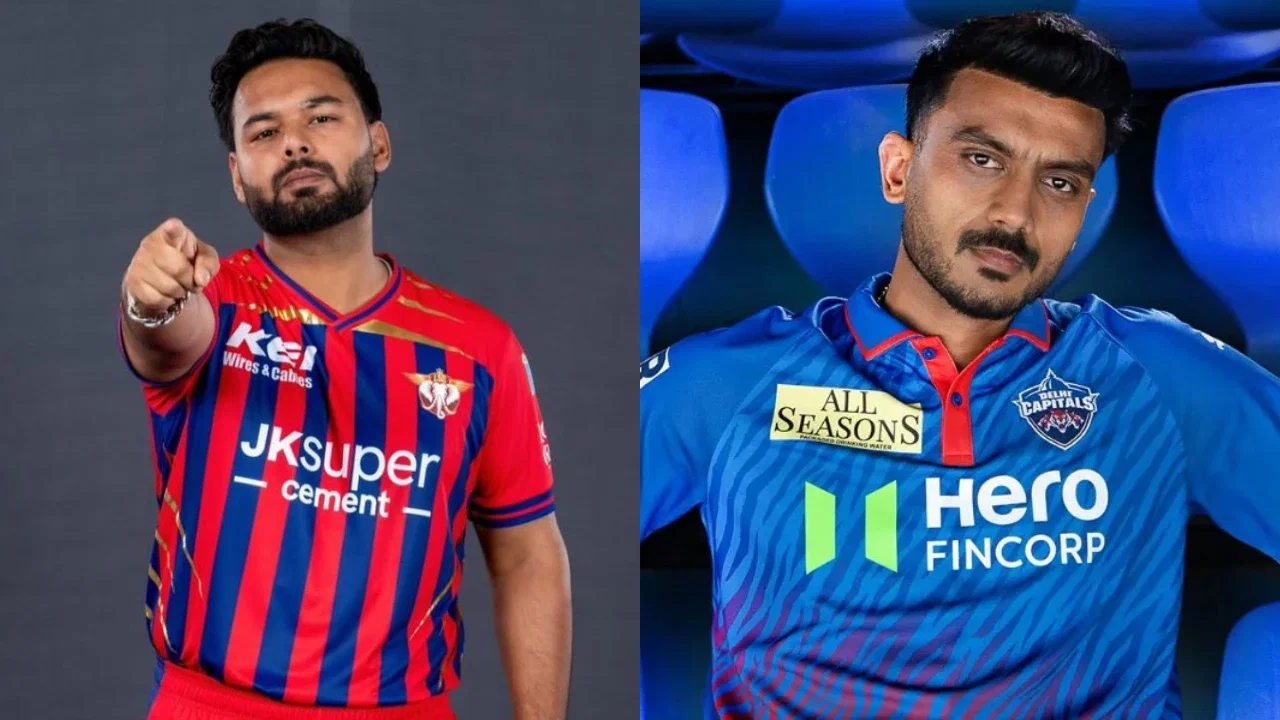
LSG vs DC Match Prediction – Who Will Win Match No.5? | IPL 2026
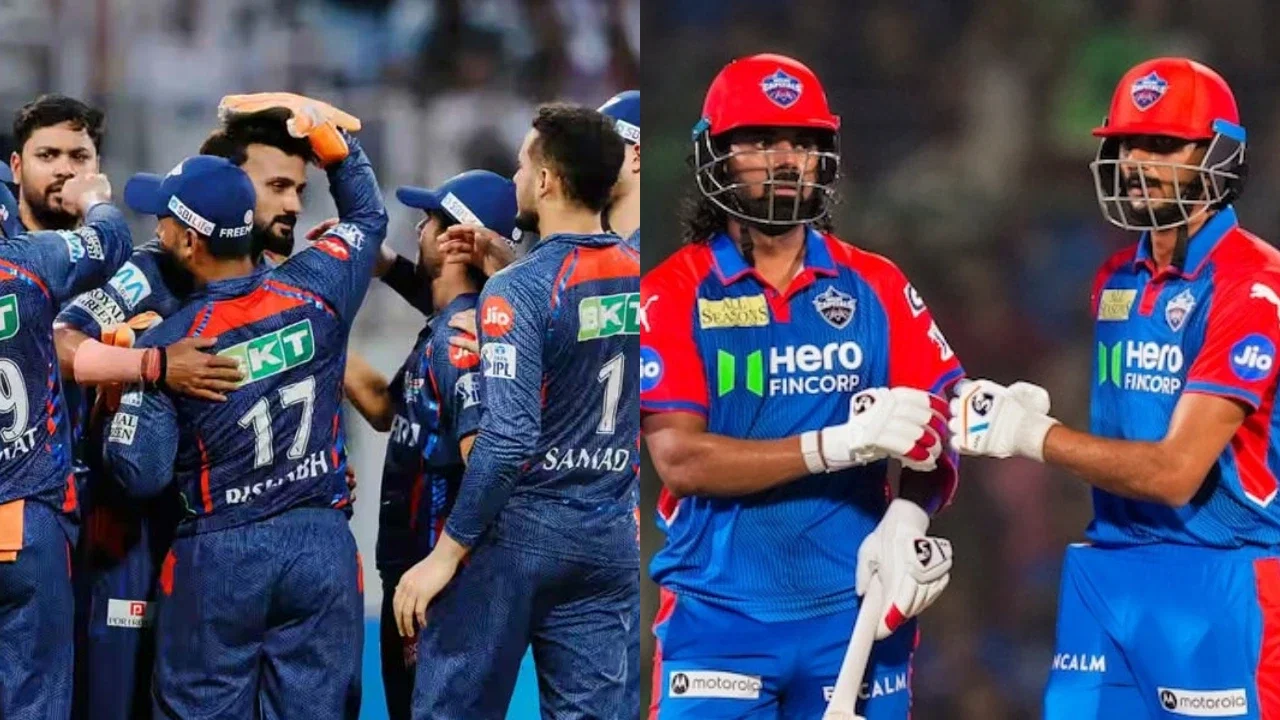
LSG Playing XI vs DC Playing XI – Match No. 5 | IPL 2026
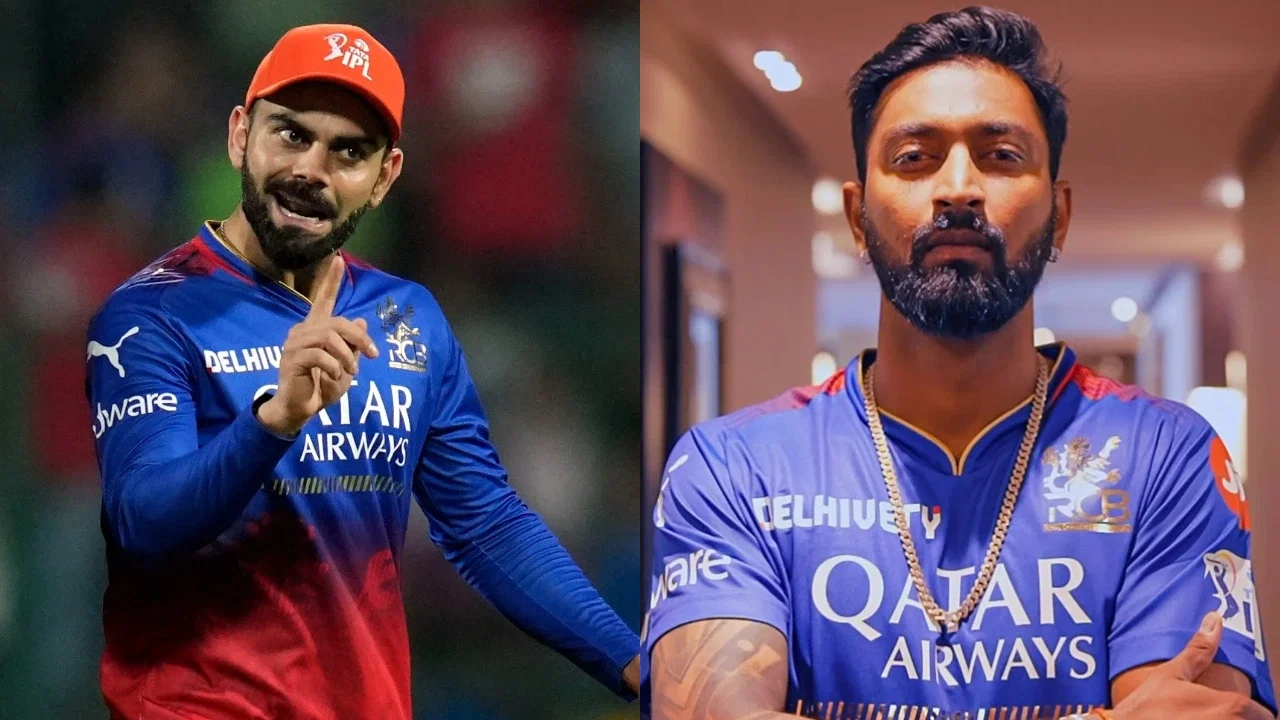
Krunal Pandya breaks silence on India snub, opens up on Virat Kohli
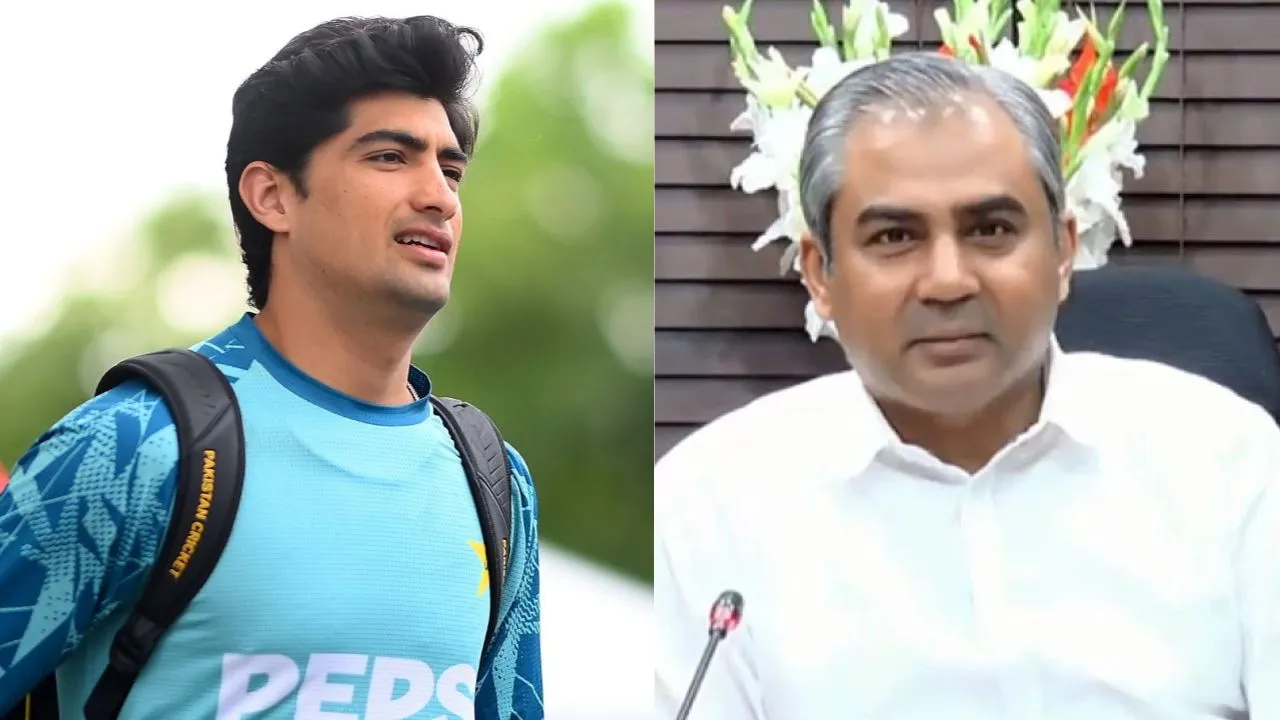
Mohsin Naqvi enforces new social media rules for Pakistan players following Naseem Shah incident
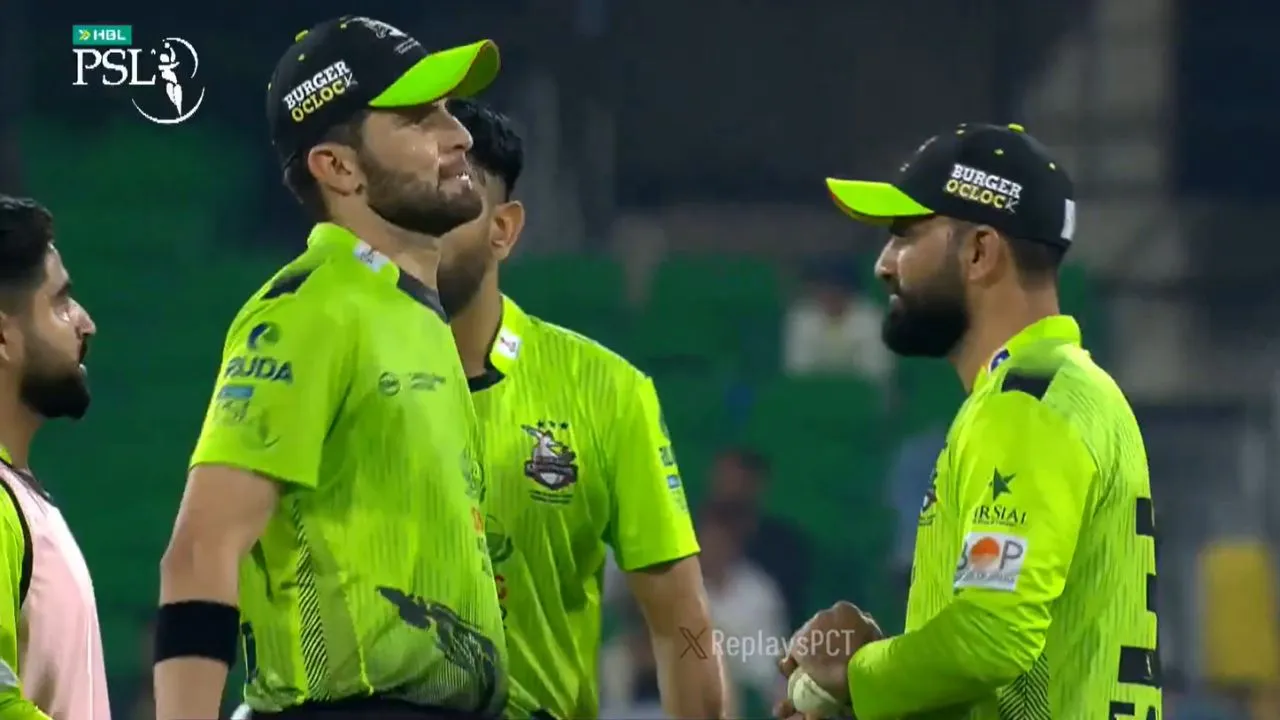
Fakhar Zaman officially handed cricket ban after PSL 2026 ball-tampering controversy
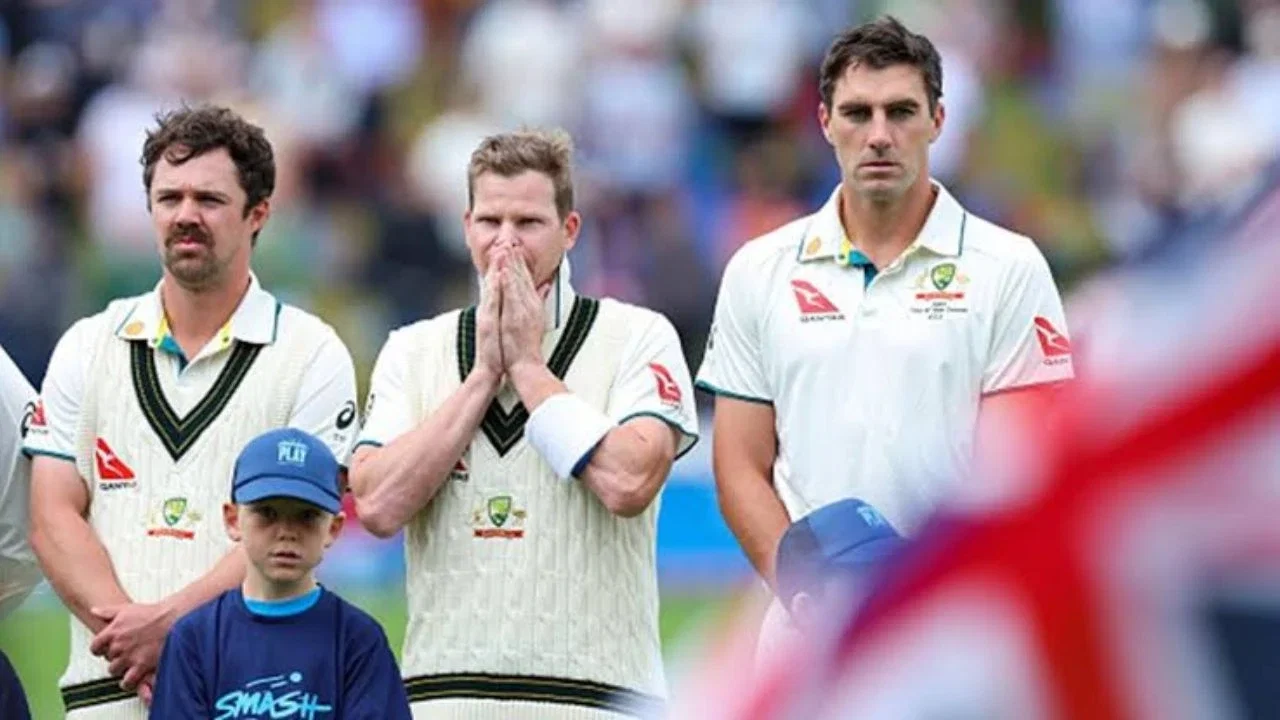
Pat Cummins forces Cricket Australia to slash central contracts list to secure premium deal
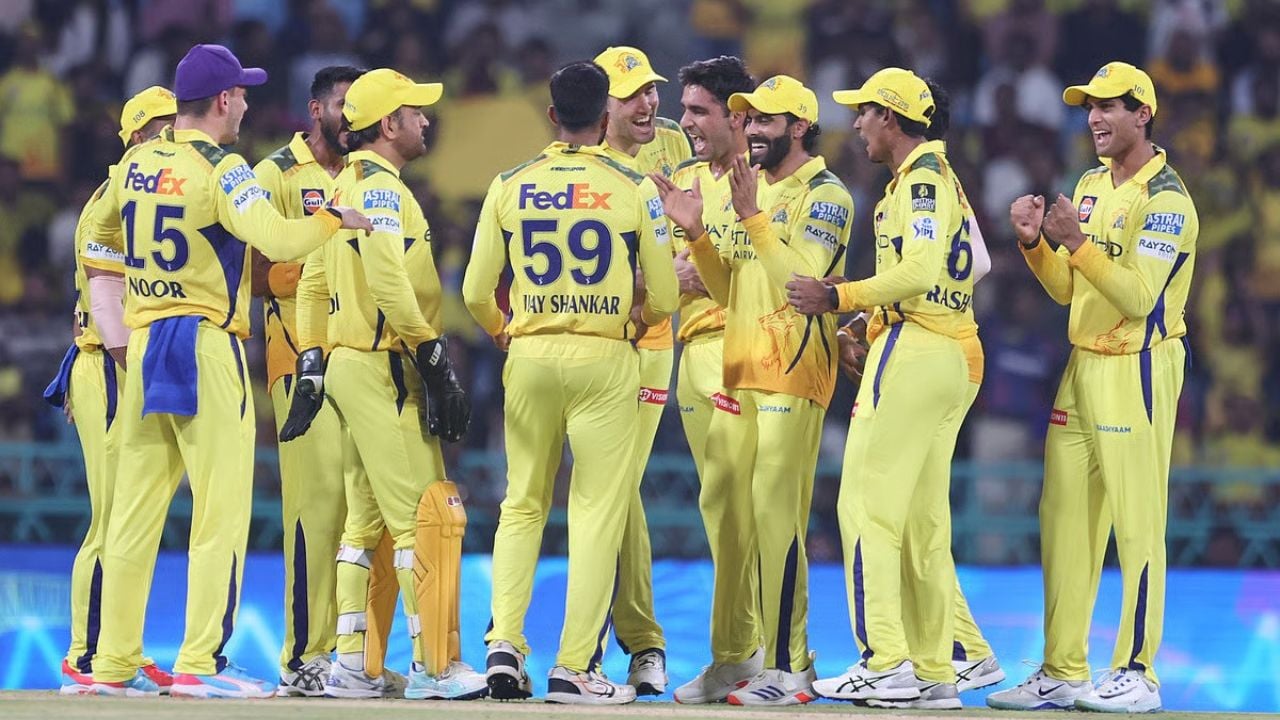
CSK’s big promise to players revealed amid IPL 2026: “Whatever BCCI offers, we’ll double it”
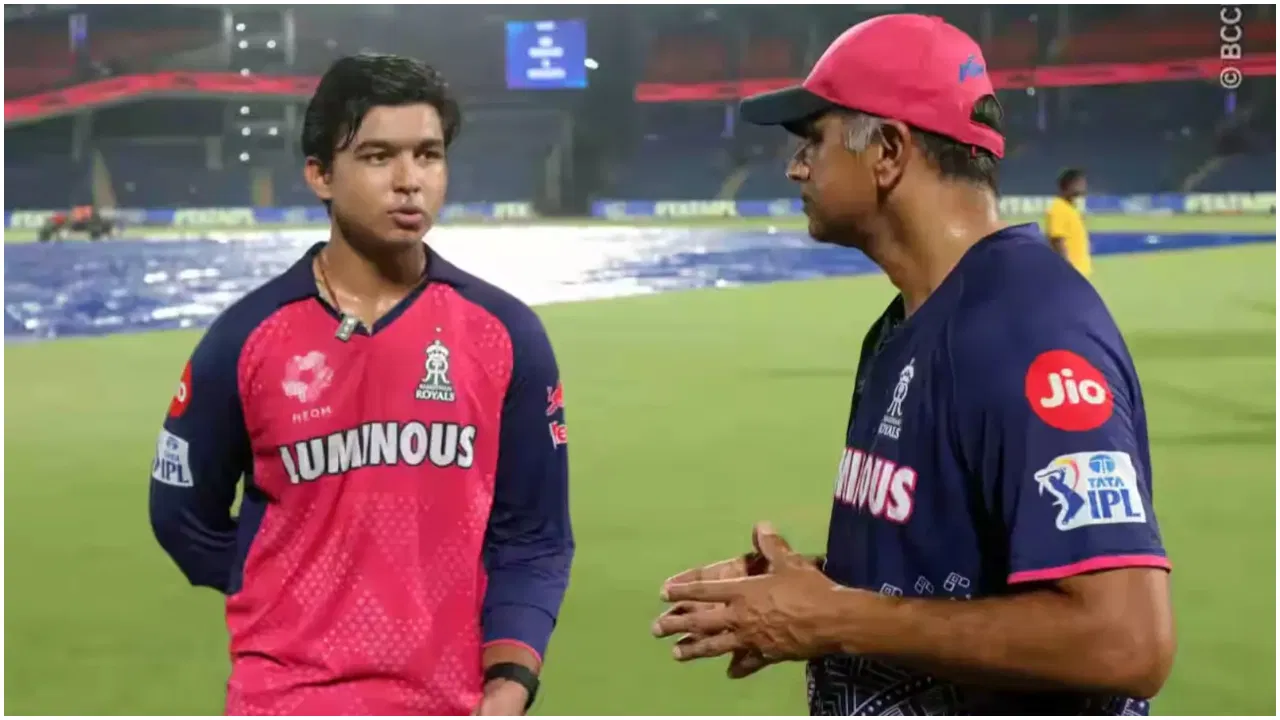
Ravichandran Ashwin rules out Vaibhav Sooryavanshi’s India call-up
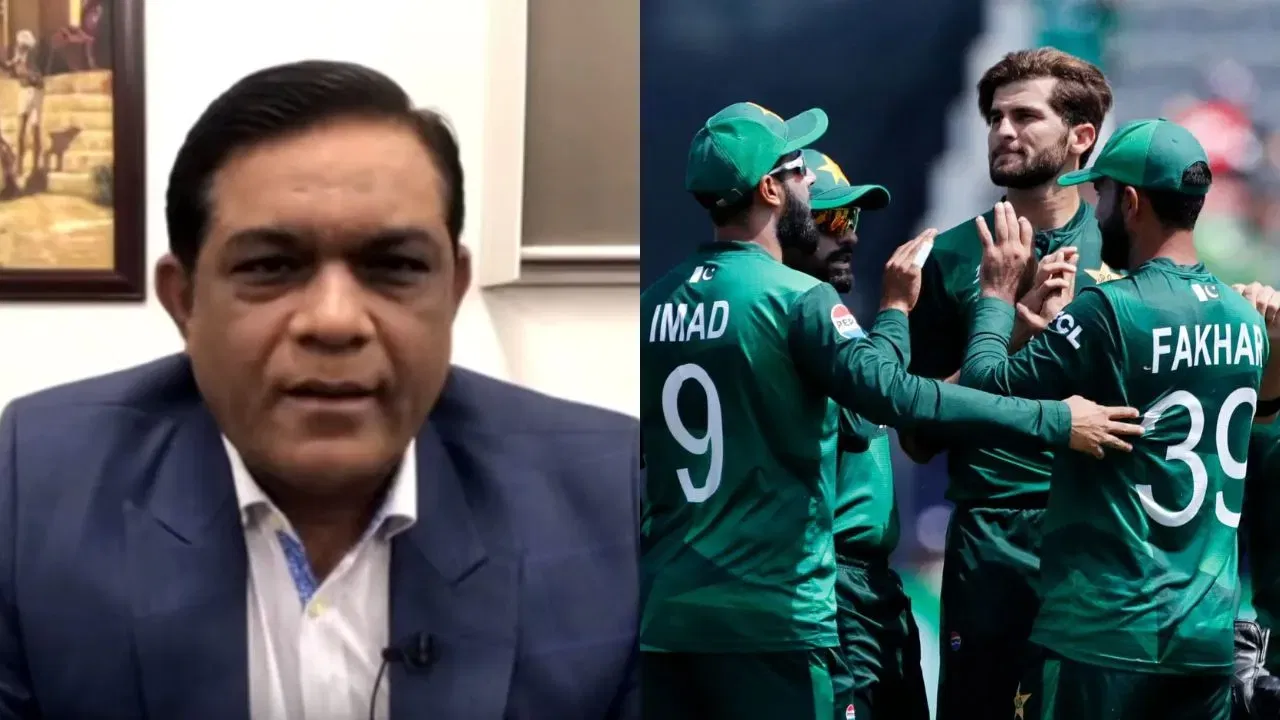
Rashid Latif claims PSL ball-tampering row was deliberately created for attention amid IPL rivalry
Mohammed Shami breaks silence on retirement buzz after India snub; has special message for LSG
Mohammed Shami reveals IPL 2026 Top 4, leaves out five-time champions
Mohammed Shami hits back at Ravichandran Ashwin over LSG’s poor IPL 2026 prediction
Riyan Parag mocked Sanju Samson? Batter’s muscle-flex celebration after sensational 6 vs CSK goes viral