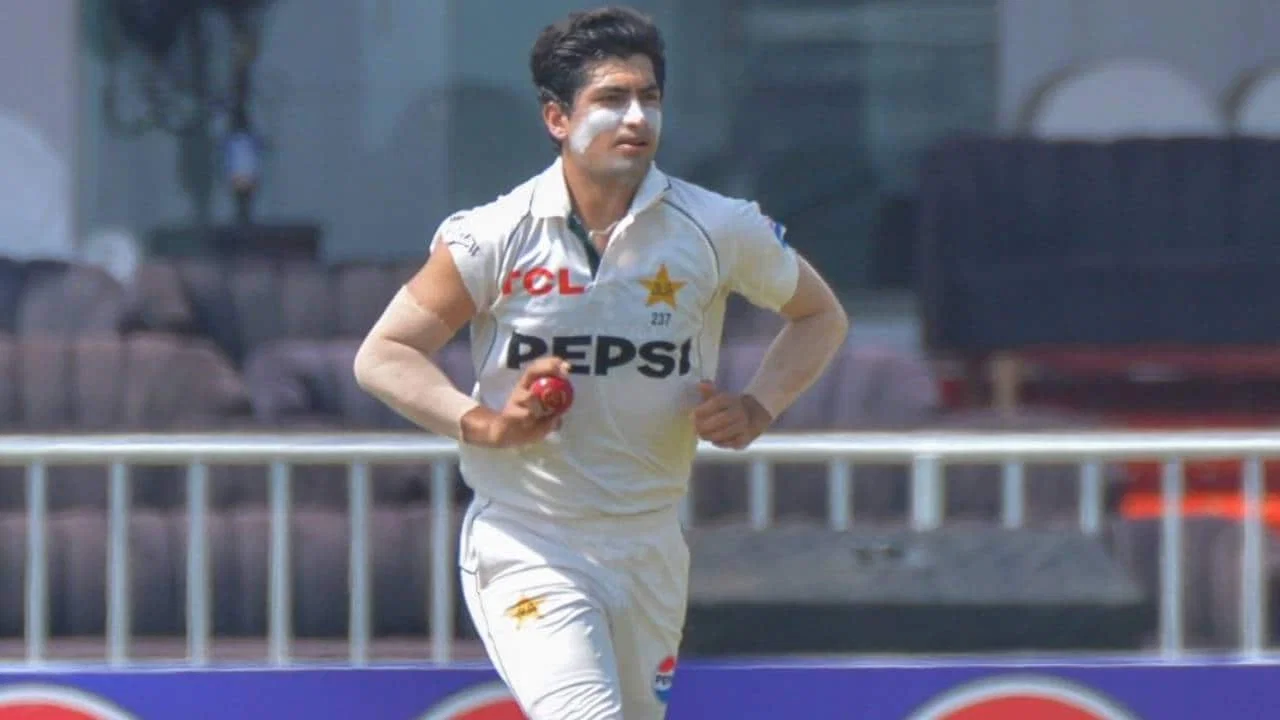
Not handshake controversy!!: Salman Ali Agha skipped post-match presentation because of this Indian

Pakistan Skipper Salman Ali Agha Misses Post-Match Presentation Following India Defeat
Pakistan’s captain and all-rounder, Salman Ali Agha, made headlines after skipping the post-match interview with official broadcaster Sony following Pakistan’s clash against arch-rivals India. Despite initial speculations, his absence from the presentation with Sanjay Manjrekar was not related to India’s refusal to shake hands after their victory.
Post-Match Disappointment
Pakistan faced disappointment after losing to India in the match at the Dubai International Stadium on September 14. India secured a seven-wicket victory, successfully chasing the target with 25 balls to spare. The match was highly anticipated as it was the first encounter between the two teams since the military conflict between the nations in May.
After the game, Suryakumar Yadav and the Indian team chose not to shake hands with their Pakistani counterparts, signaling their lack of interest in sharing friendly gestures with their rivals.
Reason Behind Agha’s Absence
Contrary to initial assumptions, Salman Ali Agha’s decision to skip the post-match presentation was not due to the handshake incident but rather because the ceremony was to be conducted by Indian commentator Sanjay Manjrekar. According to reports, Agha was uncomfortable with Manjrekar leading the presentation, leading to his absence from the proceedings. However, Shaheen Shah Afridi represented the team and collected his award.
The decision to abstain from the presentation was a clear message that Pakistan was not comfortable with an Indian conducting the ceremony, showcasing the tensions between the two cricketing nations.
Pakistan’s Performance and India’s Victory
India’s bowlers set the tone for the match by restricting Pakistan to a modest total of 127/9 in their 20 overs. The Indian bowling attack, led by Kuldeep Yadav’s three wickets for 18 runs, kept the Pakistani batsmen in check throughout the innings. Despite efforts from Shaheen Afridi and Sahibzada Farhan, Pakistan failed to post a challenging total.
In response, India got off to a flying start in the chase, with Abhishek Sharma’s aggressive innings providing early momentum. Suryakumar Yadav then anchored the innings with a composed knock, guiding India to a comfortable seven-wicket win. Yadav’s unbeaten 47 was instrumental in India’s victory, completing the chase with 25 balls to spare.
Conclusion
The intense rivalry between Pakistan and India was evident both on and off the field during their recent clash in Dubai. Despite the cricketing action being the focal point, the tension between the two teams added an extra layer of drama to the encounter. While India emerged victorious on the day, the post-match incidents highlighted the deep-rooted emotions and competitive spirit between the neighboring nations.
Salman Ali Agha’s Leadership
Salman Ali Agha’s leadership as Pakistan’s skipper has come under scrutiny following his decision to skip the post-match presentation. Many fans and analysts have questioned his ability to handle the pressures of captaining the team in high-stakes matches, especially against traditional rivals like India. A captain is expected to lead by example both on and off the field, and Agha’s absence from the presentation could be seen as a lack of sportsmanship and maturity.
It is essential for a captain to be able to handle defeat gracefully and represent his team with dignity, regardless of the outcome. Agha’s actions post-match have raised concerns about his ability to navigate challenging situations and maintain composure under pressure. Moving forward, Agha will need to address these criticisms and demonstrate growth as a leader to earn the respect of fans and his team.
Historical Context of Pakistan-India Rivalry
The rivalry between Pakistan and India transcends the boundaries of cricket and extends into the realms of politics, culture, and history. The two nations have a long-standing history of conflicts and tensions, which often spill over into sporting events. Matches between Pakistan and India are not merely games; they carry the weight of national pride, historical grievances, and territorial disputes.
Every encounter between the two cricketing giants is amplified by the historical context of partition in 1947, ongoing border disputes, and the contentious relationship between the neighboring nations. The intensity of the rivalry adds an extra layer of emotion and significance to every match, turning them into more than just sporting contests.
Impact of Post-Match Incidents
The post-match incidents following the Pakistan-India clash have sparked debates and discussions within the cricketing community. While on-field rivalries are expected in high-stakes matches, off-field gestures and behaviors can shape perceptions and fuel tensions between teams and their supporters.
The decision of the Indian team to forego the traditional handshake and Agha’s absence from the presentation have drawn attention to the complex dynamics at play in cricket diplomacy. These incidents highlight the delicate balance between sportsmanship, national pride, and competitive spirit in the context of intense rivalries.
As cricket continues to be a unifying force for fans across borders, it is crucial for players and teams to uphold the values of respect, camaraderie, and fair play. The post-match incidents serve as a reminder of the impact of gestures and actions beyond the boundary ropes, influencing perceptions and shaping narratives in the cricketing world.
Looking Ahead
As Pakistan and India prepare for future encounters on the cricket field, there is an opportunity for both teams to reflect on the lessons learned from their recent clash. Building mutual respect, understanding the historical context of their rivalry, and promoting sportsmanship are essential for fostering a healthy and competitive relationship between the two nations.
While the heat of competition may fuel emotions and tensions, it is crucial for players, captains, and officials to navigate these challenges with grace, maturity, and respect. The Pakistan-India rivalry is unlikely to diminish in intensity, but how both teams choose to approach it can set a positive example for the cricketing world and their passionate fan bases.
Latest News
Mohsin Naqvi totally angry and stressed as PSL 2026 controversies escalate
Mohsin Naqvi saves Naseem Shah from two-year ban, shocking claim emerges after controversy
Michael Vaughan claims Vaibhav Sooryavanshi’s India call-up for England tour is confirmed
Ravindra Jadeja’s teary-eyed reaction goes viral after RR demolish CSK in IPL 2026 clash
New Zealand ODI and T20I squads for Bangladesh tour officially announced
Naseem Shah breaks silence on PCB punishment, issues public apology following massive controversy
Australia coach drops big hint on Cameron Green’s Test future amid IPL 2026 drama
Ajit Agarkar told to fast-track Vaibhav Sooryavanshi into Indian Team
CSK declared useless without MS Dhoni by Ex-England captain
Shocking! Fakhar Zaman tampered with ball vs USA in T20 World Cup, ICC did not act
“Don’t get banned”: Digvesh Rathi reveals Sanjiv Goenka and Rishabh Pant’s warning over fiery celebrations
MS vs HYDK Match Prediction, Pitch & Weather Report, Playing XIs, Head-to-Head, Free Live Streaming – PSL 2026 Match 8
ISU vs PSZ Match Prediction, Pitch & Weather Report, Playing XIs, Head-to-Head, Free Live Streaming – PSL 2026 Match 7
Ravindra Jadeja breaks silence on fiery send-off to Shivam Dube in RR vs CSK IPL 2026 clash