“Not shaking hands, shows your true colours”- Rashid Latif curses India post Pakistan humiliation
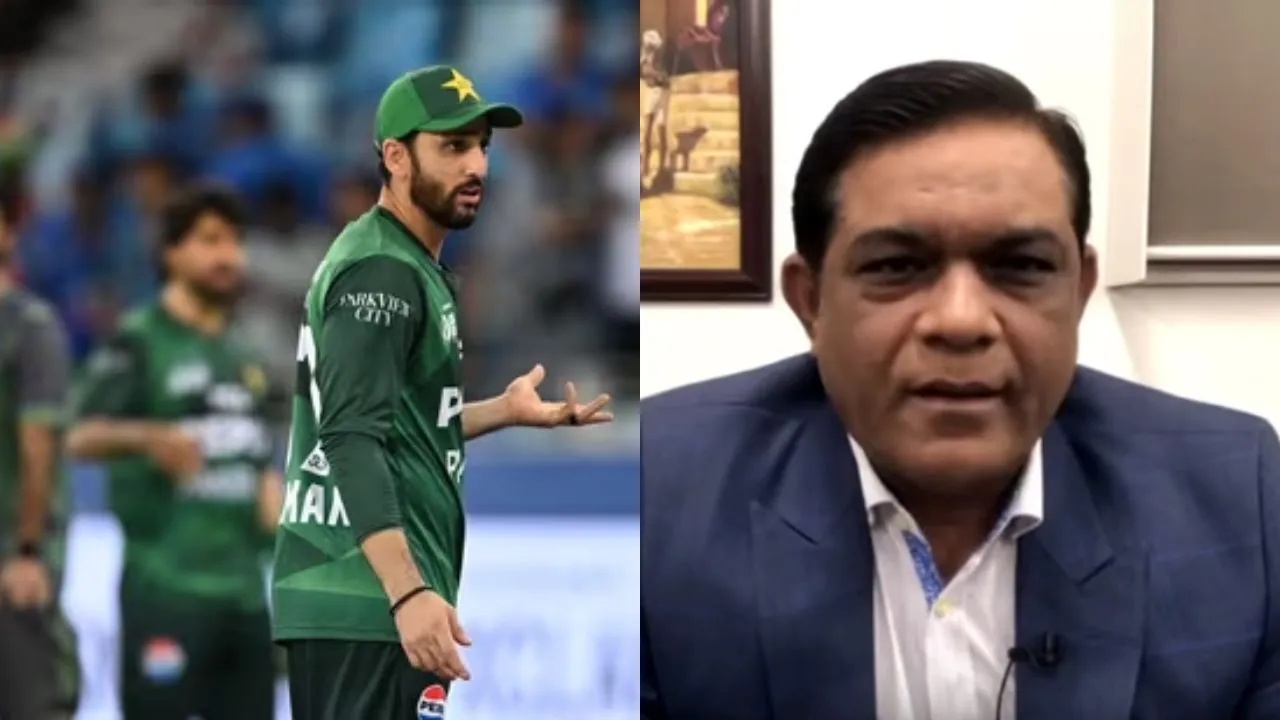
India-Pakistan Cricket Controversy: Rashid Latif Criticizes Team India for Skipping Handshake
Former wicketkeeper-batter Rashid Latif recently shared his thoughts on the controversy surrounding Team India refusing to shake hands with Pakistan players after a cricket match. Latif, known for his outspoken views, criticized the Men in Blue for what he perceived as poor sportsmanship.
The Controversy
The incident occurred after the Asia Cup 2025 match between India and Pakistan in Dubai on Sunday, September 14. Following the game, the two teams did not partake in the customary post-match handshake. India’s decision was seen as a gesture of solidarity with the victims of the Pahalgam terror attack earlier in the year, where 26 tourists tragically lost their lives.
Rashid Latif’s Criticism
Rashid Latif did not hold back in his criticism of Team India, stating that bringing politics onto the cricket field was inappropriate. The former cricketer expressed his disappointment with the Indian players’ actions, particularly highlighting the significance of fair play and sportsmanship in the game.
“Yes, you are India cricket, yes, you are the best team in the world… but not to shake hands at the end of the game… shows your real colors!!! Pakistan players were waiting but Indian players went inside dressing room!! Where is ICC,” Rashid Latif expressed on social media.
Post-Match Drama
The match itself was played amid high tension, with emotions running high on both sides. After India’s victory, captain Suryakumar Yadav notably avoided any interactions with the opposition team. Despite attempts by the Pakistan players and coach Mike Hesson to offer handshakes, the Indian management chose to close the doors of their dressing room.
Team India clarified that they did not wish to maintain a friendly atmosphere with their opponents, setting the stage for a potentially heated rivalry in future encounters between the two teams.
Raising the Stakes
Latif further added fuel to the fire by suggesting that India should have taken a more aggressive stance rather than resorting to diplomatic and political maneuvers. He argued that India should have engaged in a full-scale conflict rather than accusing Pakistan of evading responsibility.
“Jung hi kar lete, woh bhi nahi ki puri tarah se (India should have fought the war, but they didn’t even do that properly). India should have fought the war, they should not have backed out,” Latif emphasized.
Conclusion
The tensions between India and Pakistan have spilled over into the realm of sports, showcasing the deep-rooted animosity between the neighboring nations. As cricket fans eagerly await future encounters between the two sides, the controversy surrounding the handshake incident continues to spark debate and discussion within the cricketing community.
Impact on Future Matches
The controversy surrounding the lack of a handshake between India and Pakistan players is likely to have a lasting impact on future matches between the two cricketing giants. The tension and animosity displayed during the post-match incident could fuel the competitive spirit between the teams, adding an extra layer of intensity to their encounters.
With fans on both sides closely watching the interactions between players and management, every move and gesture will be scrutinized for any sign of provocation or retaliation. The heightened emotions and rivalries could lead to even more charged atmospheres during matches, making for compelling viewing for cricket enthusiasts around the world.
Broader Implications in Cricket Diplomacy
The incident also raises larger questions about the intersection of sports and politics, particularly in the context of India-Pakistan relations. Cricket has often been used as a tool for diplomacy and cultural exchange between the two nations, with matches serving as opportunities for people-to-people interactions and soft power diplomacy.
However, when political tensions spill over onto the cricket field, it can complicate the delicate balance between sportsmanship and national pride. The refusal to shake hands may have unintended consequences on the broader diplomatic efforts to foster goodwill and understanding between India and Pakistan through cricket.
Role of ICC in Mediation
As Rashid Latif pointed out, the International Cricket Council (ICC) plays a crucial role in maintaining the spirit of the game and ensuring fair play among teams. The governing body may need to step in to address the fallout from the handshake controversy and remind teams of their responsibilities as ambassadors of the sport.
By emphasizing the values of respect, sportsmanship, and camaraderie, the ICC can help defuse tensions and prevent similar incidents from occurring in future matches. Clear guidelines and protocols for post-match interactions could also be established to avoid misunderstandings and uphold the integrity of the game.
Looking Ahead
As the cricketing world grapples with the aftermath of the India-Pakistan handshake controversy, it serves as a reminder of the complexities and nuances inherent in sports diplomacy. The incident underscores the importance of maintaining a fine balance between national pride, sportsmanship, and diplomatic relations on the cricket field.
While the handshake incident may have stirred controversy and debate, it also presents an opportunity for reflection and dialogue on how sports can be used to bridge divides and promote mutual understanding. As fans await the next chapter in the India-Pakistan rivalry, the cricketing community will be closely watching to see how both teams navigate the challenges of competing on the field while upholding the values of respect and fair play.
Latest News
SRH suffer huge blow! Daniel Vettori confirms another overseas pacer injured amid crisis
IPL Points Table 2026: Updated Standings, Orange Cap, Purple Cap After RCB vs SRH Match 1
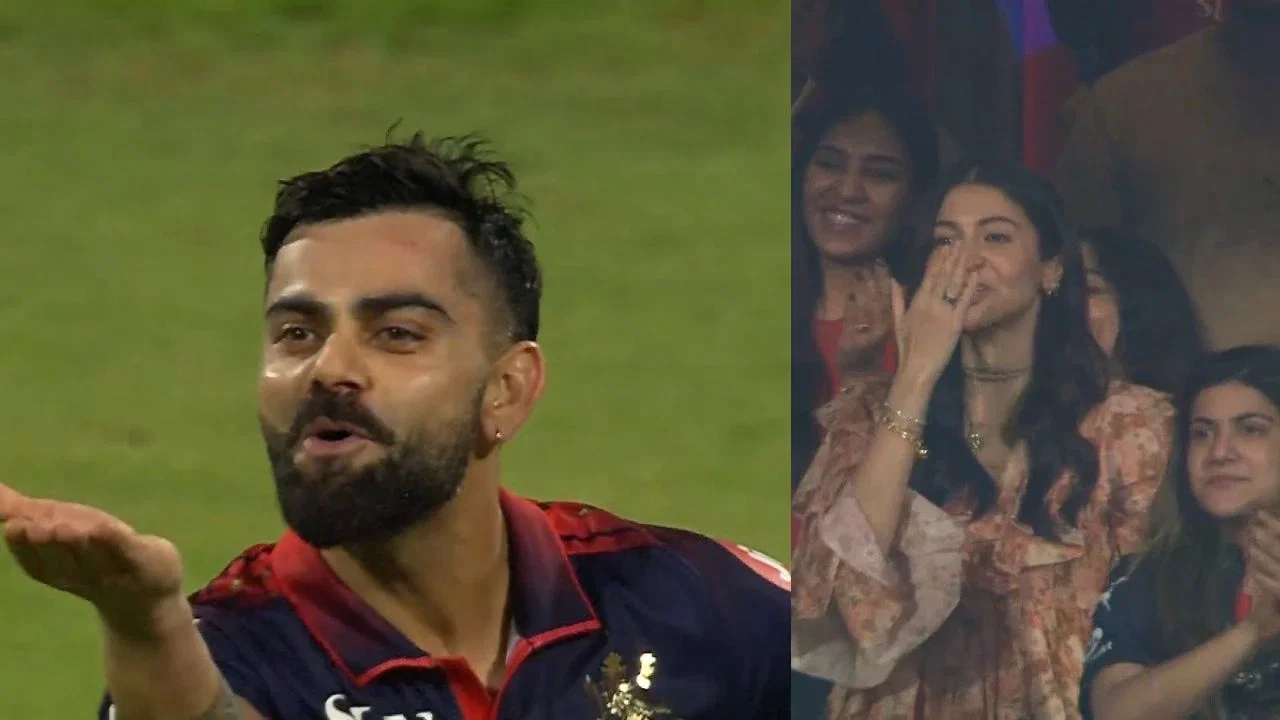
Virat Kohli, Anushka Sharma share adorable flying kiss moment after RCB vs SRH clash
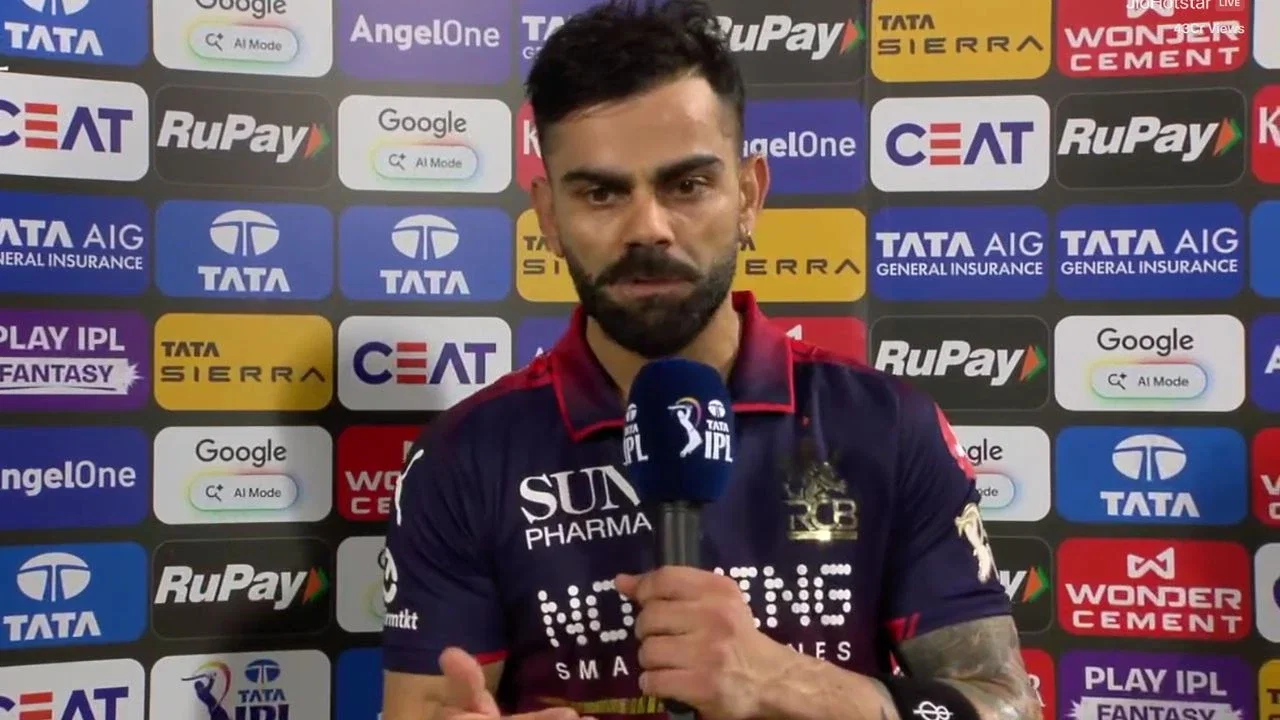
“Absolutely world-class”: Virat Kohli backs Devdutt Padikkal for permanent Team India spot
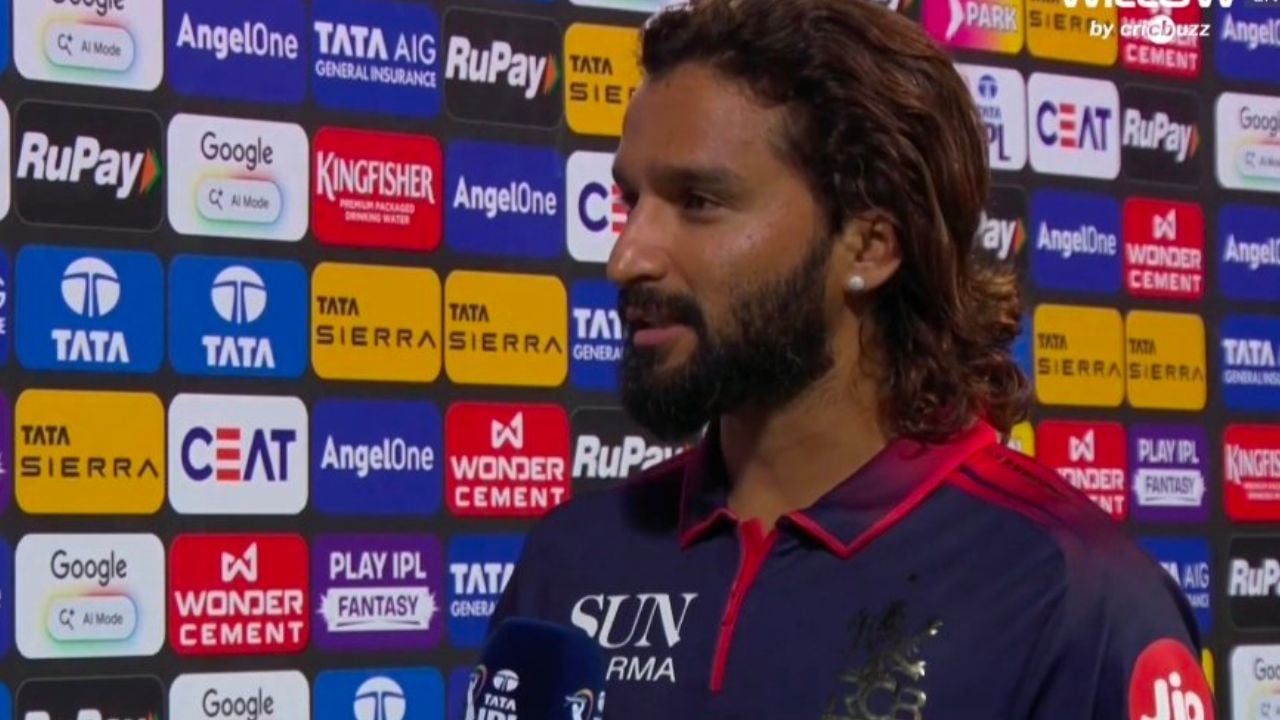
Rajat Patidar refuses to comment on Virat Kohli; Ishan Kishan admits enjoying after SRH’s loss to RCB
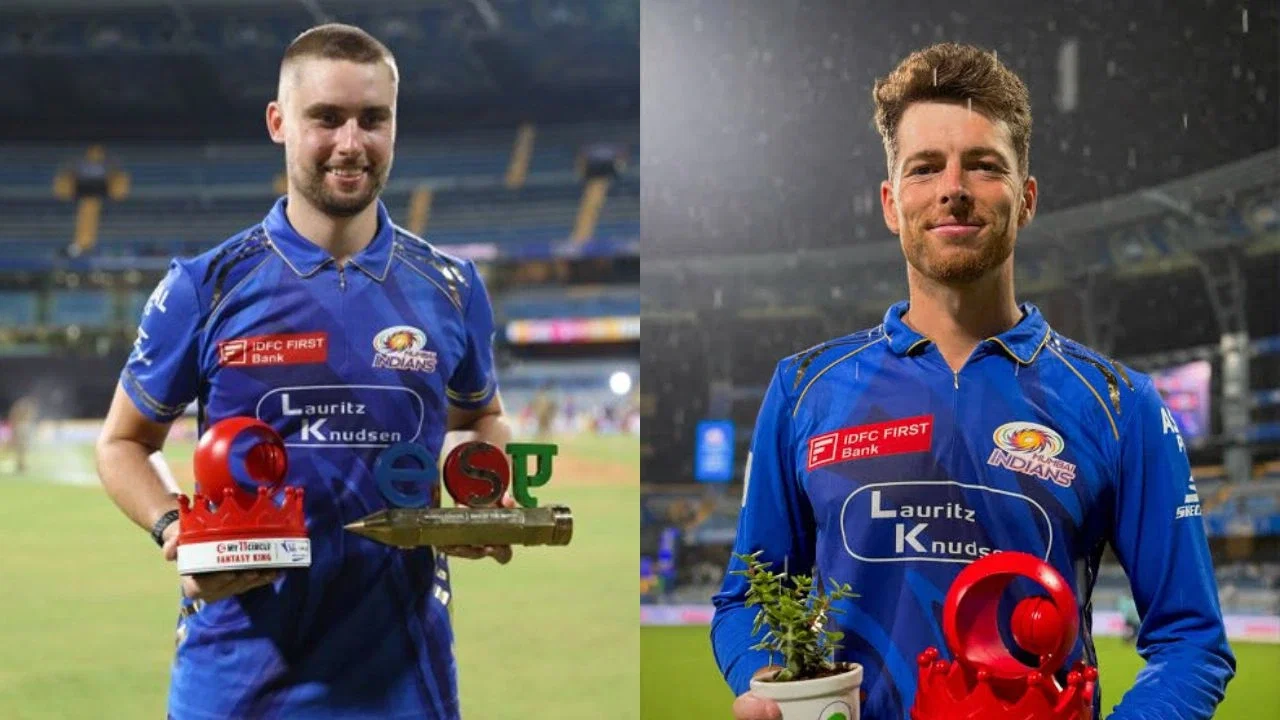
Mumbai Indians suffer blow! Mitchell Santner, Will Jacks ruled out of IPL 2026 games
MI vs KKR Match Prediction – Who Will Win Match No.2? | IPL 2026
Mumbai Indians Playing XI vs Kolkata Knight Riders Playing XI- Match No. 2 | IPL 2026
MI vs KKR Match 2 Preview: Free Live Streaming, Pitch & Weather Report, Head-to-Head | IPL 2026
Not English cricket! Jos Buttler credits IPL for his success as a cricketer
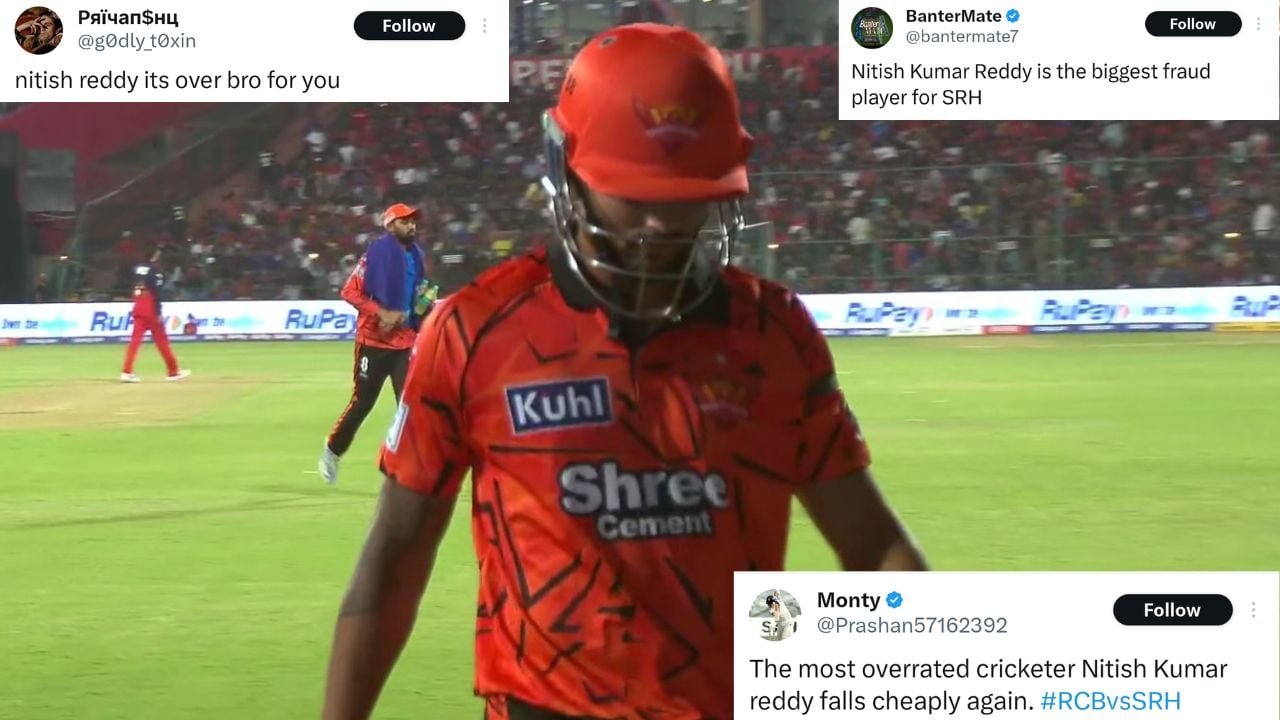
“Nitish Kumar Reddy is biggest fraud”: Fans fume as SRH star fails vs RCB in IPL 2026 opener
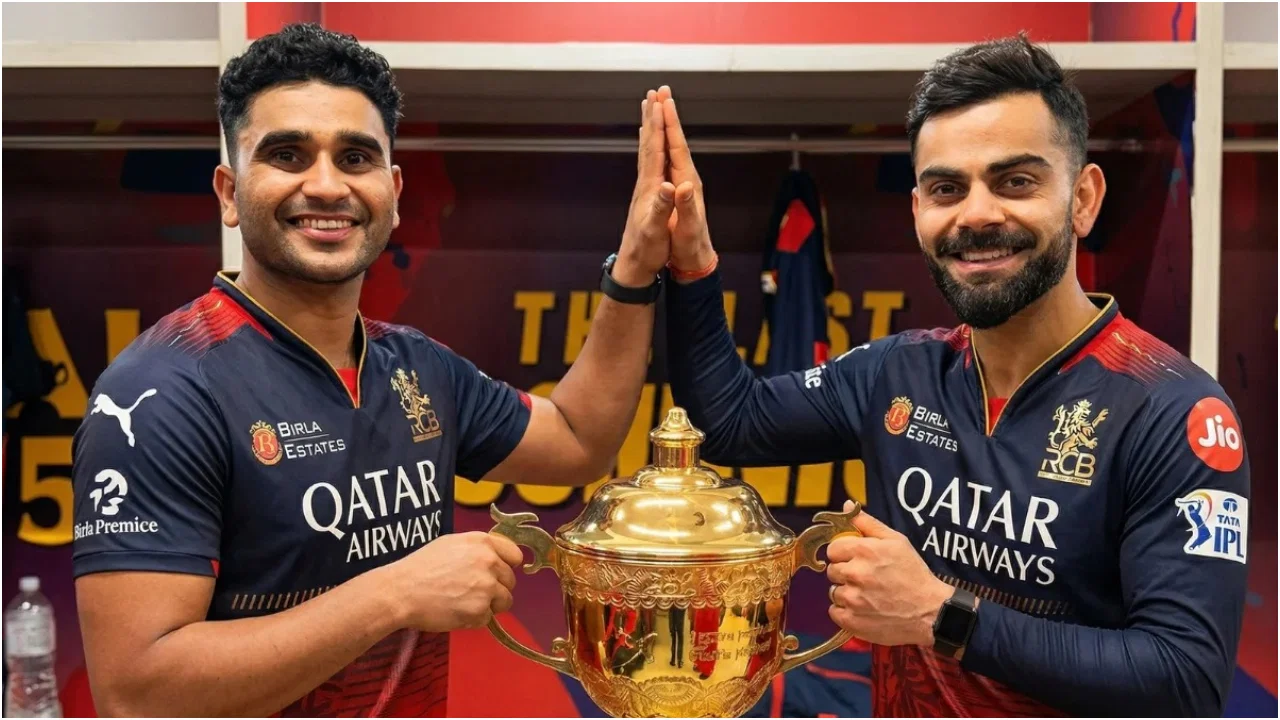
Who is Abhinandan Singh? The Virat Kohli troublemaker who made his IPL debut for RCB vs SRH
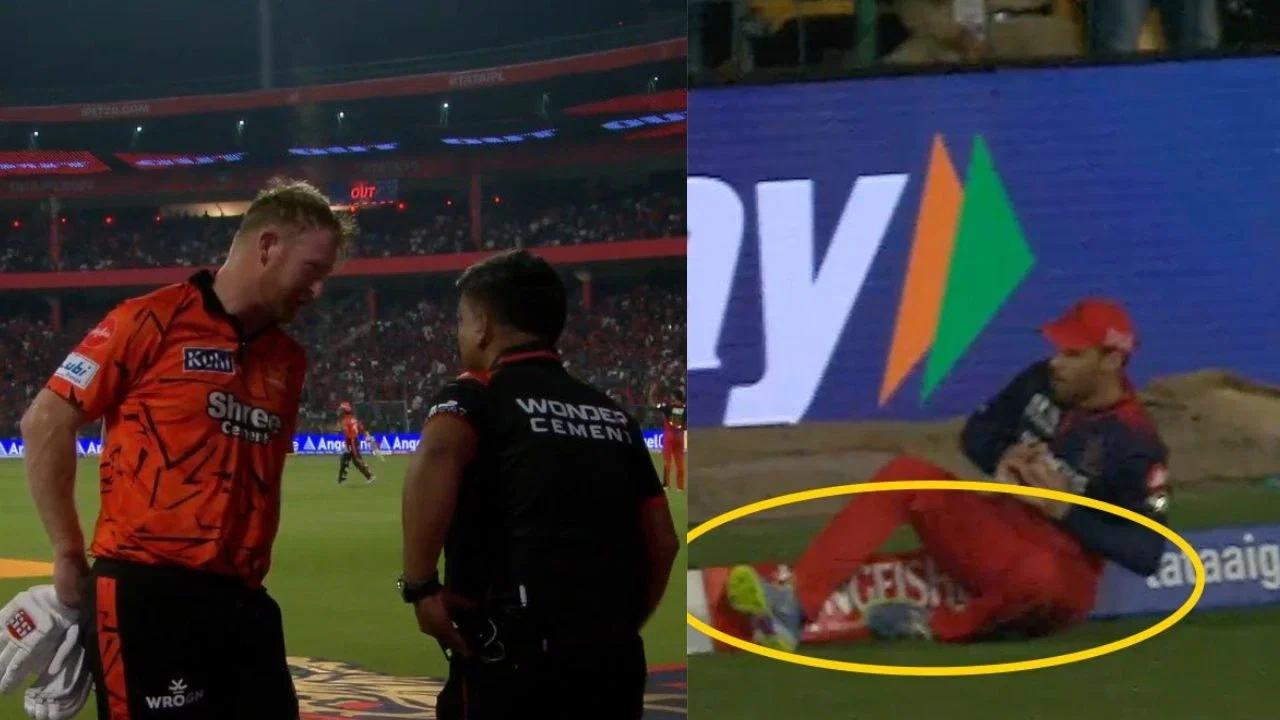
Heinrich Klaasen engages in heated chat with 4th umpire after Phil Salt’s controversial catch in IPL 2026
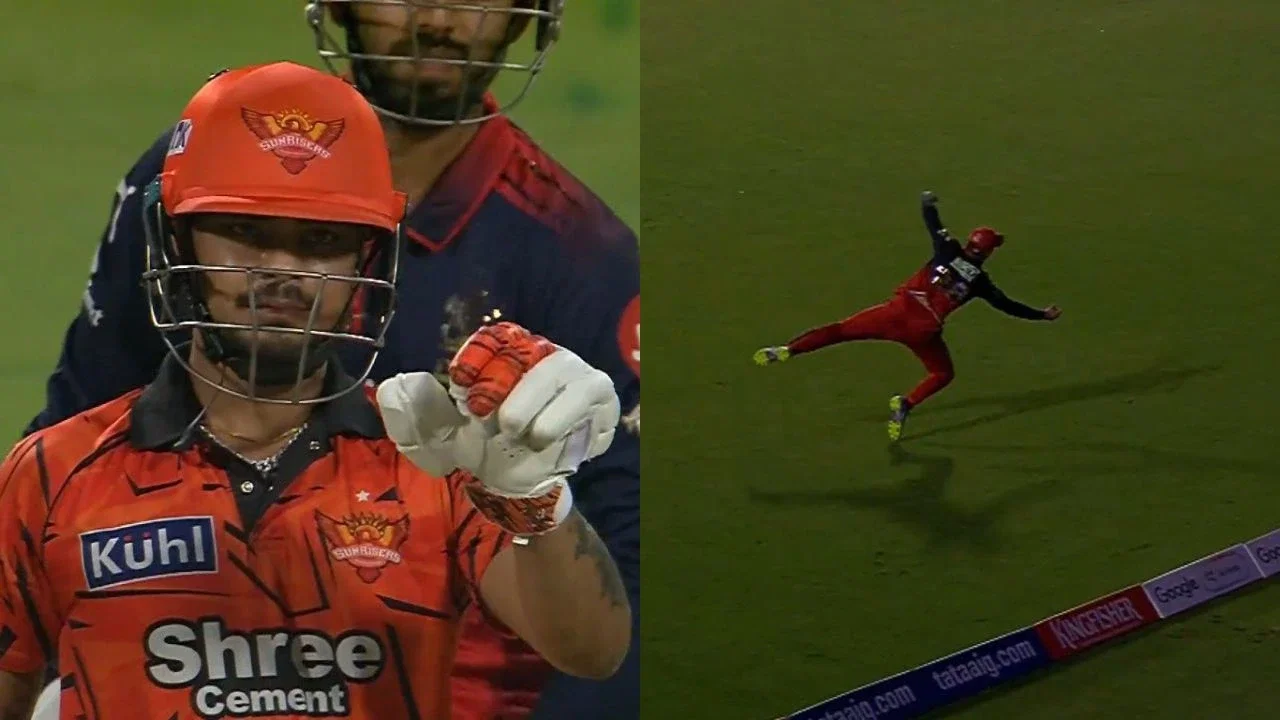
Phil Salt grabs one of the greatest catches in IPL history to dismiss Ishan Kishan