“Not stupid”: Adam Gilchrist, Mark Waugh break silence on ECB not sacking Brendon McCullum

England Cricket Board’s Decision to Retain Leadership Faces Criticism
The England and Wales Cricket Board (ECB) recently made headlines by choosing to keep head coach Brendon McCullum, Test captain Ben Stokes, and team director Rob Key despite the team’s disappointing performance in the Ashes tour. This decision has sparked debate and criticism, with Australian legends Adam Gilchrist and Mark Waugh expressing their disbelief.
Surprising Move by ECB
Many observers expected significant changes in the England camp following their 1-4 loss to Australia in the Ashes series earlier this year. However, the ECB opted to maintain the current leadership structure. Both McCullum and Stokes had publicly stated their desire to continue in their roles after the tour concluded.
Gilchrist’s Perspective
Adam Gilchrist, a former Australian cricketer, shared his thoughts on the ECB’s decision, noting that the short gap before the next Ashes series in England may have influenced the board’s choice. Gilchrist mentioned that the proximity of the upcoming Ashes tour could have deterred the ECB from implementing a complete overhaul of leadership. He pointed out that the recent T20 World Cup success also played a role in McCullum and Stokes retaining their positions.
Warnings of Internal Issues
Despite the ECB’s decision, Gilchrist cautioned that England’s problems should not be underestimated. He highlighted comments from Liam Livingstone, who felt a lack of proper communication within the team’s management. Gilchrist emphasized the importance of addressing these underlying issues to enhance the team’s performance.
Waugh’s Criticism
In contrast to Gilchrist’s perspective, Mark Waugh criticized the ECB’s choice to stick with the current leadership. He argued that England’s aggressive style might not be effective in all conditions, particularly in challenging environments like India and Australia. Waugh suggested that McCullum and Stokes need to adapt their approach to achieve better results.
Lessons to Be Learned
Waugh expressed hope that McCullum and Stokes would learn from their mistakes and implement necessary changes to avoid further losses in the future. He emphasized the importance of reflecting on past performances and making adjustments to enhance the team’s competitiveness. Waugh stressed that the upcoming months would reveal whether the England duo had indeed absorbed valuable lessons from their experiences.
In conclusion, the ECB’s decision to retain Brendon McCullum, Ben Stokes, and Rob Key as the key figures in England’s cricket leadership has sparked mixed reactions from cricket enthusiasts and experts. While some believe in the duo’s potential to improve, others question their ability to lead the team effectively in challenging conditions. As England prepares for future international competitions, all eyes will be on the team’s performance and the impact of the ECB’s controversial decision.
Debates Over Leadership Stability
The ECB’s choice to retain McCullum, Stokes, and Key has ignited debates within the cricketing community regarding the importance of stability versus the need for change in leadership. Some argue that consistency in leadership can provide stability and allow for long-term growth and development within the team. On the other hand, critics believe that after a disappointing performance, a shake-up in leadership might be necessary to instigate a positive change in the team’s dynamics and results.
Challenges Ahead for England Cricket
As England looks ahead to upcoming series and tournaments, including the highly anticipated Ashes clashes, the pressure on the retained leadership team will be immense. The expectations from fans, pundits, and stakeholders will be high, putting the spotlight on McCullum, Stokes, and Key to deliver improved results and showcase effective leadership on and off the field. The team’s ability to bounce back from setbacks and demonstrate resilience will be closely monitored by all.
Player Reactions and Support
Amidst the criticisms and debates surrounding the ECB’s decision, several players within the England cricket team have come forward in support of the retained leadership. They have voiced their confidence in McCullum and Stokes, highlighting their strong leadership qualities, strategic acumen, and dedication to the team’s success. This internal support can be crucial in fostering a cohesive team environment and boosting morale amidst external scrutiny.
Strategies for Improvement
As McCullum and Stokes prepare to lead England into future challenges, they will need to implement strategic changes and learn from past mistakes to drive the team towards success. This may involve refining their tactical approach, enhancing communication within the team, and developing a deeper understanding of opposing teams and conditions. Embracing a growth mindset and being open to feedback and adaptation will be key for the leadership duo.
Media and Public Perception
The media and public perception of the retained leadership will play a significant role in shaping the narrative around England cricket in the coming months. Positive results and improved performances will likely sway opinions in favor of the ECB’s decision, while continued struggles may lead to increased scrutiny and calls for change. Managing external expectations and maintaining a united front will be essential for the leadership team.
Building Towards Success
Ultimately, the true test of the ECB’s decision to retain McCullum, Stokes, and Key will be revealed on the field through the team’s performances. The upcoming series and tournaments will provide a platform for the leadership team to showcase their capabilities, address weaknesses, and work towards achieving success for England cricket. The journey ahead will be filled with challenges, but with determination, resilience, and strategic planning, the retained leaders have the opportunity to lead the team to new heights.
As cricket enthusiasts eagerly await the unfolding of events, the impact of the ECB’s controversial decision will continue to be a topic of discussion and analysis in the cricketing world.
Latest News
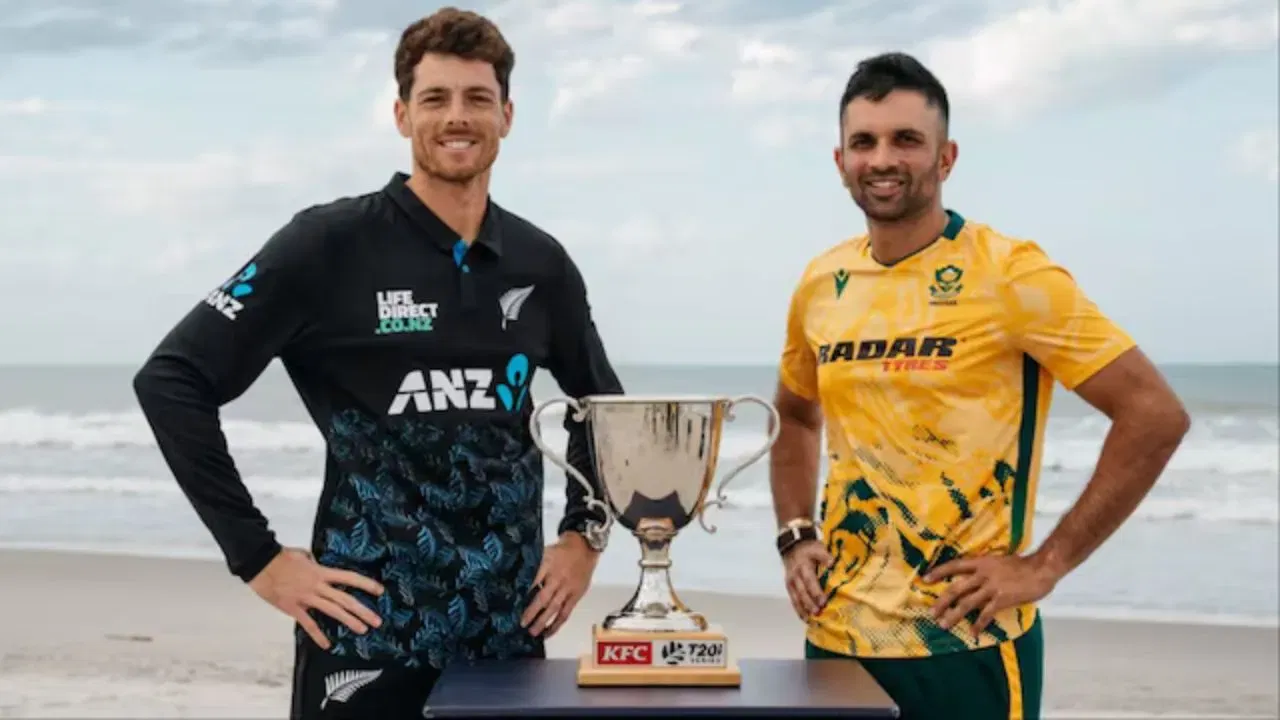
NZ vs SA 5th T20I Preview: Free Live Streaming, Pitch & Weather Report, Head-to-Head | South Africa tour of New Zealand 2026
NZ vs SA Match Prediction – Who Will Win 5th T20I? | South Africa tour of New Zealand 2026
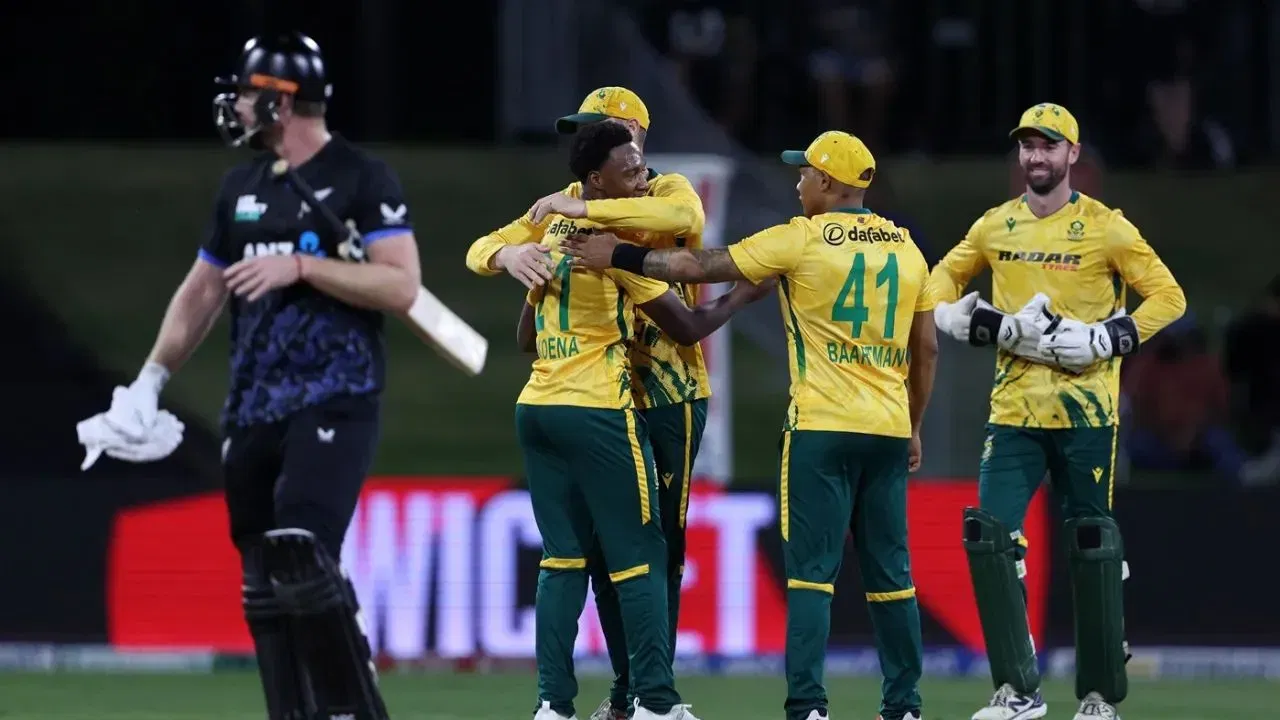
New Zealand Playing XI vs South Africa Playing XI – 5th T20I | South Africa tour of New Zealand 2026
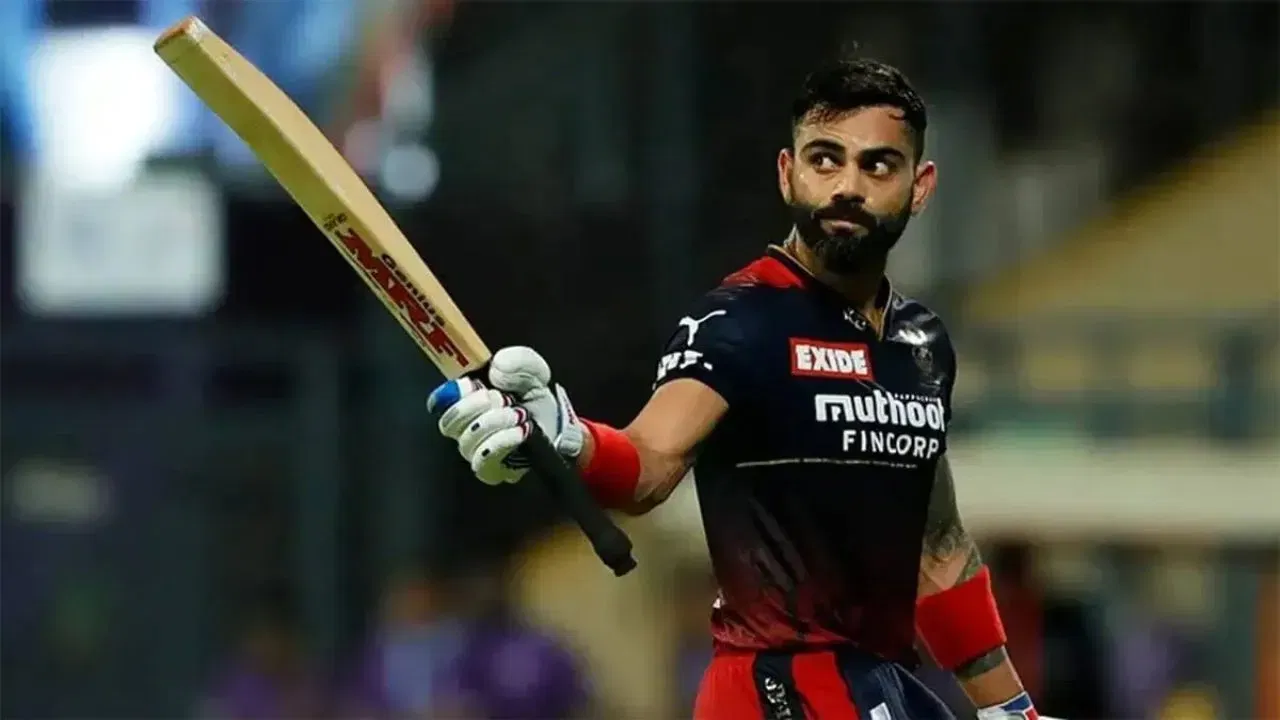
PBKS spinner calls Virat Kohli his idol, makes bold dismissal claim ahead of IPL 2026
“Not stupid”: Adam Gilchrist, Mark Waugh break silence on ECB not sacking Brendon McCullum
Revealed: Why RCB players will wear black armbands and No.11 jersey in IPL 2026?
RCB boss breaks silence on Josh Hazlewood’s IPL 2026 status, drops big remark on Venkatesh Iyer
Rajasthan Royals sold! Kal Somani’s $1.63 billion deal backed by Walmart and Ford powerhouses
‘I’m not carrying that baggage, but Virat Kohli…’: RCB boss makes huge statement ahead of IPL 2026
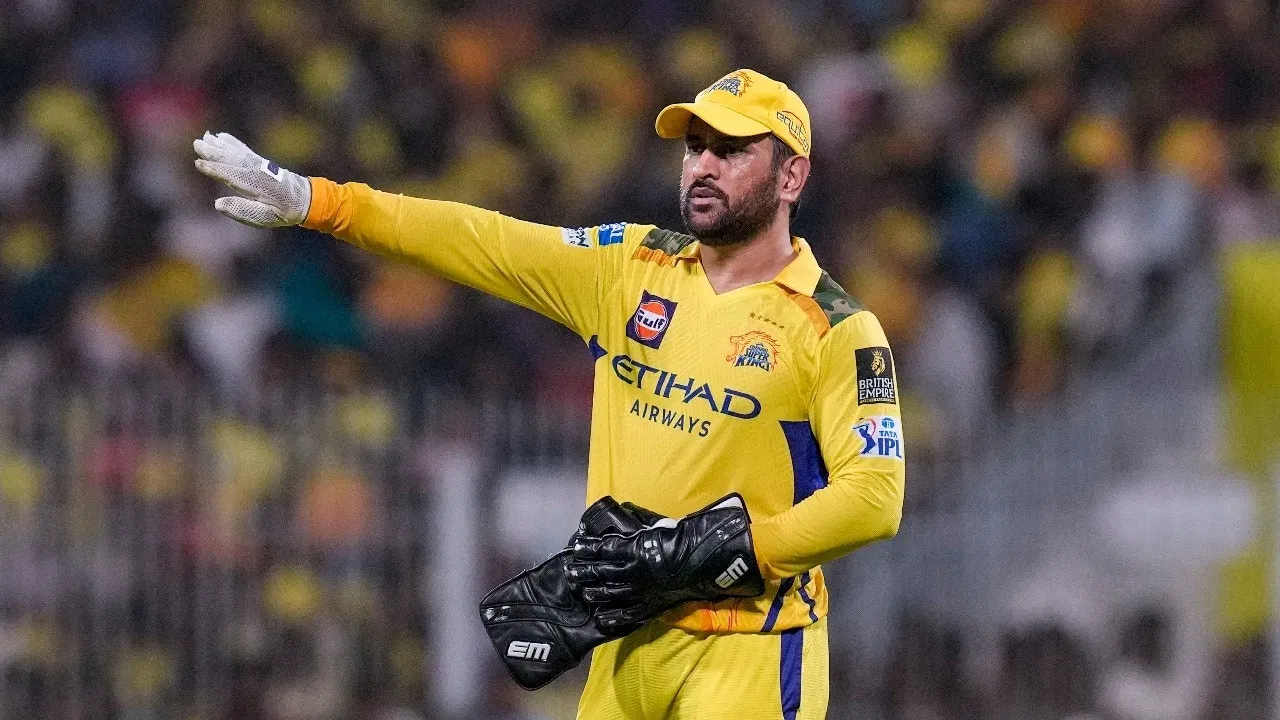
MS Dhoni set to return as CSK captain for his last IPL season?
‘Rohit Sharma is good enough to be part of Indian T20I team’: MS Dhoni’s ex-teammate’s big remark
3 RCB players who could struggle in IPL 2026 – ft Venkatesh Iyer
3 RCB players who could struggle in IPL 2026 – ft Venkatesh Iyer
3 MI players who could struggle in IPL 2026 – ft Rohit Sharma