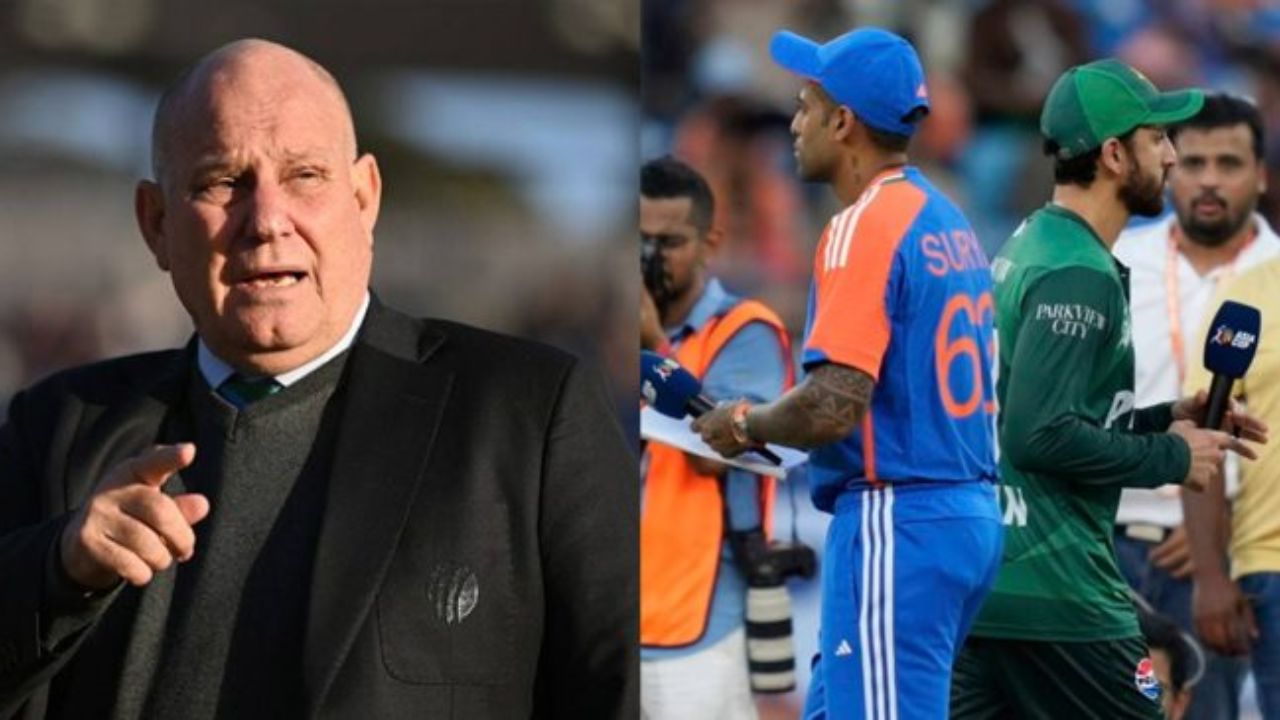
Pakistan again takes U-Turn, calls ICC meeting for removing Andy Pycroft from Asia Cup after UAE match
Pakistan Participates in Asia Cup Despite Controversy with Match Referee
Despite threatening to boycott the Asia Cup match against the United Arab Emirates (UAE), Pakistan ultimately decided to play after the ICC rejected their request to replace match referee Andy Pycroft. The controversy began when Pycroft was accused of misconduct during the match between India and Pakistan, leading to tensions between the two teams.
Pakistan’s Standoff with ICC
On the day of the match, the Pakistan Cricket Board (PCB) delayed the game by an hour as they continued to demand Pycroft’s removal. However, the ICC stood firm in their decision to retain Pycroft as the match referee. In an attempt to mitigate the situation, PCB released a statement claiming that Pycroft had apologized for his behavior, but the board still expressed their desire to have him removed from future matches.
PCB chairman Mohsin Naqvi consulted with former cricket chiefs to discuss whether to proceed with the boycott. Ultimately, they decided to play to avoid being eliminated from the tournament. However, reports suggest that Pakistan is still determined to remove Pycroft from their upcoming matches in the Asia Cup.
India’s Stance and Post-Match Controversy
Following their victory against Pakistan, India’s captain Suryakumar Yadav dedicated the win to the Indian Armed Forces and showed solidarity with the victims of a recent terror attack. The Indian team refused to engage in post-match handshakes with the Pakistani players and even closed their dressing room door when Pakistan attempted to greet them.
Despite criticism from some quarters, PCB chief Mohsin Naqvi faced backlash for his handling of the situation. Critics believe that Naqvi should prioritize improving Pakistan’s on-field performance rather than focusing on the handshake incident.
Outlook for the Tournament
With India and Pakistan advancing to the Super Four stage from Group A, the competition is heating up. Sri Lanka, Bangladesh, and Afghanistan are vying for a spot from Group B, setting the stage for exciting matches in the upcoming rounds of the Asia Cup.
As tensions continue to simmer between teams and officials, the focus shifts to the on-field action as the tournament progresses. Fans eagerly anticipate thrilling matchups and standout performances as the Asia Cup unfolds.
Overall, the controversy surrounding Andy Pycroft and the handshake incident has added an extra layer of drama to the tournament, creating anticipation and intrigue among cricket enthusiasts worldwide.
ICC’s Response and Future Implications
Despite the tensions between Pakistan and the ICC regarding the match referee, Andy Pycroft, the International Cricket Council (ICC) has stood by its decision to retain him for the Asia Cup matches. The incident has raised questions about the role of match officials in international cricket and the process for addressing grievances against them.
Moving forward, the ICC may need to revisit its protocols for handling disputes between teams and match officials to ensure transparency and fairness in the game. The controversy with Pycroft highlights the delicate balance between upholding the integrity of the sport and addressing legitimate concerns raised by participating teams.
Impact on Team Dynamics
The fallout from the standoff with the match referee and the post-match handshake incident between India and Pakistan may have lasting effects on the relationships between the teams. Such incidents can create animosity and tension on the field, potentially influencing the players’ performances and the overall spirit of the game.
It will be interesting to see how India and Pakistan navigate their future encounters, both on and off the field, in light of the recent controversies. These incidents can either fuel the competitive fire between the teams or hinder the spirit of sportsmanship that is integral to cricket.
Excitement and Expectations for the Super Four Stage
As the Asia Cup progresses to the Super Four stage, fans are eagerly anticipating high-stakes matches between the top teams in the tournament. The clash between India and Pakistan in the next round promises to be a highlight, with both teams looking to assert their dominance and secure a spot in the final.
Additionally, the performances of Sri Lanka, Bangladesh, and Afghanistan in the Super Four stage will be closely watched as they compete for a chance to challenge the top teams for the Asia Cup title. The unpredictability of cricket adds to the excitement, as any team can emerge victorious on a given day.
Looking Ahead: Lessons Learned
As the Asia Cup unfolds, it serves as a reminder of the passion, intensity, and occasional controversies that define the sport of cricket. The incidents involving Pakistan, India, and the match referee underscore the importance of communication, sportsmanship, and fair play in international cricket.
Ultimately, the tournament provides an opportunity for teams to learn from their experiences, adapt to challenges, and showcase their skills on the field. The Asia Cup is not just a competition for the title but also a platform for teams to grow, evolve, and demonstrate the spirit of cricket to a global audience.
As fans continue to follow the tournament with bated breath, the Asia Cup remains a testament to the enduring appeal and excitement of cricket in the Asian subcontinent and beyond.
Latest News

SRH suffer huge blow! Daniel Vettori confirms another overseas pacer injured amid crisis
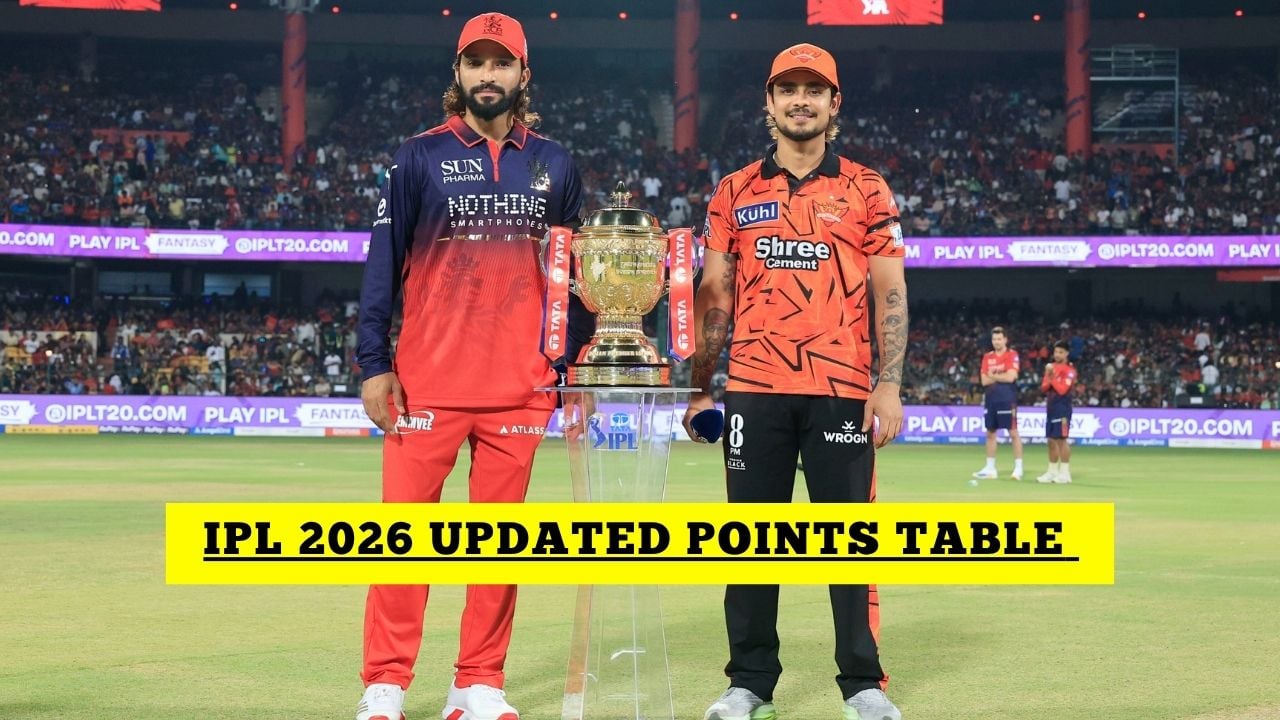
IPL Points Table 2026: Updated Standings, Orange Cap, Purple Cap After RCB vs SRH Match 1
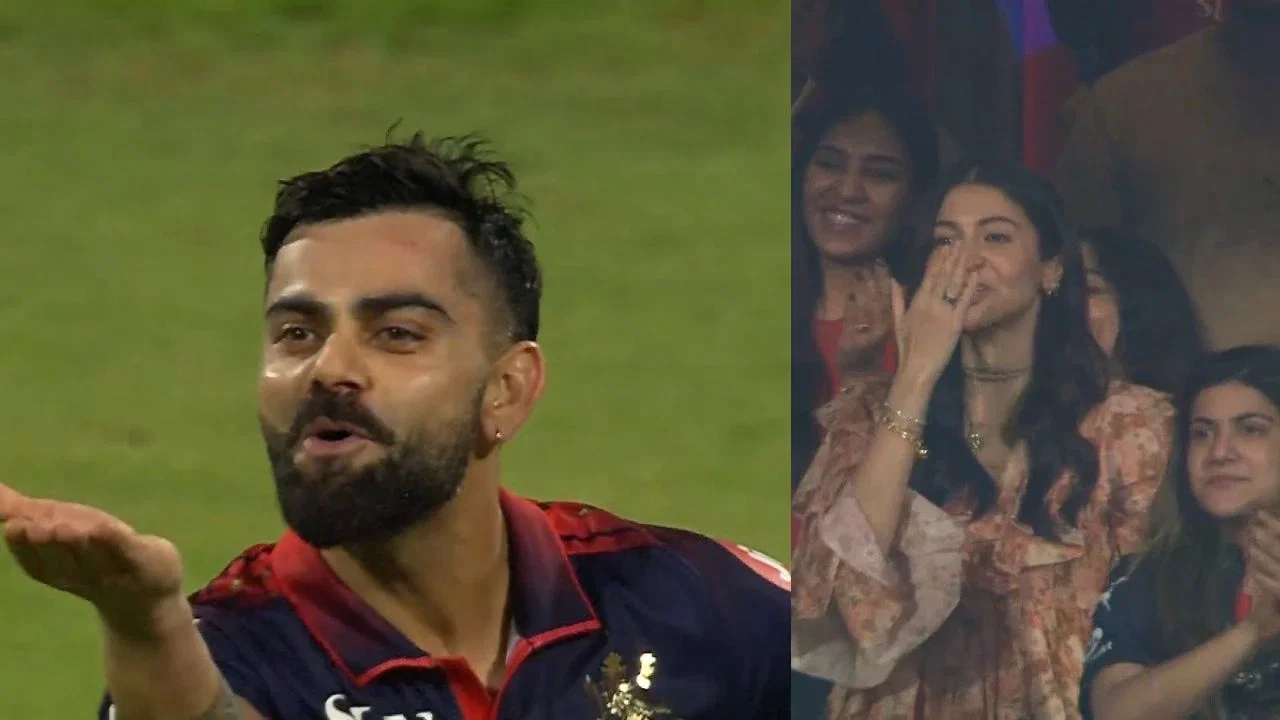
Virat Kohli, Anushka Sharma share adorable flying kiss moment after RCB vs SRH clash
“Absolutely world-class”: Virat Kohli backs Devdutt Padikkal for permanent Team India spot
Rajat Patidar refuses to comment on Virat Kohli; Ishan Kishan admits enjoying after SRH’s loss to RCB

Mumbai Indians suffer blow! Mitchell Santner, Will Jacks ruled out of IPL 2026 games
MI vs KKR Match Prediction – Who Will Win Match No.2? | IPL 2026
Mumbai Indians Playing XI vs Kolkata Knight Riders Playing XI- Match No. 2 | IPL 2026
MI vs KKR Match 2 Preview: Free Live Streaming, Pitch & Weather Report, Head-to-Head | IPL 2026
Not English cricket! Jos Buttler credits IPL for his success as a cricketer
“Nitish Kumar Reddy is biggest fraud”: Fans fume as SRH star fails vs RCB in IPL 2026 opener
Who is Abhinandan Singh? The Virat Kohli troublemaker who made his IPL debut for RCB vs SRH
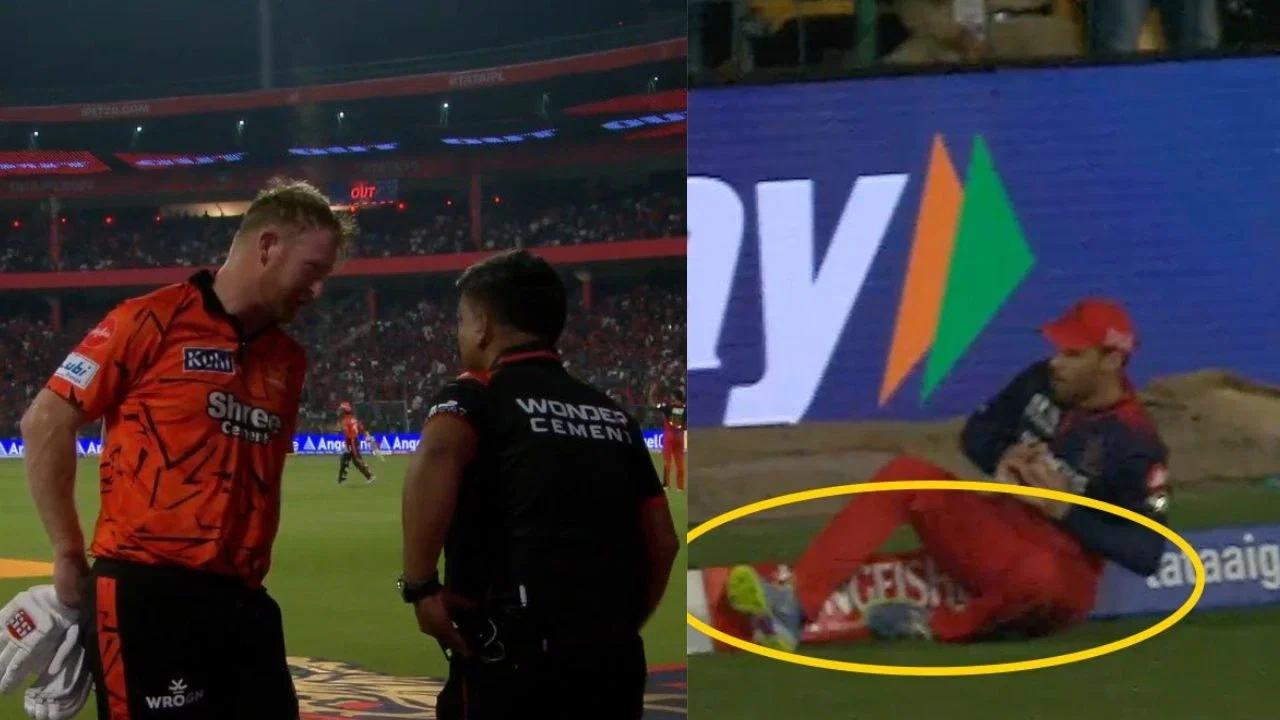
Heinrich Klaasen engages in heated chat with 4th umpire after Phil Salt’s controversial catch in IPL 2026
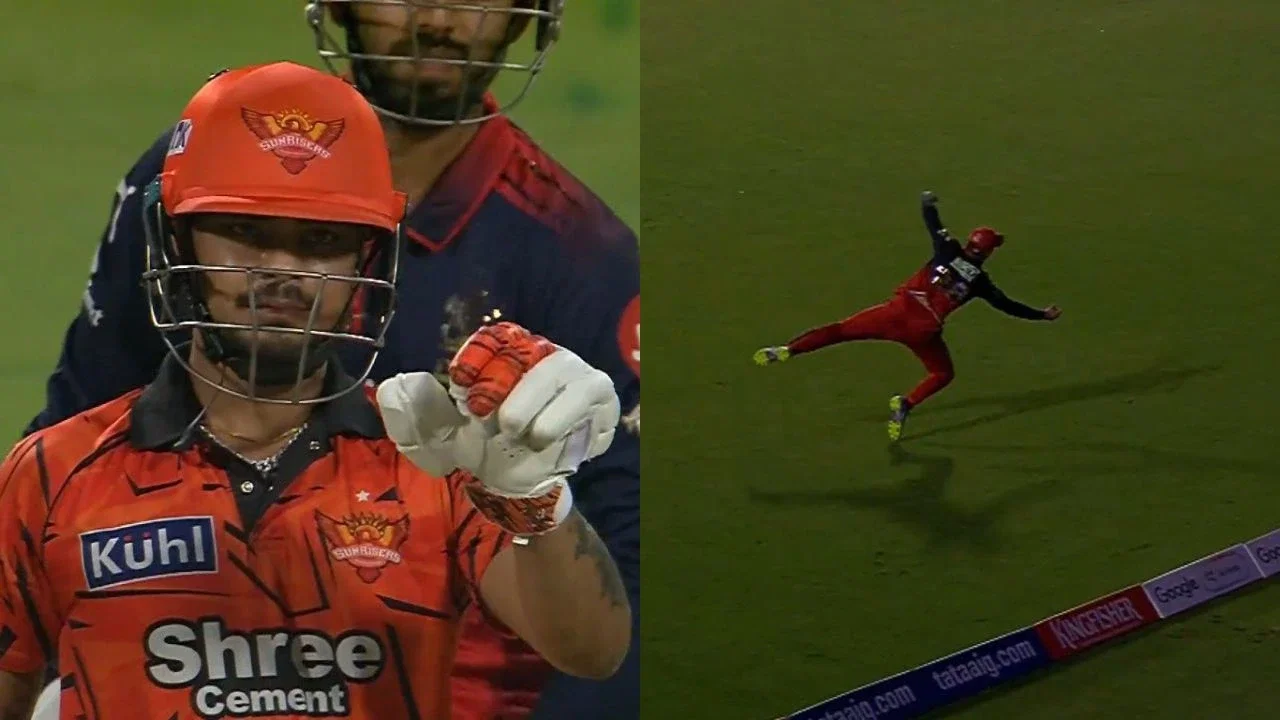
Phil Salt grabs one of the greatest catches in IPL history to dismiss Ishan Kishan