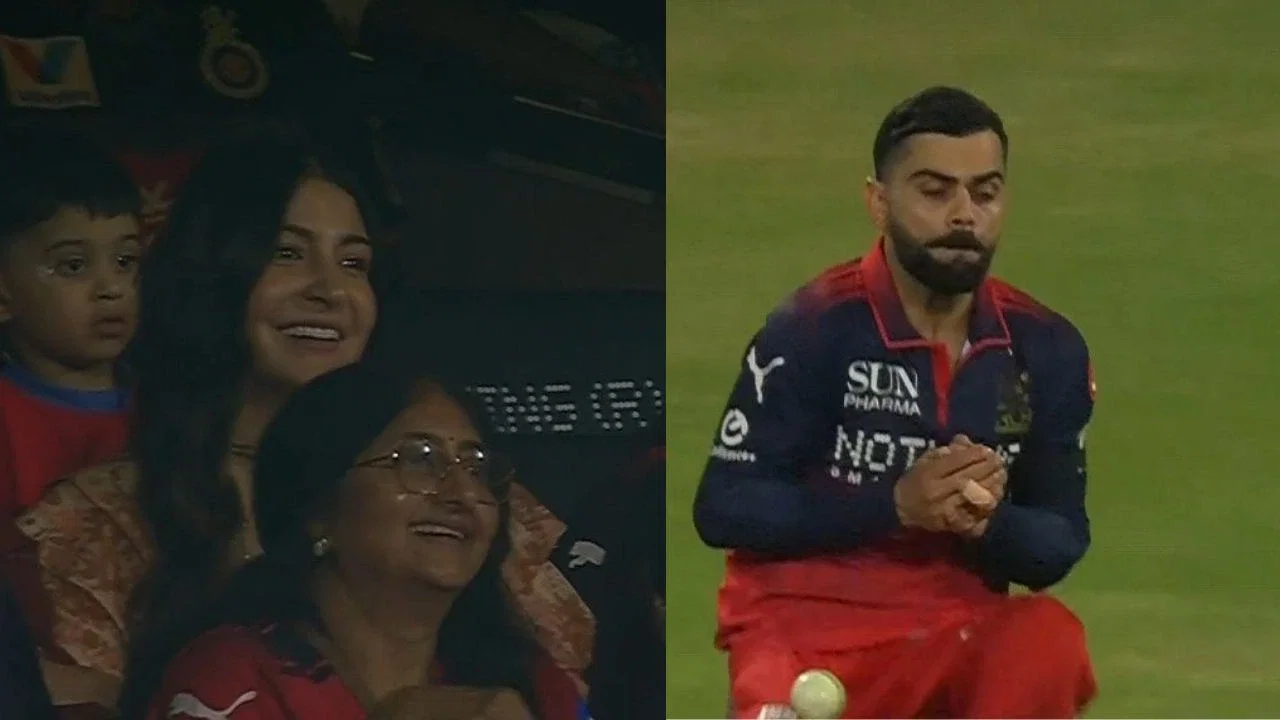
Pakistan announce India boycott after 2 consecutive losses even if they reach Asia Cup final
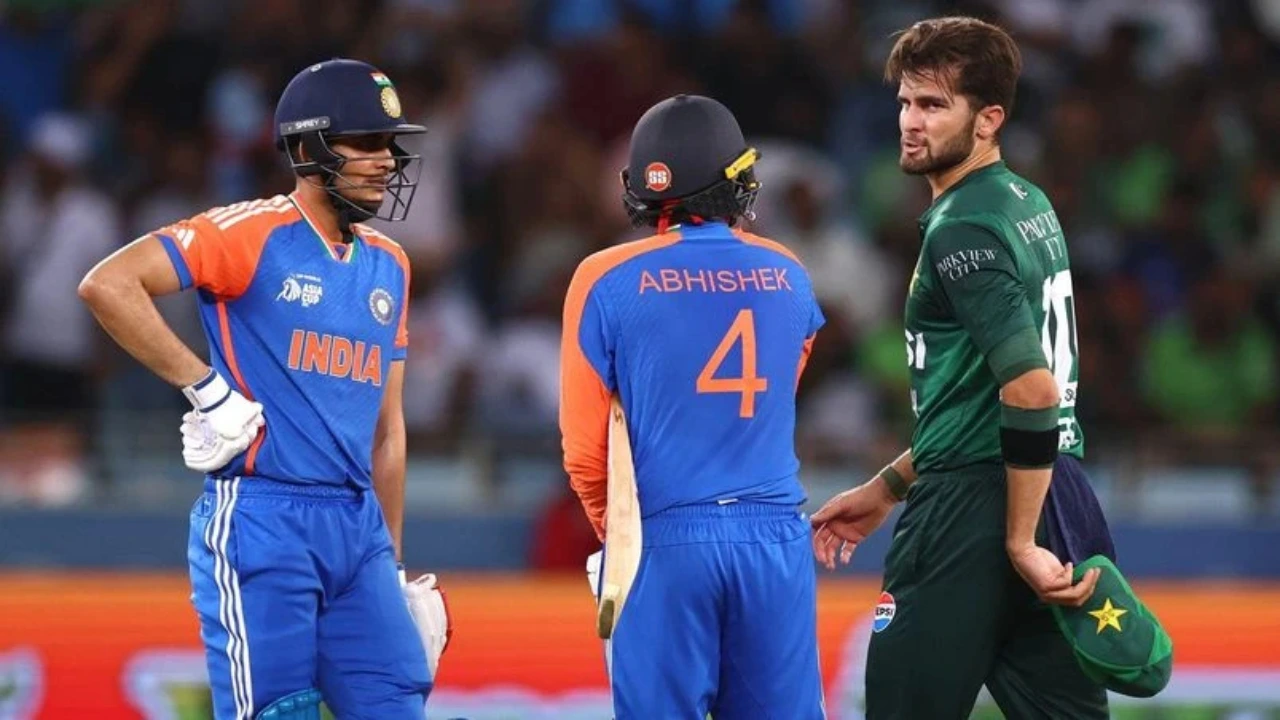
India’s Firm Stance Against Pakistan Continues in Asia Cup 2025
In a continuation of the no-handshake policy between India and Pakistan, Indian captain Suryakumar Yadav refrained from shaking hands with Pakistan captain Salman Ali Agha during the ongoing Asia Cup 2025. This gesture was observed both before and after the Super Four clash that took place on Sunday, September 21. Not only did Yadav avoid shaking hands, but his teammates followed suit, showcasing a clear message of the strained relations between the two cricketing nations.
After guiding India to victory in Dubai, Hardik Pandya and Tilak Varma engaged in a brief discussion upon returning to the dugout. The team then proceeded together towards the presentation area, making sure to stop and shake hands with the umpires on their way. However, a notable incident occurred when the team took a U-turn to avoid Pakistan. Salman Ali Agha was seen having a casual conversation with Mike Hesson near the presentation area, which is centrally located between both dugouts. Yadav also made no mention of Pakistan during the post-match presentation, further emphasizing the tension between the two teams.
Pakistan took a surprising turn by holding a post-match press conference on Sunday after previously canceling the pre-match press conference. During the post-match presentation ceremony, Salman shared his thoughts on his team’s loss to India, but only addressed questions from the Pakistani media while disregarding the Indian journalists present. This deliberate avoidance of Indian media has sparked speculation and raised questions about transparency and sportsmanship in the tournament.
As the controversy unfolds, many are looking to the Asian Cricket Council (ACC) to intervene and address the escalating issue between the two rival teams. The lack of communication and transparency in interactions between the teams and the media has become a growing concern that needs to be addressed promptly to maintain the spirit of fair play and sportsmanship in the tournament.
Meanwhile, Salman Ali Agha expressed Pakistan’s pursuit of the perfect game despite the defeat against India. He acknowledged India’s dominant performance in the powerplay but highlighted the positives of his team’s efforts. Salman emphasized the need to improve and aim for higher scores, believing that Pakistan fell short by 10-15 runs in the match against India. He commended the individual performances of players like Fakhar Zaman, Sahibzada Farhan, and Haris Rauf, signaling optimism for their next game against Sri Lanka.
India’s victory over Pakistan in the Asia Cup 2025 Super Four was a thrilling match where Abhishek Sharma’s explosive 74 off 39 balls and Shubman Gill’s 47 set the stage for a successful chase of Pakistan’s total of 172. The impressive 100-run partnership between Sharma and Gill paved the way for Tilak Varma’s unbeaten 30* to guide India to another well-deserved win over their arch-rivals. Despite Pakistan’s efforts, including Sahibzada Farhan’s half-century, India emerged victorious, showcasing their strength and determination on the field.
India-Pakistan Rivalry: A Deep-Seated Historical Context
The longstanding rivalry between India and Pakistan transcends the realm of cricket, with tensions rooted in a complex history of partition and political differences. The on-field gestures and interactions between the two teams during the Asia Cup 2025 reflect a broader narrative of strained diplomatic relations and deep-seated animosity that extends beyond the boundaries of the cricket pitch.
Historically, India and Pakistan have been embroiled in territorial disputes, ideological differences, and conflicts that have shaped their interactions on various fronts, including sports. The cricket matches between the two nations often serve as a microcosm of the larger geopolitical tensions, with each game carrying symbolic weight and emotional significance for fans on both sides of the border.
The no-handshake policy adopted by the Indian team and the deliberate avoidance of interactions with Pakistani counterparts underscore the sensitivity and intensity of the India-Pakistan cricket rivalry. These actions are not merely personal slights but rather symbolic gestures that reflect the deep-rooted animosity and historical grievances that shape the relationship between the two nations.
In the context of the Asia Cup 2025, the incidents involving the Indian and Pakistani teams highlight the multifaceted nature of the rivalry, encompassing not only on-field competition but also diplomatic posturing, media dynamics, and public perception. The actions and statements made by players and officials on both sides carry weight beyond the boundaries of the cricket ground, resonating with broader narratives of national pride, identity, and historical memory.
As the controversy surrounding the interactions between India and Pakistan in the Asia Cup 2025 unfolds, it serves as a reminder of the intricate web of politics, history, and emotions that underpin the rivalry between the two cricketing nations. While cricket provides a platform for sporting competition and camaraderie, it also serves as a mirror reflecting the deeper complexities and tensions that define the India-Pakistan relationship.
In navigating the challenges and sensitivities of the India-Pakistan rivalry, it is essential for all stakeholders, including players, officials, and fans, to engage in respectful dialogue, uphold the spirit of sportsmanship, and transcend divisive narratives that perpetuate animosity. By fostering mutual respect, understanding, and empathy, cricket can serve as a bridge for communication and reconciliation, transcending boundaries and fostering a sense of common humanity amidst the backdrop of historical conflict.
Ultimately, the India-Pakistan rivalry in cricket is a reflection of the broader historical and political context in which it is situated. As both nations continue to navigate their complex relationship on and off the field, the spirit of sportsmanship, mutual respect, and fair play should guide interactions and engagements, fostering a more inclusive and harmonious environment for cricket and beyond.
Latest News

SRH suffer huge blow! Daniel Vettori confirms another overseas pacer injured amid crisis
IPL Points Table 2026: Updated Standings, Orange Cap, Purple Cap After RCB vs SRH Match 1
Virat Kohli, Anushka Sharma share adorable flying kiss moment after RCB vs SRH clash
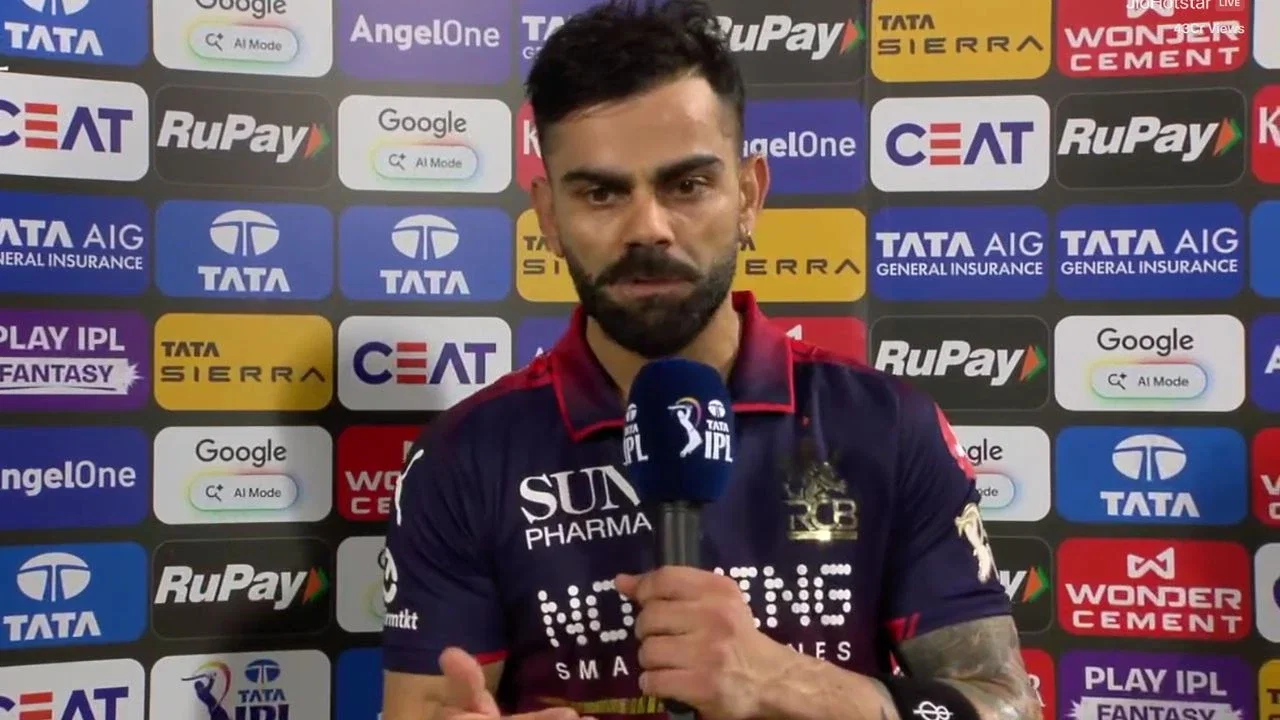
“Absolutely world-class”: Virat Kohli backs Devdutt Padikkal for permanent Team India spot
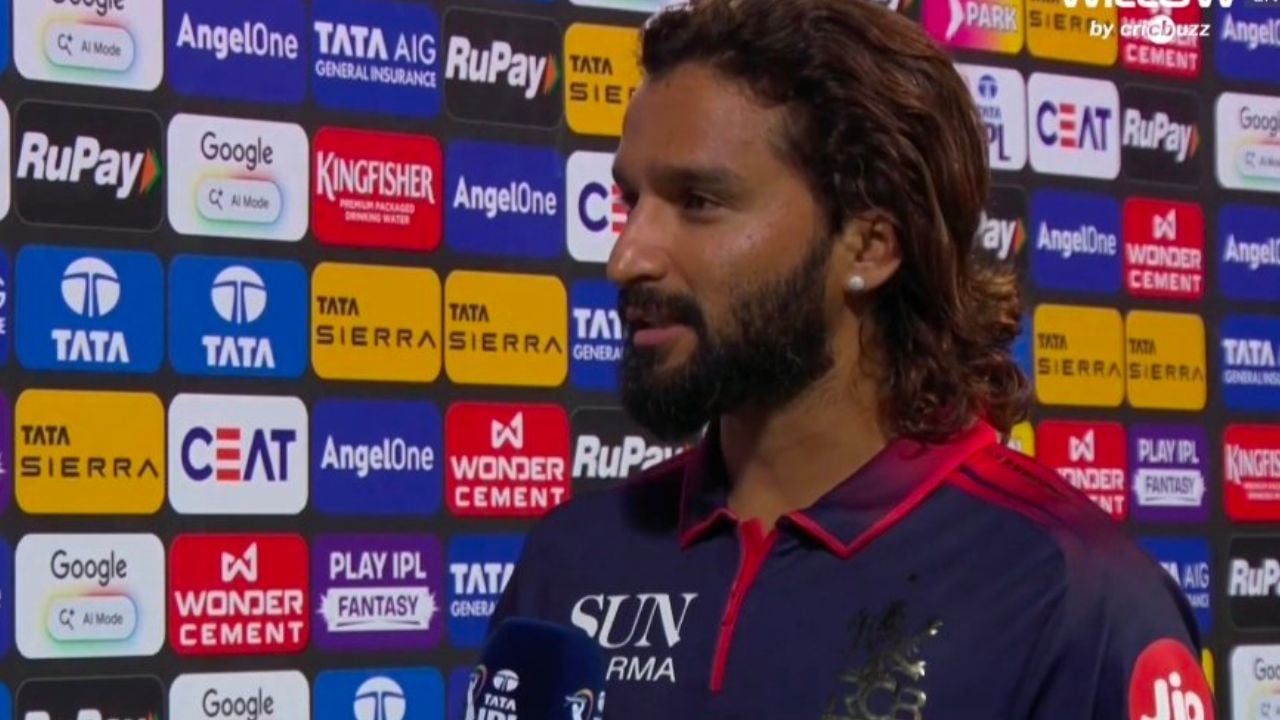
Rajat Patidar refuses to comment on Virat Kohli; Ishan Kishan admits enjoying after SRH’s loss to RCB

Mumbai Indians suffer blow! Mitchell Santner, Will Jacks ruled out of IPL 2026 games
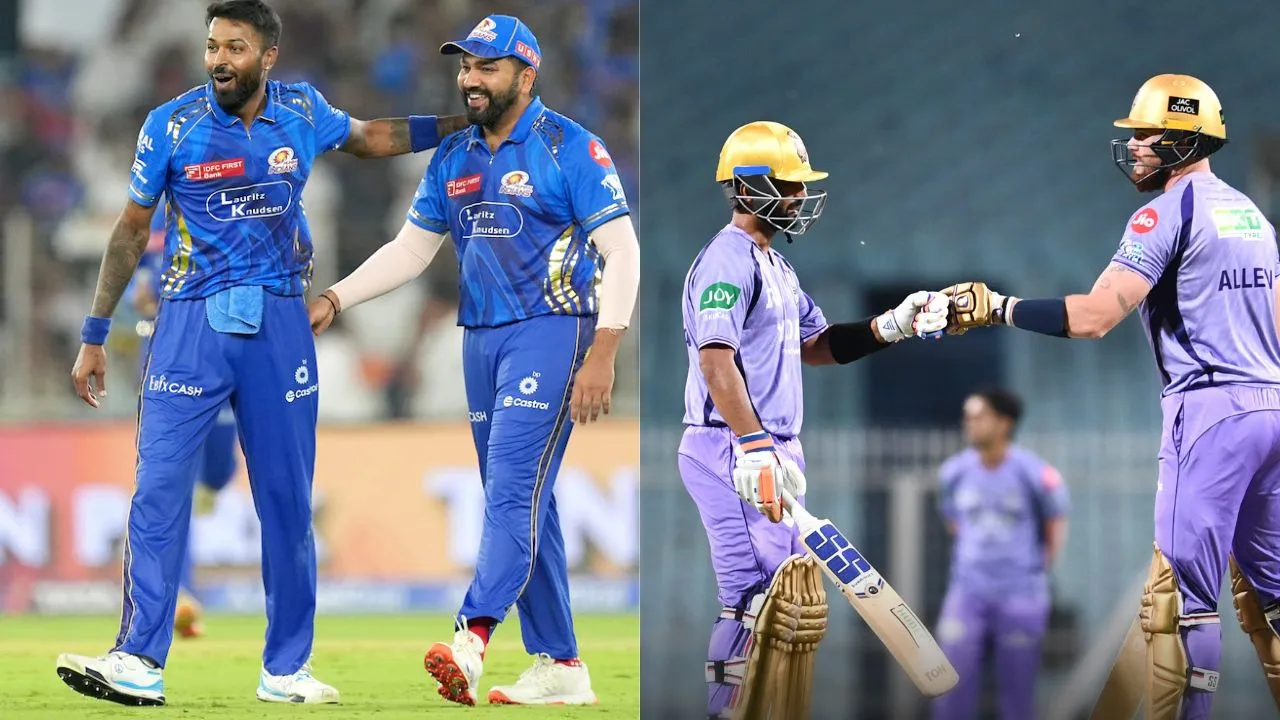
MI vs KKR Match Prediction – Who Will Win Match No.2? | IPL 2026
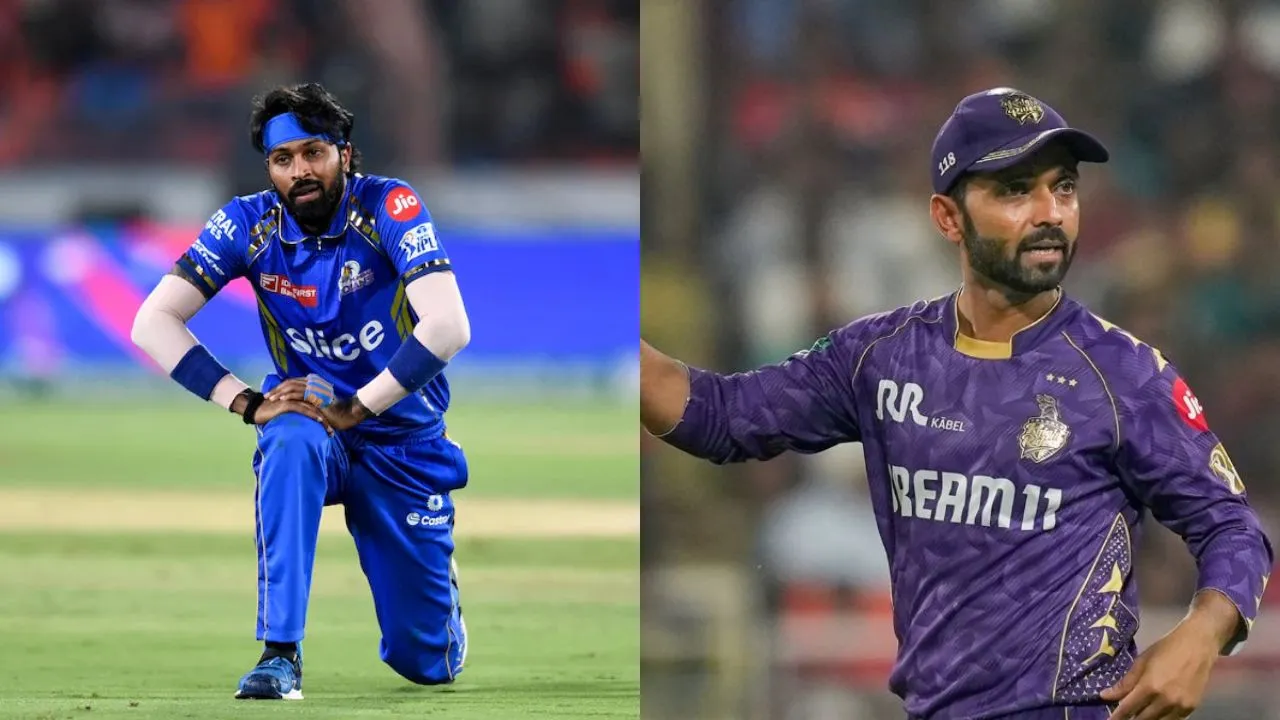
Mumbai Indians Playing XI vs Kolkata Knight Riders Playing XI- Match No. 2 | IPL 2026
MI vs KKR Match 2 Preview: Free Live Streaming, Pitch & Weather Report, Head-to-Head | IPL 2026
Not English cricket! Jos Buttler credits IPL for his success as a cricketer
“Nitish Kumar Reddy is biggest fraud”: Fans fume as SRH star fails vs RCB in IPL 2026 opener
Who is Abhinandan Singh? The Virat Kohli troublemaker who made his IPL debut for RCB vs SRH
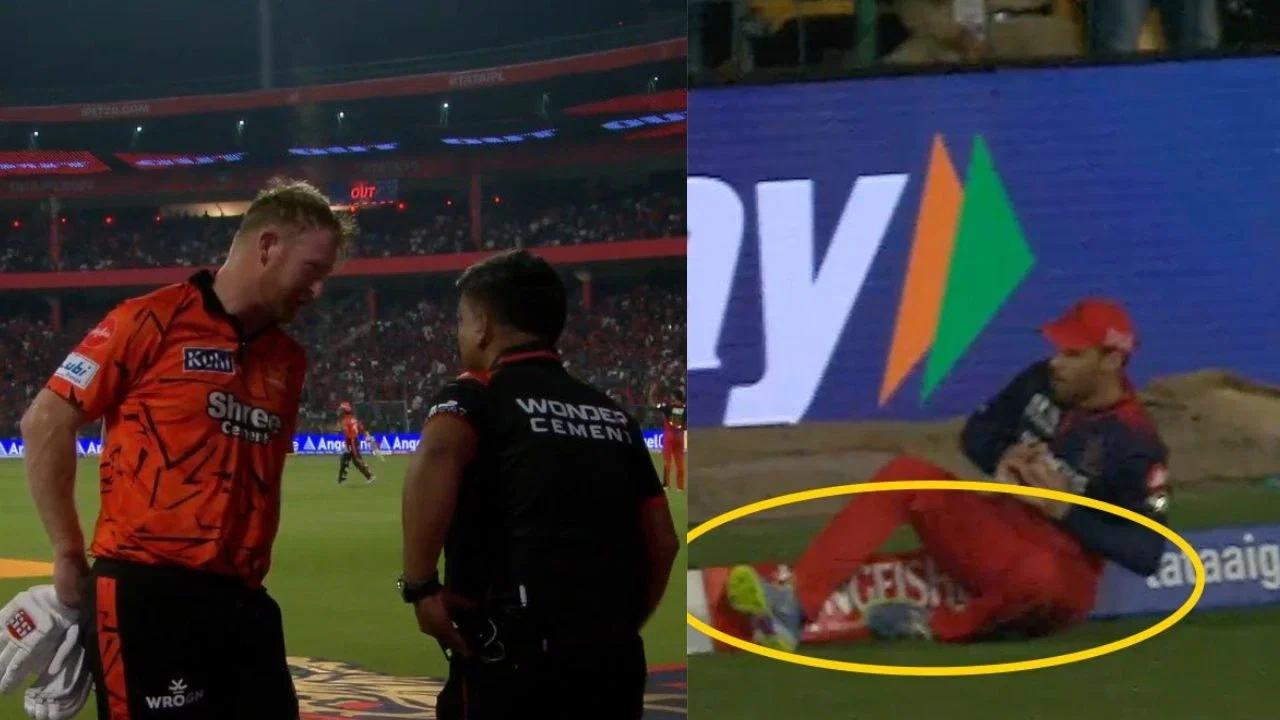
Heinrich Klaasen engages in heated chat with 4th umpire after Phil Salt’s controversial catch in IPL 2026
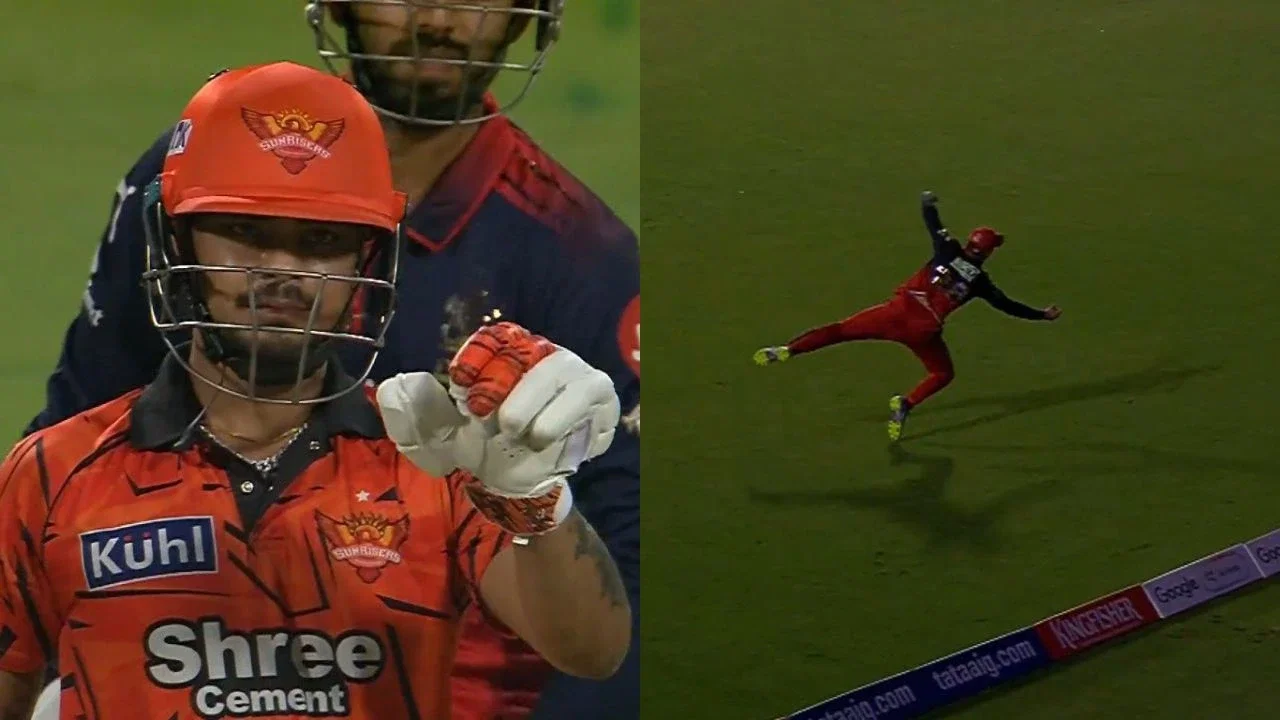
Phil Salt grabs one of the greatest catches in IPL history to dismiss Ishan Kishan