Pakistan Cricket Board in fresh trouble as Jason Gillespie exposes Mohsin Naqvi
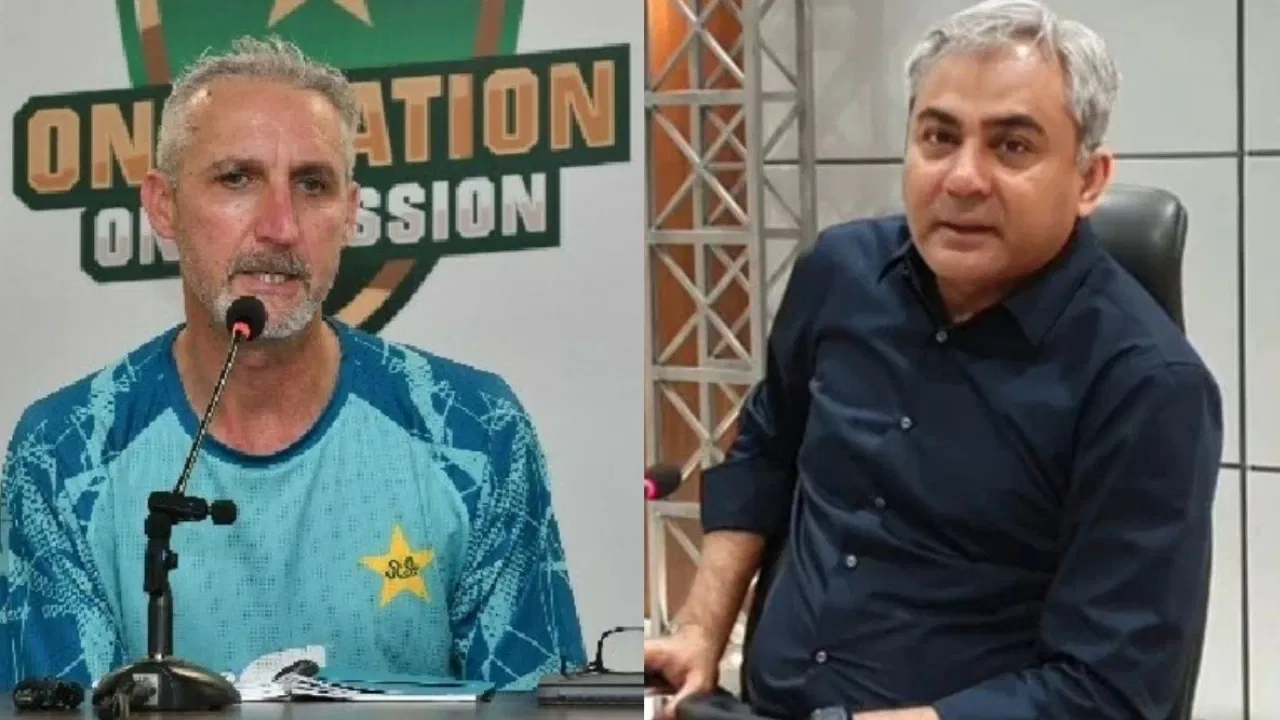
PCB Controversy: Gillespie Reveals Chairman’s Lack of Interest in Team-Building Camp
Former red-ball head coach, Jason Gillespie, has once again stirred controversy within the Pakistan Cricket Board (PCB) by making sensational revelations from his time with the team. Gillespie recently accused PCB Chairman Mohsin Naqvi of displaying zero interest in a critical team-building session, known as the “Connection Camp.”
Gillespie’s Claims
Gillespie shed light on the efforts he and white-ball coach Gary Kirsten put into attending and contributing to the Connection Camp, which was designed to foster trust and unity among players and coaching staff. Despite their dedication, Gillespie revealed that Naqvi was noticeably absent both physically and in terms of engagement during the camp.
During a podcast, Gillespie expressed his disappointment, stating, “Gary came up with this great idea of a connection camp. I flew in from Australia, Gary flew in from South Africa, and Chairman Mohsin Naqvi dialed in on Zoom.” He further emphasized how unusual it was that Naqvi couldn’t make a short 20-minute drive while coaches traveled across continents to attend.
According to Gillespie, Naqvi’s absence at the crucial team-building exercise sent a disappointing message to the national team and support staff, highlighting a lack of leadership and commitment from the PCB chairman.
PCB’s Tri-Series Plans Amid Asia Cup Uncertainty
As the future of the Asia Cup 2025 remains uncertain due to rising political tensions and security concerns in the region, the Pakistan Cricket Board has begun exploring backup plans. With India scheduled to host the ACC event, doubts have arisen following a recent terror attack in Kashmir and escalating tensions between India and Pakistan.
Given the circumstances, the PCB is now in discussions with the Afghanistan Cricket Board (ACB) to potentially organize a tri-series involving the UAE as hosts. This alternative plan would come into play if the Asia Cup 2025 is officially canceled, allowing Pakistan to continue their cricketing engagements under a hybrid model agreed upon by the ACC.
Top players like Fakhar Zaman, Mohammad Rizwan, Saim Ayub, Salman Ali Agha, Saud Shakeel, Shadab Khan, and Shan Masood had participated in the recent team-building session organized by the PCB with the aim of enhancing communication, teamwork, and overall performance within the national team.
In light of these developments, the PCB is actively preparing for various scenarios to ensure that Pakistan’s cricketing commitments remain unaffected amidst the ongoing uncertainties surrounding major tournaments in the region.
Stay tuned for further updates on the evolving situation within the Pakistan Cricket Board and the future of international cricket fixtures involving the national team.
Importance of Team-Building in Cricket
Team-building exercises are crucial in cricket as they help foster unity, trust, and communication among players and coaching staff. These sessions go beyond physical training and skill development, focusing on building strong relationships and a cohesive team dynamic. In a sport like cricket where teamwork is essential for success, a united team is more likely to perform well under pressure and overcome challenges effectively.
By investing time and effort in team-building activities, cricket teams can improve morale, motivation, and overall performance on the field. Effective communication, mutual respect, and a sense of camaraderie are all key elements that contribute to a successful team culture in cricket.
Challenges Faced by Cricket Boards in Tournament Planning
Organizing international cricket tournaments involves complex logistics, including coordinating schedules, securing venues, and ensuring the safety and security of players and officials. Political tensions, security threats, and unforeseen events can disrupt tournament plans, leading cricket boards to explore alternative options to fulfill their commitments.
In the case of the Asia Cup 2025, the uncertainty surrounding the event due to geopolitical issues highlights the challenges faced by cricket boards in planning and executing major tournaments. Flexibility, adaptability, and proactive communication are essential for cricket boards to navigate unpredictable situations and ensure the continuity of cricketing engagements.
The Role of Leadership in Cricket Administration
Leadership plays a crucial role in cricket administration, setting the tone for the organization’s culture, vision, and values. Effective leaders prioritize communication, transparency, and accountability, fostering trust and collaboration within the team and across stakeholders.
In the context of Gillespie’s revelations regarding PCB Chairman Mohsin Naqvi’s lack of interest in team-building activities, it raises questions about leadership commitment and engagement within the organization. Strong leadership is essential for creating a supportive and inclusive environment that promotes teamwork, development, and success in cricket.
Looking Ahead: Strategic Planning in Cricket
As cricket boards navigate uncertainties and challenges in tournament planning, strategic foresight and contingency planning are crucial for ensuring the sustainability and growth of the sport. By exploring alternative options, engaging with stakeholders, and prioritizing the well-being of players and staff, cricket boards can adapt to changing circumstances and maintain a competitive edge in the global cricketing landscape.
As fans and stakeholders await updates on the future of international cricket fixtures involving Pakistan, the evolving situation within the Pakistan Cricket Board highlights the importance of effective leadership, communication, and strategic decision-making in cricket administration.
Stay tuned for further developments and insights on the dynamic world of cricket administration and international cricket tournaments.
Latest News
Irfan Pathan questions Arshdeep Singh’s bowling ahead of IPL 2026
“Mind is somewhere else”: Yuvraj’s Father exposes Abhishek Sharma’s indiscipline lifestyle

EX-RCB pacer joins KKR as replacement of Harshit Rana ahead of IPL 2026

“Win our first trophy”: Sanjiv Goenka crowns LSG as champions ahead of IPL 2026
New catching rule? Captains warned over ‘Incomplete’ catches ahead of IPL 2026

Pat Cummins in awe of Ishan Kishan’s captaincy

Ex-India star accuses teammates of ‘Racism’, blames it for early international exit
“I love watching Shreyas Iyer bat” – PBKS all-rounder Cooper Connolly ahead of IPL 2026
Yograj Singh gives Ravichandran Ashwin belt treatment because of Arjun Tendulkar remarks
CSK legend advises Shubman Gill the best way to bounce back in T20I team
Jasprit Bumrah Injury Scare, reason behind visit to CoE revealed
“Didn’t invite me”: R Ashwin puts Kuldeep Yadav in spotlight over wedding snub
Ireland Cricket announced the full list of central contracts for the 2026-27 season
Gautam Gambhir gets court protection against deep fake allegations