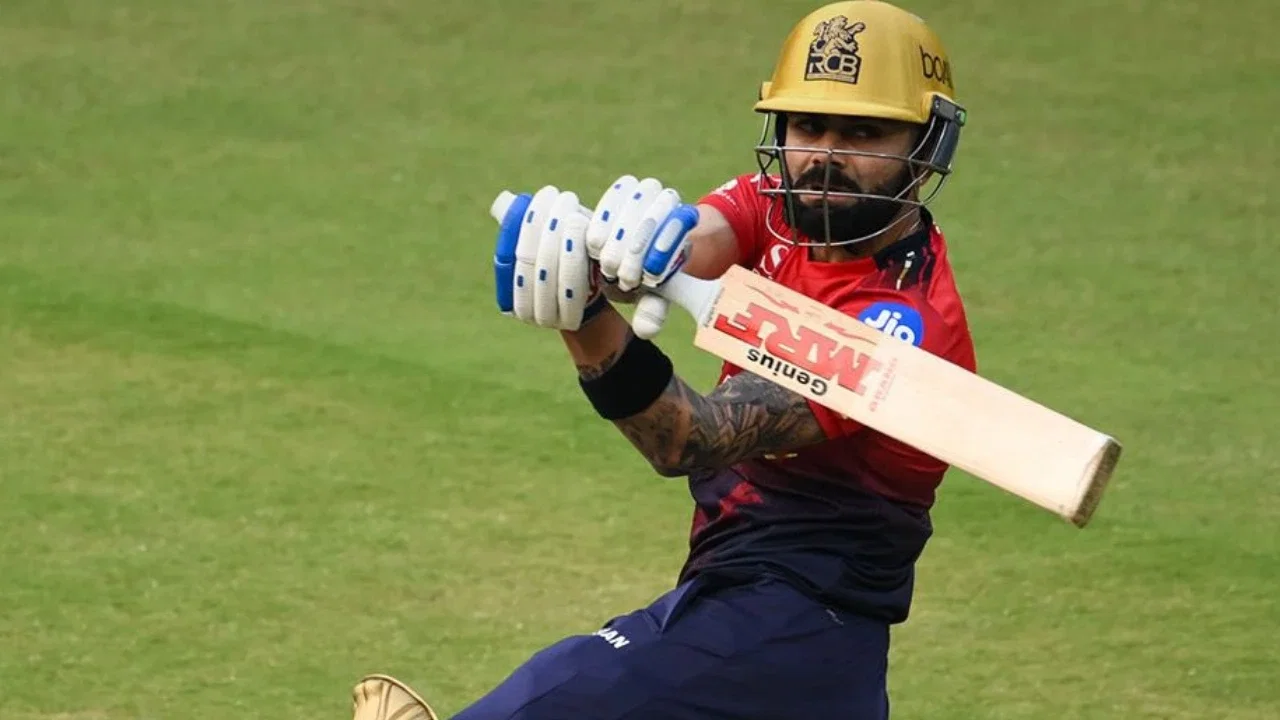
Pakistan Cricket Team captain found in Match Fixing and Corruption scandal
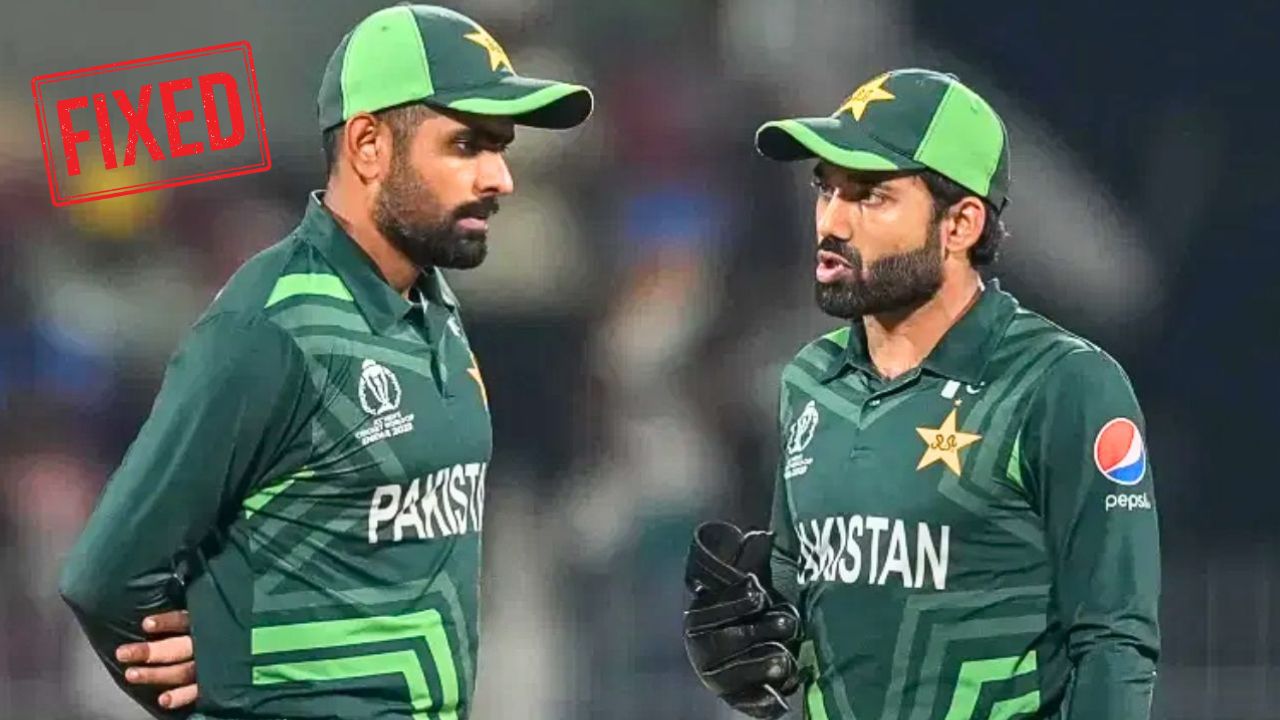
Former Pakistan Captain Involved in Shocking Cricket Scandal
A recent scandal has rocked the cricket world, linking a former Pakistan captain to corrupt agent Mughiz Ahmed Sheikh. While the captain’s identity remains undisclosed in the Cricket Pakistan report, it is speculated that he holds a significant role in Pakistan’s national cricket setup. Allegations suggest that the ex-captain played a pivotal part in persuading young cricketers to sign contracts with Sheikh’s agency, the International Cricketers Association (ICA).
Sheikh’s involvement in the scandal came to light when he was found guilty of multiple violations of the England and Wales Cricket Board’s (ECB) anti-corruption code, resulting in his suspension. An investigation revealed that Sheikh, who was also a registered player agent with the ECB, attempted to bribe a British coach to secure spots for his favored players on the team. The coach promptly reported the incident, leading to a thorough inquiry.
Repercussions and Player Reactions
Following the investigation and a tribunal hearing, Sheikh was found guilty of four breaches of the ECB’s anti-corruption code, although the duration of his ban is pending. In response to the scandal, several prominent Pakistani players have distanced themselves from ICA, including rising talents like Abdullah Shafique, Mohammad Huraira, and others.
Even former captains Sarfaraz Ahmed and Wahab Riaz have severed ties with ICA, opting to join Game Sports Management for a fresh start away from the tainted organization. While the Pakistan Cricket Board (PCB) has yet to make an official statement, the International Cricket Council (ICC) member boards, including Pakistan, are expected to uphold any sanctions imposed by the ECB.
Implications for the Cricket Community
Notably, a significant number of Pakistan’s centrally contracted players were associated with ICA, raising concerns about the extent of the scandal’s impact on the cricket community. Players like Imam ul Haq, Mohammad Haris, Sarfaraz Ahmed, and others have also been linked to the agency, prompting a reevaluation of player-agent relationships within the sport.
Amidst these controversies, the Pakistan national team has faced a setback with opener Usman Khan ruled out of the second ODI against New Zealand due to a hamstring injury. The 29-year-old sustained the injury while fielding during the first ODI, confirming his unavailability for the upcoming match at Seddon Park in Hamilton.
This scandal serves as a stark reminder of the importance of integrity and transparency in cricket, urging authorities and players alike to uphold the values of fair play and sportsmanship in the game.
Unveiling the Ripples of the Scandal
The shockwaves of the scandal involving the former Pakistan captain and corrupt agent Mughiz Ahmed Sheikh have reverberated not only within the cricket community but also among fans and stakeholders of the sport. The revelation of such misconduct raises questions about the broader implications of corruption in cricket and the measures needed to safeguard the integrity of the game.
One key aspect that has come to light is the vulnerability of young cricketers to exploitation by unscrupulous agents seeking to gain influence and control over promising talent. The case underscores the need for stringent regulations and oversight to protect players, especially those at the early stages of their careers, from falling prey to nefarious practices.
Building Trust and Accountability
As cricket authorities grapple with the fallout from the scandal, there is a growing emphasis on fostering a culture of transparency and accountability within the sport. Establishing robust mechanisms for monitoring player-agent relationships, conducting regular integrity checks, and promoting ethical conduct among all stakeholders are crucial steps towards rebuilding trust and safeguarding the reputation of cricket.
Moreover, the incident serves as a wake-up call for players to exercise due diligence and caution when engaging with agents and representatives. By prioritizing integrity and ethical behavior, athletes can mitigate the risks of being embroiled in fraudulent schemes and uphold the values of sportsmanship that define the spirit of cricket.
Looking Ahead: Lessons Learned and Path Forward
While the scandal has cast a shadow over the cricketing landscape, it also presents an opportunity for reflection and reform within the industry. By learning from past mistakes and implementing stringent anti-corruption measures, cricket can emerge stronger and more resilient against future threats to its integrity.
The onus is now on cricket authorities, players, and agents to collaborate in rooting out corruption, promoting transparency, and upholding the principles of fairness and honesty that lie at the heart of the sport. Through a collective commitment to ethical standards and good governance, cricket can reinforce its reputation as a game of integrity and uphold the trust of its global fan base.
As the cricket world navigates the aftermath of this scandal, it underscores the ongoing need for vigilance, diligence, and a steadfast dedication to preserving the purity of the game. By working together towards a shared vision of integrity and accountability, cricket can continue to inspire and captivate audiences worldwide for generations to come.
Latest News

Josh Hazlewood lands in India before IPL 2026
“Franchises run out of patience”: Irfan Pathan issues strict warning to Mayank Yadav
Sanjiv Goenka breaks silence on Rishabh Pant’s rumoured sacking as LSG captain
Revealed: Why BCCI didn’t give BGT matches to Wankhede and Eden Gardens?
Not Virat Kohli! Rajat Patidar reveals Jitesh Sharma helped him most in RCB captaincy
“Does MS Dhoni still have the ability to…” – Ex-CSK star raises serious questions
NOT Virat Kohli! Sourav Ganguly picks greatest ever Indian captain
“Should not play”: CSK legend suggests MS Dhoni to skip IPL 2026
Jitesh Sharma spills secret bond with PBKS owner ahead of IPL 2026
Star CSK spinner signs deal with new team ahead of IPL 2026
Shaheen Afridi lashed out at journalists after asked about Pakistan Team during PSL press-conference
IPL 2026 full schedule out! BCCI announces second phase fixtures
Virat Kohli’s explosive threat during coach’s conspiracy revealed: “Will beat the living hell out of…”
Dinesh Karthik can become head coach of India, England or Australia: Jitesh Sharma makes bold claim