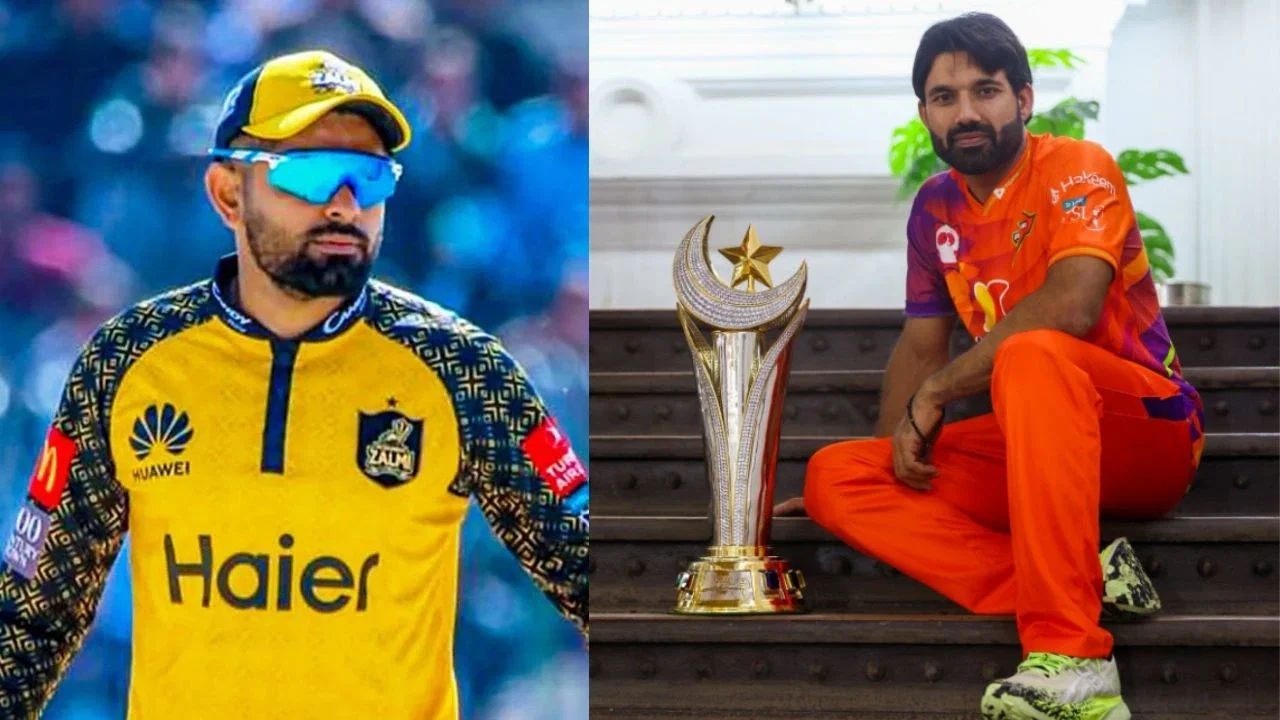
Pakistan cricketers facing global ban! Full list of leagues where Indian owners are shutting doors
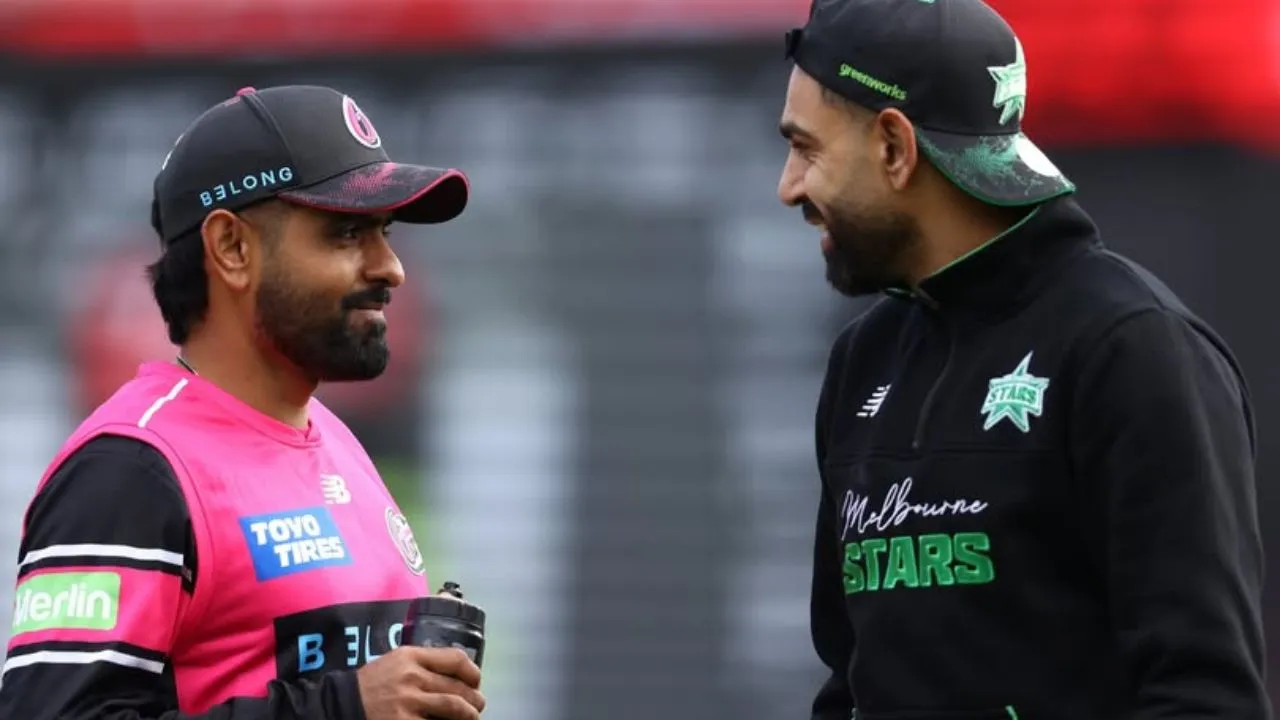
India-Pakistan T20 World Cup 2026 Highlights Franchise Cricket Tensions
The recently concluded India-Pakistan 2026 T20 World Cup was a success, showcasing thrilling cricket matches between the two arch-rivals. However, tensions between India and Pakistan do not seem to be easing, especially in the world of franchise cricket.
Pakistani Players Excluded from Indian-Owned Franchises
According to reports from the BBC, Pakistani cricketers are facing exclusion from Indian-owned sides in the upcoming Hundred auction. Despite some Pakistani players having participated in leagues like the Hundred and others worldwide, they are being overlooked by franchises with Indian ownership.
Since 2009, Pakistani players have been absent from the TATA Indian Premier League (IPL) due to diplomatic tensions between the two nations. While the IPL remains off-limits for Pakistani players, franchises like Manchester Super Giants, MI London, Southern Brave, and Sunrisers Leeds in the Hundred have at least partial ownership by companies linked to IPL franchises.
Pakistani Players’ Future in Franchise Cricket
The future looks bleak for Pakistani players in franchise cricket, with Indian-owned teams dominating leagues around the world. For instance, in South Africa’s SA20 league, six teams have Indian owners, and the same goes for the ILT20 format. Even in the USA’s MLC league, four teams have ties to Indian ownership.
Furthermore, the Caribbean Premier League has three teams owned by Indians, and even the Big Bash League (BBL) in Australia is set to have Indian owners soon. New Zealand is also launching a league controlled by Indian interests. This leaves Pakistani players with limited opportunities outside leagues like the Bangladesh Premier League (BPL) and the Pakistan Super League (PSL).
Anti-Pakistan Policy in Franchise Leagues?
There seems to be an unwritten rule in T20 competitions with Indian investments that limits the interest in Pakistani players. A senior ECB member suggested that teams not associated with the IPL might show more interest in Pakistani players. This policy does not align with the ECB’s anti-discrimination stance, as expressed by CEO Richard Gould last year.
While three out of the four franchise ownership groups involved have remained silent on the matter, James Sheridan from Manchester Super Giants emphasized the focus on assembling the best squads for competition. The ECB spokesperson reiterated that The Hundred welcomes players from all over the world, with nearly 1,000 cricketers from 18 nations registered for the upcoming auction.
BCCI’s Stance on Women Cricketers in Franchise Leagues
Interestingly, the Board of Control for Cricket in India (BCCI) only allows its women cricketers to participate in franchise leagues outside the IPL. Men’s team members are restricted from featuring in any other league until retirement from international cricket. This policy could potentially impact the participation of women cricketers in leagues where Pakistani players are involved.
The ongoing tensions and exclusions in franchise cricket between India and Pakistan highlight broader geopolitical issues affecting sports and player opportunities. As the cricketing world evolves, it remains to be seen how these dynamics will impact the game’s global landscape.
Impact of Political Tensions on Cricket
The exclusion of Pakistani players from Indian-owned franchises in various cricket leagues sheds light on the deep-rooted political tensions between India and Pakistan. Cricket, often seen as a uniting force in the region, has unfortunately become entangled in the geopolitical complexities of the two nations.
Historically, cricket has been used as a platform for diplomacy between India and Pakistan. The sport has the power to bring people together across borders and foster goodwill. However, in recent times, political disputes have spilled over into the cricketing arena, creating barriers for players and limiting opportunities for cross-border interactions.
Opportunities for Diplomatic Engagement
While the current scenario presents challenges for Pakistani players in franchise cricket, it also opens up opportunities for diplomatic engagement. Sports diplomacy has the potential to bridge divides and build mutual understanding between nations. By encouraging greater collaboration in cricketing events, India and Pakistan can work towards easing tensions and promoting a spirit of sportsmanship.
International cricketing bodies, such as the International Cricket Council (ICC), can play a crucial role in facilitating dialogue between India and Pakistan. By promoting inclusivity and fair opportunities for players from both nations, the ICC can help steer the sport towards a more harmonious and inclusive future.
Exploring Alternative Avenues for Players
Given the challenges faced by Pakistani players in Indian-owned franchises, it becomes imperative to explore alternative avenues for their participation in international leagues. Cricket boards in countries outside of India can step up and create opportunities for Pakistani players to showcase their talent on a global stage.
Additionally, the establishment of independent leagues that are not influenced by political tensions can provide a platform for players from India and Pakistan to compete without restrictions. These leagues can serve as symbols of unity and collaboration, transcending national boundaries and promoting a shared love for the sport.
Looking Towards a Unified Future
As cricket continues to evolve and expand globally, it is essential to address the challenges faced by players caught in the crossfire of political tensions. By advocating for inclusivity, fairness, and mutual respect in the cricketing world, we can pave the way for a more unified and harmonious future for the sport.
Ultimately, the spirit of cricket lies in its ability to transcend differences and bring people together in a shared passion for the game. By embracing this spirit and promoting a culture of inclusivity, we can hope to see a future where players from all backgrounds have equal opportunities to shine on the international stage, regardless of geopolitical boundaries.
By addressing the geopolitical issues affecting cricket, promoting dialogue and collaboration, and advocating for inclusivity in the sport, we can work towards a future where cricket serves as a beacon of unity and goodwill between nations.
Latest News
Naseem Shah charged with central contract violation during PSL 2026
MS Dhoni out of IPL 2026, has not recovered from calf strain
Jasprit Bumrah set to lead MI attack in blockbuster IPL 2026 clash vs KKR
Mitchell Starc to miss IPL 2026, wife Alyssa Healy drops massive update on injury
Nick Knight rejects PSL to join IPL commentary panel
MS vs ISU Match Prediction, Pitch & Weather Report, Playing XIs, Head-to-Head, Free Live Streaming – PSL 2026 Match 4
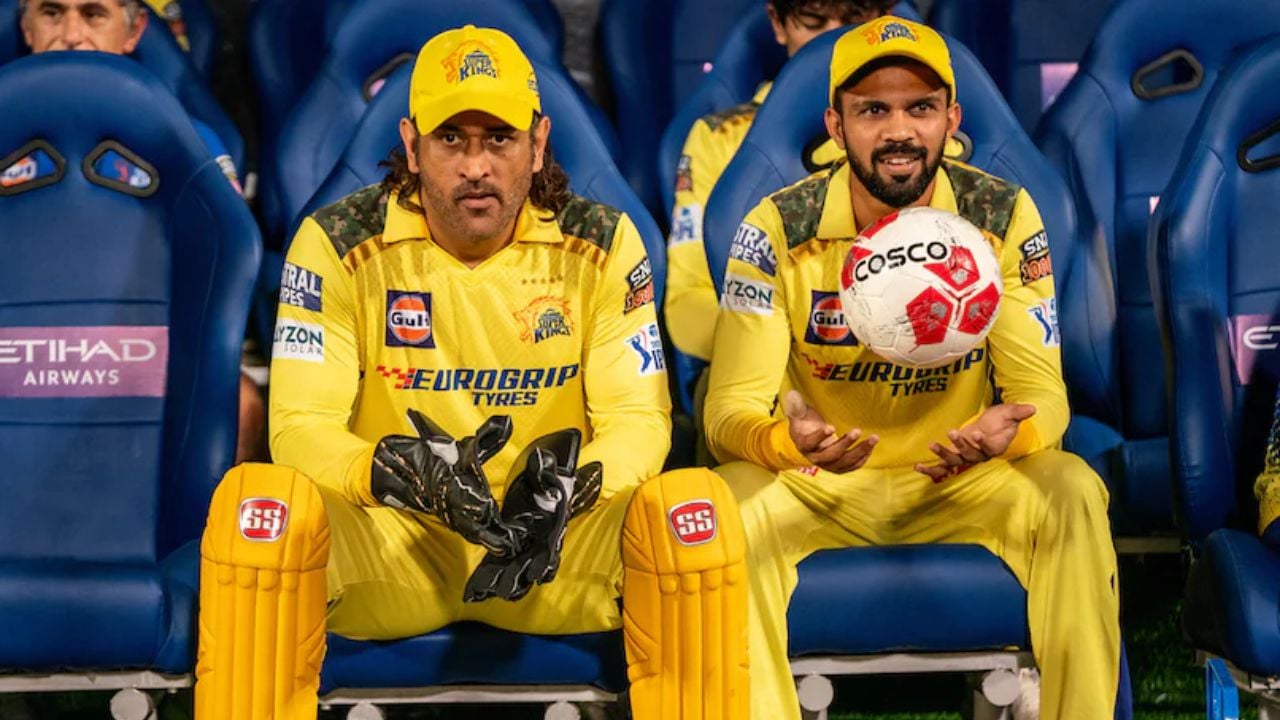
“MS Dhoni doesn’t attend team discussions” – Ruturaj Gaikwad makes stunning revelationtaincy Role

Ben Duckett breaks silence on Noosa Clip scandal, calls it ‘Worst’ moment in cricketing career
“IPL players are grossly underpaid”: Ex-CSK star calls out BCCI
Ahmed Shehzad summoned as former Pakistan skipper takes legal action over serious allegations
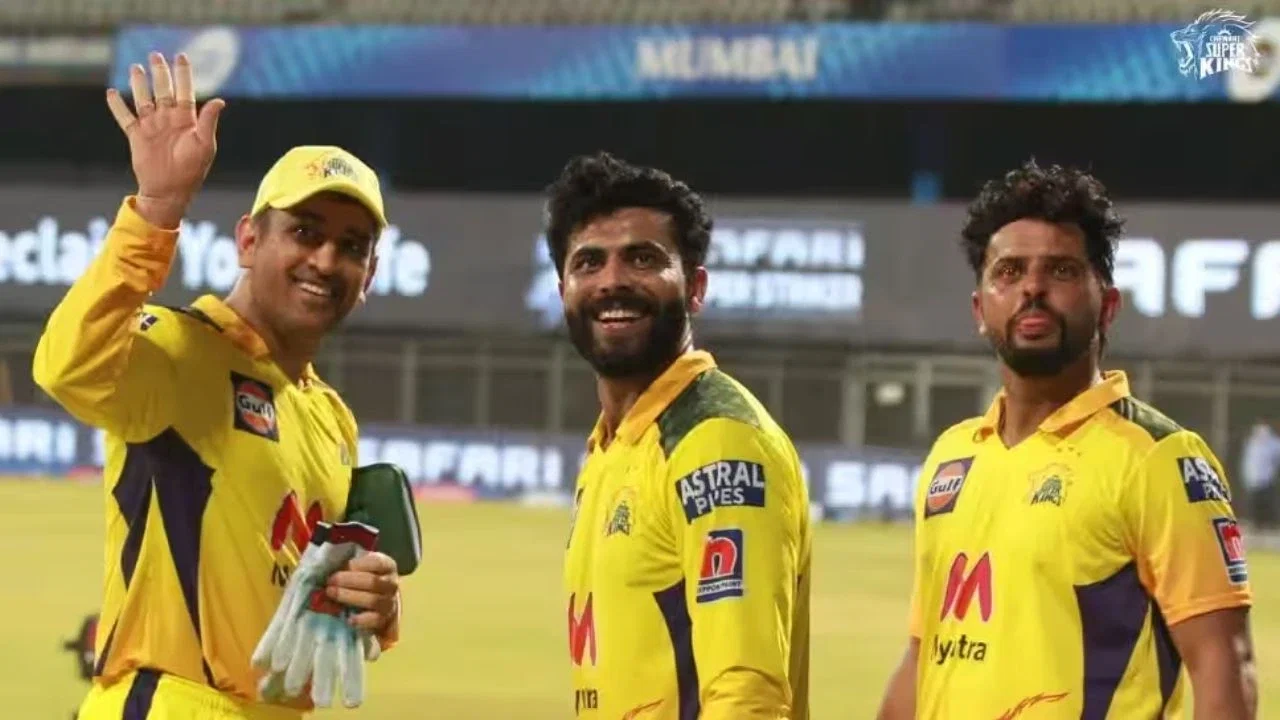
CSK to feature without their legendary duo MS Dhoni and Suresh Raina for the first time
Ishan Kishan set to create history as SRH captain in IPL 2026 opener against RCB
RCB Playing XI vs SRH Playing XI – Match No. 1 | IPL 2026
Delhi Capitals IPL 2026 Full Schedule: DC Fixtures, Dates, Timings and Venues | Squad and Coaches