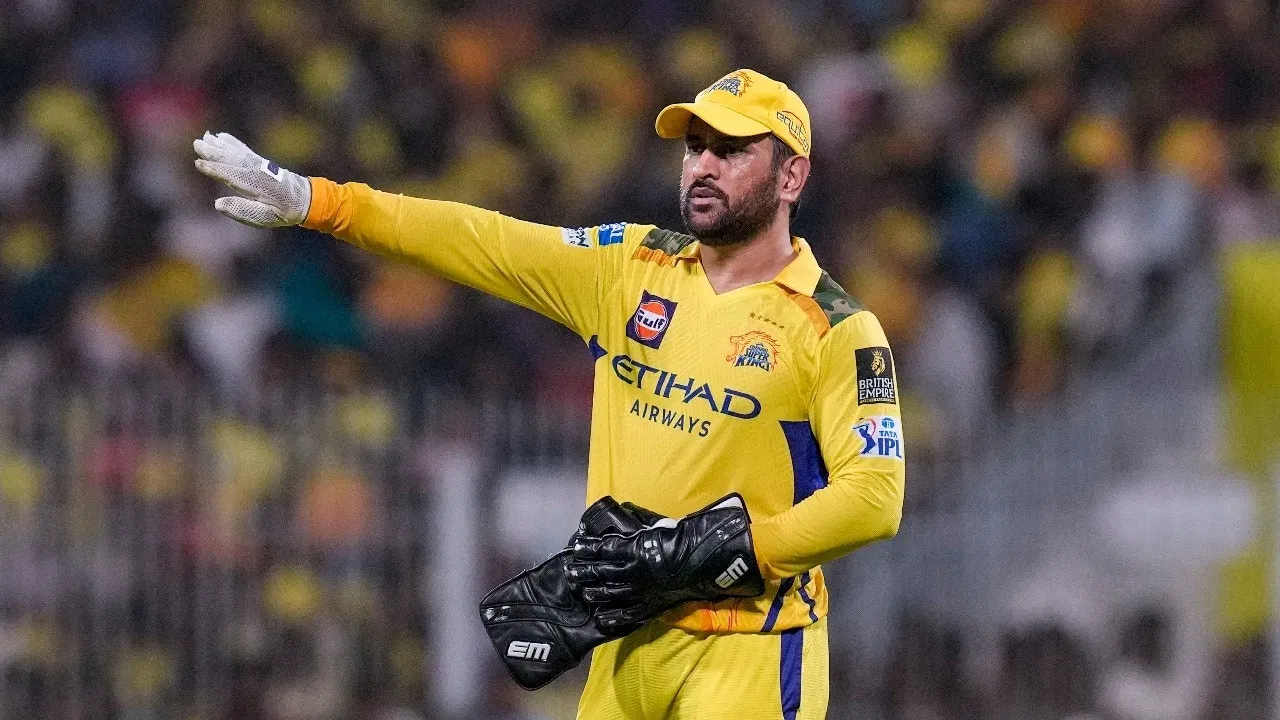
Pakistan cricketers HATE Mike Hesson, file official complaint to Mohsin Naqvi
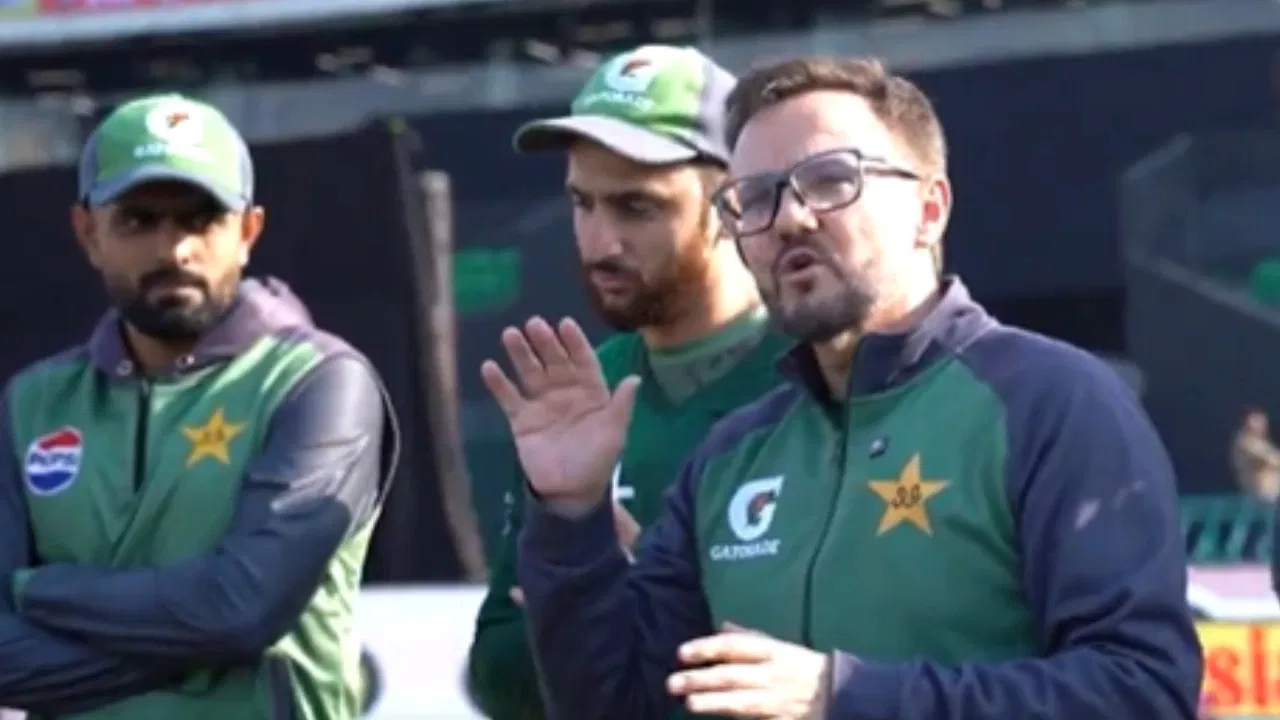
Pakistan Cricketers Voice Concerns About Head Coach Mike Hesson
Several Pakistan cricketers have reportedly raised concerns about the conduct of head coach Mike Hesson. Sohail Imran from the Geo TV network revealed that the players feel Hesson has been making decisions without consulting them, leading to discontent within the team.
Imran took to X (formerly known as Twitter) to share the players’ grievances, stating, “According to sources, cricketers have complained to the board about head coach Mike Hesson’s behavior. They claim he made decisions without consultation, showed stubbornness, and left players upset while blame fell on the captain and team.”
Aleem Dar Resigns from Pakistan Men’s Selection Committee
In related news, Aleem Dar has stepped down from the Pakistan men’s selection committee after feeling ignored during crucial selection discussions. The decision reportedly stemmed from his disagreement with the selection of Babar Azam, Shadab Khan, and Usman Khan in Pakistan’s squad.
Babar Azam’s poor performance, scoring just 91 runs in four innings, led to his exclusion from the playing XI in a match against Sri Lanka. Similarly, Shadab Khan’s lackluster performance, with only five wickets to his name, raised questions about the selection process.
Dar had advocated for wicketkeeper-batter Mohammad Rizwan to be given a significant role in the middle order, citing his consistent performances. However, his suggestions were not taken into consideration, prompting his resignation from the selection committee after a 17-month tenure.
Pakistan’s Disappointing Exit from ICC Tournament
Pakistan faced yet another setback in international cricket as they failed to reach the semifinals of the ICC tournament for the fourth consecutive time. Despite making it to the Super 8 stage, the team’s lack of consistency led to their elimination from the competition.
After qualifying as the second-best team in Group A, Pakistan won two matches and lost two, including a significant defeat against arch-rivals India. Although they managed to secure a crucial victory over Namibia, their campaign came to an end in the Super 8 stage.
Following a rain-affected match against New Zealand and a loss to England, Pakistan’s win against Sri Lanka was not enough to propel them into the semifinals, highlighting their struggles in major ICC events.
Overall, Pakistan’s recent experiences have raised questions about the team’s decision-making processes, player selections, and overall performance on the international stage. It remains to be seen how the cricket board addresses these issues and steers the team towards success in future tournaments.
Player-Coach Communication and Trust in Team Dynamics
Effective communication and trust between players and coaches are essential components of a successful sports team. When players feel that decisions are being made without their input or consultation, it can lead to frustration and discontent within the team. This breakdown in communication can impact player morale, motivation, and ultimately, performance on the field.
Head coach Mike Hesson’s alleged behavior of making unilateral decisions without consulting the players raises concerns about the team dynamic and leadership within the Pakistan cricket team. To build a cohesive and united team, it is crucial for coaches to involve players in decision-making processes, listen to their feedback, and consider their perspectives when making strategic choices.
Furthermore, trust between players and coaches is vital for fostering a positive team environment. When players feel that their coach is not taking their opinions and concerns into account, it can erode trust and create a sense of disillusionment. Building trust through open communication, transparency, and collaboration can enhance team unity and performance on the field.
Selectors’ Dilemma: Balancing Experience and Performance
The resignation of Aleem Dar from the Pakistan men’s selection committee sheds light on the challenges faced by selectors in balancing experience and performance in team selection. Selectors often grapple with the decision of choosing seasoned players with a track record of success versus younger talents with potential but limited experience.
In the case of Babar Azam, Shadab Khan, and Usman Khan, the selectors’ decision to include them in the squad despite underwhelming performances raised questions about the criteria used for selection. Dar’s advocacy for Mohammad Rizwan, based on his consistent performances, highlights the importance of considering current form and performance metrics in team selection.
Selectors must navigate the delicate balance between loyalty to established players and giving opportunities to emerging talents to ensure a competitive and dynamic team. By weighing factors such as form, experience, and potential, selectors can create a well-rounded squad that is capable of achieving success in international competitions.
Performance Analysis and Strategic Planning for Future Success
Pakistan’s disappointing exit from the ICC tournament underscores the importance of performance analysis and strategic planning in preparing for future competitions. Consistency, adaptability, and resilience are key factors that contribute to a team’s success in high-stakes tournaments.
Reflecting on Pakistan’s performance in the tournament, it is crucial for the team management to conduct a comprehensive analysis of their strengths, weaknesses, and areas for improvement. By identifying patterns, trends, and areas of concern, the team can develop strategic plans to address shortcomings and enhance their performance in upcoming events.
Strategic planning may involve reassessing player selections, refining game strategies, improving fitness and training regimens, and fostering a positive team culture. By implementing targeted interventions based on performance data and insights, Pakistan can position themselves for greater success in future ICC tournaments.
Conclusion: Navigating Challenges and Embracing Change
As Pakistan cricket faces challenges within the team structure, selection processes, and performance outcomes, it is essential for stakeholders to embrace change, adaptability, and innovation to drive success. Addressing issues of communication, trust, and decision-making can cultivate a harmonious team environment conducive to achieving shared goals.
By fostering open dialogue, collaboration, and a culture of continuous improvement, Pakistan cricket can navigate challenges, overcome setbacks, and emerge stronger and more resilient. Through strategic planning, performance analysis, and a commitment to excellence, the team can chart a path towards success in future tournaments and uphold the rich legacy of Pakistani cricket on the international stage.
Latest News

NZ vs SA 5th T20I Preview: Free Live Streaming, Pitch & Weather Report, Head-to-Head | South Africa tour of New Zealand 2026
NZ vs SA Match Prediction – Who Will Win 5th T20I? | South Africa tour of New Zealand 2026

New Zealand Playing XI vs South Africa Playing XI – 5th T20I | South Africa tour of New Zealand 2026
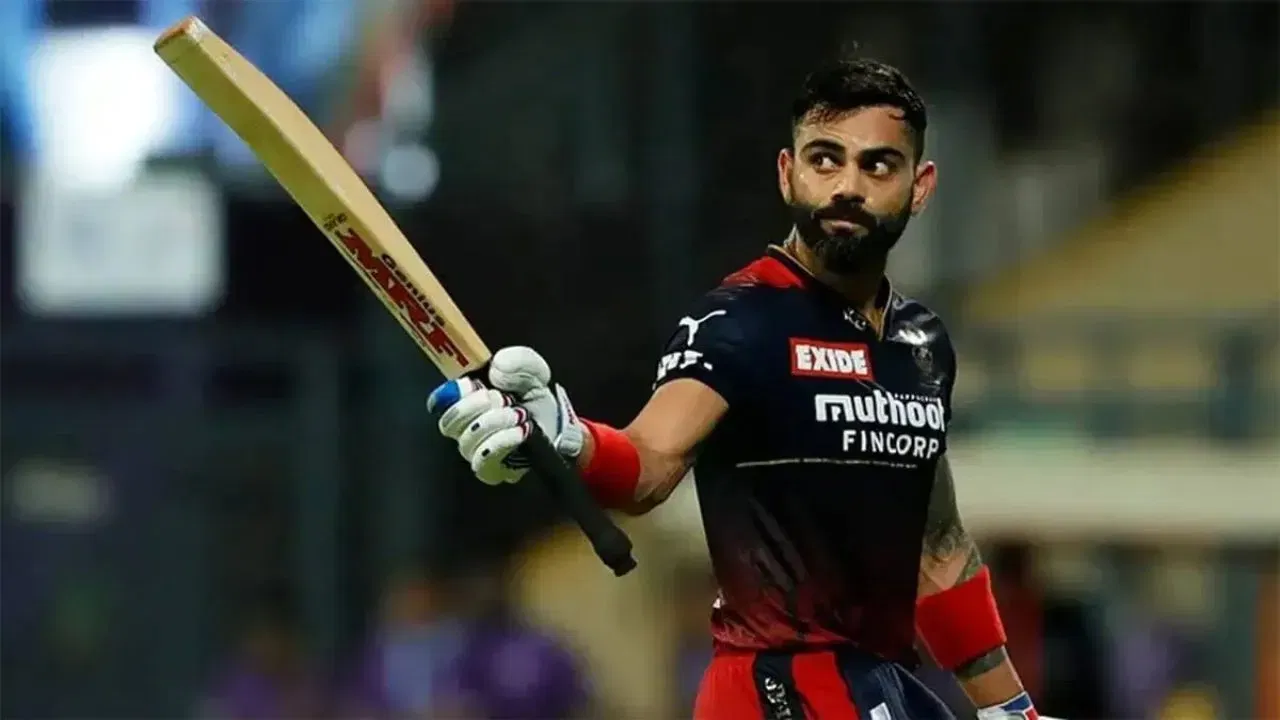
PBKS spinner calls Virat Kohli his idol, makes bold dismissal claim ahead of IPL 2026

“Not stupid”: Adam Gilchrist, Mark Waugh break silence on ECB not sacking Brendon McCullum

Revealed: Why RCB players will wear black armbands and No.11 jersey in IPL 2026?
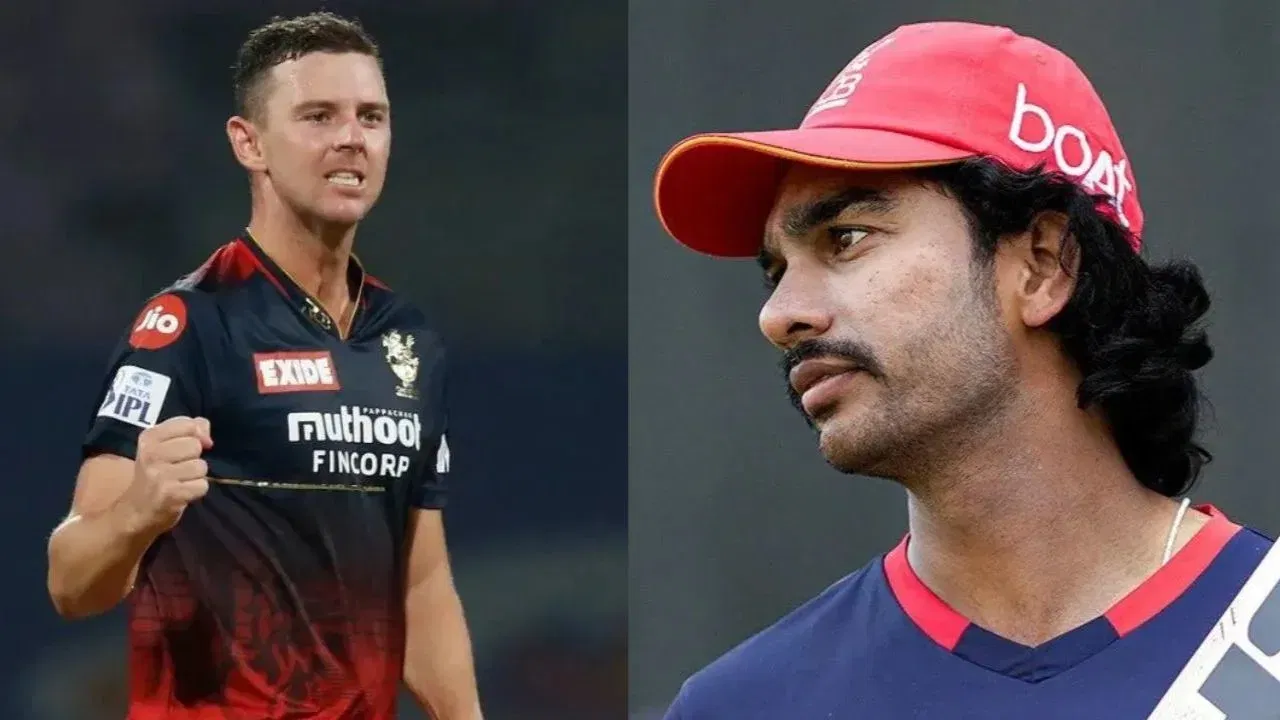
RCB boss breaks silence on Josh Hazlewood’s IPL 2026 status, drops big remark on Venkatesh Iyer
Rajasthan Royals sold! Kal Somani’s $1.63 billion deal backed by Walmart and Ford powerhouses
‘I’m not carrying that baggage, but Virat Kohli…’: RCB boss makes huge statement ahead of IPL 2026
MS Dhoni set to return as CSK captain for his last IPL season?
‘Rohit Sharma is good enough to be part of Indian T20I team’: MS Dhoni’s ex-teammate’s big remark
3 RCB players who could struggle in IPL 2026 – ft Venkatesh Iyer
3 RCB players who could struggle in IPL 2026 – ft Venkatesh Iyer
3 MI players who could struggle in IPL 2026 – ft Rohit Sharma