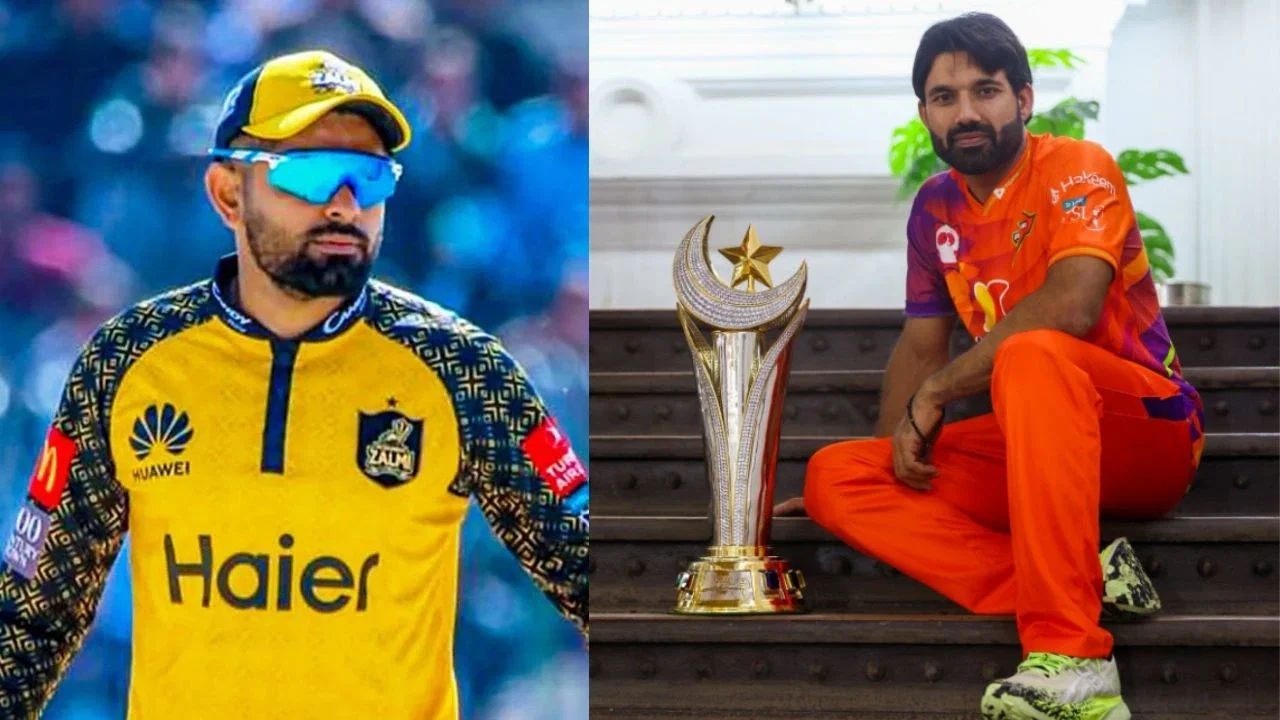
Pakistan cricketers revolt against Mohsin Naqvi and PCB for backing Bangladesh in T20 World Cup row
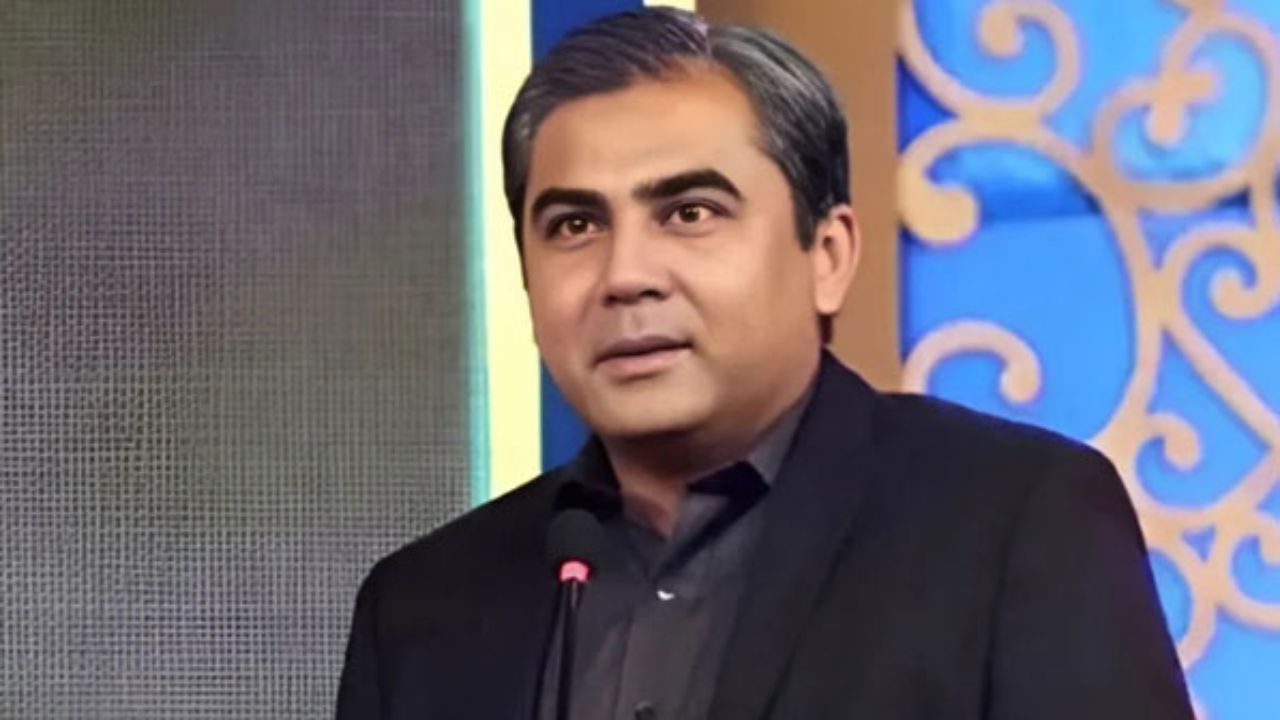
Pakistan Cricket Board Faces Backlash Over T20 World Cup 2026 Decision
Former Pakistan cricketers and ex-board officials have expressed strong criticism towards the Pakistan Cricket Board’s stance on the upcoming ICC T20 World Cup 2026. They have warned that aligning with Bangladesh’s decision and potentially withdrawing from the tournament could harm Pakistan’s relationship with the International Cricket Council (ICC).
Delay in Decision-Making Process
The PCB has postponed a final decision regarding Pakistan’s participation in the T20 World Cup after Bangladesh was removed from the tournament. Mohsin Naqvi disclosed that the board is currently evaluating its position and will announce whether Pakistan will compete or withdraw by Friday (January 30) or Monday (February 2).
Bangladesh’s Ouster and Pakistan’s Response
Bangladesh was eliminated from the T20 World Cup 2026 for refusing to travel to India for the event. In response, Pakistan is contemplating their own involvement as a potential form of protest against Bangladesh’s removal.
Differing Opinions Within Pakistan Cricket Community
Former PCB secretary Arif Ali Abbasi criticized the PCB for considering a boycott, questioning the logic behind withdrawing when Pakistan is scheduled to play all their matches in Sri Lanka. He emphasized the potential damage to relations with the ICC and member boards.
Former cricketer Khalid Mahmood acknowledged Pakistan’s support for Bangladesh but highlighted the lack of backing from other boards. He stressed the importance of considering practical implications and urged the board to evaluate the situation thoroughly.
Renowned figures Mohsin Khan and Inzamam-ul-Haq expressed concerns over the potential repercussions of skipping the T20 World Cup. Mohsin emphasized the illogical nature of the decision, given that all of Pakistan’s matches are set to take place in Sri Lanka. Inzamam-ul-Haq echoed similar sentiments, emphasizing the need for Pakistan to showcase strong performances in major tournaments for the advancement of cricket in the country.
Conclusion
The controversy surrounding Pakistan’s participation in the T20 World Cup 2026 reflects the complexities and challenges faced by cricket boards in navigating international relationships and tournament logistics. The PCB’s final decision will undoubtedly have far-reaching implications for Pakistan’s cricketing future and its standing within the global cricket community.
Keywords: prediction, Pakistan Cricket Board, ICC T20 World Cup 2026, Bangladesh, cricket, boycott, decision-making, criticism, relationships, tournament, controversy.
Challenges and Considerations for the PCB
As the Pakistan Cricket Board (PCB) grapples with the decision of whether to participate in the ICC T20 World Cup 2026, several challenges and considerations come into play. One key aspect that the PCB must evaluate is the potential impact on the players. Withdrawing from a prestigious tournament like the T20 World Cup could have consequences on the morale and motivation of the Pakistani cricketers. It may also affect their international exposure and career progression.
Furthermore, the financial implications of a boycott cannot be overlooked. Participation in global events like the T20 World Cup not only provides valuable exposure for the team but also generates revenue for the cricket board. The PCB must weigh the financial repercussions of missing out on such a significant tournament against the symbolic gesture of solidarity with Bangladesh.
Strategic Diplomacy and Future Relationships
Amidst the criticism and controversy surrounding the PCB’s decision-making process, the board must also consider the broader implications for its relationships with the ICC and other cricketing nations. Building and maintaining strong diplomatic ties within the international cricketing community is crucial for Pakistan’s standing in the sport.
By taking a principled stance on the issue of Bangladesh’s removal from the T20 World Cup, the PCB risks alienating key stakeholders and damaging its reputation on the global stage. However, a carefully calibrated approach that balances solidarity with strategic diplomacy could potentially strengthen Pakistan’s position within the ICC and foster greater collaboration with other boards.
Fan Engagement and Public Perception
Another critical factor for the PCB to consider is the impact of its decision on fan engagement and public perception. Cricket holds a special place in the hearts of millions of Pakistanis, and the national team’s performance in international tournaments is a source of pride and enthusiasm for fans.
The PCB’s handling of the T20 World Cup controversy will shape how the public perceives the board’s leadership and decision-making abilities. Transparency, communication, and a clear rationale behind the final decision will be essential in maintaining the trust and support of cricket enthusiasts across the country.
Looking Ahead: Long-Term Strategy and Vision
Ultimately, the outcome of the T20 World Cup 2026 saga will serve as a litmus test for the PCB’s long-term strategy and vision for Pakistani cricket. The board’s ability to navigate complex geopolitical dynamics, uphold the interests of its players, maintain positive relationships with the ICC, and engage with fans will be key determinants of its success in shaping the future of cricket in Pakistan.
As the cricketing world watches with bated breath, the PCB faces a pivotal moment that will not only impact its immediate participation in the T20 World Cup but also set the tone for its leadership and decision-making processes in the years to come.
Keywords: prediction, Pakistan Cricket Board, ICC T20 World Cup 2026, Bangladesh, cricket, boycott, decision-making, criticism, relationships, tournament, controversy, fan engagement, diplomacy.
Latest News
Naseem Shah charged with central contract violation during PSL 2026
MS Dhoni out of IPL 2026, has not recovered from calf strain
Jasprit Bumrah set to lead MI attack in blockbuster IPL 2026 clash vs KKR
Mitchell Starc to miss IPL 2026, wife Alyssa Healy drops massive update on injury

Nick Knight rejects PSL to join IPL commentary panel
MS vs ISU Match Prediction, Pitch & Weather Report, Playing XIs, Head-to-Head, Free Live Streaming – PSL 2026 Match 4
“MS Dhoni doesn’t attend team discussions” – Ruturaj Gaikwad makes stunning revelationtaincy Role

Ben Duckett breaks silence on Noosa Clip scandal, calls it ‘Worst’ moment in cricketing career
“IPL players are grossly underpaid”: Ex-CSK star calls out BCCI
Ahmed Shehzad summoned as former Pakistan skipper takes legal action over serious allegations
CSK to feature without their legendary duo MS Dhoni and Suresh Raina for the first time
Ishan Kishan set to create history as SRH captain in IPL 2026 opener against RCB

RCB Playing XI vs SRH Playing XI – Match No. 1 | IPL 2026
Delhi Capitals IPL 2026 Full Schedule: DC Fixtures, Dates, Timings and Venues | Squad and Coaches