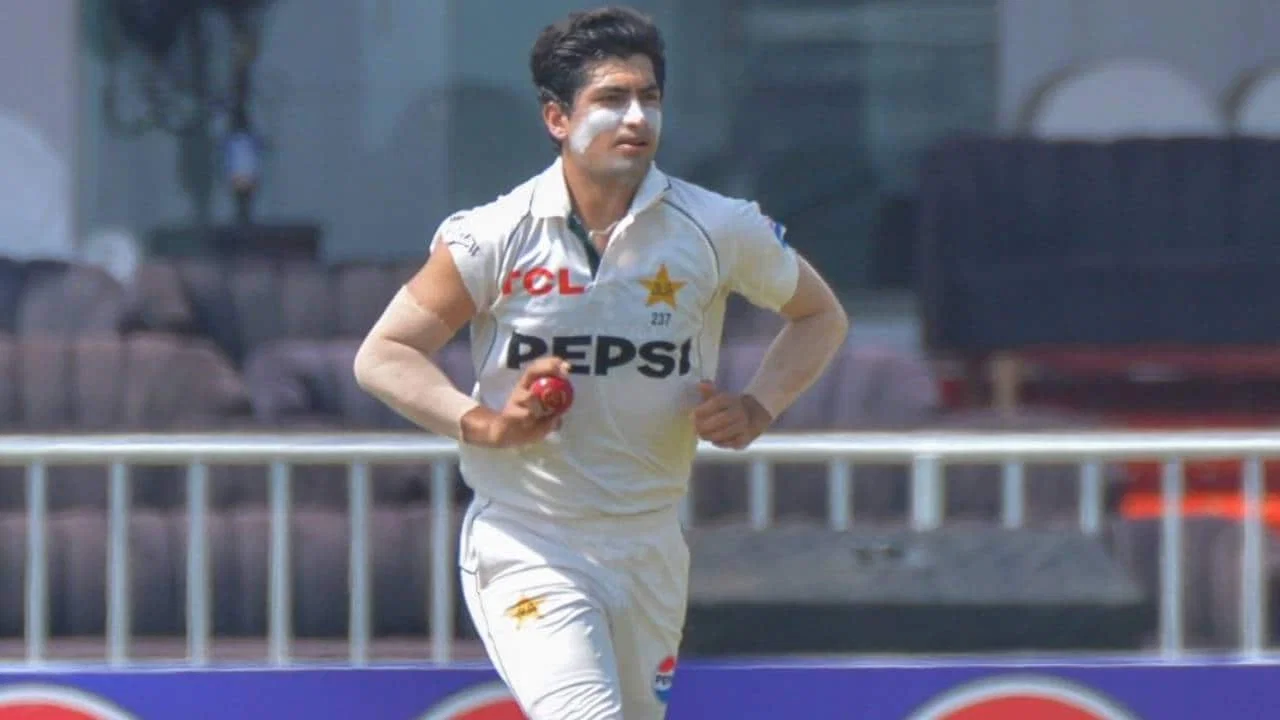
Pakistan drags Jay Shah into row over ICC statement on Afghanistan cricketers killed in airstrikes
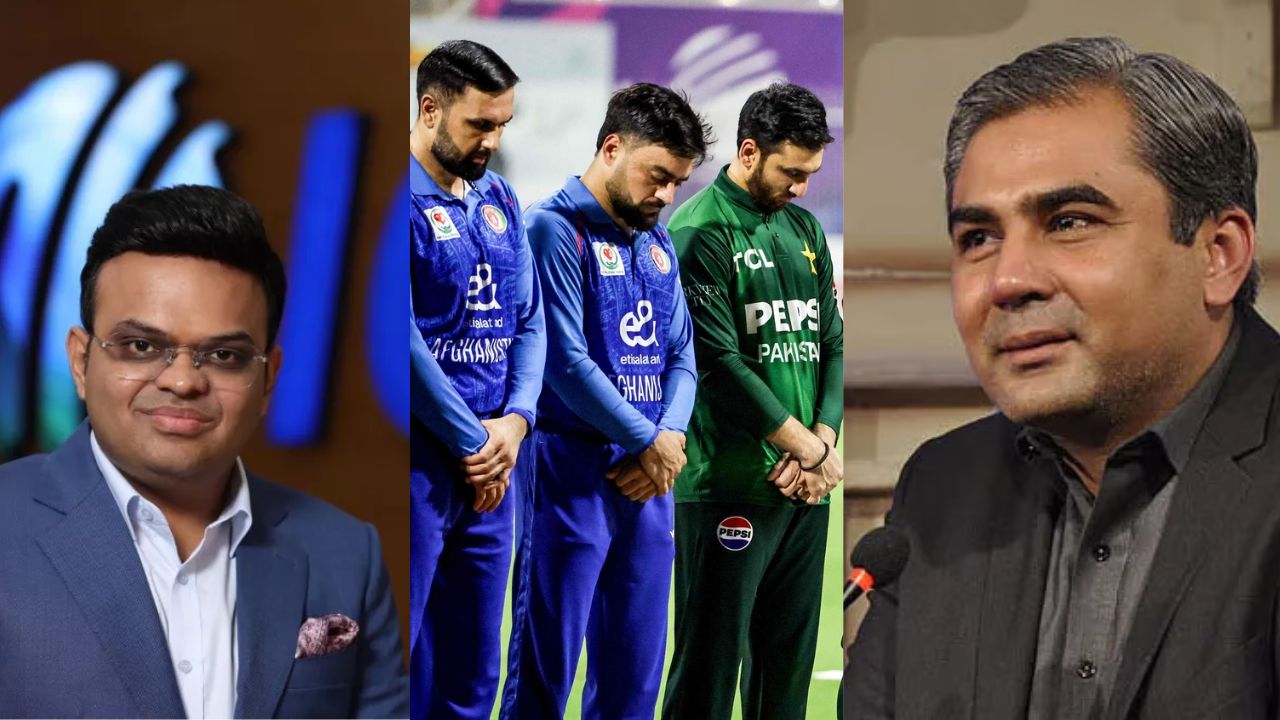
Pakistan Federal Minister Criticizes ICC’s Response to Afghan Cricketers’ Deaths
A recent incident involving the tragic deaths of three Afghan cricketers during airstrikes on Afghan territory has sparked controversy and condemnation from Pakistan’s Federal Minister for Information, Ata Tarar. The International Cricket Council (ICC) faced criticism from the minister after extending support and condolences to the victims’ families.
Incident Details
Reports emerged that 10 Afghan citizens, including three cricketers, were killed in the border region of Paktika as a result of airstrikes launched by Pakistani aircraft, violating a 48-hour ceasefire. Following the attack, the ICC released a statement denouncing the act as inhuman and expressing solidarity with the Afghan cricketers and their families. The Board of Control for Cricket in India (BCCI) also echoed similar sentiments in a separate statement.
Pakistan’s Response
Minister Ata Tarar rejected the ICC’s statement, asserting that Pakistan was not responsible for the deaths of the Afghan cricketers. He criticized the ICC for not independently verifying the claims made by the Afghanistan board before issuing a statement implicating Pakistan in the attacks.
“We dismiss and condemn this statement by the ICC, which falsely implicates Pakistan in the deaths of the Afghan cricketers,” Tarar stated.
Questioning ICC’s Credibility
In a further rebuke, Minister Tarar questioned the credibility of ICC Chairman Jay Shah, insinuating bias in the organization’s response. He highlighted Pakistan’s history as a victim of terrorism and criticized the Afghanistan board for making statements without concrete evidence.
“The actions of ICC Chairman Jay Shah and the Afghanistan board call into question the organization’s independence and impartiality,” Tarar remarked.
Asia Cup Handshake Incident
The minister also referenced a past incident involving the snubbing of handshakes by India during the Asia Cup to support his claims of ICC bias against Pakistan. He emphasized that an international sports governing body should refrain from making controversial statements without proper verification.
“The ICC should uphold its independence and refrain from being influenced by external forces when making statements on sensitive matters,” Tarar emphasized.
In conclusion, the controversy surrounding the deaths of the Afghan cricketers has fueled tensions between Pakistan and the ICC, with the Pakistani government demanding a retraction of the ICC’s statement and a more objective approach to handling such incidents in the future.
Impact on Regional Relations
The tragic incident and subsequent fallout between Pakistan and the ICC have wider implications for regional relations in South Asia. Afghanistan and Pakistan share a complex history characterized by political tensions and border disputes. The deaths of the Afghan cricketers in the border region have added another layer of contention to the already strained relationship between the two countries.
Moreover, the involvement of the ICC in this issue has the potential to exacerbate existing diplomatic challenges. As an international sports governing body, the ICC’s response to sensitive political matters can inadvertently influence diplomatic relations between member countries. The controversy surrounding the Afghan cricketers’ deaths underscores the need for the ICC to navigate such situations with caution and impartiality to avoid further straining regional ties.
Humanitarian Concerns
Beyond the diplomatic and sporting dimensions of the incident, there are significant humanitarian concerns at play. The loss of lives, including those of the Afghan cricketers, highlights the devastating impact of conflict and violence on individuals and communities in the region. As the international community grapples with issues of peace and security, incidents like these serve as stark reminders of the human cost of political strife.
It is essential for all stakeholders, including governments, international organizations, and sporting bodies, to prioritize the protection of human lives and work towards peaceful resolutions to conflicts. The tragic deaths of the Afghan cricketers underscore the urgent need for sustainable peacebuilding efforts in conflict-affected regions to prevent further loss of life and foster stability.
Calls for Transparency and Accountability
The controversy surrounding the ICC’s response to the Afghan cricketers’ deaths also raises broader questions about transparency and accountability in international organizations. Minister Ata Tarar’s criticisms regarding the ICC’s handling of the situation underscore the importance of independent verification and fact-checking before issuing statements on sensitive issues.
Moving forward, there is a growing call for greater transparency and accountability within international sports bodies to ensure that their actions are guided by evidence-based decision-making and impartiality. The incident serves as a reminder of the need for due diligence and adherence to ethical standards in all aspects of organizational conduct.
Looking Ahead
As the fallout from the tragic incident continues to unfold, it is imperative for all parties involved to prioritize dialogue, cooperation, and mutual respect. The tensions between Pakistan, Afghanistan, and the ICC underscore the complex interplay between sports, politics, and diplomacy in the region.
Moving forward, there is an opportunity for constructive engagement, transparency, and a commitment to upholding humanitarian principles in addressing similar incidents in the future. By learning from the challenges of the past and working towards a more inclusive and impartial approach, stakeholders can contribute to building a more peaceful and resilient sporting community in South Asia and beyond.
In conclusion, the incident involving the deaths of the Afghan cricketers serves as a poignant reminder of the human toll of conflict and the importance of upholding principles of transparency, accountability, and humanitarianism in all spheres of international engagement.
Latest News
Mohsin Naqvi totally angry and stressed as PSL 2026 controversies escalate
Mohsin Naqvi saves Naseem Shah from two-year ban, shocking claim emerges after controversy
Michael Vaughan claims Vaibhav Sooryavanshi’s India call-up for England tour is confirmed
Ravindra Jadeja’s teary-eyed reaction goes viral after RR demolish CSK in IPL 2026 clash

New Zealand ODI and T20I squads for Bangladesh tour officially announced
Naseem Shah breaks silence on PCB punishment, issues public apology following massive controversy
Australia coach drops big hint on Cameron Green’s Test future amid IPL 2026 drama
Ajit Agarkar told to fast-track Vaibhav Sooryavanshi into Indian Team
CSK declared useless without MS Dhoni by Ex-England captain
Shocking! Fakhar Zaman tampered with ball vs USA in T20 World Cup, ICC did not act
“Don’t get banned”: Digvesh Rathi reveals Sanjiv Goenka and Rishabh Pant’s warning over fiery celebrations

MS vs HYDK Match Prediction, Pitch & Weather Report, Playing XIs, Head-to-Head, Free Live Streaming – PSL 2026 Match 8
ISU vs PSZ Match Prediction, Pitch & Weather Report, Playing XIs, Head-to-Head, Free Live Streaming – PSL 2026 Match 7
Ravindra Jadeja breaks silence on fiery send-off to Shivam Dube in RR vs CSK IPL 2026 clash