Pakistan face Match-Fixing allegations in U19 World Cup as ICC Anti-Corruption Unit gets active
Pakistan’s Under-19 Team’s Strategic Approach in ICC Under-19 World Cup 2026 Sparks Debate
The Controversial Yet Calculated Tactics
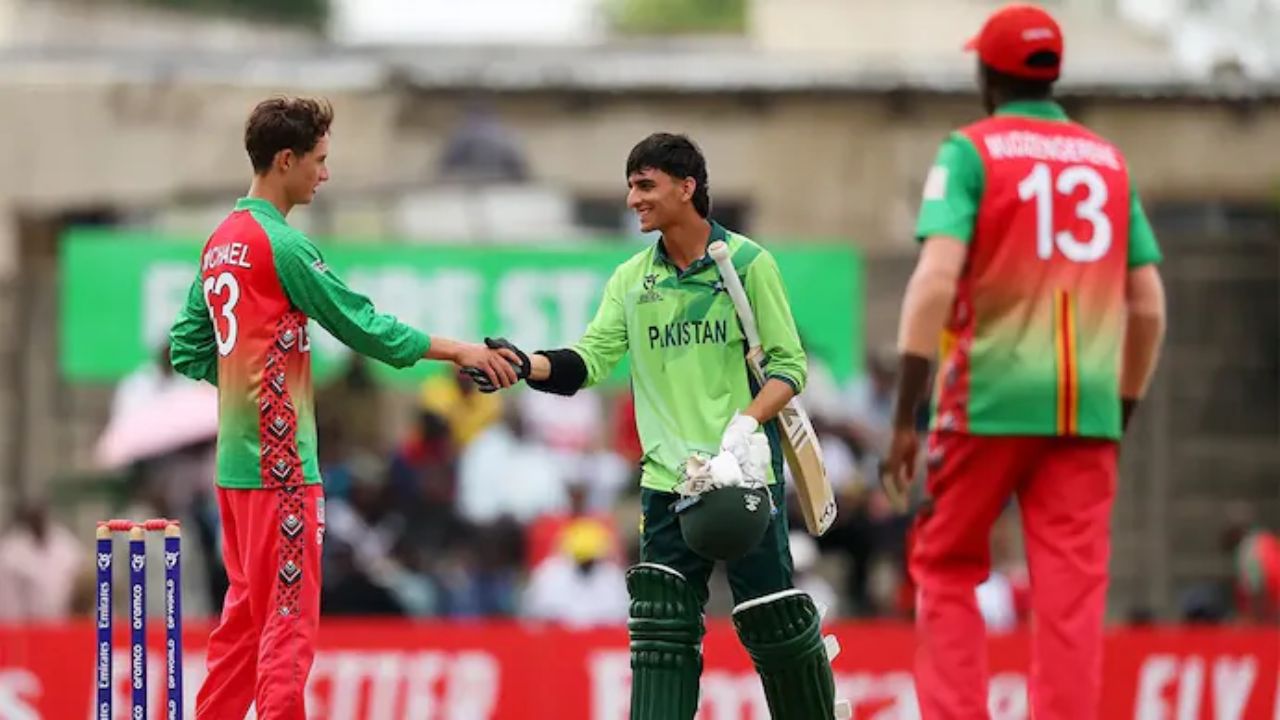
Pakistan’s Under-19 cricket team recently found themselves at the center of a heated debate during their match against Zimbabwe in the ICC Under-19 World Cup 2026 held in Harare. The controversy stemmed from Pakistan’s deliberate slowing down of their run chase, raising questions about the fairness of their tactics. However, it later emerged that this strategic move was actually a calculated decision based on tournament mathematics.
Despite the initial confusion and speculation surrounding the team’s approach, Pakistan ultimately emerged victorious in their final league match on Thursday, January 22. Facing off against Zimbabwe at the Takashinga Sports Club in Harare, the Men in Green secured an eight-wicket win. Opening batter Sameer Minhas played a crucial role in the chase, scoring an unbeaten 74 runs off 75 deliveries as Pakistan successfully reached the target of 129 runs in just 26.2 overs.
Pakistan’s Strategic Play Impacts Tournament Dynamics
Interestingly, Pakistan’s deliberate pacing during the chase not only secured them a win but also had a significant impact on the overall tournament dynamics. By carefully controlling the pace of their scoring, Pakistan not only ensured their own qualification but also helped Zimbabwe secure a spot in the Super Six stage. This strategic move also led to Scotland being pushed out of contention due to the tournament’s net run rate rules.
During the chase, Pakistan started strong and reached 84 runs by the end of the 14th over, putting them on course to qualify alongside Scotland. However, Pakistan then strategically slowed down their scoring rate, playing 50 dot balls and scoring only 27 runs between the 16th and 25th overs. Despite maintaining a controlled run rate, Pakistan purposely delayed their victory, eventually completing the chase in 26.2 overs.
Strategic Implications for Pakistan and Other Teams
The strategic nature of Pakistan’s chase had far-reaching implications for the tournament standings. Had Pakistan reached the target before 25.2 overs, Scotland would have secured qualification over Zimbabwe. However, by intentionally prolonging the chase, Pakistan not only solidified their qualification but also carried forward a stronger net run rate advantage into the Super Six stage.
Former cricketer Andy Flower defended Pakistan’s tactics, labeling them as “justifiable” within the rules of the game. Flower emphasized that Pakistan prioritized securing the win before strategically adjusting their pace to ensure Zimbabwe’s qualification. Despite the ethical debates surrounding such tactics, Flower maintained that Pakistan’s approach was well within the bounds of fair play.
Ultimately, Pakistan’s strategic maneuvering during their match against Zimbabwe not only secured their own progression in the tournament but also showcased the intricate calculations and tactical prowess involved in high-stakes cricket competitions.
The Impact of Pakistan’s Strategy on Tournament Dynamics
Pakistan’s calculated approach in the ICC Under-19 World Cup 2026 not only secured their own advancement but also had ripple effects on the tournament as a whole. By strategically manipulating their run chase against Zimbabwe, Pakistan altered the trajectory of the competition, influencing the fate of other teams vying for a spot in the Super Six stage. This move exemplified the strategic depth and foresight required to succeed in high-stakes cricket tournaments.
The Ethical Debate Surrounding Strategic Play
The strategic maneuvering by Pakistan’s Under-19 team sparked a debate about the ethical boundaries of intentional pace manipulation in cricket matches. While some criticized Pakistan for potentially compromising the spirit of fair play, others, like former cricketer Andy Flower, defended the team’s actions as a legitimate tactical move within the framework of the game’s rules. This controversy highlighted the fine line between strategic acumen and sportsmanship in competitive cricket.
Lessons for Future Teams: Balancing Strategy and Sportsmanship
As Pakistan’s strategic play in the ICC Under-19 World Cup 2026 demonstrated, there is a delicate balance between employing calculated tactics to secure victories and upholding the principles of sportsmanship and fair competition. Future teams participating in high-profile cricket tournaments can draw valuable lessons from Pakistan’s approach, emphasizing the importance of strategic planning while maintaining ethical integrity on the field. By navigating this balance effectively, teams can enhance their chances of success while upholding the spirit of the game.
The Evolution of Strategic Thinking in Cricket
The evolving landscape of cricket has seen a significant shift towards more strategic and data-driven approaches to the game. Pakistan’s tactical decision-making in the ICC Under-19 World Cup 2026 reflects this trend, showcasing the increasing emphasis on calculated moves and game theory in modern cricket. As teams continue to innovate and adapt their strategies to meet the demands of the sport, the role of strategic thinking in shaping match outcomes becomes increasingly prominent.
Implications for Cricket Tournaments: The Legacy of Pakistan’s Approach
The strategic legacy of Pakistan’s approach in the ICC Under-19 World Cup 2026 extends beyond the confines of a single match. The ripple effects of their calculated tactics reverberate throughout the tournament, influencing team standings, qualification scenarios, and the overall narrative of the competition. This lasting impact underscores the enduring significance of strategic play in shaping the outcomes of cricket tournaments and solidifying teams’ legacies in the annals of the sport.
Conclusion
In conclusion, Pakistan’s strategic approach in the ICC Under-19 World Cup 2026 not only ignited a heated debate but also underscored the intricate dance between strategy and sportsmanship in competitive cricket. By strategically navigating their run chase against Zimbabwe, Pakistan showcased the strategic acumen required to succeed at the highest levels of the sport while sparking conversations about the ethical implications of such maneuvers. As cricket continues to evolve, the lessons learned from Pakistan’s calculated tactics will serve as a valuable benchmark for future teams seeking to strike the delicate balance between strategy and fair play in the pursuit of glory on the cricket field.
Latest News
Yograj Singh makes blunt remark at Virat Kohli and Rohit Sharma over early retirement calls

Bhuvneshwar Kumar on brink of IPL history, needs two wickets for massive milestone
IPL to be broadcasted? Bangladesh government drops massive update on IPL broadcast ban

SRH fans to boycott IPL? Former India cricketer shares insights on social media drama around Abrar Ahmed
“Explore this opportunity”: Ruturaj Gaikwad shares inside story of convincing Sanju Samson to join CSK
KKR pacer snubs Rohit Sharma, Virat Kohli, picks MI star as most difficult batter he’s bowled to
PSL drama erupts! Pakistan great blasted for “lack of manners” after embarrassing ex-England star
“2024 mein woh underrated the” – Vaibhav Arora on Shreyas Iyer not getting credit for KKR title win

Devon Conway settles IPL vs PSL debate once and for all

Ex-CSK star’s shocking claim on RCB vs SRH match ahead of IPL 2026

Misbah-ul-Haq takes legal action against Ahmed Shehzad over defamation claims

Naseem Shah charged with central contract violation during PSL 2026
MS Dhoni out of IPL 2026, has not recovered from calf strain
Jasprit Bumrah set to lead MI attack in blockbuster IPL 2026 clash vs KKR