Pakistan govt to give IND vs PAK match green signal on Sri Lanka’s orders? Report reveals
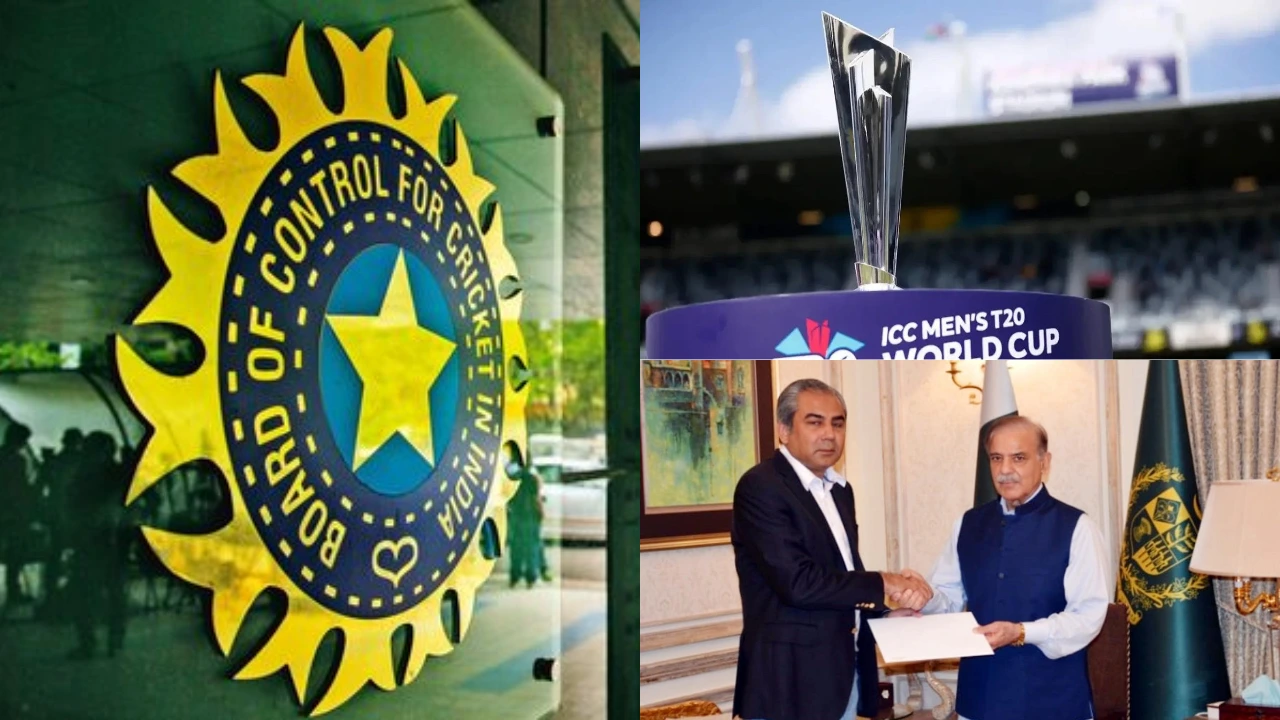
Pakistan’s Participation in 2026 T20 World Cup in Jeopardy Over India Match Boycott
The much-anticipated 2026 T20 World Cup kicked off with the thrilling match between Pakistan and the Netherlands. However, a shadow of uncertainty looms over the highly anticipated clash between India and Pakistan, as the Pakistan government has ordered the Men in Green to boycott the match against their arch-rivals.
Pakistan’s Selective Participation Decision
The Pakistan Cricket Board (PCB) has thrown its weight behind the government’s decision to skip the high-octane clash against India as a gesture of solidarity towards Bangladesh. Bangladesh was initially set to participate in the tournament but was replaced by Scotland after their request to change venues due to security concerns was rejected by the International Cricket Council (ICC).
Interestingly, the Pakistan Cricket Board (PCB) has not yet submitted any official communication to the ICC regarding their decision to selectively participate in the tournament.
Rumors of Reconsideration
Amidst the brewing controversy, reports have emerged that the Pakistan Cricket Board is contemplating revisiting their participation stance against India. Sri Lanka Cricket has reached out to the PCB, highlighting the financial repercussions that Sri Lanka would face if the marquee India-Pakistan clash does not take place on 15th February at the R Premedasa Stadium in Colombo.
Naqvi, a key figure in the PCB, has assured Shammi Silva of Sri Lanka Cricket that he will engage with the Pakistani government to reevaluate the decision.
Diplomatic Relations at Play
Sources close to the developments have emphasized that the close diplomatic ties between Pakistan and Sri Lanka cannot be disregarded. Sri Lanka has historically supported Pakistan, especially during times of need, such as when some of their players raised security concerns during a tour of Pakistan, and the Sri Lankan government stood firmly in support of Pakistan.
The interdependence of revenue generation from marquee matches like India vs. Pakistan has been underscored, with the ICC and hosts raking in substantial revenues from such encounters. The potential loss of revenue and reputation for the tournament in Sri Lanka due to the absence of the high-profile clash has prompted the PCB to reconsider their stance.
Decision Pending
PCB Chairman Mohsin Naqvi is expected to return to the country to discuss the matter with the Pakistani government and seek a resolution by Monday. The ramifications of Pakistan’s continued refusal to play against India could include severe sanctions and financial penalties for the cricket board.
As the cricketing world eagerly awaits a final decision on Pakistan’s participation in the much-anticipated India vs. Pakistan clash, the stakes are high, with the outcome likely to have far-reaching implications for the ongoing 2026 T20 World Cup.
Impact of India-Pakistan Matches on Cricketing Landscape
The India-Pakistan cricket rivalry is one of the most intense and highly anticipated matchups in the world of cricket. The matches between these two cricketing powerhouses not only generate massive viewership and revenue but also have a significant impact on the overall cricketing landscape. The historical context of this rivalry, dating back to partition in 1947, adds a layer of complexity and emotion to every encounter between the two nations.
For cricket fans across the globe, an India-Pakistan match is not just a game; it is a spectacle that transcends boundaries and brings together people from diverse backgrounds. The intensity and passion exhibited by players and fans alike during these matches make them a cornerstone of international cricketing events.
Geopolitical Implications of Sporting Boycotts
The decision by the Pakistan government to boycott the match against India in the 2026 T20 World Cup underscores the intricate interplay between sports and geopolitics. Sporting events have often been used as a platform to express political sentiments and agendas, and the India-Pakistan cricket rivalry is no exception.
By choosing to boycott the match, Pakistan is sending a strong message of solidarity towards Bangladesh, highlighting the complexities of diplomatic relations within the South Asian region. The repercussions of such decisions extend beyond the cricket field, impacting bilateral relations and regional dynamics.
Financial Considerations and Revenue Generation
One of the key factors driving the reconsideration of Pakistan’s stance on the India-Pakistan match is the significant financial implications associated with such high-profile encounters. The revenue generated from marquee matches like India vs. Pakistan is crucial for the sustainability of cricket boards, tournament organizers, and host countries.
Given the economic importance of these matches, the absence of the India-Pakistan clash could lead to substantial financial losses for all stakeholders involved. The pressure to strike a balance between political principles and economic considerations underscores the complex nature of decision-making in the world of sports.
Looking Ahead: The Future of Cricket Diplomacy
As cricket continues to serve as a bridge between nations and cultures, the role of sports diplomacy is becoming increasingly prominent. The ability of cricketing bodies and government officials to navigate complex geopolitical landscapes while upholding the spirit of sportsmanship is essential for the sustenance of international cricketing relations.
The ongoing saga surrounding Pakistan’s participation in the India-Pakistan match in the 2026 T20 World Cup serves as a poignant reminder of the intricate connections between sports, politics, and economics. The final decision regarding Pakistan’s stance on the match will not only impact the current tournament but also set a precedent for future interactions between cricketing nations.
In the ever-evolving landscape of international cricket, striking a balance between competitive spirit, diplomatic relations, and financial considerations remains a constant challenge. As fans eagerly await the resolution of this saga, the broader implications for the future of cricket diplomacy are poised to shape the trajectory of the sport on the global stage.
Latest News
RCB suffer huge blow! SLC blocks Nuwan Thushara’s IPL 2026 participation
Border-Gavaskar Trophy 2027 schedule announced; Ahmedabad among five venues selected
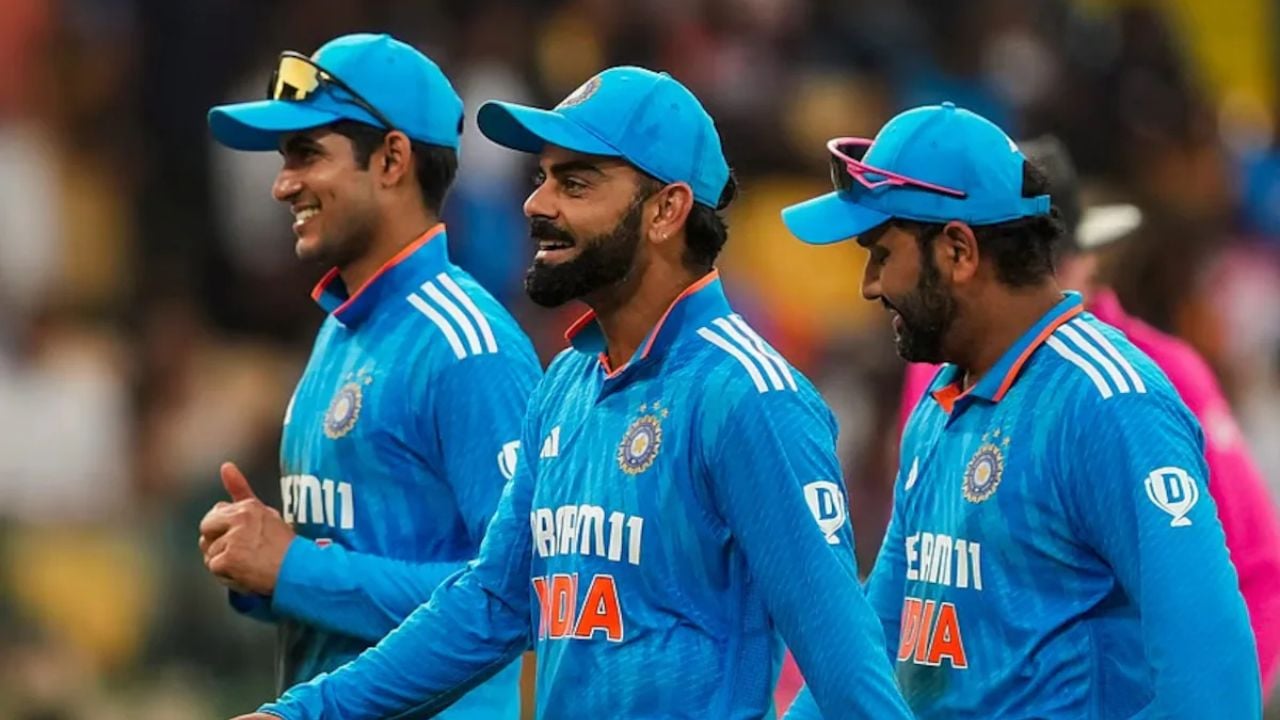
BCCI announces India’s 2026-27 international home season schedule; series vs AUS, WI, SL, ZIM finalized
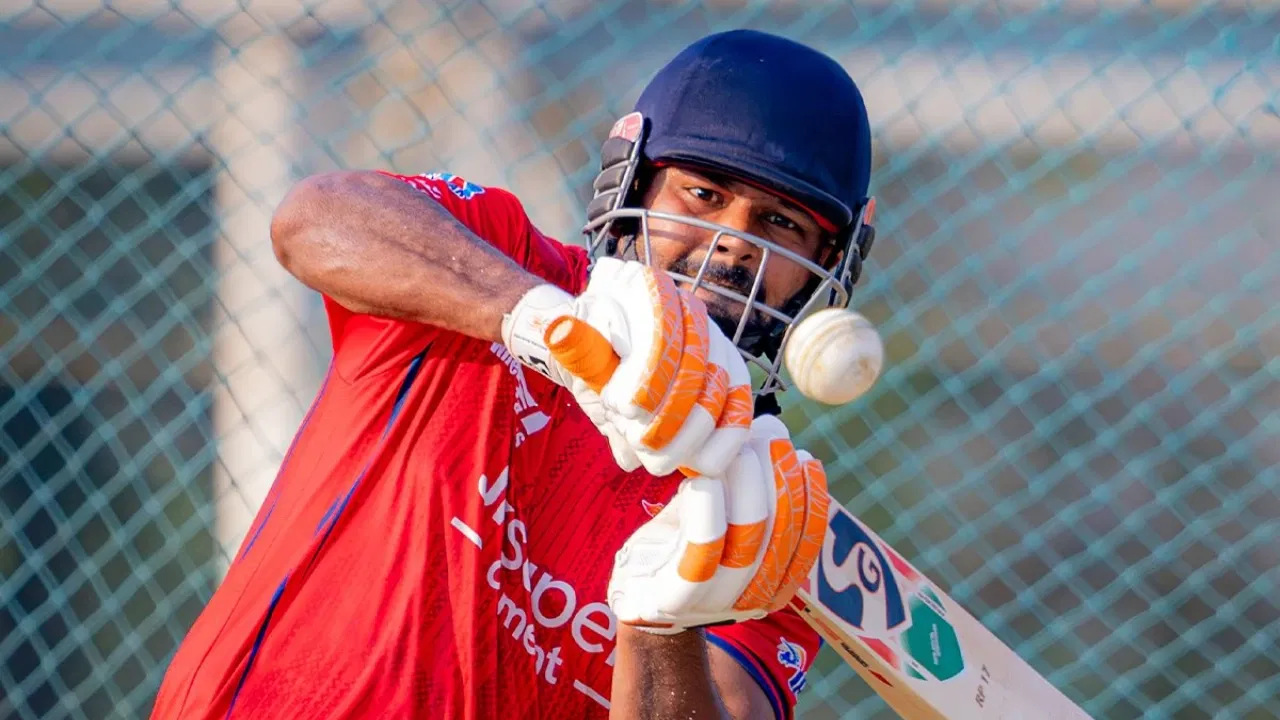
Irfan Pathan reveals Yuvraj Singh’s secret method to train Rishabh Pant ahead of IPL 2026
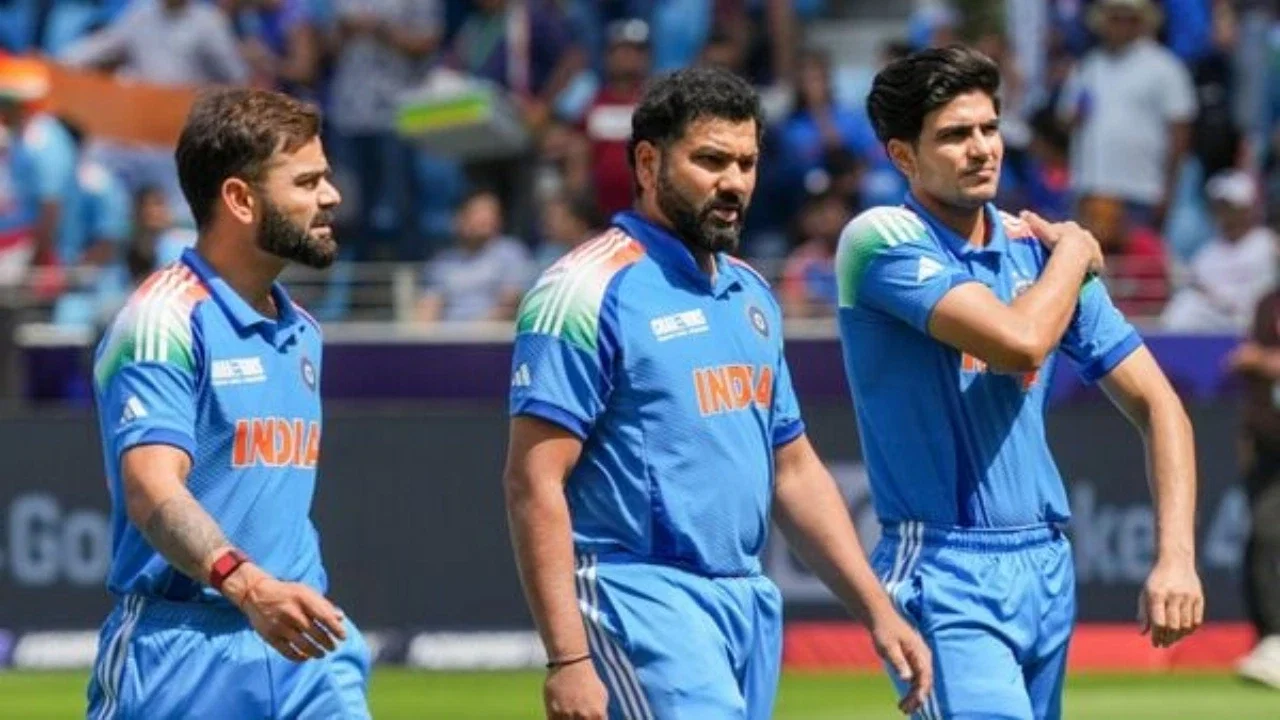
Virat Kohli, Rohit Sharma ODI schedule: Full list of matches they will play in India’s 2026-27 home season
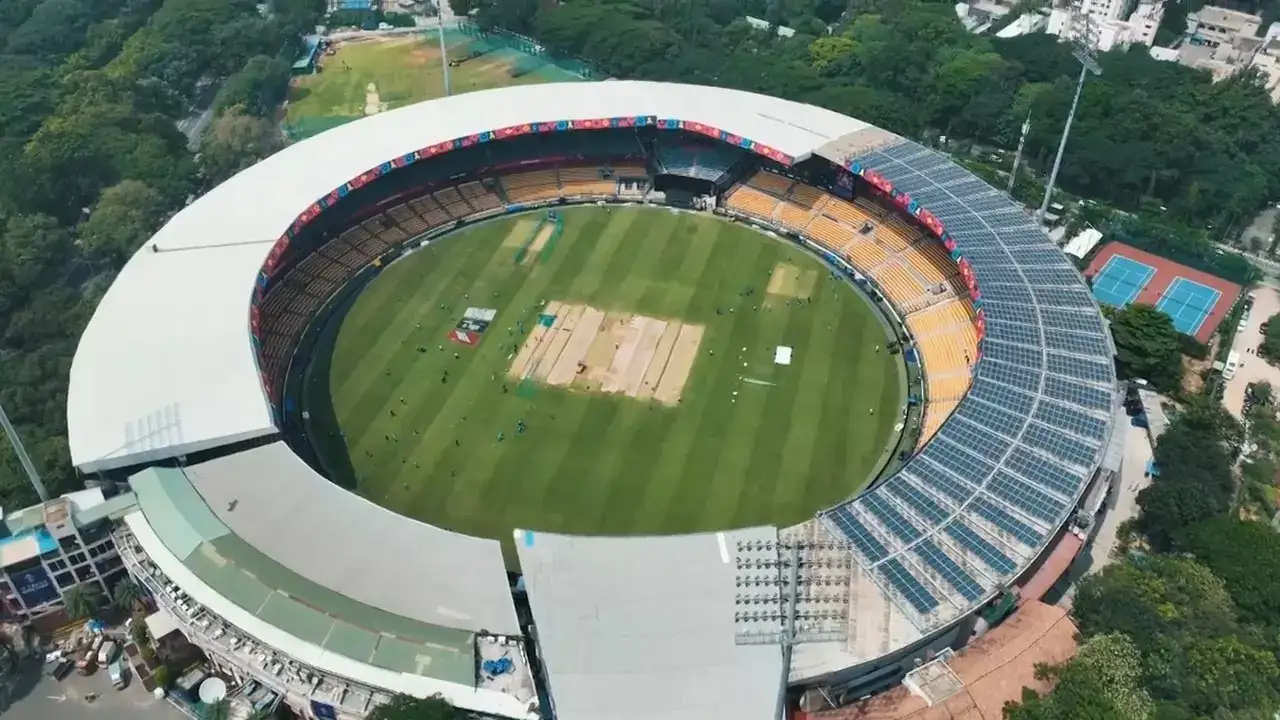
Days before RCB vs SRH IPL 2026 match, M. Chinnaswamy Stadium looks like a ‘construction side’
IPL 2026 second-half schedule announcement date revealed by BCCI secretary
LHQ vs HYDK Match Prediction, Pitch & Weather Report, Playing XIs, Head-to-Head, Free Live Streaming – PSL 2026 Match 1
Aditya Birla Group confirms NO NAME CHANGE plans after RCB takeover
Virat Kohli will win Orange Cap: Jitesh Sharma makes bold IPL 2026 predictions
David Warner tears into Shaheen Afridi and Mohammad Rizwan at PSL captains’ press conference
“Joker and Clueless”: Lalit Modi’s fiery attack on Sanjiv Goenka for his Jay Shah remark after RR–RCB mega sale
IPL 2026: BCCI scraps opening ceremony! Virat Kohli’s RCB linked to shocking decision
Sanju Samson gets huge role as Ruturaj Gaikwad confirms CSK openers for IPL 2026