Pakistan make shocking U-turn, deny fining Babar Azam & Co. after T20 World Cup disaster
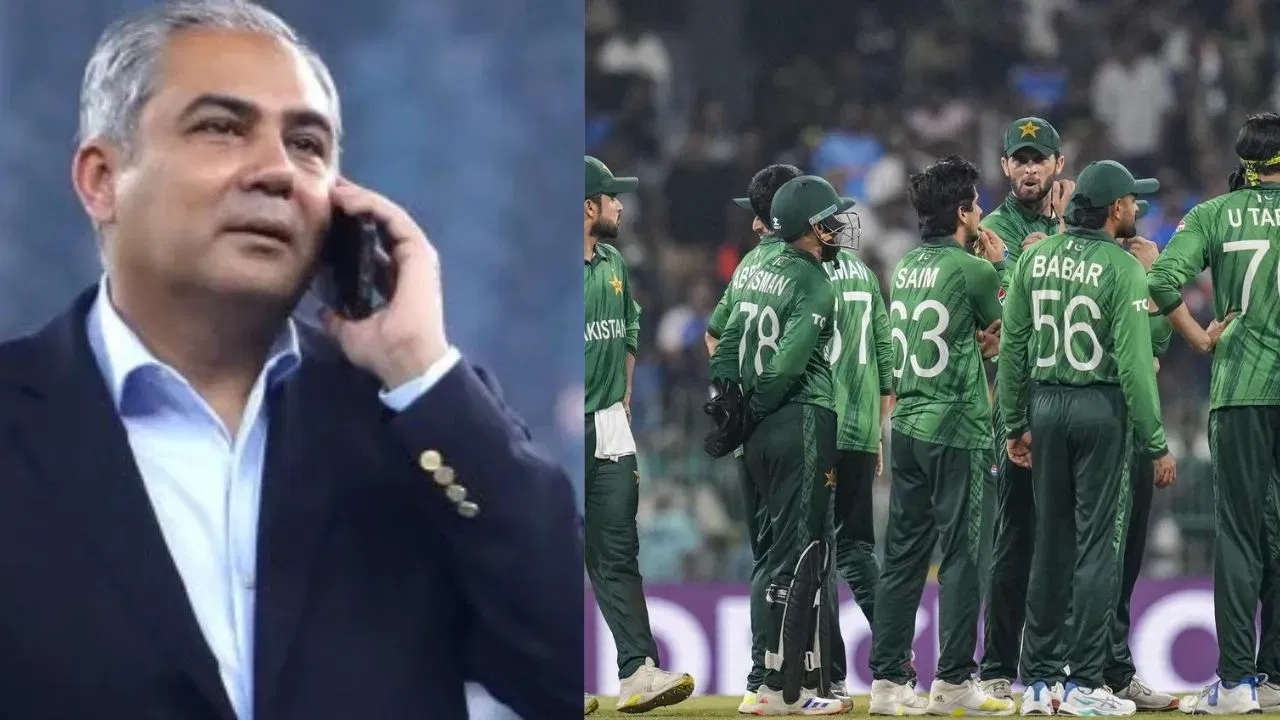
PCB Denies Fining Players After Early Exit from T20 World Cup 2026
The Pakistan Cricket Board (PCB) has debunked rumors circulating about financial penalties being imposed on national players following their premature elimination from the ICC T20 World Cup 2026. Spokesperson Aamir Mir set the record straight, confirming that no such disciplinary action had been taken after the team’s campaign ended earlier this month.
Contrary to reports from various international media outlets, the PCB clarified that there were no fines of five million rupees deducted from each squad member for their lackluster on-field performances. This comes after Pakistan failed to secure a spot in the semifinals for the second consecutive time in the T20 World Cup, bowing out of the tournament during the Super 8s stage.
In response to the controversy surrounding the alleged fines, PCB spokesperson Aamir Mir addressed the situation in an effort to put an end to the ongoing speculation. He emphasized that the board had not taken any punitive measures against the players, dismissing the rumors as mere social media gossip.
“No such decision was ever taken by the PCB. It was all social media gossip. There is no such precedence or provision,” affirmed Mir during a statement on Saturday.
Former Pakistan captain Younis Khan, along with international cricket commentators like Dinesh Karthik, Nasser Hussain, and Michael Atherton, voiced their disapproval of the rumored management decision to penalize athletes based on their performance.
Pakistan’s Disappointing T20 World Cup Run
The Pakistan national team’s journey in the ICC T20 World Cup 2026 ended in disappointment as they once again fell short of reaching the semifinals for the fourth consecutive tournament. Despite advancing to the Super Eight stage, the team faced challenges throughout.
After a match against New Zealand A was abandoned due to weather conditions, Pakistan suffered a defeat against England, putting their qualification hopes at risk. Their fate relied on the outcomes of other group matches to progress.
In a must-win game against Sri Lanka, Pakistan needed to secure victory by a margin of at least 65 runs to advance to the next stage. Captain Salman Ali Agha led the team to a total of 212 runs in the first innings, ultimately winning the match by a slim margin of five runs, resulting in their elimination from the tournament.
Individual Brilliance Amidst Team’s Struggles
Despite Pakistan’s collective underperformance, Sahibzada Farhan emerged as a standout performer throughout the tournament. The opening batsman finished as the leading run-scorer of the event, breaking Virat Kohli’s long-standing record for the most runs scored in a single edition of the T20 World Cup.
Criticism was directed towards head coach Mike Hesson for his team selection decisions, while questions arose regarding the tactical choices made by captain Salman Ali Agha on the field. Key players like Shaheen Afridi and Babar Azam failed to leave a significant impact on the tournament.
Following their participation in the T20 World Cup, the PCB received a portion of the tournament prize money distributed by the International Cricket Council (ICC), receiving USD 522,692 from the final distribution of the players’ prize money totaling USD 11.25 million.
The Importance of Player Support and Encouragement
While the PCB denied imposing fines on the players, it is crucial to recognize the mental and emotional toll that disappointing performances can have on athletes. Instead of punitive measures, providing support and encouragement to the players can be more beneficial in helping them bounce back from setbacks. By fostering a positive and nurturing environment, the team can focus on learning from their mistakes and improving for future competitions.
Former players and cricket experts often highlight the need for constructive feedback and mentorship rather than harsh penalties. Building a culture of resilience and growth within the team can lead to better outcomes in the long run, ensuring that players are motivated to perform at their best without the fear of financial repercussions.
Learning from Mistakes and Moving Forward
As Pakistan reflects on their disappointing T20 World Cup campaign, there are valuable lessons to be learned from their experiences. Analyzing the team’s performance, identifying areas for improvement, and making strategic changes can pave the way for a more successful future in international cricket.
It is essential for the coaching staff and team management to conduct a thorough review of the tournament, pinpointing weaknesses in tactics, player form, and overall team dynamics. By addressing these issues proactively and implementing corrective measures, Pakistan can aim for a stronger showing in upcoming competitions.
Building a Cohesive and Competitive Team
Team chemistry and unity play a critical role in the success of any sports team. Strengthening bonds among players, fostering a sense of camaraderie, and promoting healthy competition within the squad can enhance overall performance on the field. Building a cohesive team that supports each other through highs and lows is essential for sustained success in cricket.
Additionally, promoting a culture of accountability and responsibility can motivate players to take ownership of their performances and strive for continuous improvement. By instilling a sense of pride in representing Pakistan on the international stage, the team can work towards achieving their collective goals with determination and resilience.
Looking Ahead to Future Challenges
While the disappointment of an early exit from the T20 World Cup lingers, Pakistan has an opportunity to regroup, refocus, and prepare for upcoming challenges. With a talented pool of players and a dedicated coaching staff, the national team has the potential to bounce back stronger and showcase their capabilities in future tournaments.
By harnessing the lessons learned from the setbacks in the T20 World Cup, Pakistan can emerge as a formidable force in international cricket, instilling confidence in fans and supporters. The journey towards success may have its hurdles, but with determination, hard work, and a collective team effort, Pakistan can aim to achieve greatness on the global stage.
In conclusion, while the rumors of fines imposed on players may have been debunked, the focus now shifts to learning from past mistakes, fostering a supportive team environment, and setting sights on a brighter future for Pakistan cricket. By embracing the challenges, making necessary improvements, and staying united as a team, Pakistan can write a new chapter of success in the world of cricket.
Latest News
MS Dhoni set for shocking new role at CSK in IPL 2026! Ex-teammate leaks secret
Sanju Samson’s batting position in IPL 2026 revealed by CSK great

Babar Azam, Fakhar Zaman faked injuries? Investigation officially begins after T20 World Cup 2026

“Jasprit Bumrah is the Usman Tariq of fast bowlers” – Aaqib Javed makes bizarre remark
Why Babar Azam missed Bangladesh ODIs? PCB selector reveals shocking reason
Pakistan make shocking U-turn, deny fining Babar Azam & Co. after T20 World Cup disaster
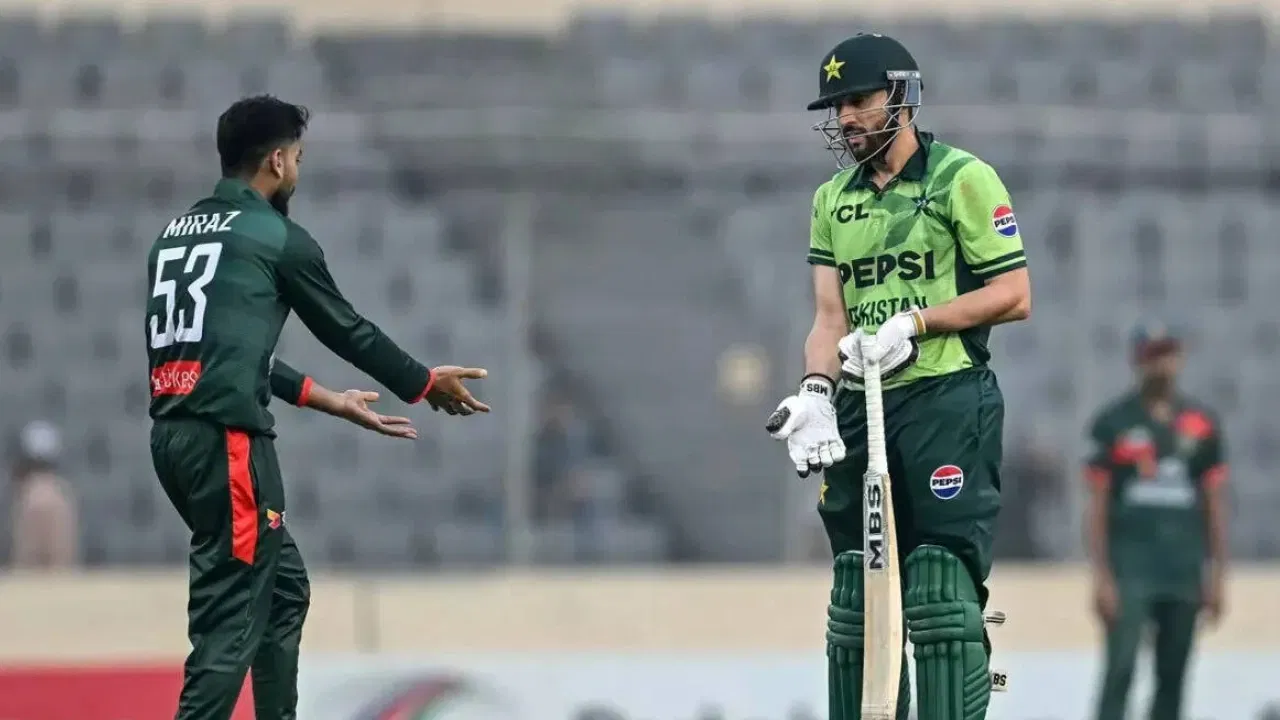
‘Sportsmanship wasn’t compromised’: Litton Das pulls no punches on Salman Ali Agha after run-out controversy

Abrar Ahmed set to ditch Kavya Maran! Mohsin Naqvi unlikely to give NOC for The Hundred
Rohit Sharma’s real age declared as 34 ahead of IPL 2026

Blessing Muzarabani in legal trouble! PCB drags KKR-bound pacer to court over PSL contract breach
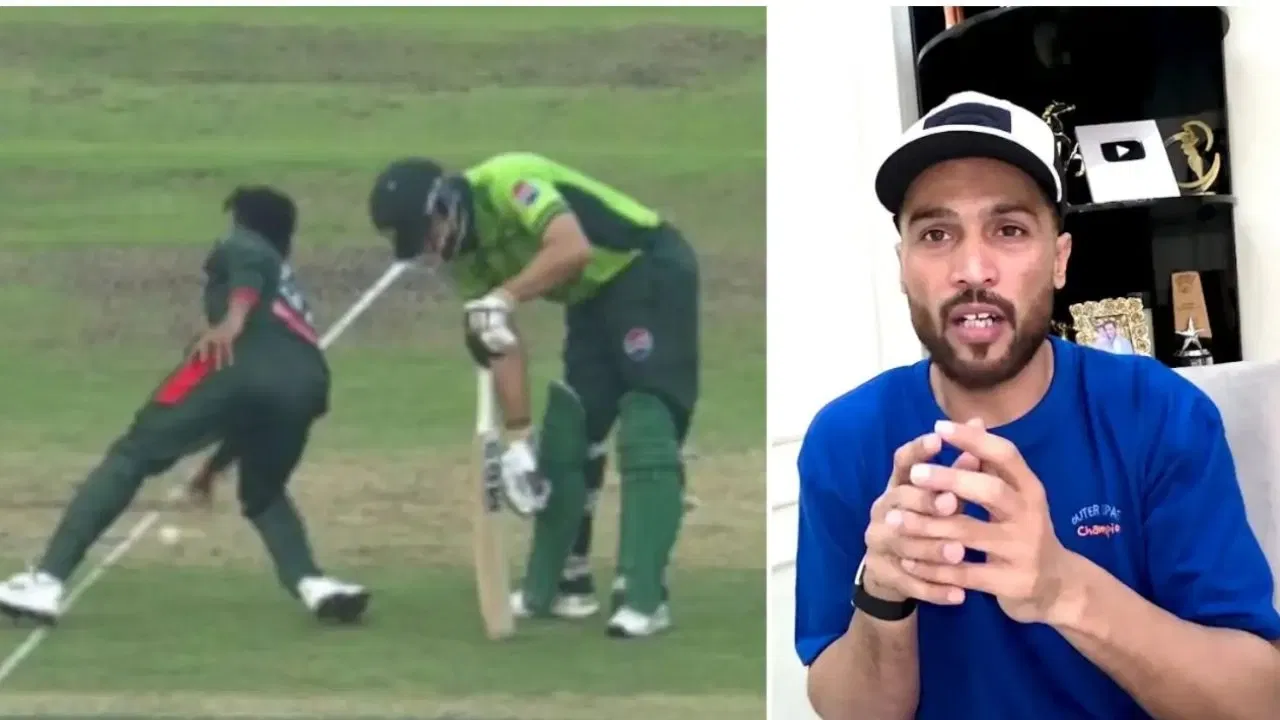
Mohammad Amir accuses umpires of cheating in Salman Ali Agha run-out controversy
Harshit Rana replacement at KKR: 3 pacers who could replace him in IPL 2026
‘Hardik Pandya sometimes needs…’: Rohit Sharma named ‘real’ Mumbai Indians captain ahead of IPL 2026
Mohammad Kaif becomes Pakistan supporter in Salman Ali Agha-Mehidy Hasan Miraz run-out controversy