Pakistan players catch fire as Indian protestors turn violent before Asia Cup match
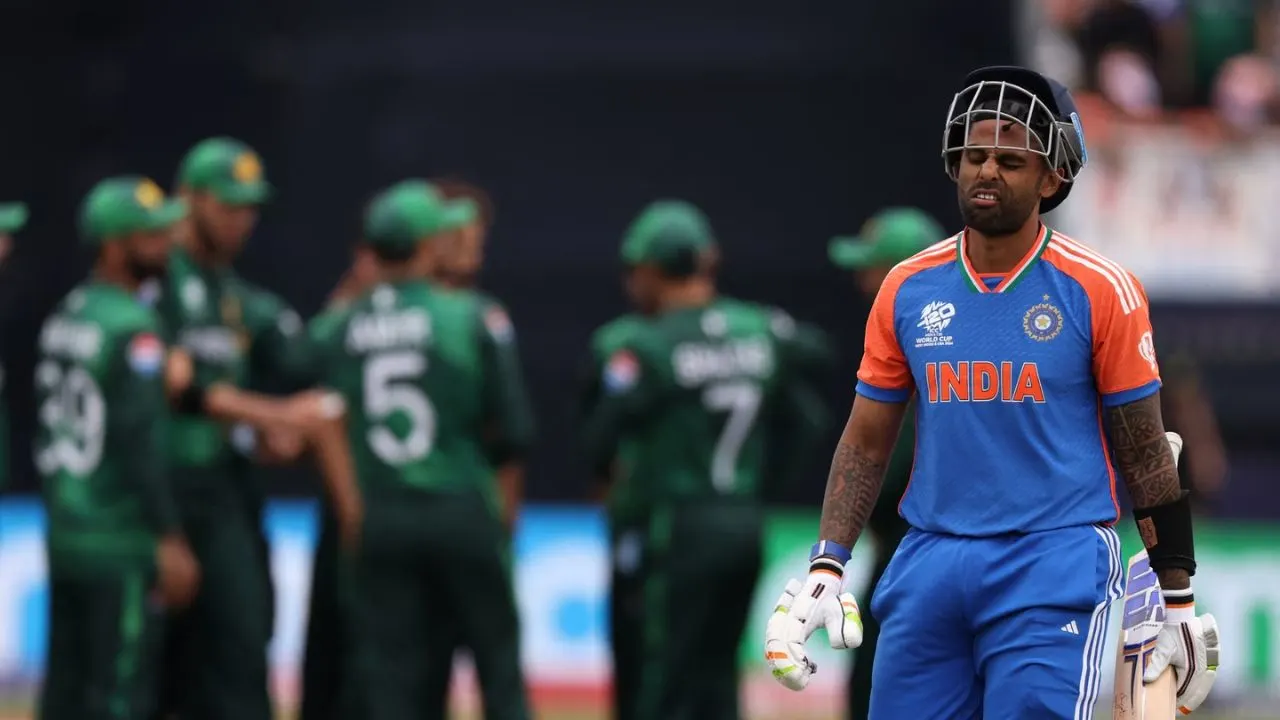
Opposition Leaders and Activists Protest India-Pakistan Asia Cup Match Amidst Growing Calls for Boycott
Predictions for the Highly Anticipated Match
Opposition leaders and activists have taken to the streets to protest the upcoming Asia Cup 2025 match between India and Pakistan, scheduled to take place at the Dubai International Cricket Stadium on Sunday, September 14. The protest comes in the wake of the Pahalgam terror attack that claimed the lives of 26 civilians on April 22.
The activists expressed their discontent by burning an effigy representing Pakistani cricketers in New Delhi. The incident has sparked a heated debate about the appropriateness of the match amidst the recent tragic events.
Background of the Pahalgam Terror Attack
The Pahalgam terror attack shook the nation when Pakistani terrorists killed innocent civilians in the Baisaran meadow of south Kashmir. The incident led to widespread demands from opposition leaders, activists, and victims’ families to cancel all ties between India and Pakistan.
India responded to the attack with Operation Sindoor, launching missile strikes on terror bases in Pakistan and Pakistan-Occupied Kashmir (PoK). The situation escalated with retaliatory drone assaults and cross-border shelling before both countries agreed to a ceasefire on May 10.
Controversy Surrounding the Asia Cup Fixture
Despite the calls to cancel ties between the two nations, the Board of Control for Cricket in India (BCCI) has maintained that the Asia Cup fixture must proceed as scheduled. The decision has faced severe criticism from fans and opposition leaders alike, questioning the board’s priorities.
Leaders like AAP’s Saurabh Bharadwaj have condemned the decision, calling it a gross humiliation of the women who lost their husbands in the Pahalgam attack. He and his party workers protested in the national capital by burning an effigy representing Pakistani players.
Victims’ Families Speak Out
One of the victims’ widows, Aishanya, whose husband was killed in the Pahalgam terror attack, has urged citizens to boycott the upcoming India-Pakistan Asia Cup match. She criticized the BCCI for allowing the fixture to go ahead, calling it deeply insensitive and a lack of respect for the lives lost in the attack.
Anticipation for the Asia Cup 2025
The Asia Cup 2025 kicked off on September 9 with eight nations vying for the title. The match between India and Pakistan is one of the most anticipated fixtures of the tournament, with both teams expected to comfortably reach the Super Four stage and potentially face each other again.
Should they progress to the final, fans could witness a thrilling third meeting between the arch-rivals, adding to the already intense rivalry between the neighboring nations.
As the controversy surrounding the match continues to unfold, the eyes of cricket fans around the world remain fixed on the upcoming clash between India and Pakistan, eagerly awaiting the outcome of this highly anticipated match.
Impact of Political Tensions on Sports
The ongoing political tensions between India and Pakistan have often spilled over into the realm of sports, with cricket being a particularly significant battleground. Matches between the two countries have historically been charged with emotions, reflecting the complex relationship between the nations. The Asia Cup fixture has become a focal point for expressing national pride, further intensifying the sentiments surrounding the game.
While sports have traditionally been seen as a means to foster peace and unity, they can also become a platform for political statements and confrontations. The decision to go ahead with the India-Pakistan match amidst such heightened tensions highlights the intricate balance between sportsmanship and political realities.
Role of Sports Diplomacy in Conflict Resolution
Sports diplomacy has been used in the past as a tool for conflict resolution and peacebuilding between nations. While the Asia Cup match has sparked controversy, some argue that engaging in sports exchanges can help bridge divides and promote understanding between India and Pakistan. By participating in sporting events, countries can potentially create avenues for dialogue and communication that go beyond traditional diplomatic channels.
However, critics of the match argue that playing under such circumstances may trivialize the gravity of the Pahalgam terror attack and undermine the suffering of the victims’ families. The debate over the role of sports in diplomacy continues, with differing opinions on the effectiveness of sporting events in fostering reconciliation.
Global Attention on India-Pakistan Matches
Matches between India and Pakistan garner immense global attention, with fans and media outlets around the world closely following the rivalry. The intense competition, historical context, and geopolitical significance of the matches make them compelling spectacles for cricket enthusiasts internationally.
The Asia Cup 2025 match between the two nations is no exception, with expectations running high for an exciting contest between the arch-rivals. The outcome of the game is likely to reverberate beyond the cricket field, influencing public perception, political narratives, and bilateral relations between India and Pakistan.
Support for Victims’ Families and Calls for Unity
Amidst the controversy surrounding the match, there has been a groundswell of support for the victims’ families affected by the Pahalgam terror attack. Civil society groups, activists, and concerned citizens have rallied around the cause, calling for justice and remembrance for those who lost their lives.
While the debate on whether the match should proceed continues, there have also been calls for unity and empathy towards all those impacted by the tragic events. The cricketing community, in particular, has a role to play in honoring the memory of the victims and promoting a spirit of solidarity in times of adversity.
Final Thoughts
As the India-Pakistan Asia Cup match approaches, the tensions and controversies surrounding the fixture serve as a reminder of the complex intertwining of sports, politics, and emotions. The outcome of the game will undoubtedly have far-reaching implications, shaping narratives, perceptions, and relationships between the two nations.
Regardless of the result on the cricket field, the aftermath of the match will offer an opportunity for reflection, dialogue, and perhaps even reconciliation. The power of sports to transcend borders and bring people together remains a potent force, even in the midst of conflict and controversy.
As fans await the showdown between India and Pakistan, the broader implications of the match underscore the multifaceted nature of international relations and the enduring impact of sports on society.
Latest News
Shubman Gill out? Virat Kohli’s Test comeback as captain suggested by CSK legend
Jason Gillespie gives major update on Glenn Maxwell’s availability for PSL 2026
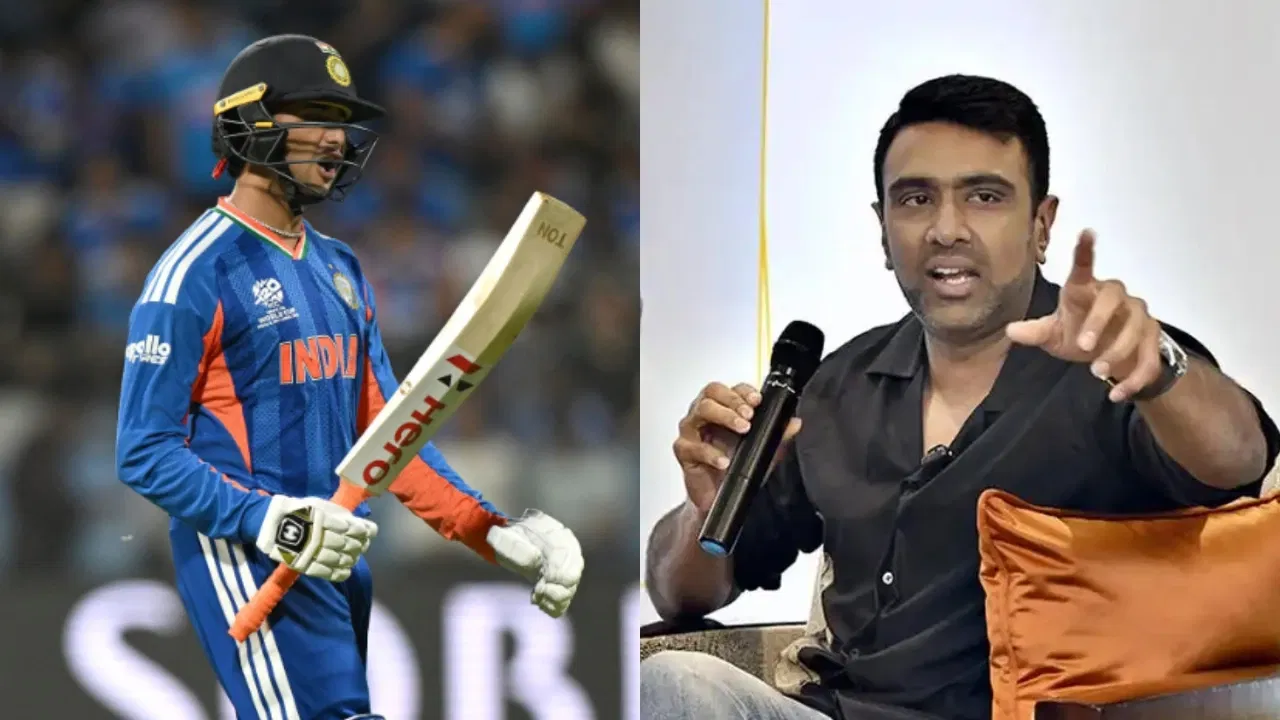
‘I’m a big fan but…’: Ravichandran Ashwin criticises Abhishek Sharma after failure vs RCB.

LHQ vs KRK Match Prediction, Pitch & Weather Report, Playing XIs, Head-to-Head, Free Live Streaming – PSL 2026 Match 6
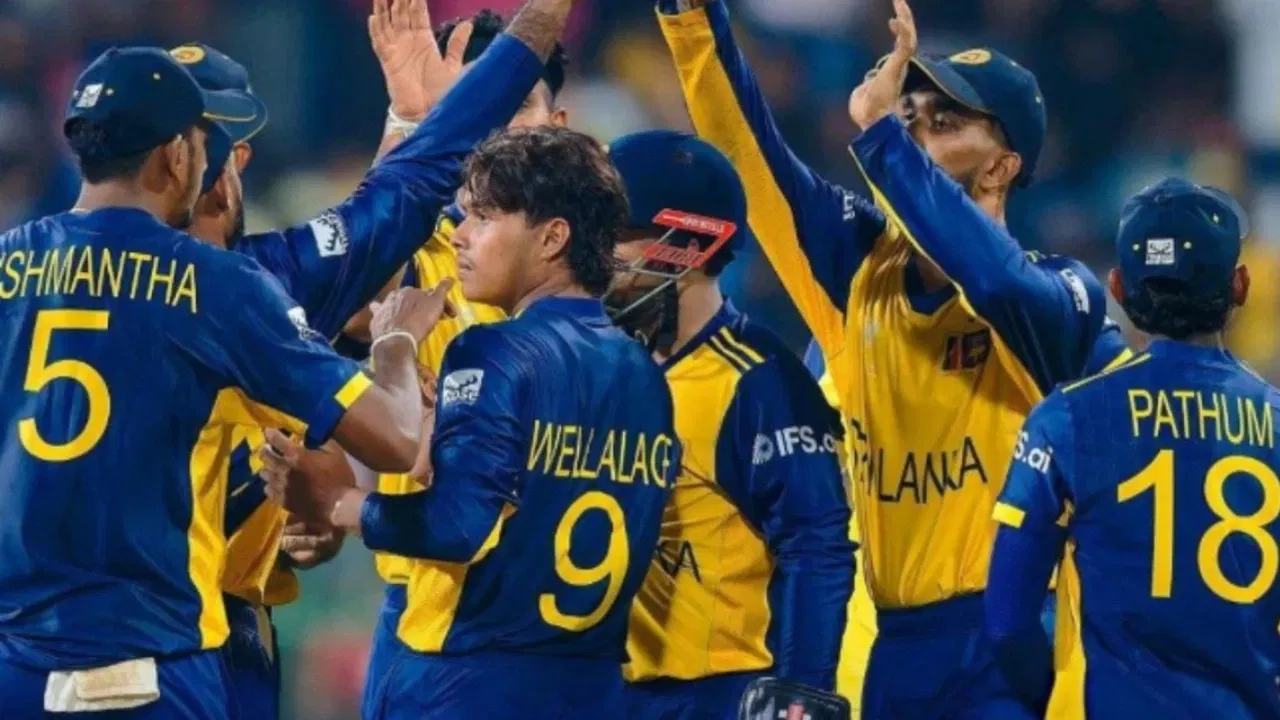
IPL teams on alert!: Sri Lanka fitness crisis sees almost 50% players fail tests
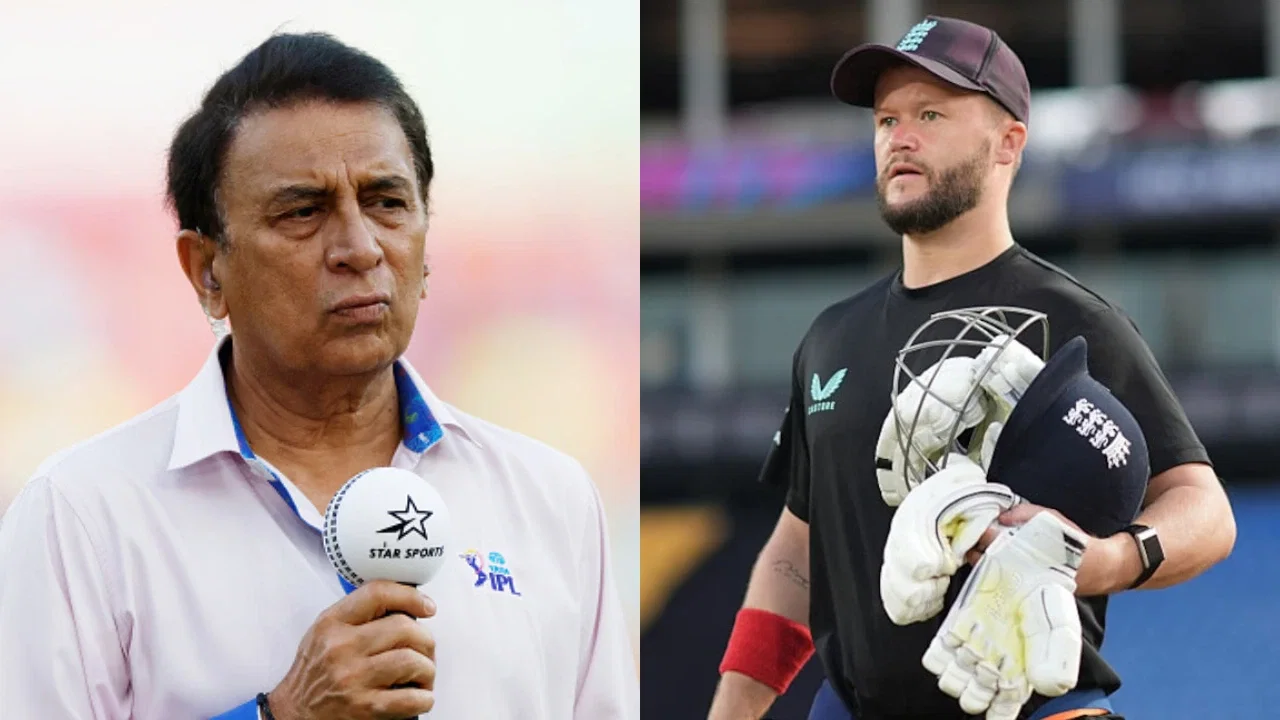
Ben Duckett in trouble? Sunil Gavaskar pushes BCCI for tougher punishment
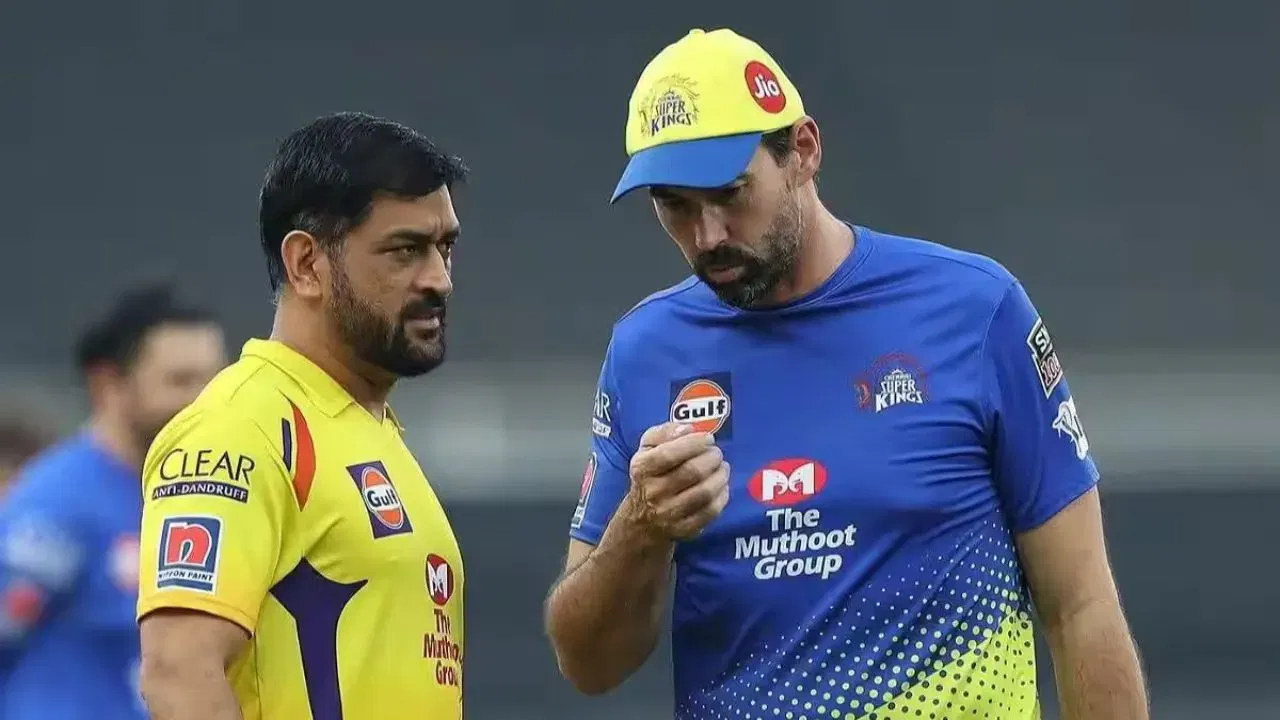
MS Dhoni faking injury? Michael Vaughan suspects ‘strategic manoeuvre’ in CSK camp for IPL 2026
KKR coach criticises Impact Player rule, provides huge Matheesha Pathirana update
Sam Curran reveals private chat with Brendon McCullum after England axing
Ravichandran Ashwin brutally teased by Virender Sehwag on IPL 2026 debut
Virat Kohli’s ego under spotlight! Ex-KKR star makes bold claim after heroics vs SRH
Jay Shah rises to No. 22 among most powerful people in India in 2026; Virat Kohli, Gautam Gambhir included

SRH suffer huge blow! Daniel Vettori confirms another overseas pacer injured amid crisis
IPL Points Table 2026: Updated Standings, Orange Cap, Purple Cap After RCB vs SRH Match 1