Pakistan players wanted to bring Kashmir, Air Force after beating India in Asia Cup, special jersey printed
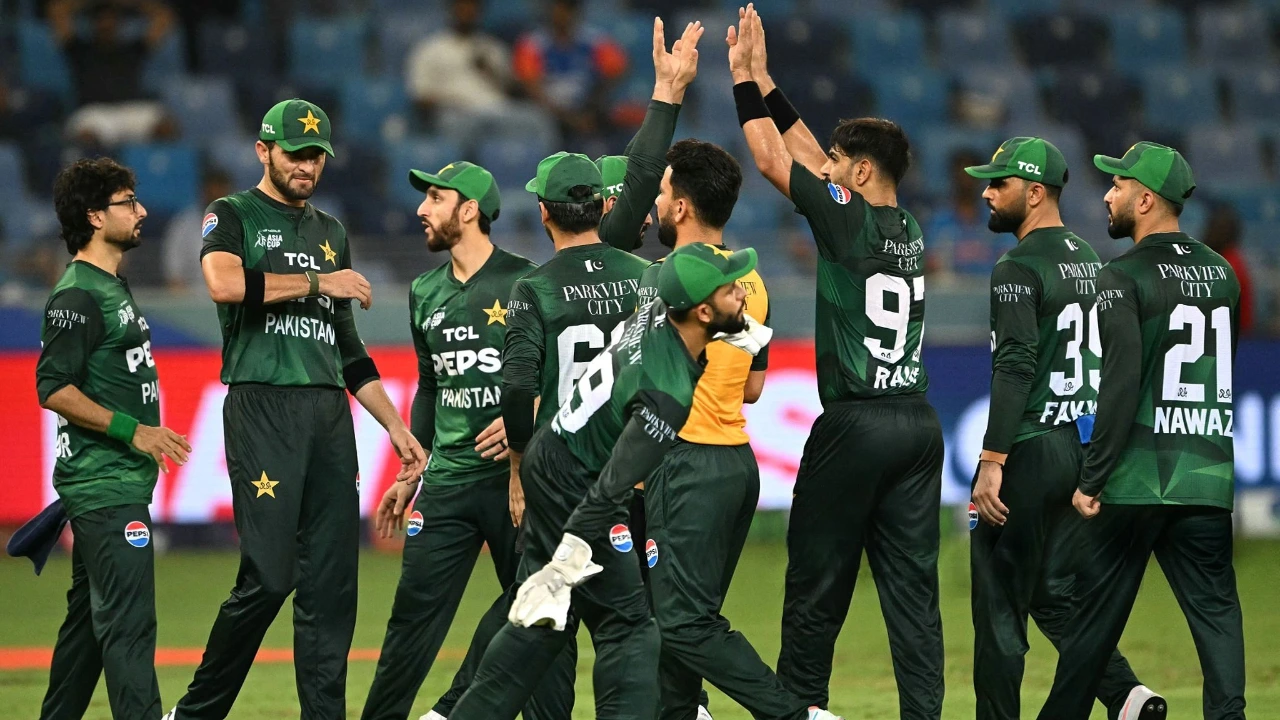
The Dramatic Turn of Events at the Asia Cup 2025
What was supposed to be a celebration of cricket at the Asia Cup 2025 has turned into one of the most controversial and dramatic tournaments in history. The highly anticipated final between India and Pakistan ended with India emerging victorious, but the win has been overshadowed by a series of shocking incidents both on and off the field.
Controversies and Political Drama
From the very beginning, the tournament was marred by controversies and political tensions. The Indian team refused to shake hands with the Pakistan players, citing Operation Sindoor as the reason. The tensions escalated when the Pakistan team made provocative gestures like gun-firing and airplane-crash gestures during matches, crossing the boundaries of sportsmanship.
Adding to the drama, the Men in Blue refused to accept the Asia Cup trophy from the ACC President and PCB chairman Mohsin Naqvi, who is also Pakistan’s Interior Minister. The trophy still remains in Dubai as Naqvi insisted that the Indian captain should personally come to his office to collect it, further deepening the divide between the two teams.
Furthermore, tensions escalated as it was revealed that Pakistan had planned a political statement on Kashmir had they won the tournament. The team had prepared special T-shirts highlighting “Azad Kashmir” to be displayed during celebrations, along with a mention of the Pakistan Air Force to draw attention beyond the cricket field.
The Failed Plan and India’s Victory
Despite Pakistan’s intentions, their plan to make a statement on Kashmir flopped as India clinched the Asia Cup title. The close sources from the Pakistan team revealed that Kashmir was a significant part of their post-match strategy, with plans to showcase their stance on the issue if they had emerged victorious.
According to a source close to the team, “The Pakistan team had planned to make a statement about Azad Kashmir if they had won the Asia Cup 2025 final. They had even printed a special T-shirt to advertise their Azad Kashmir mission. The players were planning to show this message on the grand stage and mention the Air Force as well. If they won, the Kashmir issue was confirmed to be mentioned.”
Division Among ACC Members
The aftermath of the tournament has left the Asian Cricket Council divided, with Sri Lanka siding with India, Bangladesh aligning with Pakistan, and Afghanistan reportedly switching sides based on the situation. The tensions and political undertones have not only overshadowed the cricketing achievements but have also highlighted the deep-rooted issues between the two nations.
In conclusion, what was expected to be a celebration of cricket at the Asia Cup 2025 has turned into a tale of controversies, political drama, and power struggles. The tournament will be remembered not only for the thrilling matches on the field but also for the off-field incidents that have left a lasting impact on the cricketing world.
The Impact of Social Media
In today’s digital age, social media played a significant role in amplifying the controversies and drama surrounding the Asia Cup 2025. Fans from both India and Pakistan took to various platforms to express their opinions, with hashtags related to the tournament trending worldwide. The intense rivalry between the two nations was further fueled by online debates and discussions, adding another layer of complexity to the already tense situation.
Players’ social media accounts also became a battleground for supporters, with messages of support and criticism flooding their timelines. The use of social media as a tool to influence public opinion and shape narratives has become increasingly prevalent in the world of sports, further blurring the lines between on-field performance and off-field controversies.
The Future of Indo-Pak Cricket Relations
The events at the Asia Cup 2025 have brought to the forefront the deep-seated political tensions between India and Pakistan, further complicating the already strained cricketing relations between the two nations. The incidents at the tournament have raised questions about the future of bilateral cricketing ties and the impact of political dynamics on the sport.
With both countries being cricket-crazy nations, the potential cancellation or suspension of matches between India and Pakistan could have far-reaching consequences for the sport. Fans on both sides of the border eagerly anticipate these high-stakes matches, and any disruption in the cricketing schedule could lead to disappointment and frustration among supporters.
The Role of Predictive Analysis in Sports
As the drama unfolded at the Asia Cup 2025, one cannot help but wonder about the role of predictive analysis in sports. With the use of advanced data analytics and machine learning algorithms, teams can now predict outcomes, analyze player performance, and strategize more effectively. However, in a tournament filled with unexpected twists and turns like the Asia Cup 2025, the limitations of predictive analysis are also apparent.
While data-driven insights can provide valuable information to teams and coaches, the unpredictable nature of sports means that unexpected events can always alter the course of a game or tournament. The Asia Cup 2025 serves as a reminder that while predictions can be useful, they are not foolproof and that the essence of sports lies in its ability to surprise and captivate audiences.
Reflections on Sportsmanship and Unity
Amidst the controversies and political tensions that overshadowed the Asia Cup 2025, it is essential to reflect on the values of sportsmanship and unity that are at the core of any sporting event. While the rivalry between India and Pakistan is deeply rooted in history and politics, it is crucial to remember that cricket is a game that has the power to bring people together.
As fans, players, and officials navigate the aftermath of the tournament, it is a time for introspection and a renewed commitment to promoting goodwill and camaraderie through sports. The Asia Cup 2025 may have been marred by controversy, but it also serves as a reminder of the need for mutual respect, understanding, and a shared love for the game that transcends borders and politics.
With the expanded content providing insights into the impact of social media, the future of Indo-Pak cricket relations, the role of predictive analysis in sports, and reflections on sportsmanship and unity, readers gain a deeper understanding of the complexities surrounding the dramatic events at the Asia Cup 2025.
Latest News
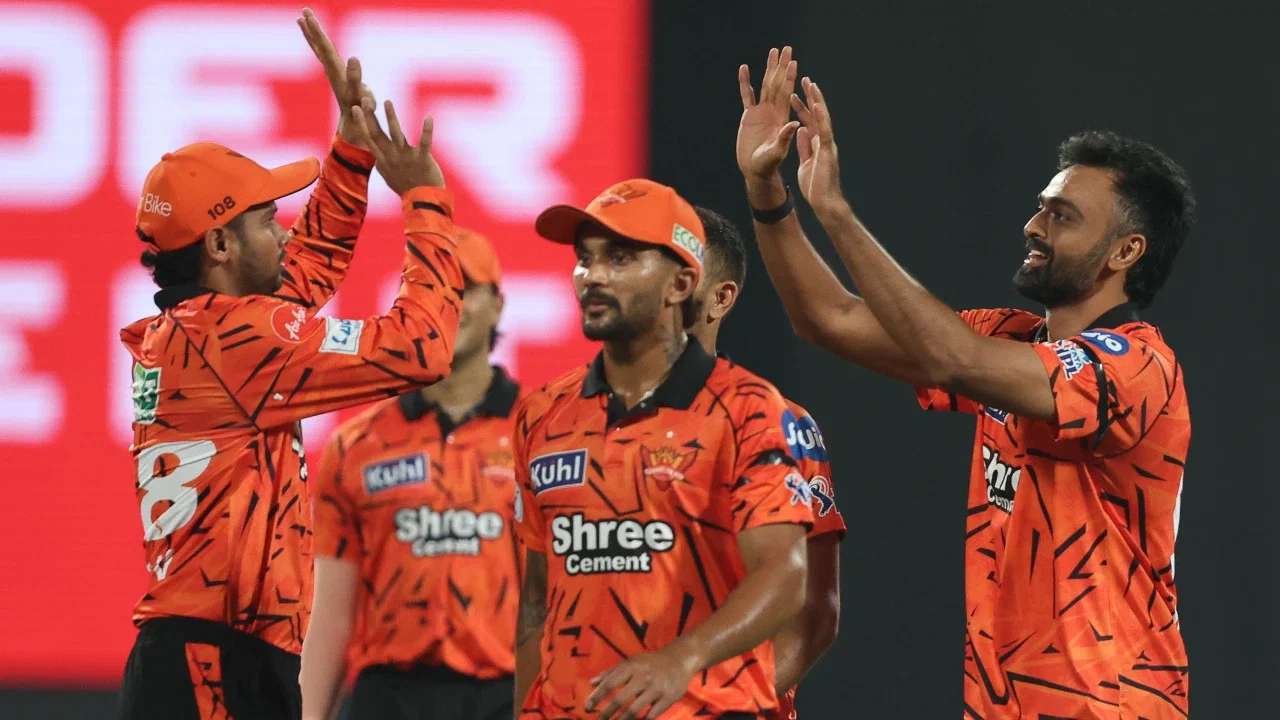
“Only God can save them”: SRH’s bowling attack slammed as “fake” and “terrible” after RCB thrashing
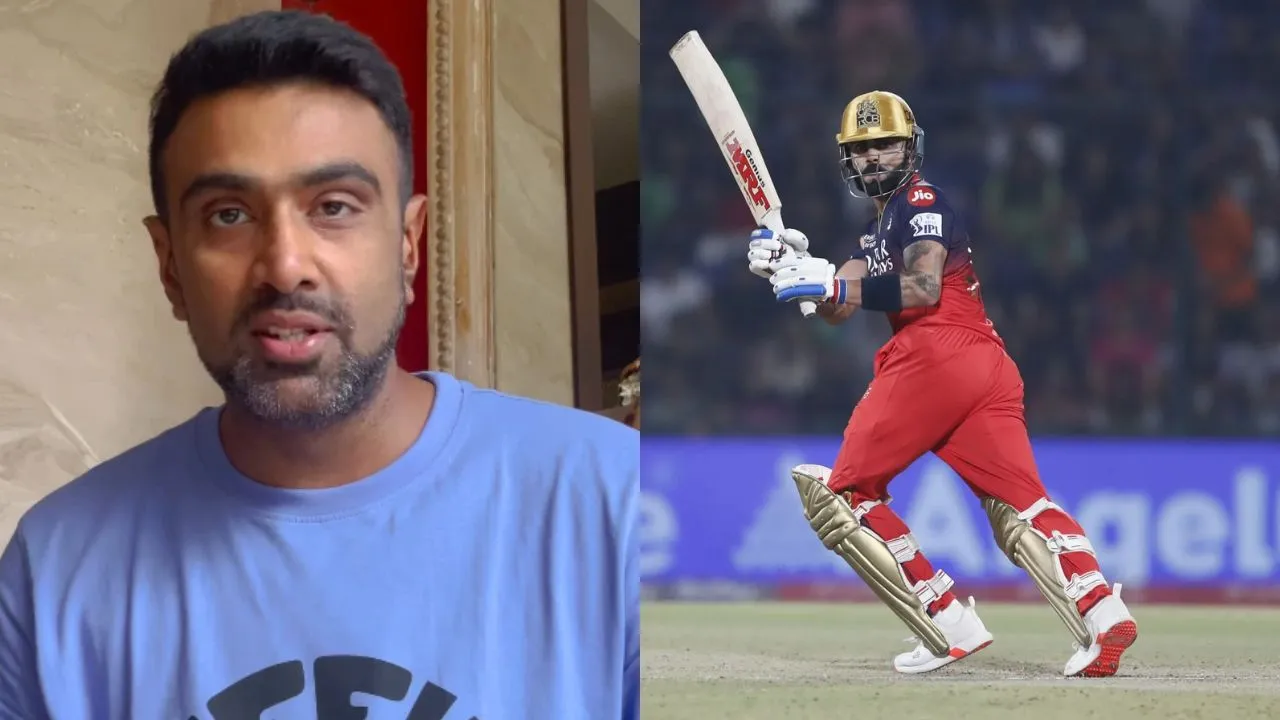
“I find him quite bizarre”: Ravichandran Ashwin’s no-nonsense verdict on Virat Kohli

Michael Vaughan makes a bold declaration on IPL 2026, hands SRH no chance for the playoffs
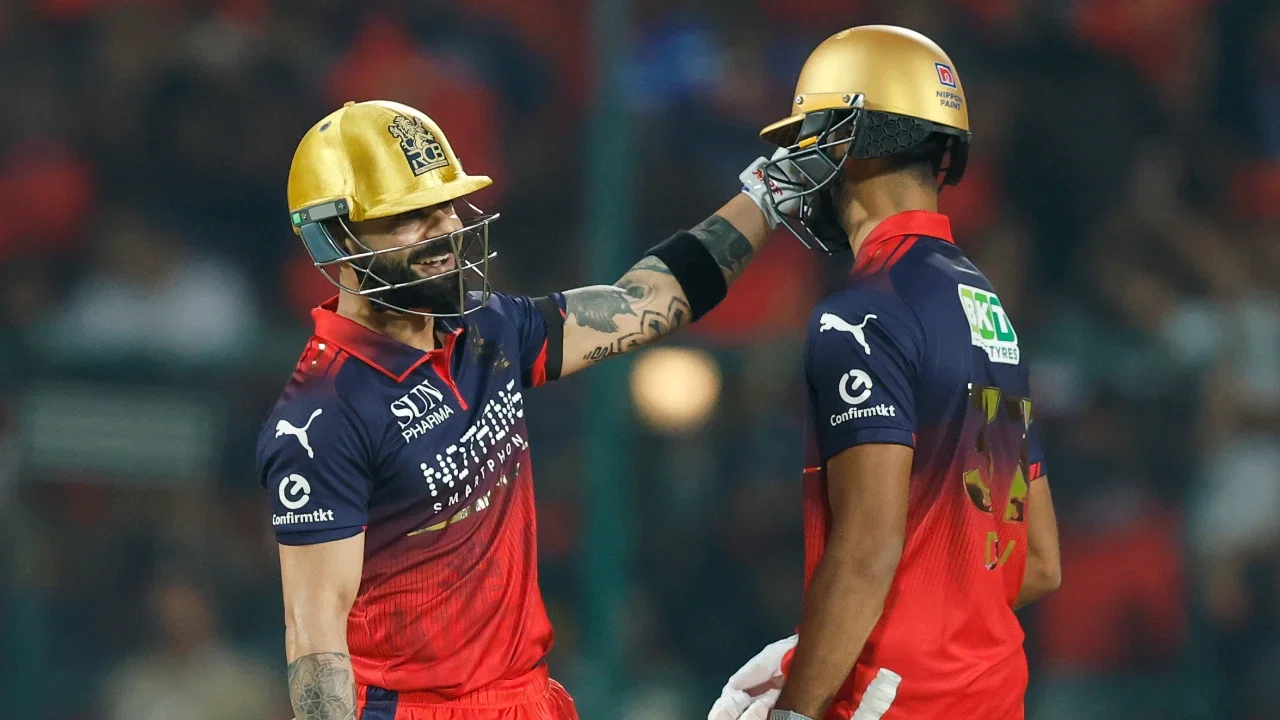
‘Virat Kohli made my job easier’: Devdutt Padikkal bows down to King after heroics vs SRH

“We dedicate this win to 11 fans”: RCB captain Rajat Patidar pays tribute to stampede victims

Ravi Bishnoi trolls Babar Azam from the Rajasthan Royals training camp

Mumbai Indians on the verge of history ahead of IPL 2026 clash against KKR
Jofra Archer imitates Ravindra Jadeja’s bowling action in nets amid IPL 2026 (Watch video)

‘Tommy, Ek ko papa chun le’: Harbhajan Singh delivers abusive responses to commentary critics
Huge blow for CSK! MS Dhoni likely out for six matches in IPL 2026
Rohit Sharma to wreak havoc at Wankhede! Ex-BCCI selector’s massive warning for KKR bowlers
‘Shreyas Iyer is one of the strongest captains in IPL’ – Australia star in awe of PBKS skipper
Shubman Gill out? Virat Kohli’s Test comeback as captain suggested by CSK legend

Jason Gillespie gives major update on Glenn Maxwell’s availability for PSL 2026