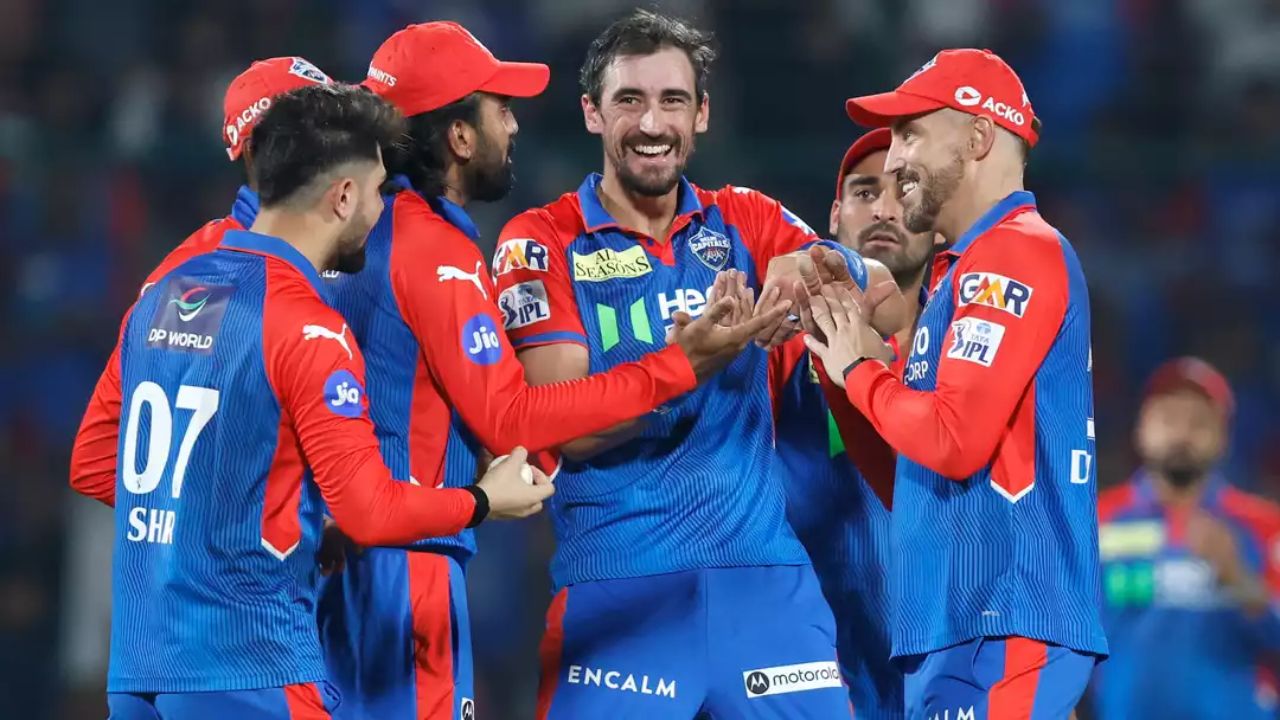
Pakistan PM Shehbaz Sharif launches missile on BCCI, drops ultra-hypocritical statement
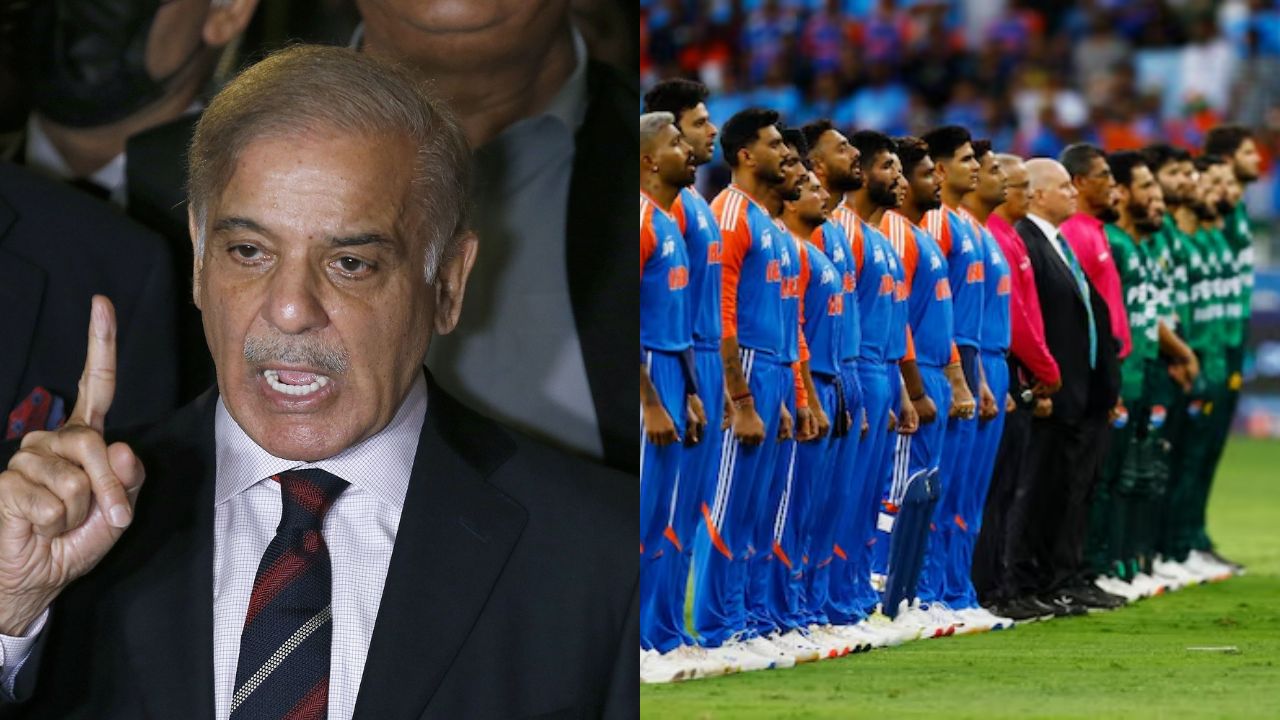
Pakistan to Boycott T20 World Cup Match Against India
For the first time, a high-ranking official related to the Pakistan Cricket Board (PCB) or the Pakistan government has spoken out about the team’s decision to boycott the T20 World Cup fixture against India. Prime Minister Shehbaz Sharif recently addressed his cabinet members, making the government’s stance clear regarding this controversial move.
Background of the Decision
The decision to boycott the match came after the International Cricket Council (ICC) did not meet Bangladesh’s demands ahead of the World Cup, leading to the team’s withdrawal from the tournament. In response, the ICC swiftly announced Scotland as Bangladesh’s replacement for the event, without attempting to negotiate with the BCB.
During the ICC general body meeting where the decision to replace Bangladesh with Scotland was made, 14 members voted in favor, including the PCB, while only 2 were against it. Bangladesh’s decision to boycott the World Cup was not made by the cricket board but rather announced by a government advisor, turning the issue into a political statement.
Political Standpoint
Backing Bangladesh, Prime Minister Sharif cited ‘politics’ as the reason for boycotting the match against India. Pakistan confirmed its participation in the T20 World Cup but made it clear that they would not play against India on the 15th of February at the R. Premadasa Stadium. Sharif emphasized that the decision was made to show solidarity with Bangladesh and to take a stand against mixing politics with sports.
“We have taken a very clear stand on the T20 World Cup that we won’t play the match against India because there should be no politics on the sports field,” Sharif explained. “We stand by Bangladesh and believe this decision is appropriate.”
Criticism of ICC
PCB Chief Mohsin Naqvi, a member of the PM’s cabinet, criticized the ICC for its alleged double standards and biased treatment of cricket boards. Naqvi pointed out the example of India not traveling to Pakistan for the Champions Trophy in 2025, calling the ICC’s actions unfair and inconsistent.
“This stand is necessary because Bangladesh has been treated unfairly by the ICC. They should be allowed to play in the World Cup as they are a significant stakeholder in cricket,” Naqvi stated.
Future Decision-Making
It remains unclear whether the PCB has officially informed the ICC of their decision to boycott the India match or if any negotiations have occurred between the two boards. The ICC has urged the PCB to reach a mutually acceptable resolution to avoid long-term consequences.
While the Pakistan government has only addressed the group-stage game so far, a decision regarding potential knockout clashes in the tournament is still pending. The PCB has entrusted the government with the final decision-making authority and has committed to abiding by all directives from the Sharif administration.
Overall, the political and cricketing landscape is undergoing significant shifts as Pakistan takes a firm stance in solidarity with Bangladesh, setting the stage for an eventful T20 World Cup.
Impact on T20 World Cup Dynamics
The decision by Pakistan to boycott the T20 World Cup match against India has sent ripples through the cricketing world, reshaping the dynamics of the tournament. With one of the most anticipated matches now in question, fans and experts are closely monitoring the developments surrounding this bold stance taken by Pakistan.
As the tournament approaches, the absence of a high-profile match between Pakistan and India could have significant implications for viewership, revenue, and overall excitement surrounding the event. The rivalry between the two cricketing nations is legendary, and the void left by the boycott will undoubtedly be felt across the cricketing community.
Broader Implications for Sports and Politics
The decision to boycott the match also raises important questions about the intersection of sports and politics on the international stage. By taking a stand in solidarity with Bangladesh, Pakistan is not only making a statement within the realm of cricket but also sending a message about the importance of separating political conflicts from sports competitions.
This stance could set a precedent for future interactions between cricketing nations, highlighting the need for transparent and fair decision-making processes within governing bodies like the ICC. The criticism of the ICC’s alleged double standards by PCB Chief Mohsin Naqvi underscores the complexities and challenges faced by cricket boards in navigating geopolitical tensions within the realm of sports.
Potential Long-Term Ramifications
While the immediate focus is on the upcoming T20 World Cup match, the long-term ramifications of Pakistan’s boycott decision remain to be seen. Depending on how the situation unfolds and the responses from various stakeholders, this move could have lasting effects on diplomatic relations, cricketing alliances, and the future of international tournaments.
It will be crucial for the PCB and the ICC to engage in constructive dialogue to address the underlying issues that have led to this standoff. Finding common ground and establishing clear protocols for handling political disputes within the realm of cricket will be essential to ensure the integrity and unity of the sport moving forward.
Global Response and Speculation
As news of Pakistan’s boycott spreads, cricket enthusiasts, analysts, and officials from around the world are weighing in on the decision and its potential implications. Speculation is rife about the possible outcomes of this bold move, with some predicting a reevaluation of how international cricket tournaments are organized and managed.
The global response to Pakistan’s stance underscores the interconnected nature of sports, politics, and diplomacy, highlighting the need for nuanced approaches to navigating complex geopolitical landscapes within the sporting arena. The eyes of the cricketing world are firmly fixed on how this situation evolves and what it signifies for the future of international cricket competitions.
In conclusion, Pakistan’s decision to boycott the T20 World Cup match against India is a momentous development that transcends the boundaries of sports and delves into the realm of geopolitics and international relations. As the cricketing community grapples with the implications of this bold move, the stage is set for a tournament that promises to be not only a display of athletic prowess but also a reflection of the intricate interplay between sportsmanship, politics, and global dynamics.
Latest News
Yograj Singh makes blunt remark at Virat Kohli and Rohit Sharma over early retirement calls
Bhuvneshwar Kumar on brink of IPL history, needs two wickets for massive milestone
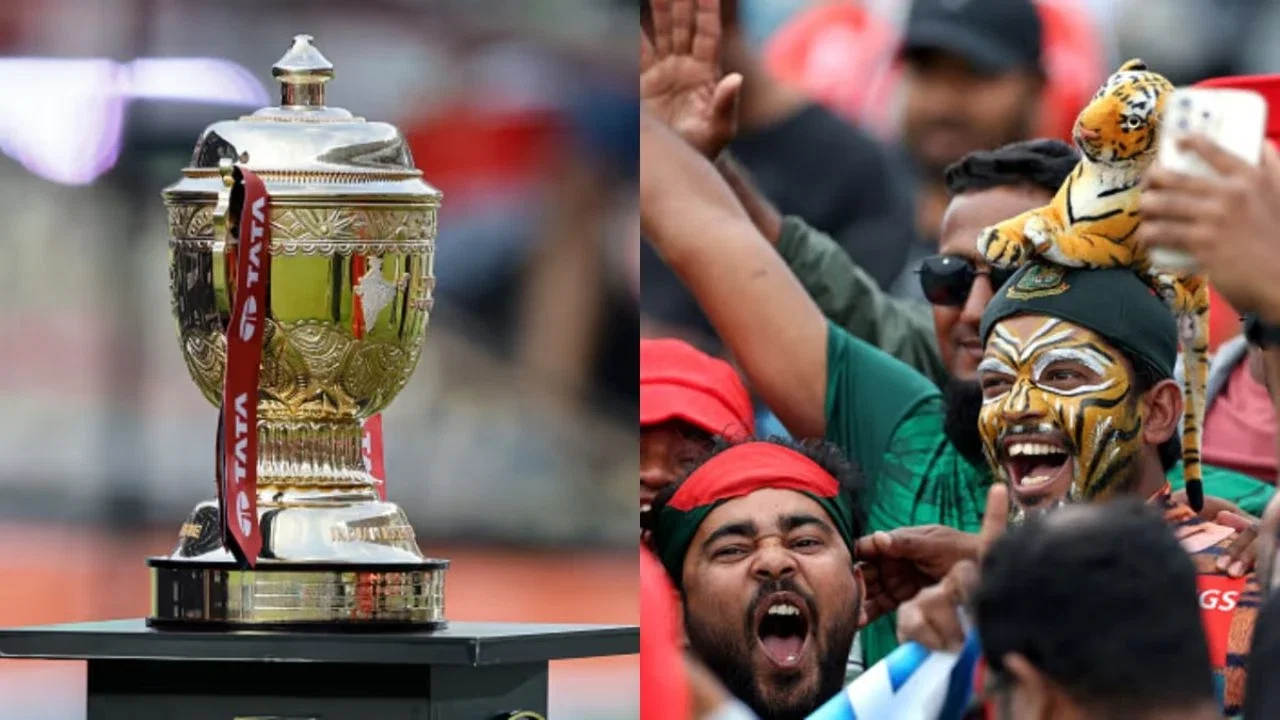
IPL to be broadcasted? Bangladesh government drops massive update on IPL broadcast ban
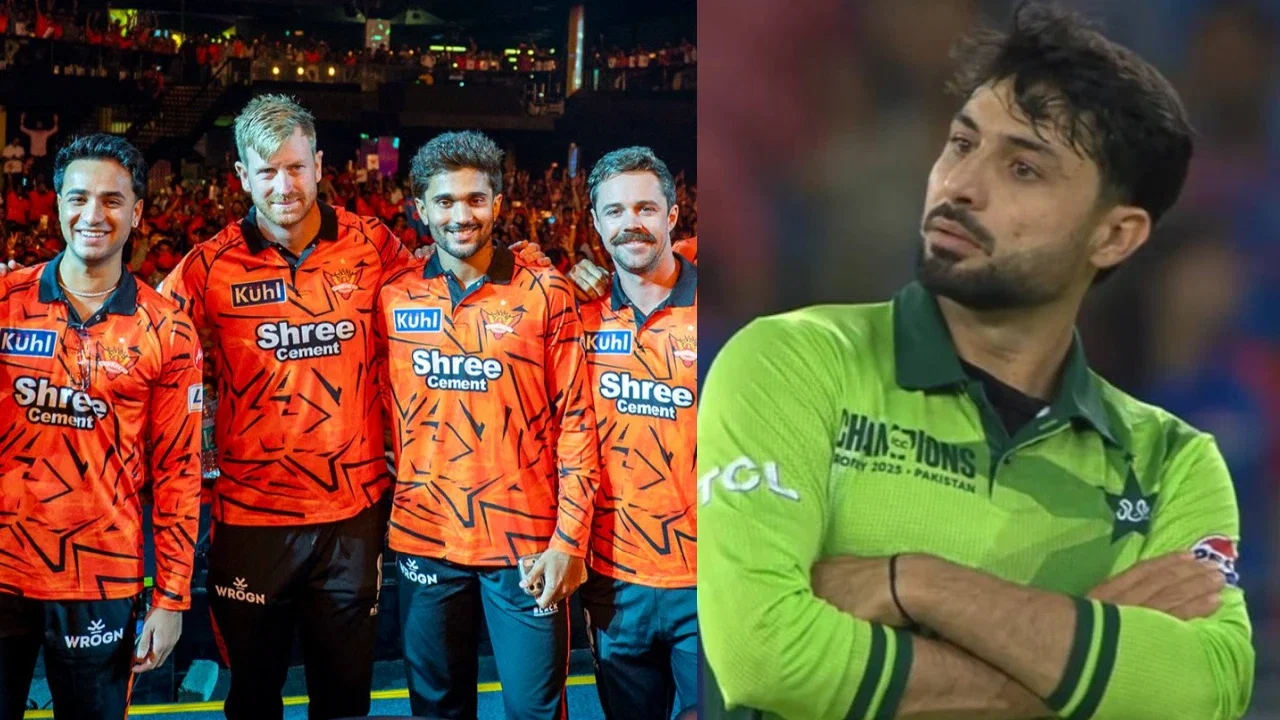
SRH fans to boycott IPL? Former India cricketer shares insights on social media drama around Abrar Ahmed
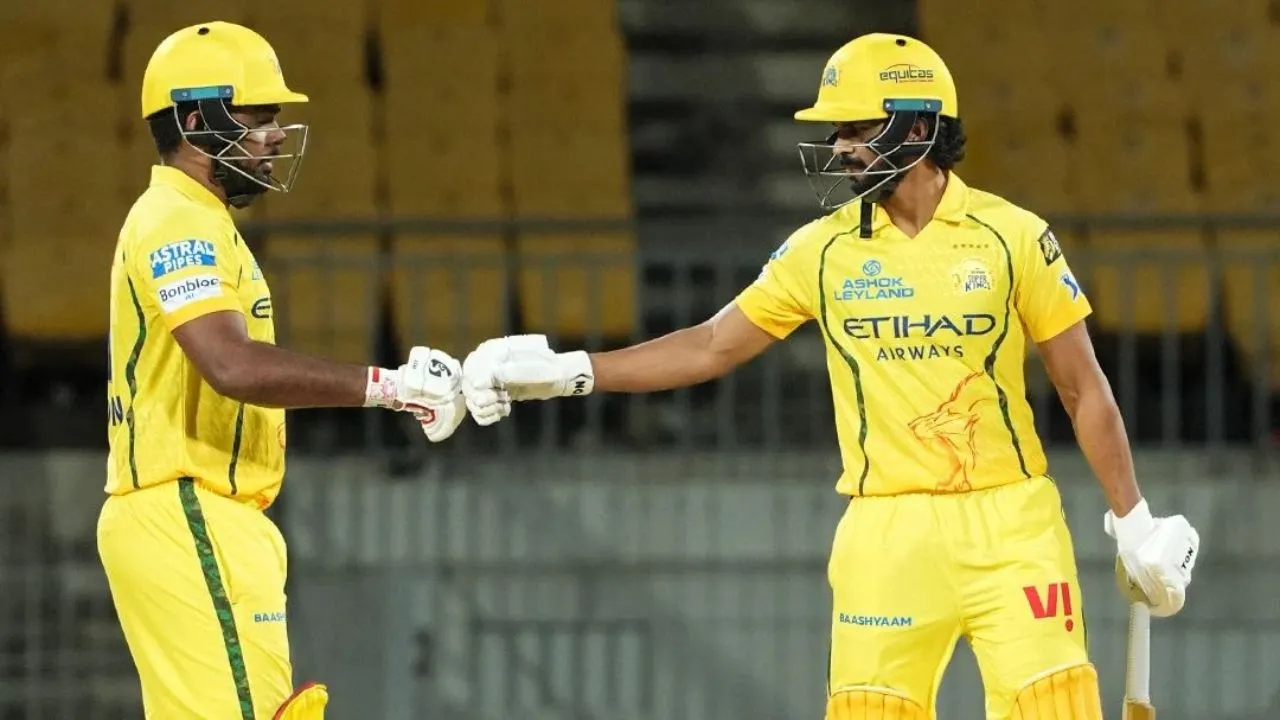
“Explore this opportunity”: Ruturaj Gaikwad shares inside story of convincing Sanju Samson to join CSK
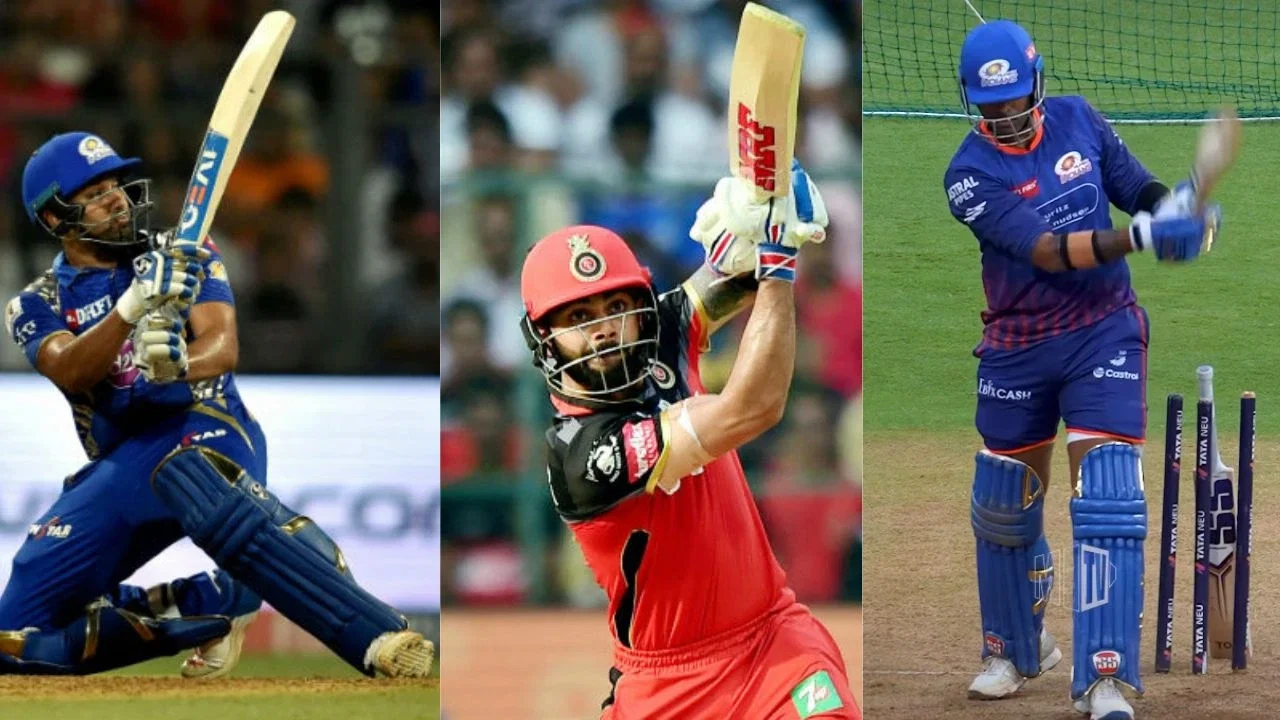
KKR pacer snubs Rohit Sharma, Virat Kohli, picks MI star as most difficult batter he’s bowled to
PSL drama erupts! Pakistan great blasted for “lack of manners” after embarrassing ex-England star
“2024 mein woh underrated the” – Vaibhav Arora on Shreyas Iyer not getting credit for KKR title win
Devon Conway settles IPL vs PSL debate once and for all
Ex-CSK star’s shocking claim on RCB vs SRH match ahead of IPL 2026
Misbah-ul-Haq takes legal action against Ahmed Shehzad over defamation claims
Naseem Shah charged with central contract violation during PSL 2026
MS Dhoni out of IPL 2026, has not recovered from calf strain
Jasprit Bumrah set to lead MI attack in blockbuster IPL 2026 clash vs KKR