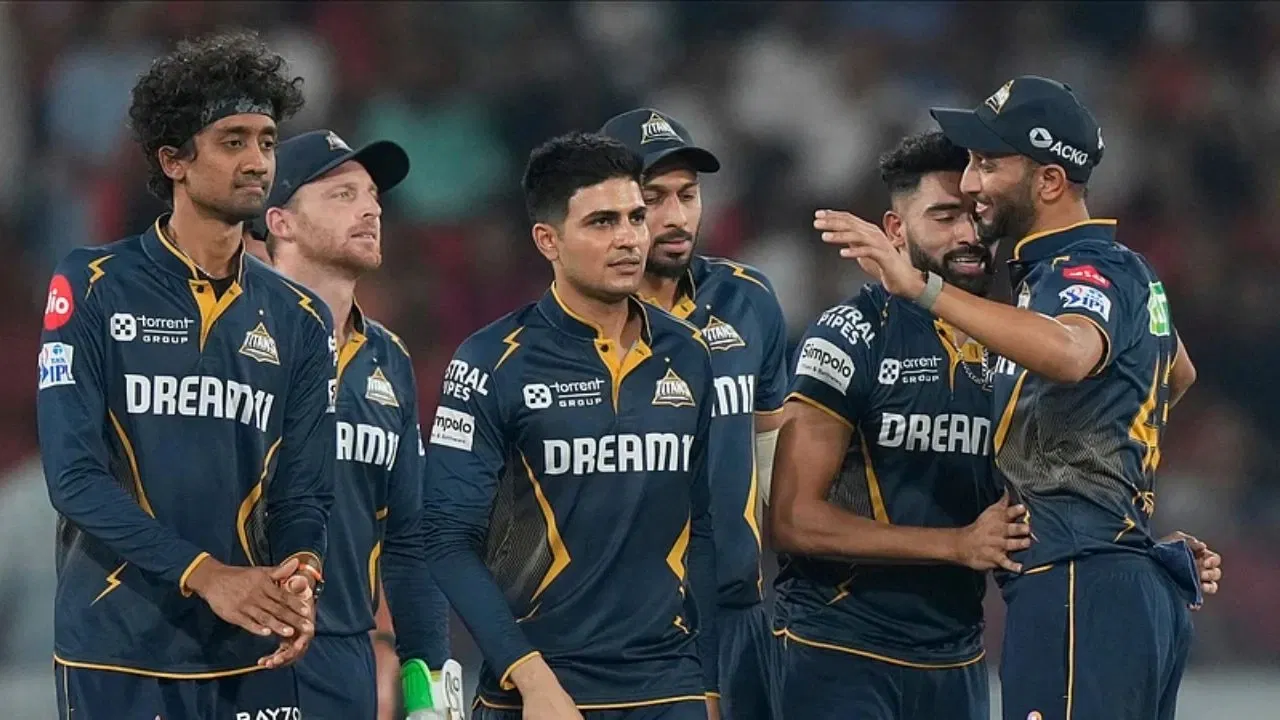
Pakistan set to boycott India clash as T20 World Cup 2026 faces biggest crisis
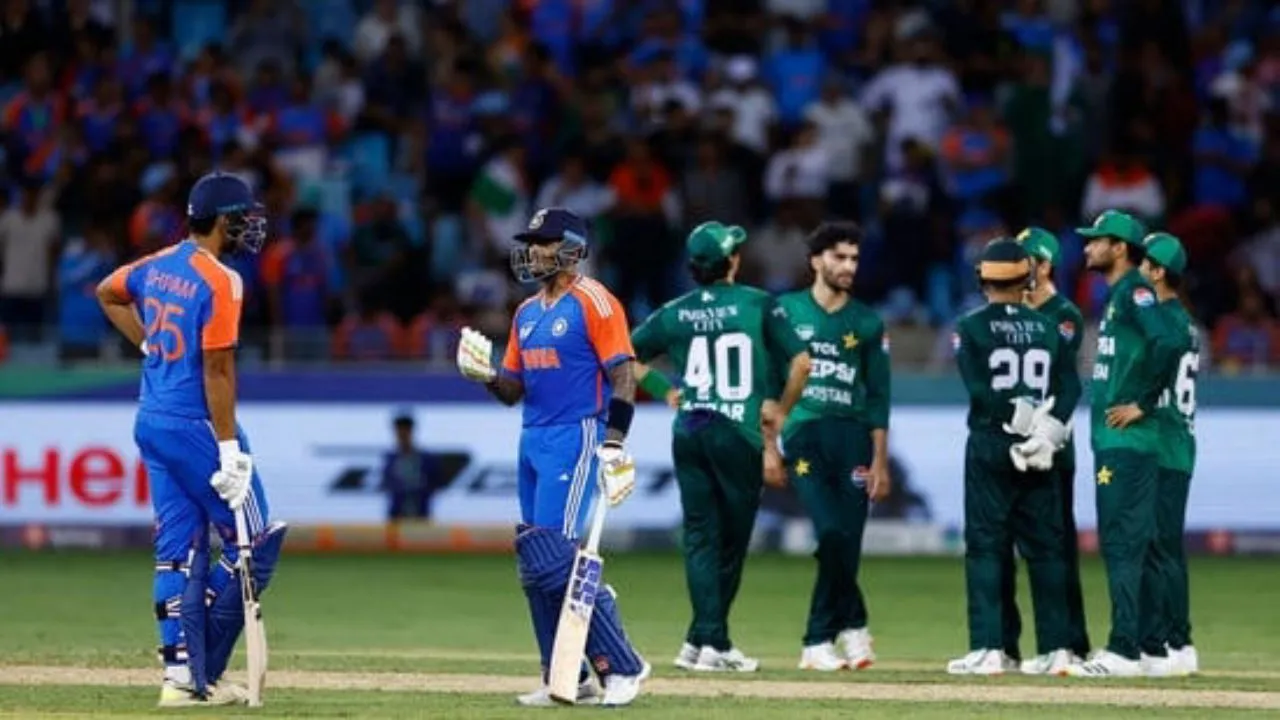
Pakistan Contemplates Boycotting India Match in ICC Men’s T20 World Cup 2026
In a surprising turn of events, the Pakistan National Cricket Team is contemplating boycotting their match against the India National Cricket Team in the upcoming ICC Men’s T20 World Cup 2026. Scheduled to take place at the R Premadasa Stadium in Colombo on February 15, this potential boycott has sent shockwaves through the cricketing world.
Reasons Behind the Boycott
According to reports from Geo News, Pakistan is considering this bold move as a form of protest against the International Cricket Council’s decision to remove Bangladesh from the T20 World Cup 2026. The ICC took this action after Bangladesh refused to visit India for the competition. The Pakistan Cricket Board (PCB), led by Mohsin Naqvi, is exploring various protest options to express their dissatisfaction with ICC’s handling of the situation.
The Pakistani team believes that skipping the match against India will not only cost them valuable points but will also impact the revenue generated from one of the most anticipated fixtures in cricket. Despite the squad announcement, the Pakistani government is hesitant to send the team to Sri Lanka for the tournament.
Government Involvement
A senior government source revealed that the final decision regarding Pakistan’s participation in the T20 World Cup rests with the Prime Minister. The PCB and the government are in agreement that the ICC’s treatment of Bangladesh has been unfair, prompting them to reconsider their involvement in the tournament. The source emphasized the importance of equal standards in international sports and criticized the ICC’s selective policies.
Protest Plans
Even if Pakistan decides to participate in the T20 World Cup, they plan to carry out several acts as part of their protest against the ICC. Reports from Samaa TV suggest that the team will wear black armbands during all their matches, skip the clash against India, and dedicate each tournament win to Bangladesh cricket supporters.
PCB Chief Mohsin Naqvi has been vocal about the injustice faced by Bangladesh and the need for fair treatment of all cricketing nations. Naqvi discussed the possibility of boycotting the entire competition with the players, highlighting the importance of standing up for principles in international sports.
Final Thoughts
The potential boycott of the India vs. Pakistan match in the ICC Men’s T20 World Cup 2026 has sparked a debate within the cricketing community. As the situation unfolds, all eyes are on Pakistan’s final decision and the implications it may have on the tournament. Stay tuned for more updates as this story continues to develop.
Pakistan’s Cricketing History with India
The rivalry between Pakistan and India in cricket dates back to the 1950s and has transcended the sport, becoming a significant cultural and political event. Matches between the two nations evoke intense emotions and attract massive viewership worldwide. Boycotting a match against India would not only impact Pakistan’s standing in the T20 World Cup but also have broader implications for the sport.
Impact on Fans and Sponsors
The decision to potentially boycott the match against India would disappoint millions of fans eagerly awaiting the high-stakes encounter. The India-Pakistan cricket rivalry is one of the most anticipated and riveting fixtures in the sport, drawing in massive crowds and television viewership. Sponsors and broadcasters heavily invest in these matches, making them financially lucrative for cricket boards and stakeholders.
Furthermore, a boycott could have long-term consequences on the commercial aspects of cricket, affecting future partnerships and sponsorships. The passionate fan bases of both nations contribute significantly to the overall revenue of cricketing events, making it essential for boards to consider the repercussions of their actions.
International Relations and Diplomacy
Cricket has often been used as a diplomatic tool between nations, fostering goodwill and communication on and off the field. The potential boycott of the India-Pakistan match could strain relations between the two countries and impact any ongoing efforts towards reconciliation or dialogue. The political undertones of the cricketing rivalry add another layer of complexity to this situation.
It is crucial for cricket boards and governments to navigate these sensitive matters with diplomacy and foresight, considering the broader implications of their actions on international relations and public perception.
Unity and Solidarity in Cricket
While protests and boycotts can be powerful tools for advocating change, they also risk undermining the unity and solidarity that cricket fosters among nations and players. The spirit of sportsmanship and fair play is a cornerstone of cricket, transcending boundaries and bringing people together through a shared love for the game.
As the cricketing community grapples with the implications of Pakistan’s potential boycott, it is essential to strike a balance between standing up for principles and upholding the values of sportsmanship, respect, and unity that define the spirit of cricket.
Conclusion
The decision to boycott the India vs. Pakistan match in the ICC Men’s T20 World Cup 2026 is a complex and multifaceted issue that goes beyond the realm of sports. It underscores the interplay between politics, diplomacy, commercial interests, and the spirit of cricket itself. As stakeholders navigate this challenging terrain, the world watches with bated breath to see how this situation unfolds and the lasting impact it may have on the sport and its global community.
Latest News
RCB Playing XI vs SRH Playing XI – Match No. 1 | IPL 2026
Delhi Capitals IPL 2026 Full Schedule: DC Fixtures, Dates, Timings and Venues | Squad and Coaches
PSZ vs RWP Match Prediction, Pitch & Weather Report, Playing XIs, Head-to-Head, Free Live Streaming – PSL 2026 Match 3
Rajasthan Royals IPL 2026 Full Schedule: RR Fixtures, Dates, Timings and Venues | Squad and Coaches
Mumbai Indians add Akash Madhwal for IPL 2026 amid suspense over Jasprit Bumrah’s availability
Kolkata Knight Riders IPL 2026 Full Schedule: KKR Fixtures, Dates, Timings and Venues | Squad and Coaches
Sunrisers Hyderabad IPL 2026 Full Schedule: SRH Fixtures, Dates, Timings and Venues | Squad and Coaches
RCB vs SRH Match Prediction – Who Will Win Match No.1? | IPL 2026
KL Rahul will win the Orange Cap in IPL 2026 if…: Ravichandran Ashwin makes bold claim
RCB coach rules Josh Hazlewood out of IPL 2026 opener, Pat Cummins update arrives
Kamran Akmal trolls Pakistan Super League after Hyderabad Kingsmen jersey turns ball pink
Prithvi Shaw backed to dominate IPL 2026 by Irfan Pathan
Rohit Sharma loses cool! Hits car, ignores fans in shocking moment before IPL 2026
RCB vs SRH Match No. 1 Preview: Free Live Streaming, Pitch & Weather Report, Head-to-Head | IPL 2026