

Pakistan stars told to form alliance and remove Mohsin Naqvi from power
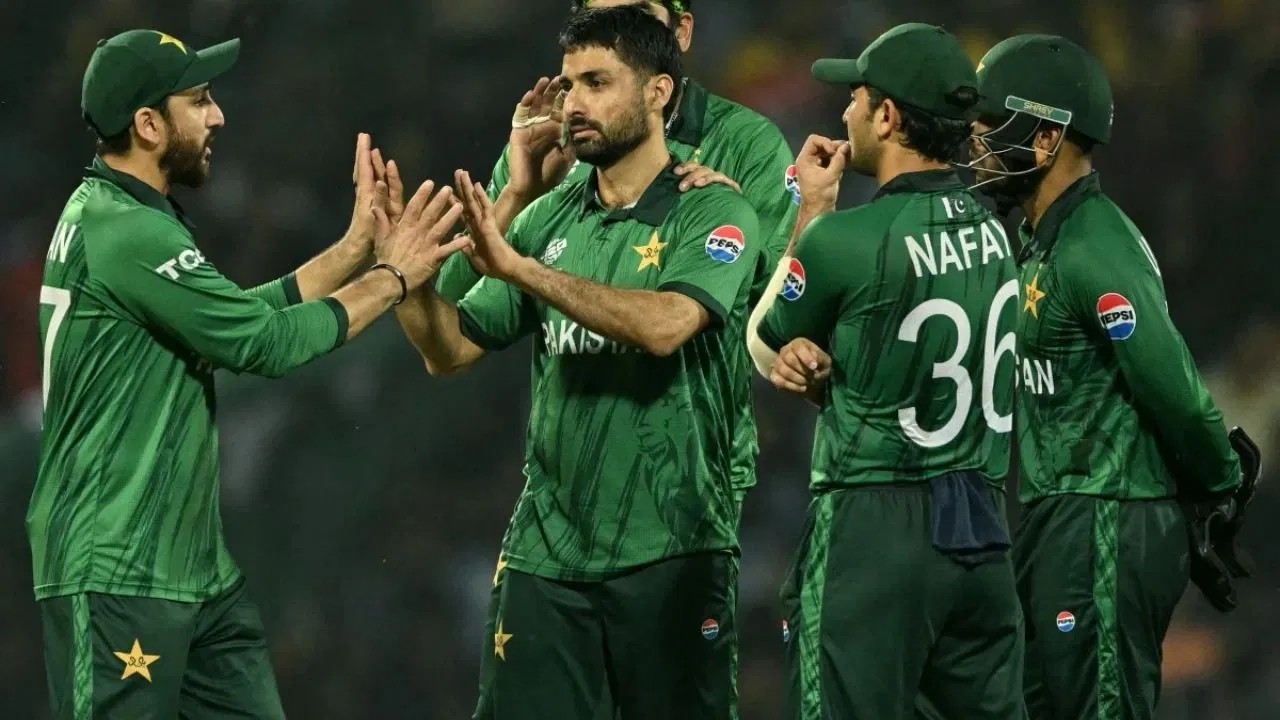
Younis Khan Strongly Reacts to Reports of Fines Imposed on Pakistan Players
Former Pakistan Cricket Captain Urges Players to Challenge PCB’s Decision
Former Pakistan National Cricket Team captain and head coach, Younis Khan, has voiced his strong reaction to the reports of heavy fines imposed on the players by the Pakistan Cricket Board (PCB) following their disappointing performance in the recent ICC T20 World Cup 2024. The Pakistan team, winners of the 2009 edition, failed to advance to the semifinals in the ICC T20 World Cup 2026, bowing out in the Super 8 round after a better net run rate favored New Zealand, who ultimately lost to India in the final in Ahmedabad.
Several media outlets reported that the PCB, led by Mohsin Naqvi, penalized the players with significant fines for their underwhelming display in the tournament. While the PCB has not officially confirmed the fines, it has not refuted the reports either.
Younis Khan, known for his strong stance on player welfare, has urged the current Pakistan players to unite and challenge the decision if the fines are indeed real. He recalled a similar incident in 2003 when players resisted against a board decision, leading to a reversal of the punishment.
Challenging the Decision
Addressing the media, Younis Khan emphasized the importance of players standing together in the face of such penalties. He stated, “Is it confirmed? If it’s confirmed, then it’s not right. Earlier, an instance like that happened. In 2003, when we returned after the World Cup, Rashid Latif was made the captain. He received a message from the PCB that the match fees would be reduced to half, and the same would be done with the allowance. 1-2 players had taken a stand against this. The players now have to take a stand. If the players took a stand, then they wouldn’t be fined.”
Rashid Latif Criticizes PCB’s Decision
Former captain Rashid Latif echoed Khan’s sentiments, criticizing the PCB for resorting to fines as a solution. He remarked, “Weak boards take such decisions of fining players. All the things are mentioned in the central contracts. This is just some theory floated in the media for you guys to enjoy. Nothing will happen.”
Reports suggest that each player in the T20 World Cup squad was required to pay a hefty fine of approximately PKR 5 million after the team’s failure to progress to the semifinals. The decision reportedly stemmed from Pakistan’s defeat to India in Colombo. The fine would have been waived had they reached the semi-finals, but their hopes were dashed after a resounding loss to Sri Lanka in Pallekele.
With preparations underway for a three-match ODI series against Bangladesh commencing on March 11, the Pakistan team faces a period of introspection and unity in the wake of the controversial fines imposed by the PCB.
Implications of PCB’s Decision
The reported fines imposed on the Pakistan players following their exit from the ICC T20 World Cup 2026 have sparked a debate within the cricketing community. While some argue that holding players accountable for underperformance is necessary to maintain discipline and professionalism, others believe that such punitive measures may have a detrimental effect on player morale and team cohesion.
Younis Khan’s strong reaction to the fines sheds light on the delicate balance between player rights and organizational authority in the realm of professional sports. As a respected figure in Pakistani cricket, Khan’s call for players to challenge the decision underscores the importance of collective bargaining and standing up for one’s rights in the face of perceived injustice.
Historical Precedents and Player Power
The reference to the events of 2003, where players successfully resisted a similar punitive action by the PCB, highlights the potential power that athletes hold when they band together in solidarity. This historical precedent serves as a reminder that players, despite their contractual obligations, have a voice and agency in shaping the policies and decisions that affect their livelihoods.
Rashid Latif’s criticism of the PCB’s decision as a sign of weakness on the part of the board reflects a sentiment shared by many who believe that fines and punitive measures are often used as quick fixes by sports organizations rather than addressing underlying issues or providing constructive solutions for improvement.
Team Dynamics and Performance Pressure
As the Pakistan team gears up for the upcoming ODI series against Bangladesh, the imposition of fines by the PCB adds an additional layer of pressure and scrutiny on the players. The need to bounce back from a disappointing tournament performance while also dealing with internal dissent over the fines can significantly impact team dynamics and individual confidence.
It remains to be seen how the players will navigate this challenging period and whether they will heed Younis Khan’s advice to challenge the fines collectively. The unity and resilience shown by the team in the face of adversity will be crucial in determining their success on the field and their ability to overcome external distractions.
Looking Ahead: Lessons Learned and Future Resilience
Ultimately, the controversy surrounding the fines imposed on the Pakistan players serves as a valuable lesson in the complexities of managing professional sports teams. The delicate balance between accountability and player welfare, team dynamics, and organizational authority will continue to be tested in the high-pressure environment of international cricket.
As the Pakistan team navigates through this challenging period, the ability to learn from past experiences, foster unity within the squad, and maintain a strong collective spirit will be essential in their quest for redemption and success in future tournaments. The true test of their resilience and character lies in how they respond to adversity and adversity, both on and off the field.
By exploring the nuances of the situation and highlighting the broader implications for player rights, team dynamics, and organizational governance, the cricketing community can gain a deeper understanding of the complexities involved in managing professional sports teams and the importance of open dialogue and collective action in addressing issues of fairness and accountability.
Latest News
Gautam Gambhir’s real face revealed by India batting coach: ‘He’s very clever…’
Pakistan stars told to form alliance and remove Mohsin Naqvi from power
Suresh Raina-MS Dhoni reunion cancelled! CSK deny coaching position to Chinna Thala

Sanju Samson’s entry into India’s Test, ODI teams confirmed? Gautam Gambhir joins ‘justice gang’
Ishan Kishan rises to World No.2 in ICC T20I Rankings as Rashid Khan dethrones Varun Chakravarthy

Michael Vaughan brutally trolls South Africa as ‘Stupidest team in T20 World Cup 2026’
MS Dhoni OUT of CSK Playing XI? Kasi Viswanathan drops bomb ahead of IPL 2026
Shubman Gill BLOCKED from captaincy after India’s T20 World Cup 2026 victory
Gary Kirsten joins Gautam Gambhir in war against ‘superstar culture’ after becoming Sri Lanka coach
Bad news for KKR: Matheesha Pathirana stays back in Sri Lanka ahead of IPL 2026
Shocking! Ajit Agarkar rejected Gautam Gambhir’s demand and dropped Shubman Gill for T20 World Cup 2026

Shreyas Iyer’s Punjab Kings insulted as RCB’s IPL 2026 opening match revealed
Virat Kohli sends warning to CSK, MI and others with intense IPL 2026 training video
Gautam Gambhir unleashes brutal attack on Kriti Azad over controversial temple remarks


