Pakistan submits Indian Cricket Team suspension bid to ICC post Mohsin Naqvi trophy drama
Rashid Latif Calls for India’s Suspension from ICC Events After Asia Cup Trophy Controversy
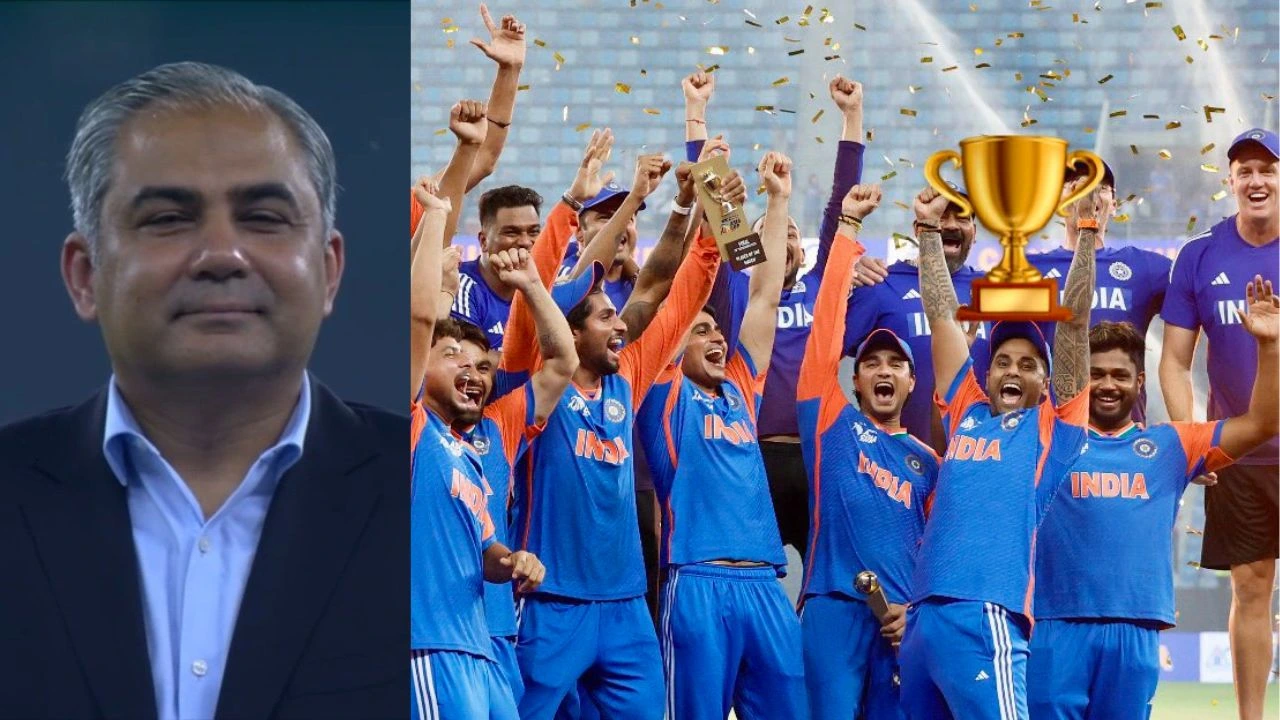
Former Pakistan cricket captain Rashid Latif has stirred up controversy by calling for India to face suspension from International Cricket Council (ICC) events following a recent trophy snub at the Asia Cup 2025. The drama unfolded when the Indian cricket team refused to accept the trophy and awards from Mohsin Naqvi, who is currently serving as the Asian Cricket Council (ACC) chairman, as well as holding positions in the Pakistan Government and Pakistan Cricket Board (PCB).
Asia Cup Trophy Controversy
Given the ongoing cross-border tensions between India and Pakistan, the Indian cricket team decided not to receive the Asia Cup trophy and winner’s medals from Naqvi during the presentation ceremony. While individual player awards were handed out, the team deliberately avoided acknowledging the ACC chairman, further escalating tensions. The BCCI requested another ACC official or the Emirates Cricket Board (ECB) to complete the ceremony, but Naqvi remained adamant and took the trophy and medals to his hotel, refusing to deliver them to India.
Rashid Latif’s Response
Rashid Latif criticized India’s actions as a serious breach of cricketing etiquette, labeling it an “ugly day” for cricket. He argued that in most sports, such defiance would warrant immediate disciplinary action. Latif went as far as suggesting that the ICC should suspend the Indian cricket team for their behavior.
Despite the controversy, Latif expressed skepticism that the ICC would take action, pointing out that the governing body is heavily influenced by Indian officials. With key positions like the ICC chairman, CEO, CFO, commercial chief, and head of events and communications held by Indians, suspension seems unlikely. Latif condemned India for breaching the spirit of the game in broad daylight.
Indian Officials at ICC
Currently, Indians hold several top positions at the ICC. Jay Shah serves as the ICC chairman, Sanjog Gupta as the CEO, Anurag Dahiya as the Chief Commercial Officer, Ankur Khanna as the CFO, and Gaurav Saxena as the General Manager of Events and Corporate Communications.
Despite the controversy, Indian captain Suryakumar Yadav was recently fined 30% of his match fees for dedicating India’s win over to the Indian army and the victims of the tragic Pahalgam attack in April 2025.
In conclusion, the Asia Cup trophy controversy has sparked debate and tension between India and Pakistan, with Rashid Latif calling for drastic action against India. The cricketing world waits to see if the ICC will intervene in the situation amid the heated diplomatic and sporting tensions between the two neighboring countries.
Impact on Bilateral Cricket and Diplomatic Relations
The Asia Cup trophy controversy not only affects the spirit of sportsmanship but also has broader implications for bilateral cricket and diplomatic relations between India and Pakistan. The longstanding political tensions between the two nations often spill over into cricket matches, making every encounter highly charged with emotion and national pride. Incidents like the recent trophy snub only serve to deepen the rift and create further animosity between the cricketing communities of both countries.
Furthermore, the actions and responses of cricketing officials and players can have a significant impact on diplomatic relations between India and Pakistan. Cricket is a sport that holds immense cultural and emotional significance for people in both countries, and incidents like these can exacerbate existing tensions and hinder efforts to promote peace and goodwill between the nations.
Role of ICC in Resolving Disputes
As the governing body of international cricket, the ICC plays a crucial role in maintaining fairness, integrity, and sportsmanship in the sport. While Rashid Latif has called for India’s suspension from ICC events, it remains to be seen how the ICC will address the controversy surrounding the Asia Cup trophy incident. The ICC’s response to such incidents can set a precedent for how similar situations will be handled in the future and send a clear message about the importance of upholding the spirit of the game.
It is essential for the ICC to take a neutral and objective stance when dealing with disputes between member nations to ensure that the integrity of the sport is upheld. Any actions taken by the ICC in this case will be closely watched by cricketing fans, officials, and players around the world, as they reflect the organization’s commitment to fair play and sportsmanship.
Call for Dialogue and Reconciliation
Amidst the heated tensions and controversies surrounding the Asia Cup trophy incident, there is a pressing need for dialogue and reconciliation between the cricketing authorities of India and Pakistan. Both countries have a rich history of cricketing rivalry, but it is essential to separate sports from politics and strive to promote mutual respect and understanding through the game.
Efforts should be made to foster a spirit of sportsmanship and camaraderie between players, officials, and fans of both nations, setting aside political differences and historical grievances. By engaging in constructive dialogue and promoting reconciliation, the cricketing communities of India and Pakistan can work towards building bridges and promoting peace through the shared love of the sport.
Looking Ahead
As the cricketing world awaits the ICC’s response to the Asia Cup trophy controversy, it is crucial for all stakeholders to reflect on the incident and its implications for the future of the sport. The incident serves as a stark reminder of the need for mutual respect, sportsmanship, and diplomacy in international cricket, especially between nations with complex political histories.
Ultimately, the resolution of the Asia Cup trophy controversy will not only impact the immediate relations between India and Pakistan but also set a precedent for how similar disputes will be handled in the future. It is a pivotal moment for the ICC to demonstrate its commitment to upholding the values of fair play, integrity, and sportsmanship in international cricket.
By addressing the broader implications of the Asia Cup trophy controversy, promoting dialogue and reconciliation, and emphasizing the role of the ICC in resolving disputes, the cricketing world can move towards a future where sportsmanship and mutual respect prevail over political tensions and controversies.
Latest News
Shubman Gill out? Virat Kohli’s Test comeback as captain suggested by CSK legend
Jason Gillespie gives major update on Glenn Maxwell’s availability for PSL 2026
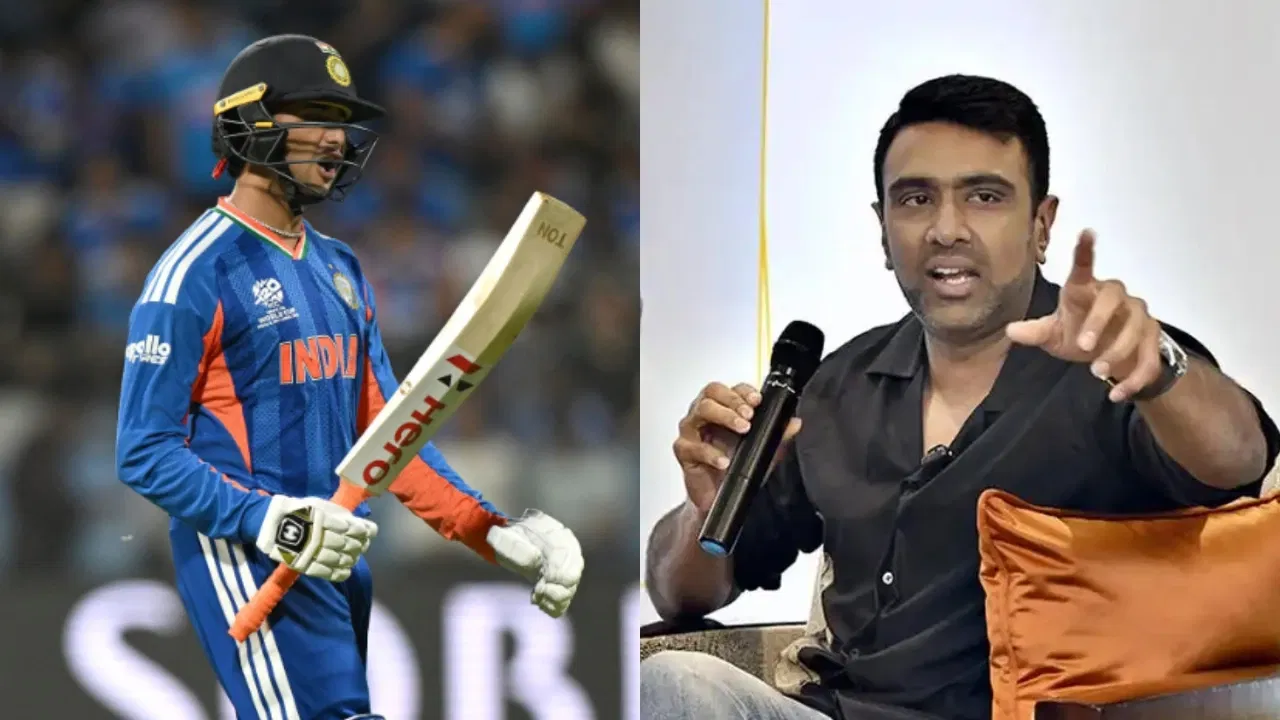
‘I’m a big fan but…’: Ravichandran Ashwin criticises Abhishek Sharma after failure vs RCB.

LHQ vs KRK Match Prediction, Pitch & Weather Report, Playing XIs, Head-to-Head, Free Live Streaming – PSL 2026 Match 6
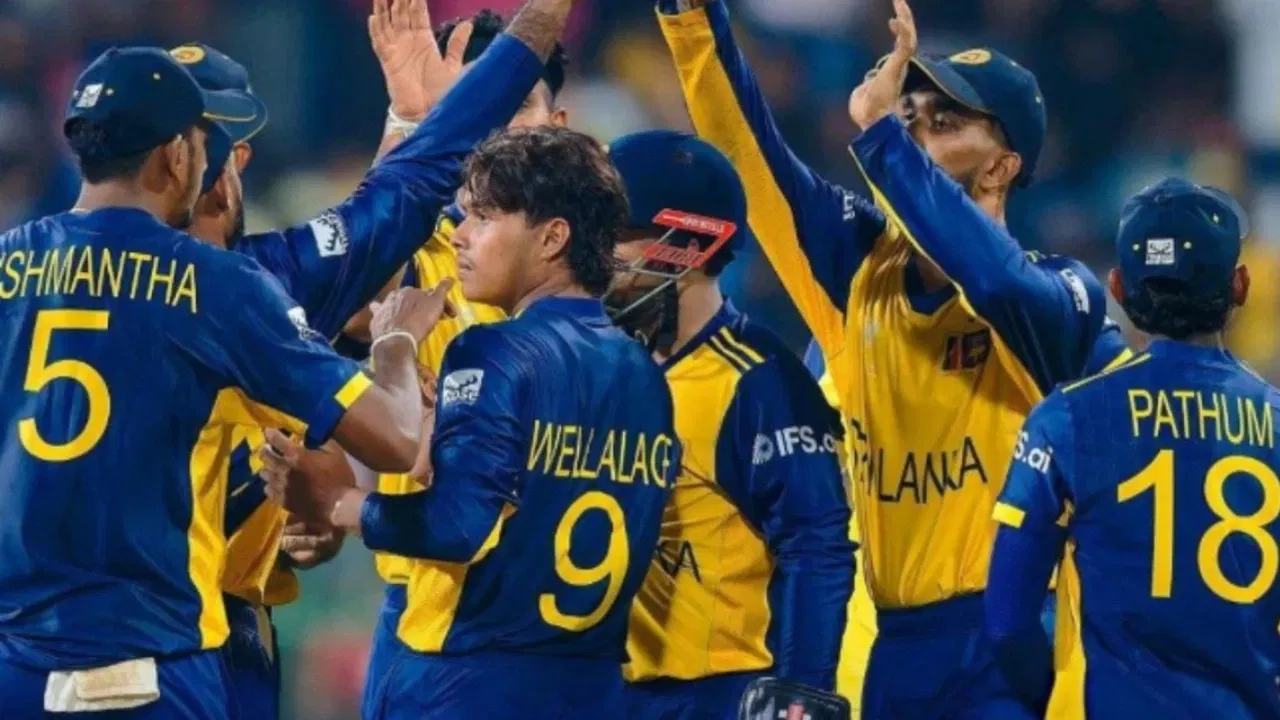
IPL teams on alert!: Sri Lanka fitness crisis sees almost 50% players fail tests
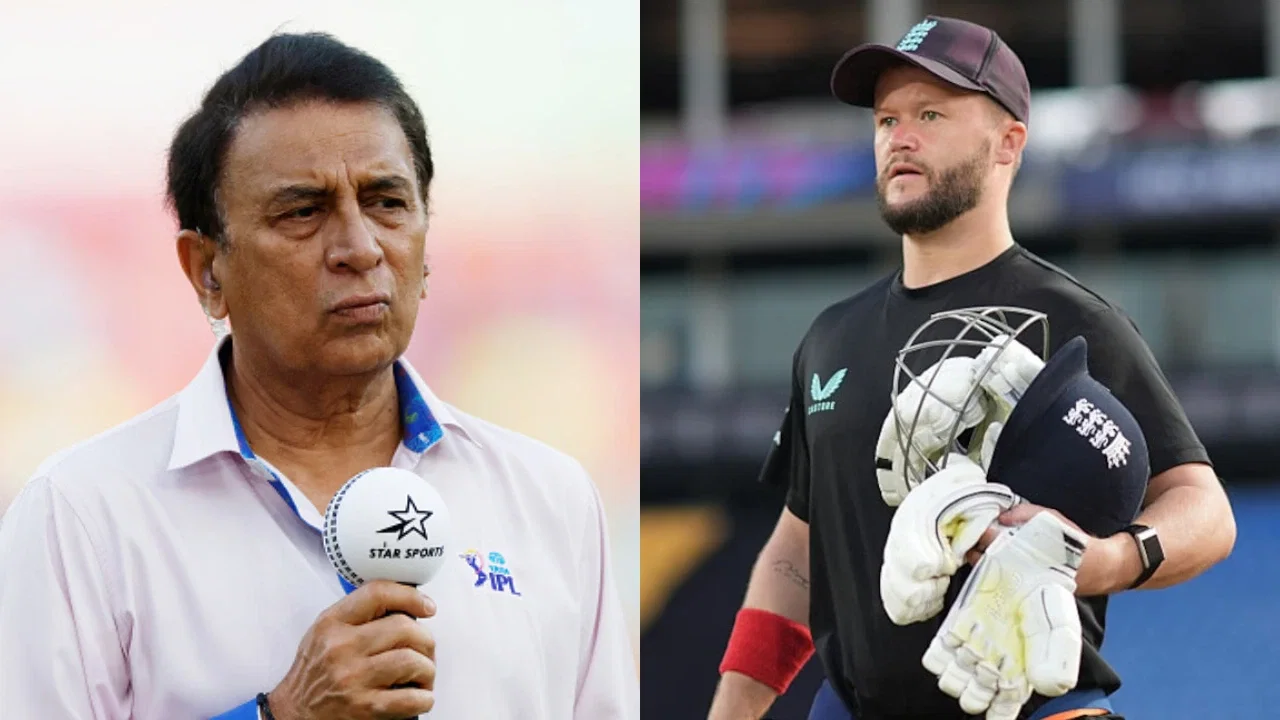
Ben Duckett in trouble? Sunil Gavaskar pushes BCCI for tougher punishment
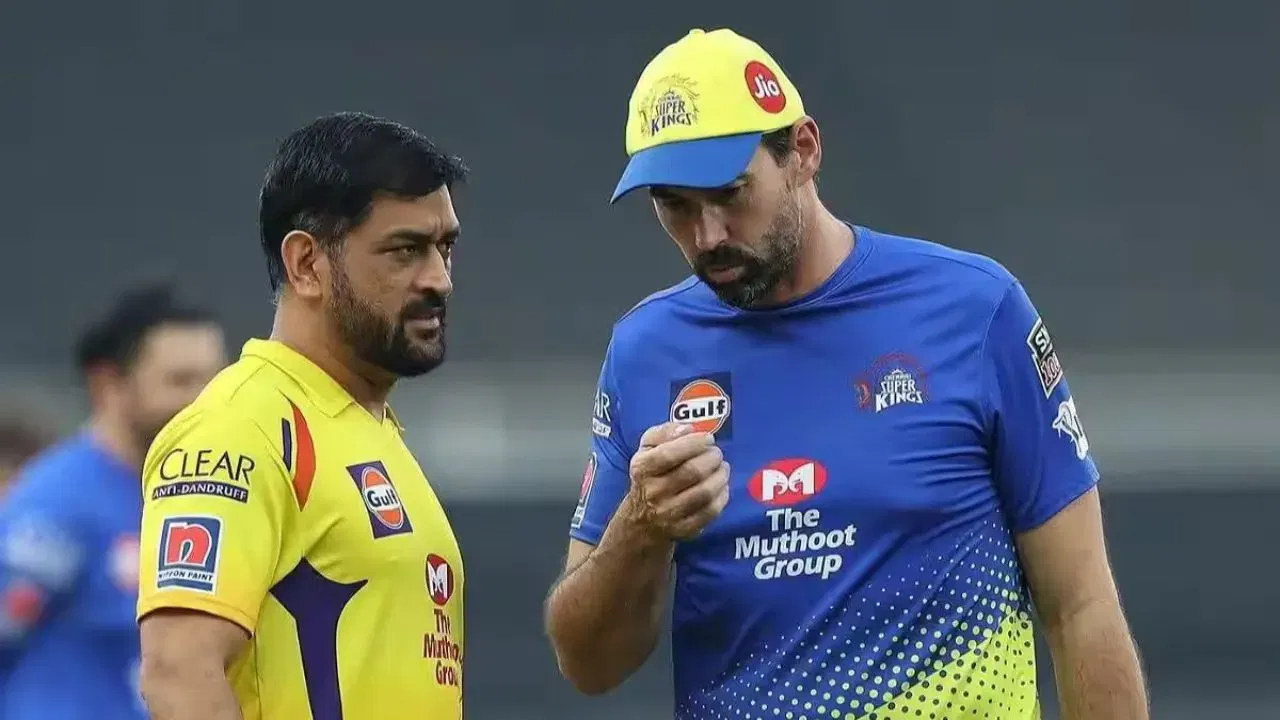
MS Dhoni faking injury? Michael Vaughan suspects ‘strategic manoeuvre’ in CSK camp for IPL 2026
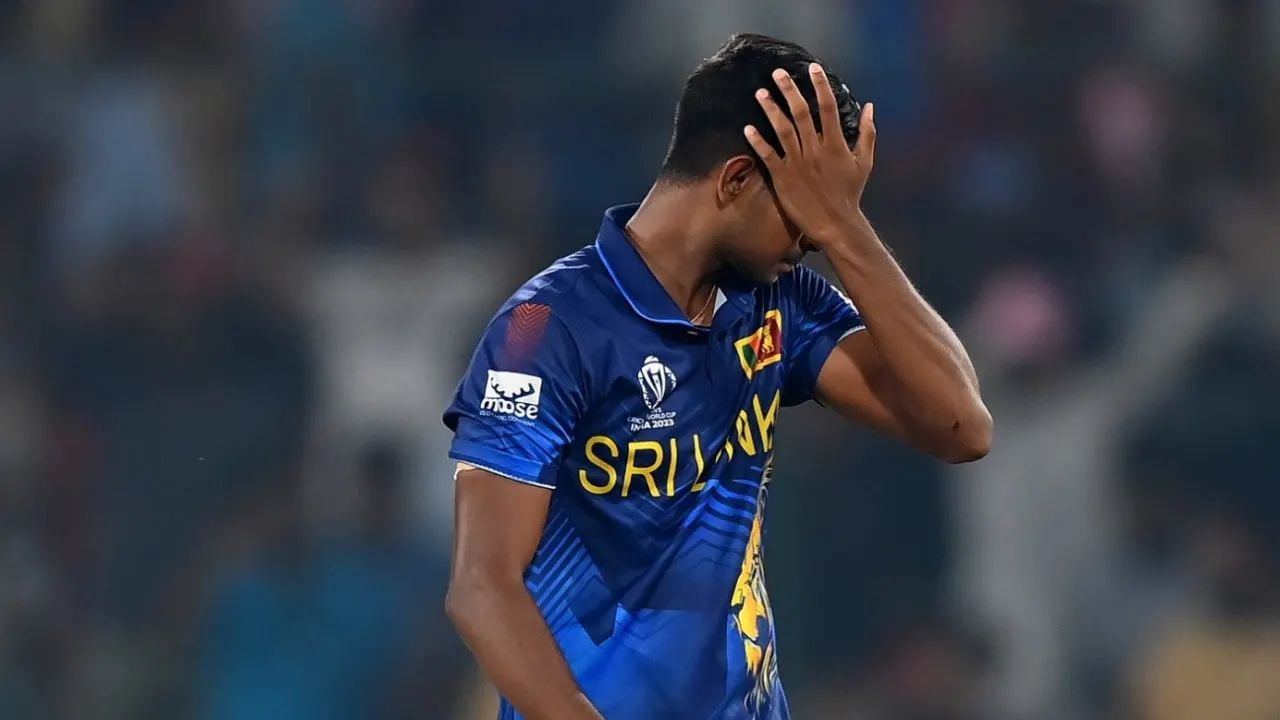
KKR coach criticises Impact Player rule, provides huge Matheesha Pathirana update

Sam Curran reveals private chat with Brendon McCullum after England axing
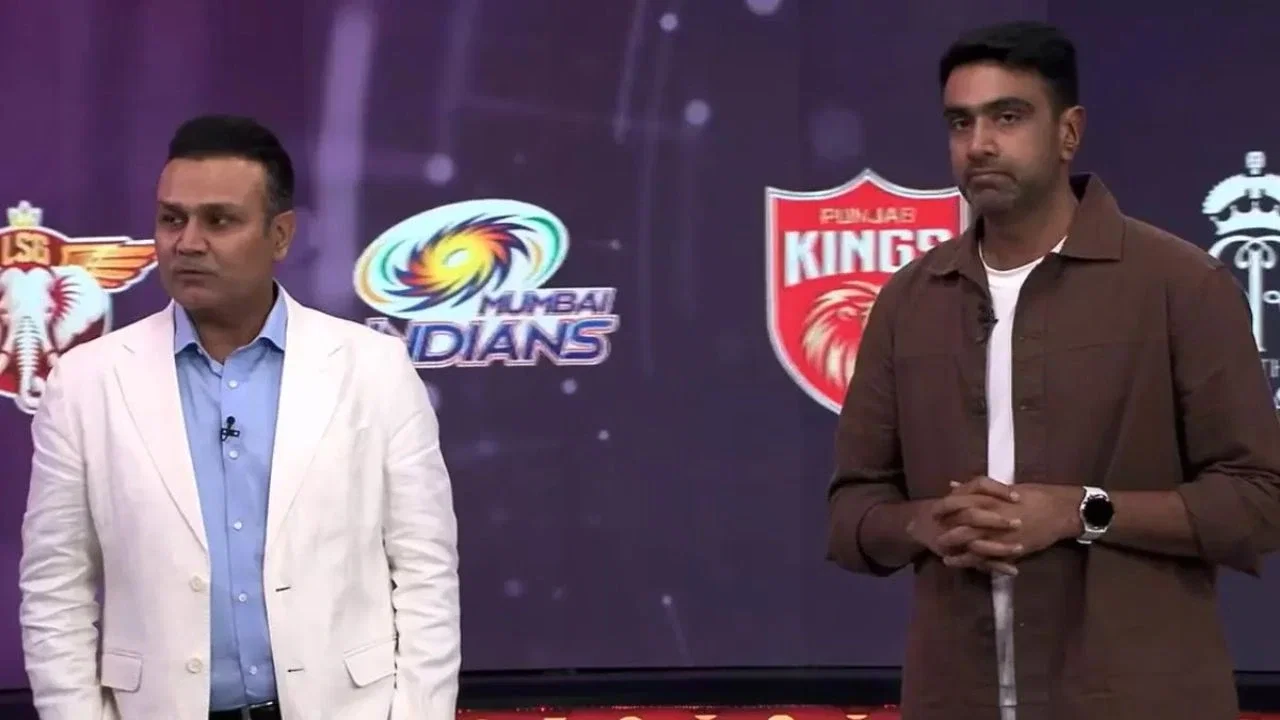
Ravichandran Ashwin brutally teased by Virender Sehwag on IPL 2026 debut
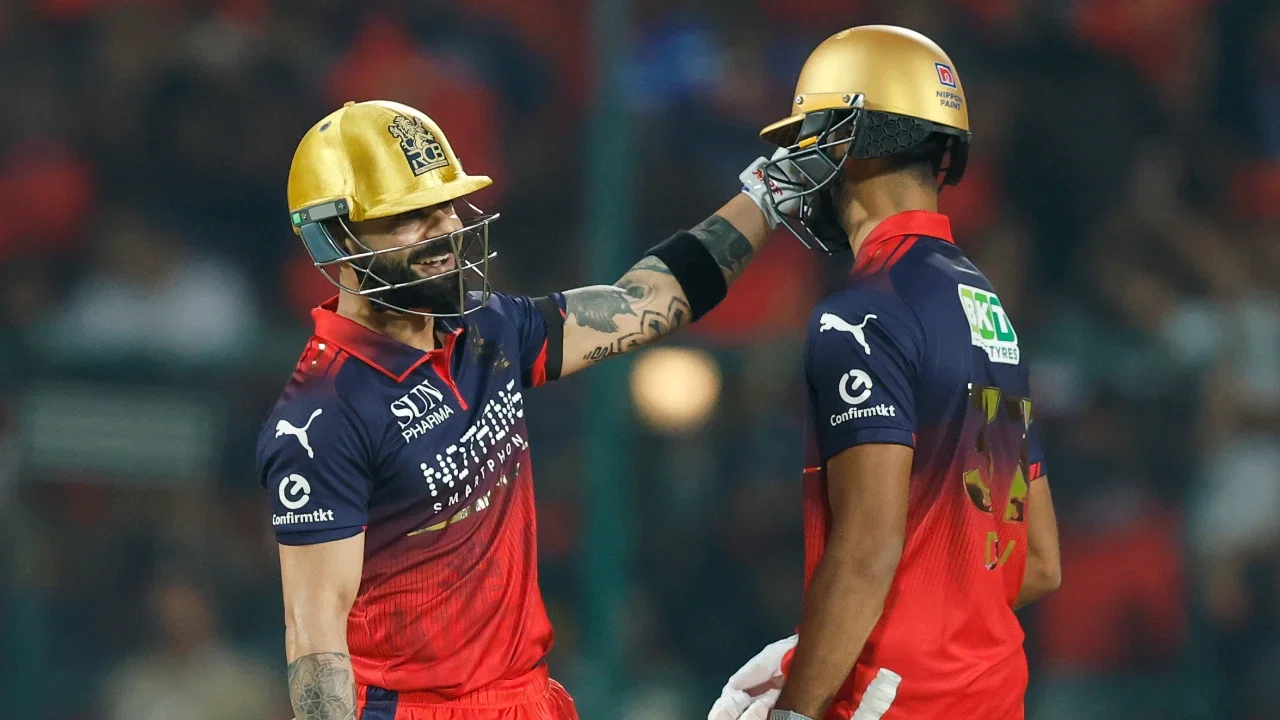
Virat Kohli’s ego under spotlight! Ex-KKR star makes bold claim after heroics vs SRH
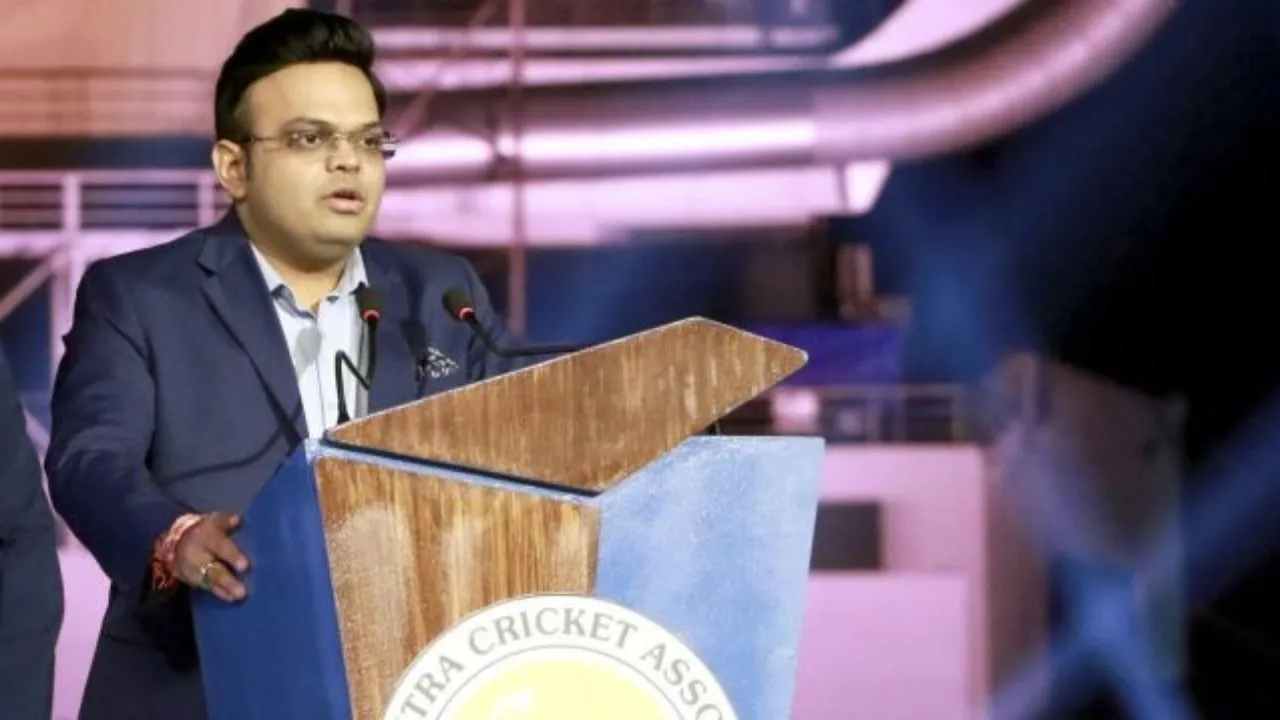
Jay Shah rises to No. 22 among most powerful people in India in 2026; Virat Kohli, Gautam Gambhir included

SRH suffer huge blow! Daniel Vettori confirms another overseas pacer injured amid crisis
IPL Points Table 2026: Updated Standings, Orange Cap, Purple Cap After RCB vs SRH Match 1