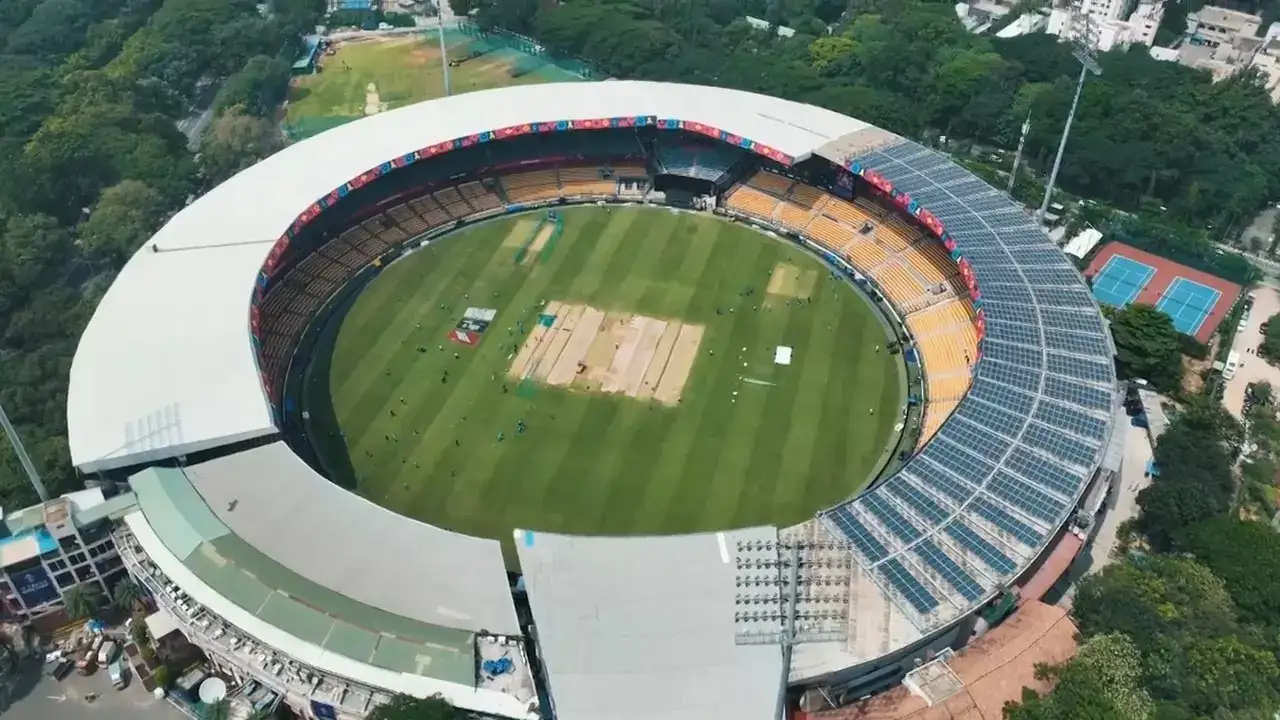
Pakistan to boycott India clash only if Babar Azam-starrer team don’t choke against USA

Pakistan Undecided on Participation in ICC T20 World Cup 2026
Pakistan’s participation in the upcoming ICC T20 World Cup 2026, set to kick off on February 7, remains uncertain as the Pakistan Cricket Board (PCB) has yet to confirm their involvement. PCB chairman Mohsin Naqvi is expected to reveal the board’s final decision in the coming days, with the possibility of forfeiting a match against India still on the table.
Ongoing Discussions with Prime Minister
Naqvi recently met with Prime Minister Muhammad Shehbaz Sharif to discuss Pakistan’s stance on the T20 World Cup. He stated that talks are ongoing, and all options are being considered. A final decision is anticipated by Friday or next Monday, leaving fans and stakeholders in suspense.
Boycott Contemplation
Pakistan has hinted at the potential of boycotting the tournament altogether, citing political, legal, and financial implications as key factors in their decision-making process. The board is closely monitoring the situation and will assess the team’s early performances before making a final call.
Impact of Early Group Results
According to reports, the PCB will base its decision on how Pakistan fares in the first two matches of the tournament. The team is scheduled to play against the Netherlands on February 7, followed by a match against the USA on February 10. Winning these fixtures could possibly alter the course of their participation, especially regarding the crucial match against India on February 15.
Final Decision Post Australia Series
Pakistan is unlikely to announce their decision immediately, with clarity expected after their three-match T20I series against Australia. The PCB is gearing up to address their concerns with the ICC, particularly regarding Bangladesh’s exclusion from the tournament. Additionally, the board plans to stage a symbolic protest during the World Cup.
Legal and Financial Risks
PCB lawyers have cautioned against possible implications of boycotting matches, particularly the highly anticipated game against India, which holds significant revenue potential. Skipping such matches could lead to legal battles with broadcasters and jeopardize existing broadcast contracts, impacting annual funding for all member boards.
As discussions continue and decisions loom, the cricketing world awaits Pakistan’s final verdict on their participation in the ICC T20 World Cup 2026. Stay tuned for updates as the situation unfolds.
Factors Influencing Pakistan’s Decision
Several factors are at play in Pakistan’s deliberation over their participation in the ICC T20 World Cup 2026. One crucial aspect is the political tension between Pakistan and India, which has often spilled over into the realm of sports. The historic rivalry between the two nations adds a layer of complexity to Pakistan’s decision-making process, as the match against India holds immense significance for both teams and their respective fan bases.
Furthermore, the legal implications of boycotting matches cannot be understated. The PCB must weigh the potential consequences of forfeiting games, especially against top teams like India, in terms of fines, penalties, and overall reputation within the cricketing community. Any decision made by the board will have lasting effects on Pakistan’s standing in international cricket and their relationships with other cricket boards.
Financial Considerations and Broadcast Rights
Another critical aspect that the PCB is evaluating is the financial impact of their participation or potential boycott of the T20 World Cup. Revenue from broadcasting rights, sponsorships, and ticket sales plays a significant role in sustaining cricket boards and supporting grassroots development programs. By abstaining from key matches, Pakistan risks losing out on substantial financial gains that could impact the overall health of their cricketing ecosystem.
Moreover, the legal risks associated with violating broadcast contracts could lead to protracted legal battles and tarnish Pakistan’s standing in the global cricketing landscape. Protecting these commercial agreements is paramount for not only the PCB but also for the broader cricketing community that relies on stable revenue streams to support the growth of the sport.
Strategic Timing of Decision-Making
The strategic timing of Pakistan’s decision, set to be announced after the series against Australia, underscores the careful planning and considerations involved in this process. By waiting to assess the team’s performance and addressing concerns with the ICC post-series, Pakistan aims to make an informed and calculated choice that aligns with their objectives and values as a cricketing nation.
Ultimately, the decision regarding Pakistan’s participation in the ICC T20 World Cup 2026 goes beyond mere sporting considerations and delves into the realms of politics, legality, finance, and strategic positioning within the global cricketing landscape. As stakeholders eagerly await the final verdict, the outcome will undoubtedly shape Pakistan’s future in international cricket and set a precedent for how boards navigate complex geopolitical and commercial challenges in the modern sporting arena.
Latest News
Star CSK spinner signs deal with new team ahead of IPL 2026
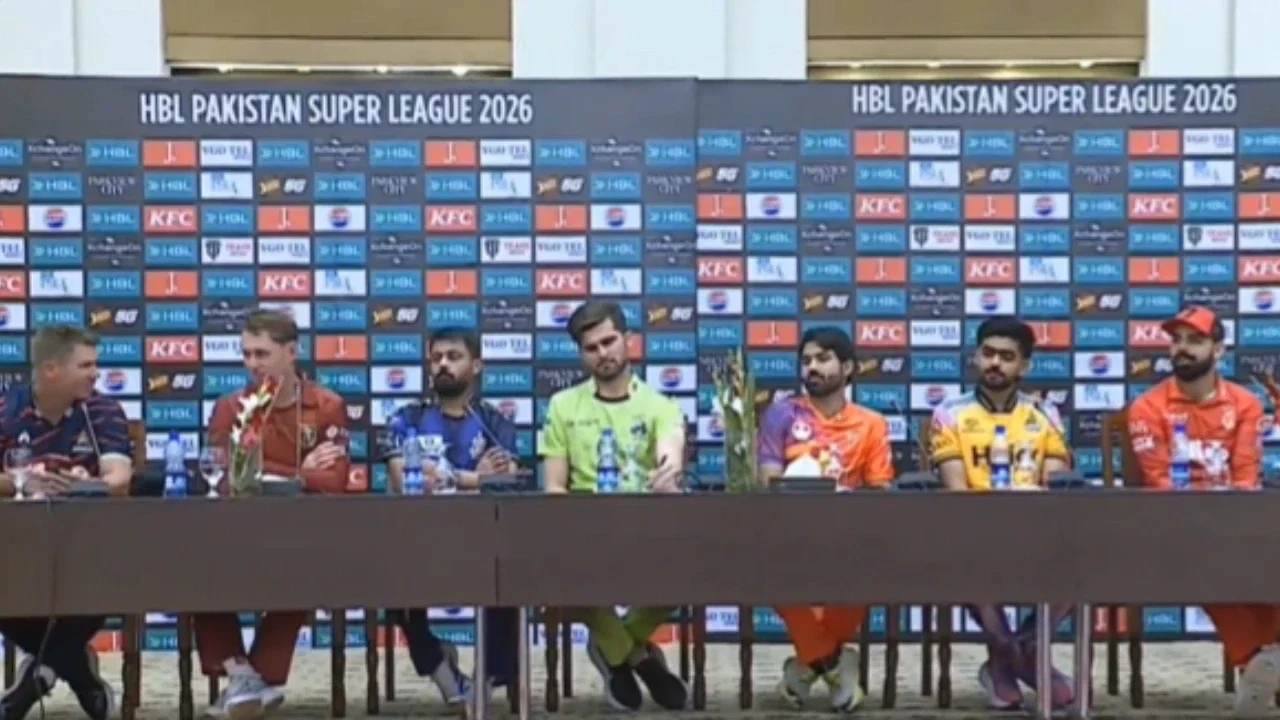
Shaheen Afridi lashed out at journalists after asked about Pakistan Team during PSL press-conference

IPL 2026 full schedule out! BCCI announces second phase fixtures
Virat Kohli’s explosive threat during coach’s conspiracy revealed: “Will beat the living hell out of…”
Dinesh Karthik can become head coach of India, England or Australia: Jitesh Sharma makes bold claim
Virat Kohli turns Abhishek Sharma with explosive batting for RCB ahead of IPL 2026
Not Tim Seifert! KKR eye 21-year-old Indian as wicketkeeper for IPL 2026
“Itna dete nahi importance inko”: Jitesh Sharma trolls Pakistan, reveals unheard story
‘I liked young MS Dhoni more than the mature one’: Sourav Ganguly drops huge statement
RCB suffer huge blow! SLC blocks Nuwan Thushara’s IPL 2026 participation
Border-Gavaskar Trophy 2027 schedule announced; Ahmedabad among five venues selected
BCCI announces India’s 2026-27 international home season schedule; series vs AUS, WI, SL, ZIM finalized
Irfan Pathan reveals Yuvraj Singh’s secret method to train Rishabh Pant ahead of IPL 2026
Virat Kohli, Rohit Sharma ODI schedule: Full list of matches they will play in India’s 2026-27 home season