Pakistan to withdraw from T20 World Cup in protest over Bangladesh’s axing? Mohsin Naqvi issues official statement
Pakistan Considers Following Bangladesh’s Path in ICC T20 World Cup 2026
Shocking Twist in T20 World Cup Saga
After the recent reports of Bangladesh’s exclusion from the upcoming ICC T20 World Cup 2026, a surprising turn of events has emerged surrounding Pakistan’s involvement in the tournament. The Pakistan Cricket Board (PCB) has decided to stand in solidarity with Bangladesh in their dispute with the International Cricket Council (ICC).
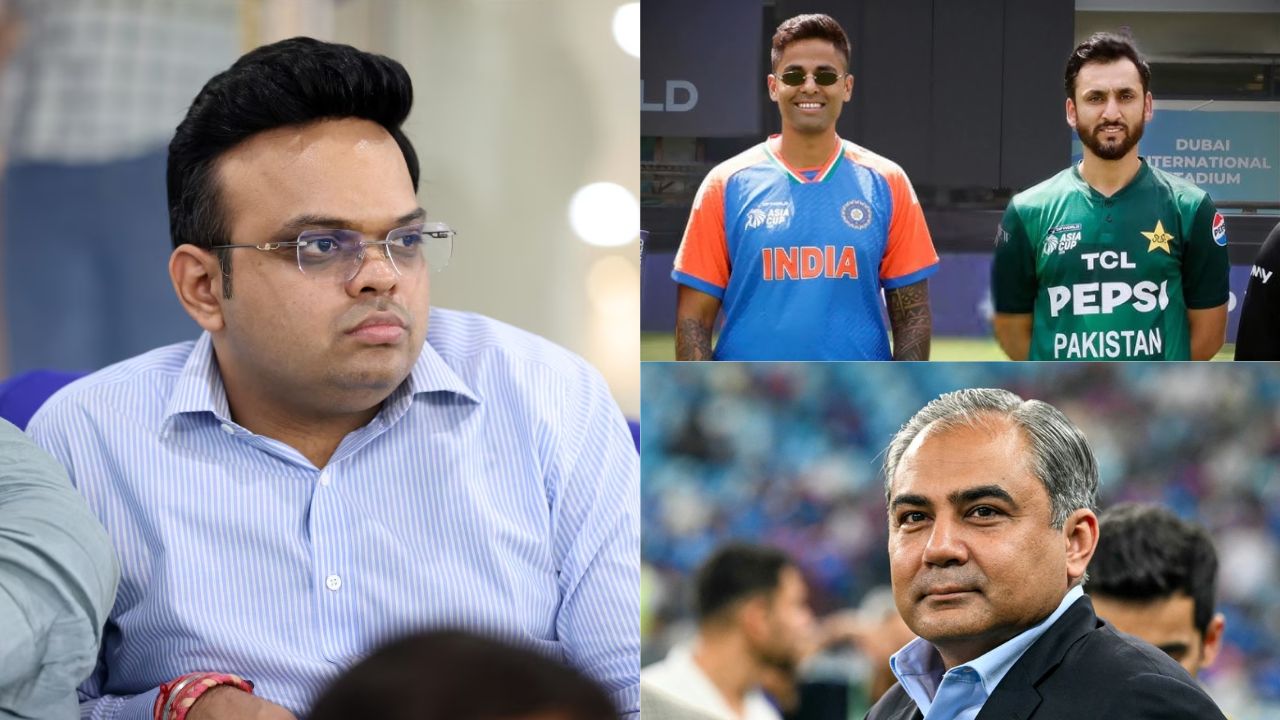
On January 24, PCB chairman Mohsin Naqvi, who also serves as the Interior Minister of Pakistan, made it clear that the final decision regarding Pakistan’s participation in the T20 World Cup 2026 will not be solely determined by the board. Instead, Naqvi stated that the Pakistani government will have the ultimate say on whether the national cricket team will compete in the global event.
Government’s Role in Cricket Decisions
This development comes in the wake of Scotland being reportedly confirmed by the ICC as Bangladesh’s replacement in the upcoming tournament in India and Sri Lanka. Naqvi emphasized that the Pakistani government will have the authority to decide the team’s involvement, highlighting the growing influence of government entities in cricket matters.
Naqvi expressed concerns over the treatment of Bangladesh by the ICC, stating, “Bangladesh is being treated unfairly. We said this at the ICC board meeting, that the ICC cannot have double standards, one system for one team and a different one for another. Bangladesh should play in the World Cup.”
ICC’s Response and Replacements
The involvement of governments in cricket decisions poses a potential threat to both Bangladesh and Pakistan, as the ICC has a history of taking action against cricket boards when political interference is detected. In the past, boards like Zimbabwe and the West Indies have faced bans due to similar issues.
Following negotiations with the BCB, the ICC has replaced Bangladesh with Scotland for the T20 World Cup 2026 after the former expressed security concerns about playing in India. Scotland will now join teams like England, the West Indies, Nepal, and Italy in Group C for the tournament, with matches scheduled in Mumbai and Kolkata.
Impact on Cricketing Landscape
The ICC’s decision to replace Bangladesh underscores the importance of maintaining the autonomy of national cricket boards and preventing political interference in team matters. With both Pakistan and Bangladesh involving their respective governments in cricketing decisions, the ICC is likely to take stringent action to uphold the integrity and independence of the sport.
As the situation unfolds, cricket fans around the world are eagerly awaiting further developments to see how the ICC, PCB, and BCB navigate this unprecedented scenario leading up to the T20 World Cup 2026.
The Significance of Political Influence in Cricket
While the involvement of governments in cricket decisions may raise concerns about political interference, it also highlights the deep-rooted connection between cricket and national identity. In countries like Pakistan and Bangladesh, cricket holds immense cultural significance and serves as a source of pride for the entire nation. As a result, government entities often feel compelled to step in when the interests of their cricketing teams are at stake.
Moreover, the decision to include or exclude a team from a prestigious tournament like the ICC T20 World Cup is not just a matter of sport but also has broader implications for diplomacy and international relations. In the case of Bangladesh’s exclusion, the move sparked discussions about fairness, transparency, and the balance of power within the ICC, prompting countries like Pakistan to voice their concerns and take a stand.
The Growing Influence of Non-Cricketing Bodies
With the PCB chairman emphasizing the role of the Pakistani government in determining the national team’s participation in the T20 World Cup, it becomes evident that cricket governance is no longer confined to cricketing bodies alone. The increasing influence of non-cricketing entities like governments in such decisions signals a shift in the traditional power dynamics of the sport.
This trend raises questions about the autonomy of cricket boards, the impact of external pressures on team selections, and the potential consequences for the overall integrity of the game. As cricket continues to evolve as a global phenomenon, navigating the intersection of sports and politics becomes increasingly complex, requiring careful consideration of various stakeholders’ interests.
The Role of the ICC in Safeguarding Cricket’s Integrity
As the governing body of international cricket, the ICC faces the challenging task of maintaining the sport’s integrity while addressing external influences that may compromise its principles. The recent decision to replace Bangladesh with Scotland in the T20 World Cup underscores the ICC’s commitment to upholding fair play and ensuring the tournament’s smooth operation.
By taking decisive action in response to concerns raised by cricket boards and governments, the ICC aims to send a clear message about its stance on political interference and the need to prioritize the sport’s best interests above all else. While such decisions may be met with criticism and resistance, they ultimately serve to safeguard the reputation and credibility of cricket on the global stage.
Looking Ahead to the T20 World Cup 2026
As the countdown to the ICC T20 World Cup 2026 continues, the unfolding drama surrounding Pakistan, Bangladesh, and other participating teams adds an intriguing layer of complexity to the tournament’s narrative. With the spotlight on governance, diplomacy, and sporting prowess, the upcoming event promises to be a compelling showcase of cricketing talent and international cooperation.
While the road to the T20 World Cup may be paved with challenges and controversies, it also presents an opportunity for the cricketing community to reaffirm its commitment to the spirit of the game and celebrate the diversity of nations coming together on the world stage. As fans await the tournament with bated breath, the anticipation and excitement surrounding this global sporting spectacle only continue to grow.
Stay tuned for more updates and insights as the ICC T20 World Cup 2026 draws closer, promising thrills, drama, and unforgettable moments on the cricket field.
Latest News
Virat Kohli’s explosive threat during coach’s conspiracy revealed: “Will beat the living hell out of…”
Dinesh Karthik can become head coach of India, England or Australia: Jitesh Sharma makes bold claim
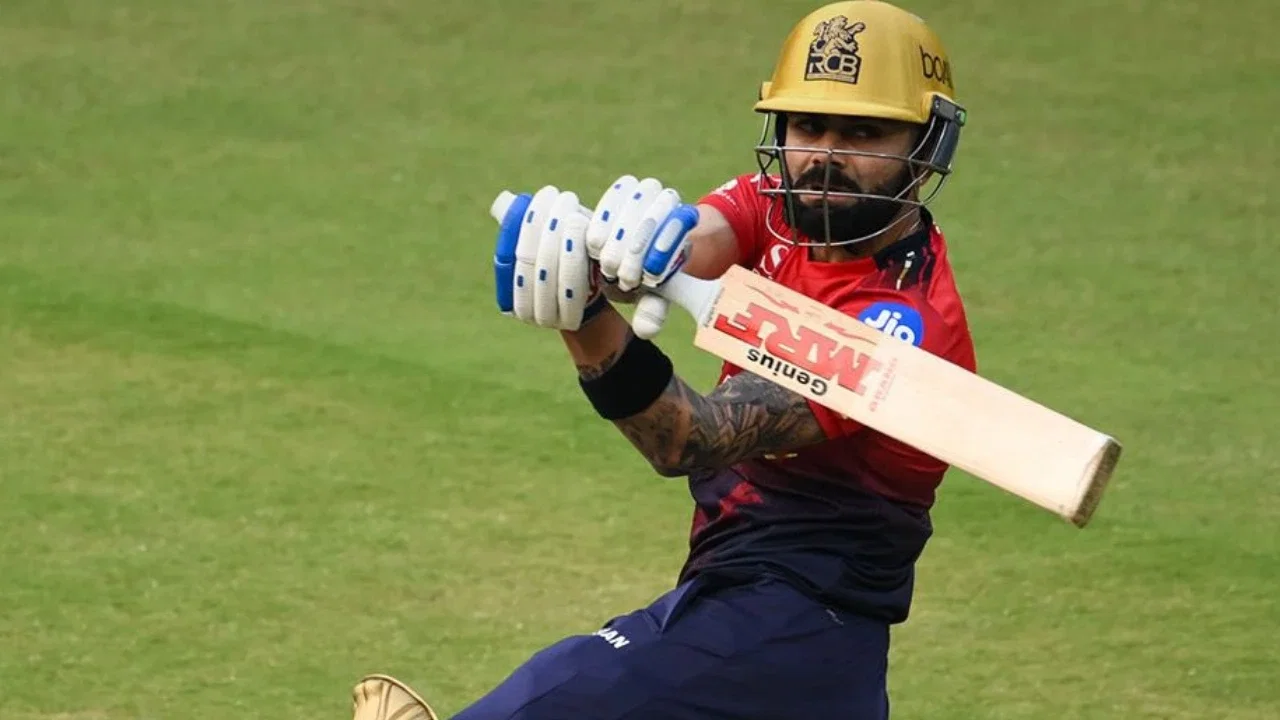
Virat Kohli turns Abhishek Sharma with explosive batting for RCB ahead of IPL 2026
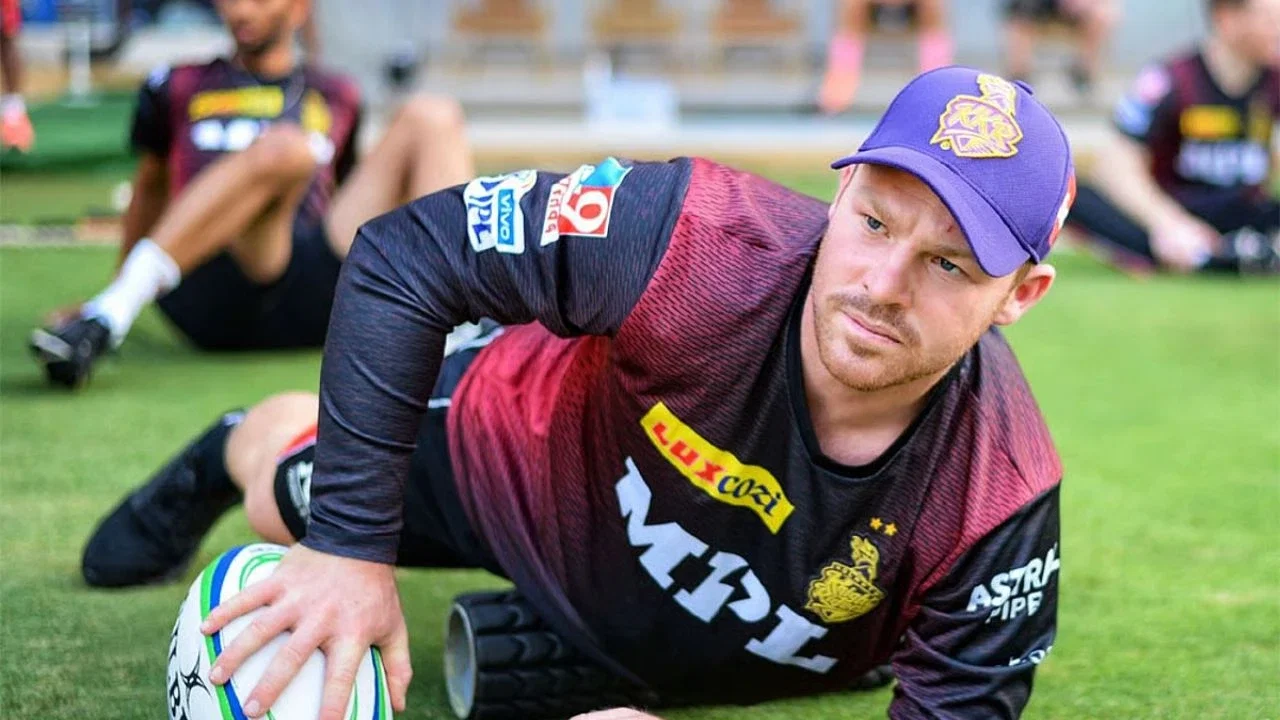
Not Tim Seifert! KKR eye 21-year-old Indian as wicketkeeper for IPL 2026
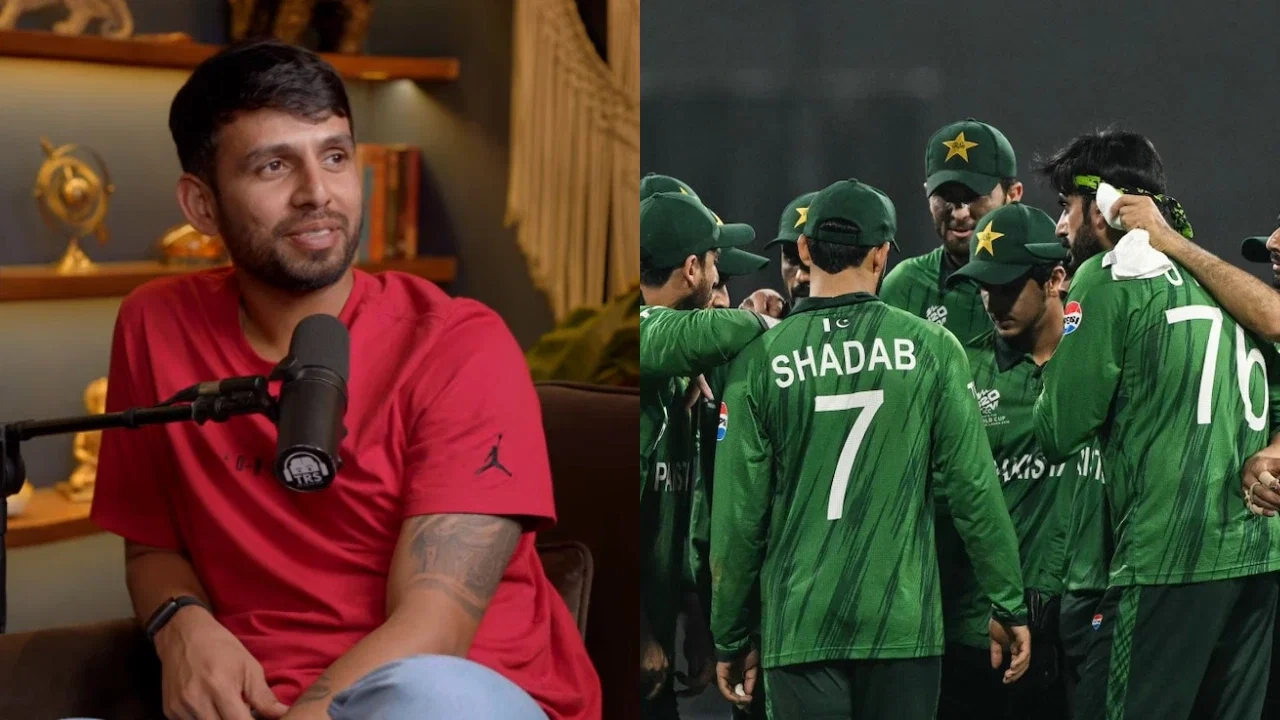
“Itna dete nahi importance inko”: Jitesh Sharma trolls Pakistan, reveals unheard story
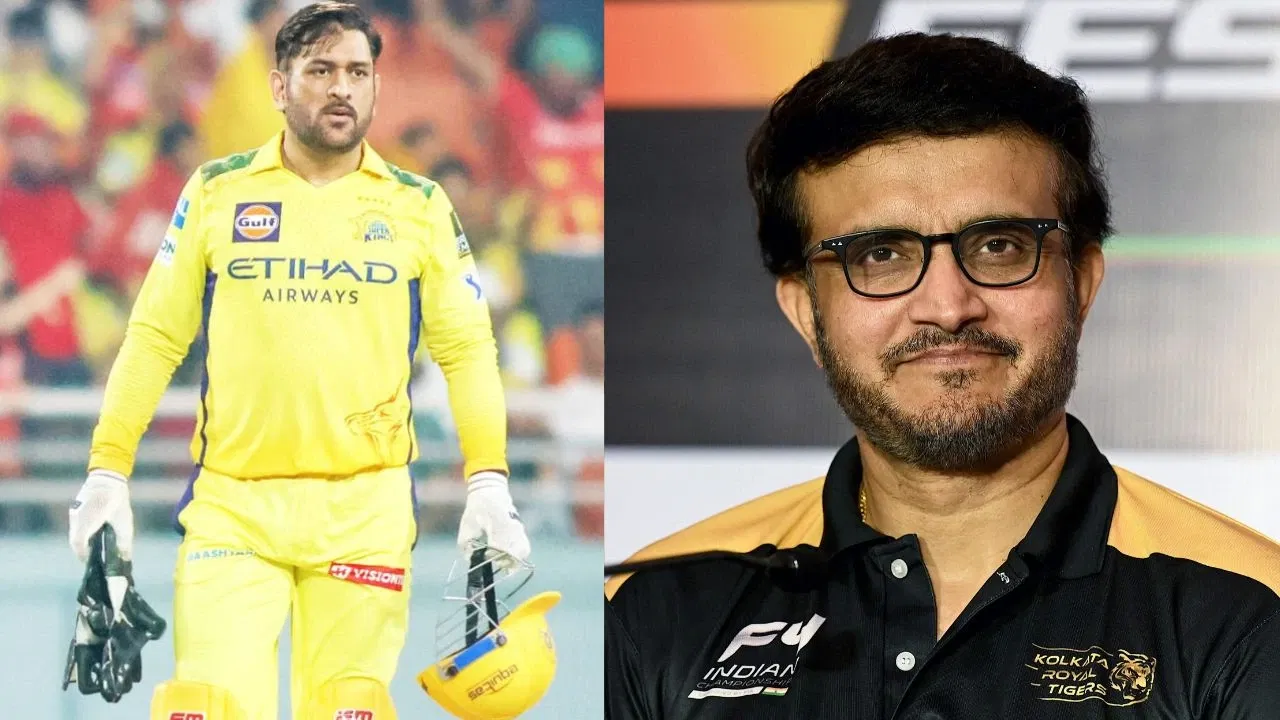
‘I liked young MS Dhoni more than the mature one’: Sourav Ganguly drops huge statement
RCB suffer huge blow! SLC blocks Nuwan Thushara’s IPL 2026 participation
Border-Gavaskar Trophy 2027 schedule announced; Ahmedabad among five venues selected
BCCI announces India’s 2026-27 international home season schedule; series vs AUS, WI, SL, ZIM finalized
Irfan Pathan reveals Yuvraj Singh’s secret method to train Rishabh Pant ahead of IPL 2026
Virat Kohli, Rohit Sharma ODI schedule: Full list of matches they will play in India’s 2026-27 home season
Days before RCB vs SRH IPL 2026 match, M. Chinnaswamy Stadium looks like a ‘construction side’
IPL 2026 second-half schedule announcement date revealed by BCCI secretary
LHQ vs HYDK Match Prediction, Pitch & Weather Report, Playing XIs, Head-to-Head, Free Live Streaming – PSL 2026 Match 1