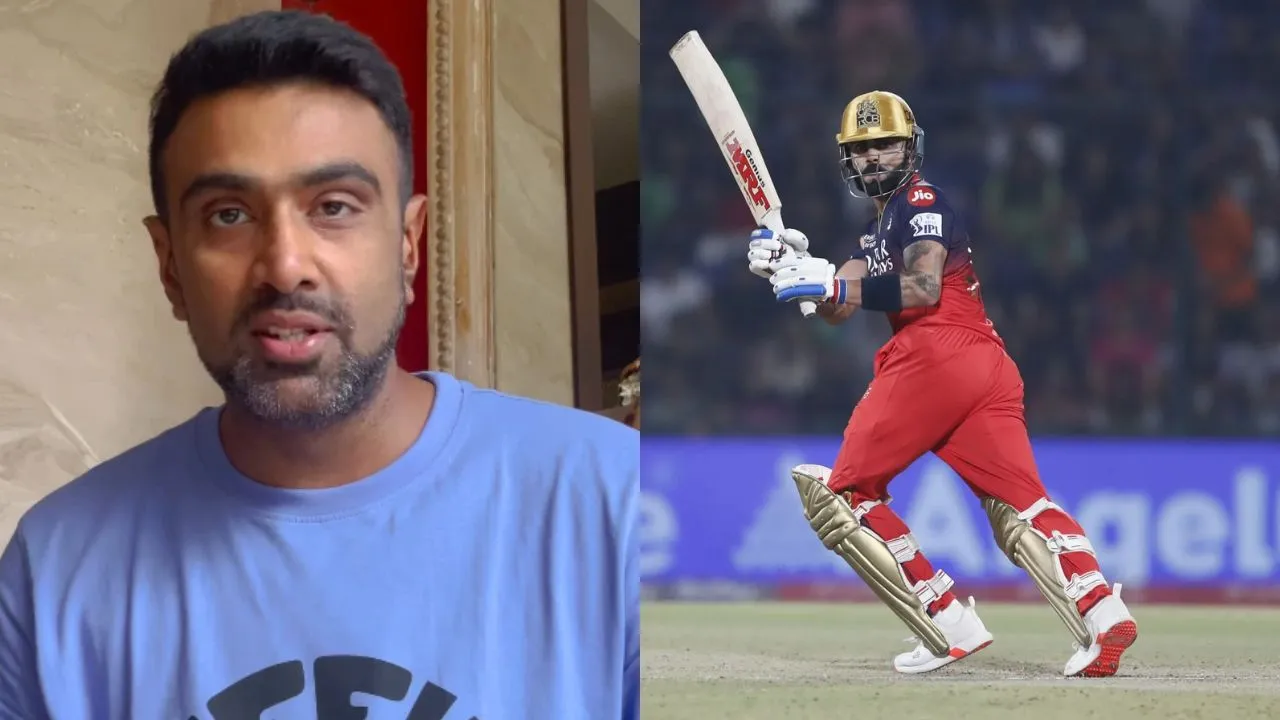
Pakistan’s Salman Ali Agha launches protest in Dubai after India refuse to shake hands

India-Pakistan Handshake Controversy Mars Asia Cup 2025
The highly anticipated Asia Cup 2025 match between India and Pakistan on September 14 took a controversial turn as the customary handshake between the captains did not take place. The fallout from this decision lingered throughout the post-match presentation, sparking widespread debate and criticism.
Refusal to Shake Hands Sparks Outrage
Before the start of the match, Suryakumar Yadav, the Indian cricketer, had made it clear that he would not be participating in the handshake with the Pakistani captain Salman Ali Agha. However, the final decision was left to the Indian team as a whole. This decision came in the wake of growing tensions between the two nations and public outcry in India over playing against Pakistan.
After India’s victory over Pakistan by seven wickets in the Asia Cup 2025 clash, Suryakumar and the entire Indian team chose not to shake hands with their Pakistani counterparts as a symbolic protest. Instead, they headed straight to the dressing room, ignoring the traditional post-match camaraderie.
Suryakumar openly stated that certain issues, such as the recent Pahalgam attack, were more important than sportsmanship, emphasizing the gravity of the situation and the sentiments within the Indian team.
Pakistan’s Disappointment and Response
Despite India’s refusal to shake hands, the Pakistani team attempted to uphold the spirit of sportsmanship by approaching India’s dressing room for a handshake. Unfortunately, they were met with closed doors as the Indian support staff showed no interest in any friendly gestures.
This gesture left the Pakistan team feeling deeply disappointed and hurt. In response, Salman Ali Agha, the Pakistani captain, decided to skip the post-match presentation ceremony as a sign of protest against India’s behavior.
Coach Mike Hesson’s Perspective
Pakistan’s head coach, Mike Hesson, shed light on the situation, explaining that Salman Ali Agha’s decision to skip the presentation was a direct result of India’s actions. Hesson expressed disappointment over the lack of sportsmanship displayed by the Indian team and emphasized that Pakistan was willing to shake hands at the end of the match, but their efforts were rebuffed.
Despite the backlash faced by India for participating in the match following recent tensions between the two countries, the BCCI and the Indian government approved the game to go ahead in Dubai, leaving both teams to navigate the sensitive political landscape while competing on the cricket field.
In conclusion, the India-Pakistan handshake controversy during the Asia Cup 2025 served as a stark reminder of the deep-rooted political tensions that often spill over into the realm of sports, overshadowing the spirit of friendly competition and sportsmanship.
Impact on Future Matches and Relations
The fallout from the India-Pakistan handshake controversy during the Asia Cup 2025 is likely to have lasting implications on future cricket matches between the two nations. The decision by the Indian team to forego the traditional handshake sets a precedent for potential future encounters, raising questions about sportsmanship and diplomacy in the world of cricket.
Furthermore, the incident highlights the challenges of separating politics from sports, especially in the case of India and Pakistan, where historical animosities often spill over into athletic competitions. The controversy underscores the complex relationship between the two countries and how it impacts not only cricket but also broader diplomatic efforts.
Role of Predictive Analysis in Shaping Team Strategies
As tensions between India and Pakistan continue to influence cricket matches, the use of predictive analytics in shaping team strategies becomes increasingly crucial. Predictive analysis can help teams anticipate the behavior of their opponents, both on and off the field, allowing them to make informed decisions and adapt their game plans accordingly.
By leveraging data and insights from past encounters, as well as current political and social dynamics, teams can better prepare for the unexpected and navigate sensitive situations like the handshake controversy during the Asia Cup 2025. This strategic approach can not only enhance performance on the field but also contribute to fostering a more nuanced understanding of the complexities surrounding India-Pakistan cricket matches.
The Role of Sports in Diplomacy
While the India-Pakistan handshake controversy revealed the deep-seated tensions between the two nations, it also underscored the potential of sports to serve as a platform for diplomacy and dialogue. Despite the contentious nature of the match, cricket has historically played a role in bringing people together across borders and fostering goodwill.
Moving forward, both India and Pakistan can leverage the power of sports to engage in constructive dialogue, build bridges, and promote peace. By emphasizing the values of sportsmanship, respect, and fair play, cricket can transcend political differences and serve as a medium for promoting understanding and reconciliation between the two nations.
Conclusion
The India-Pakistan handshake controversy during the Asia Cup 2025 highlighted the intricate interplay between sports, politics, and diplomacy. While the incident sparked debate and criticism, it also underscored the complex nature of cricket matches between the two nations and the challenges they face in navigating geopolitical tensions.
As India and Pakistan continue to engage in cricket competitions, the need for nuanced strategies, predictive analysis, and a commitment to sportsmanship becomes paramount. By recognizing the potential of sports as a tool for diplomacy and reconciliation, both countries can work towards fostering a spirit of mutual respect and understanding, both on and off the cricket field.
Latest News
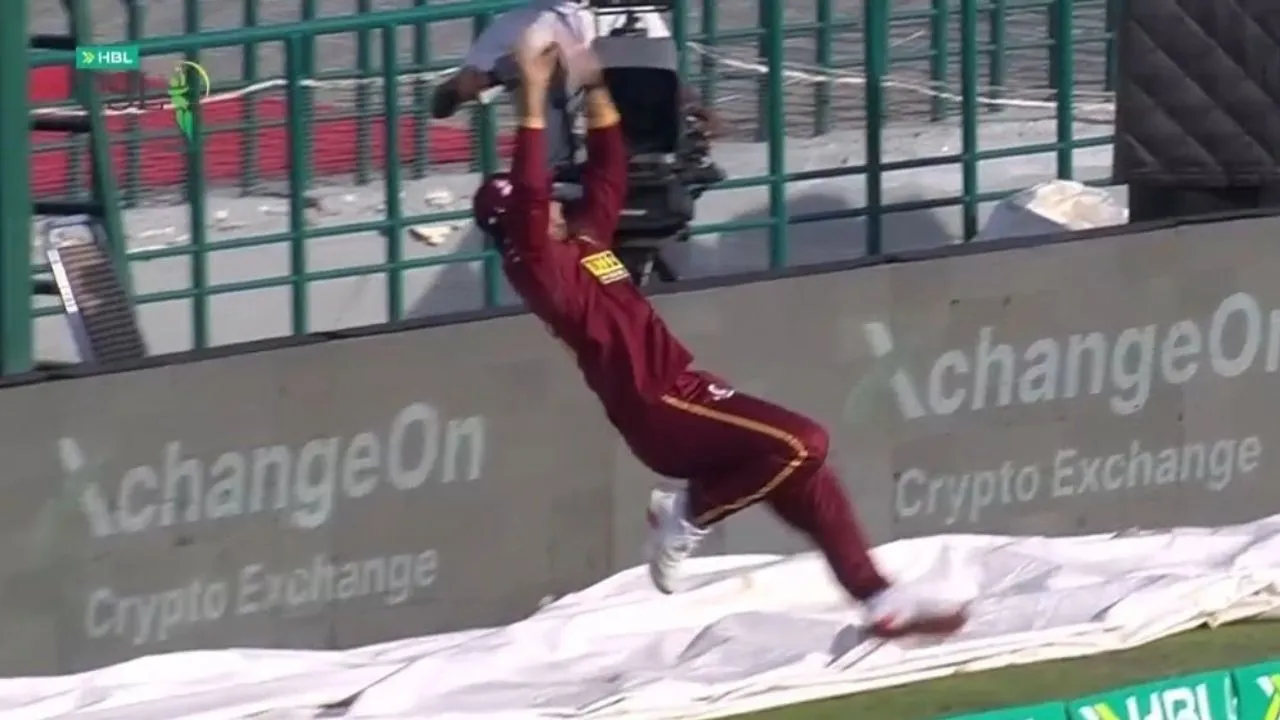
Saim Ayub pulls off un-Pakistani move, shows Superman effort to deny Tom Curran a boundary
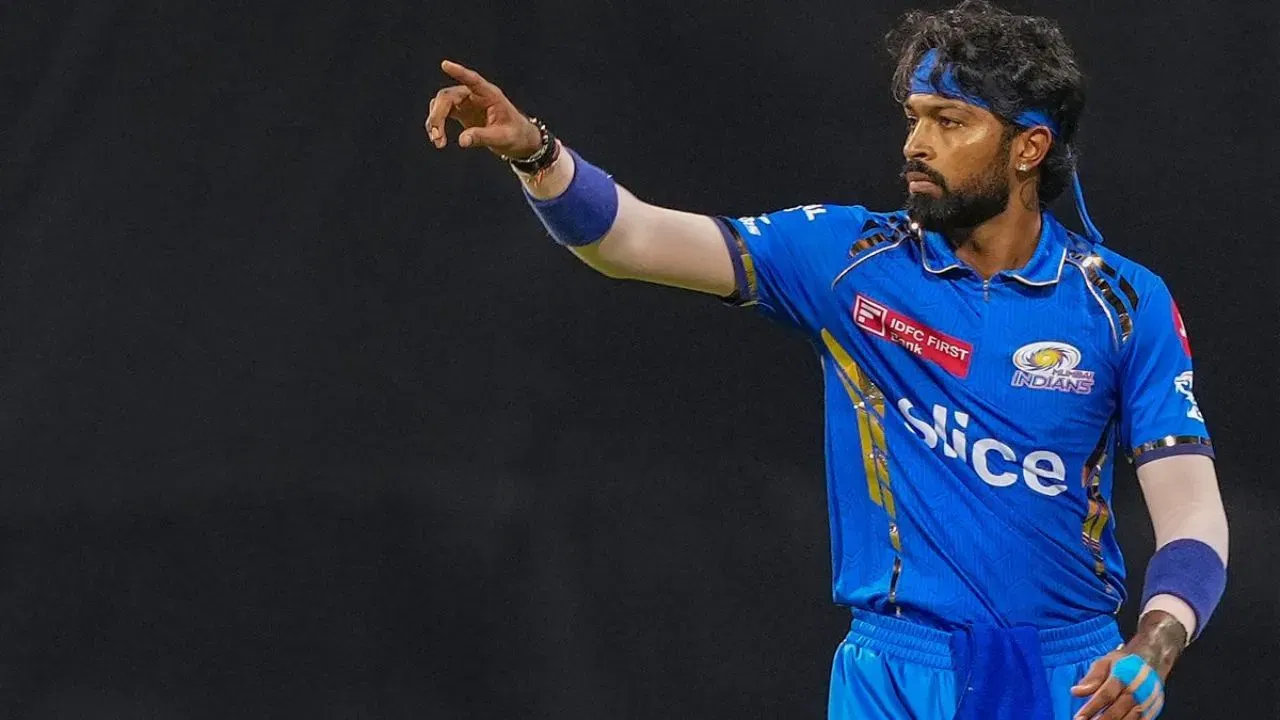
Mumbai Indians gave India so many cricketers: Hardik Pandya flexes MI legacy amid IPL 2026
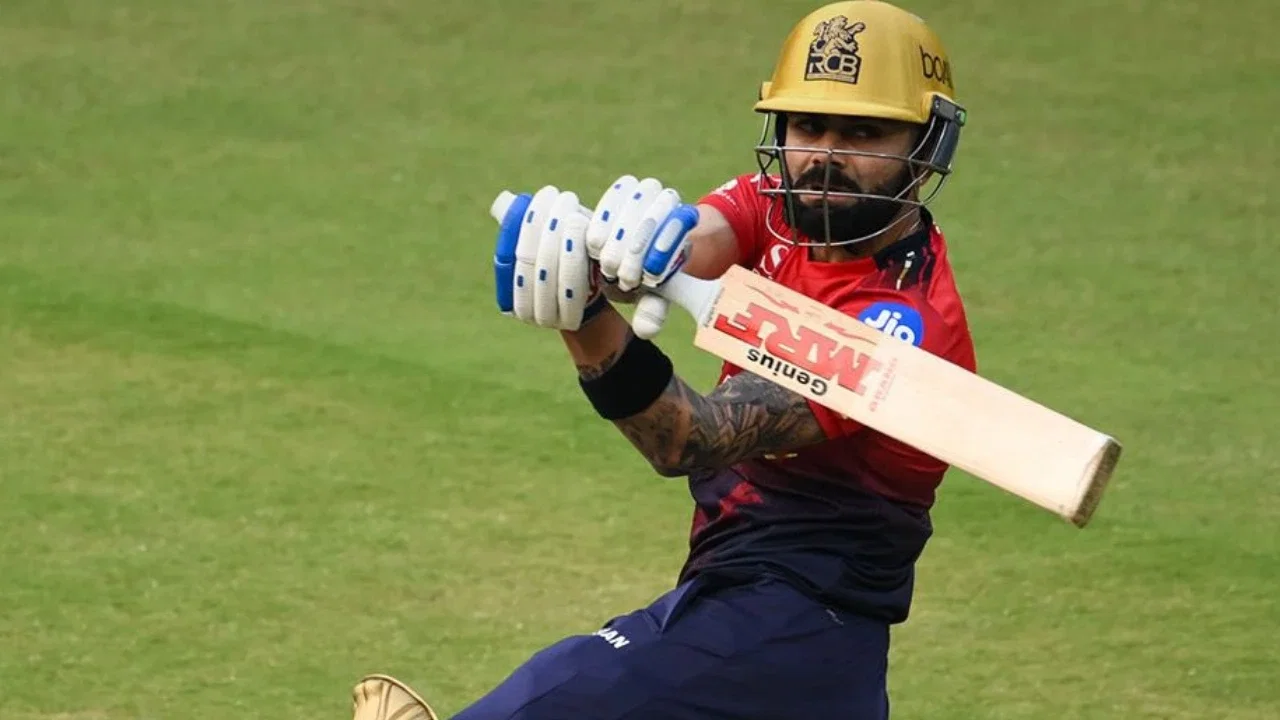
“Virat Kohli’s mentality has changed after retiring from Tests” – Dale Steyn makes huge claim
“Virat Kohli’s mentality has changed after retiring from Tests” – Dale Steyn makes huge claim
Auqib Nabi gets special praise from Narendra Modi ahead of IPL 2026
“Ajinkya Rahane is going to be a huge problem for KKR”: Ex-BCCI selector drops bombshell
Dewald Brevis out of IPL? CSK batter likely to miss 2-3 games for CSK

Hardik Pandya surprises Mahieka Sharma with luxurious Mercedes V-Class gift
MI vs KKR Impact Players Today: Toss Report, Playing XI, Latest Updates IPL 2026 Match 2
Daniel Vettori calls SRH a normal team, lashes out at the bowlers during dressing room speech after loss to RCB
RR vs CSK Match 3 Preview: Free Live Streaming, Pitch & Weather Report, Head-to-Head | IPL 2026
RR vs CSK Match Prediction – Who Will Win 3rd Match? | IPL 2026
Chennai Super Kings Playing XI vs Rajasthan Royals Playing XI – Match 3 | IPL 2026
“Only God can save them”: SRH’s bowling attack slammed as “fake” and “terrible” after RCB thrashing