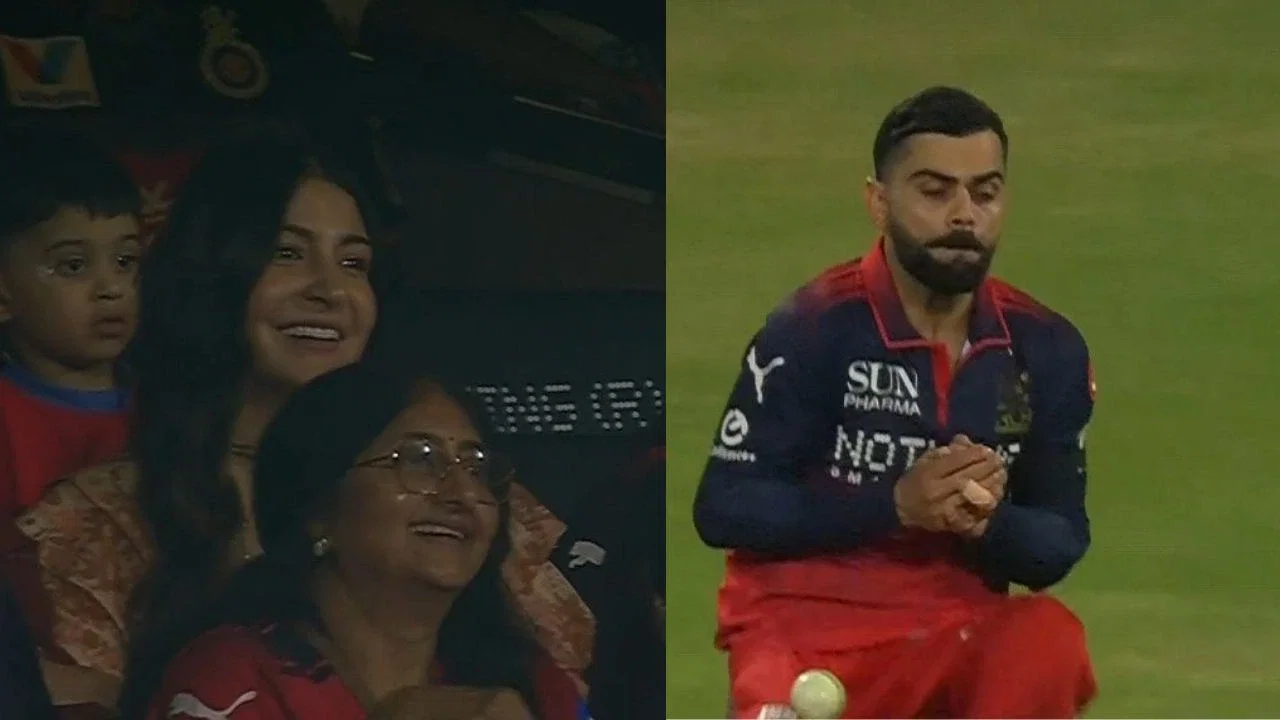
Pakistan’s Salman Ali Agha launches protest in Dubai after India refuse to shake hands

Controversy at Asia Cup 2025: India’s Handshake Refusal Sparks Outrage
The highly anticipated India vs Pakistan match in the Asia Cup 2025 on September 14th ended in controversy as the customary handshake between captains was refused, leading to a chain of events that continued even after the match was over. The refusal to shake hands sparked outrage and escalated tensions between the two cricketing nations.
India’s Protest Against Pakistan
Before the match even began, Indian captain Suryakumar Yadav had made it clear that he would not partake in the traditional handshake with his Pakistani counterpart, Salman Ali Agha, as a symbolic protest. The decision not to shake hands was fueled by the ongoing political tensions between the two countries, with India facing backlash at home for participating in the match against Pakistan in the wake of the Pahalgam terror attack.
Suryakumar Yadav openly stated that certain things in life are more important than sportsmanship, alluding to the recent attack. This gesture set the tone for what would unfold during and after the match.
Post-Match Drama
Following India’s victory over Pakistan by seven wickets in the Asia Cup 2025 clash, the entire Indian team stood by their captain’s decision and refused to shake hands with the Pakistani players. They went straight to the dressing room, closing the door on any attempts at reconciliation or friendly gestures.
Despite efforts from the Pakistan team to maintain the spirit of sportsmanship and approach India’s dressing room for handshakes, they were met with a closed door, leaving them disappointed and hurt. This led Pakistan’s captain, Salman Ali Agha, to skip the post-match presentation ceremony in a show of protest against India’s behavior.
Reactions and Fallout
Pakistan’s head coach, Mike Hesson, expressed disappointment over India’s refusal to shake hands and explained Salman Ali Agha’s decision to skip the presentation ceremony. He mentioned that Pakistan was prepared to shake hands but were met with a closed door, leaving them dismayed by the lack of sportsmanship from the Indian team.
The aftermath of the Asia Cup 2025 match highlighted the deep-rooted tensions between India and Pakistan, transcending the realm of sports. The refusal to shake hands and the subsequent fallout showcased how political conflicts can impact even the most revered sporting events.
Despite the controversy and backlash, the match proceeded as approved by the BCCI and the Indian government, underscoring the complexities of sports diplomacy in the face of geopolitical challenges. The Asia Cup 2025 will be remembered not only for the thrilling cricket on display but also for the controversies and tensions that unfolded both on and off the field.
The Impact of Social Media on the Controversy
Social media played a significant role in amplifying the controversy surrounding India’s refusal to shake hands with Pakistan at the Asia Cup 2025. The incident quickly went viral, with fans, analysts, and political figures from both countries weighing in on the matter.
Indian fans were divided in their opinions, with some supporting Suryakumar Yadav’s protest as a stand against terrorism, while others criticized the decision, citing the importance of sportsmanship and the need to separate politics from sports. On the other hand, Pakistani supporters expressed disappointment and frustration at what they perceived as a lack of respect from the Indian team.
Critics from around the world also joined the conversation, highlighting how such actions can have far-reaching consequences beyond the cricket field. The controversy sparked debates on the role of sports in diplomacy and whether it should be used as a platform to address political issues.
Lessons Learned for Future Sporting Events
The Asia Cup 2025 incident served as a stark reminder of the delicate balance between sports and politics. It prompted discussions on how to navigate similar situations in the future to prevent tensions from overshadowing the spirit of the game.
Sports governing bodies, such as the International Cricket Council (ICC), may need to establish clearer guidelines on how to handle politically charged scenarios like the one witnessed at the Asia Cup. This could include protocols for pre-match interactions, post-match ceremonies, and handling disputes between teams to maintain the integrity of the sport.
Furthermore, teams and players might benefit from sensitivity training on how to navigate political tensions during sporting events. Understanding the impact of their actions beyond the field can help prevent misunderstandings and promote a more harmonious environment among competing nations.
Looking Ahead: Reconciliation and Moving Forward
Despite the controversy and animosity that marred the India vs Pakistan match at the Asia Cup 2025, there is hope for reconciliation and unity in the future. Sports have a unique ability to transcend borders and bring people together, even in the midst of political differences.
Both the Indian and Pakistani cricket boards have the opportunity to engage in dialogue, foster understanding, and work towards building a more positive relationship through sports. Encouraging gestures of goodwill, such as friendly matches, joint initiatives, or cultural exchanges, can help bridge the divide and promote harmony between the two nations.
While the Asia Cup 2025 will be remembered for the controversy it sparked, it also presents an opportunity for growth, learning, and ultimately, unity through the power of sports.
By exploring the broader implications of the controversy, addressing the role of social media, and proposing strategies for reconciliation, this expanded content offers a comprehensive analysis of the events surrounding the India vs Pakistan match at the Asia Cup 2025.
Latest News
SRH suffer huge blow! Daniel Vettori confirms another overseas pacer injured amid crisis
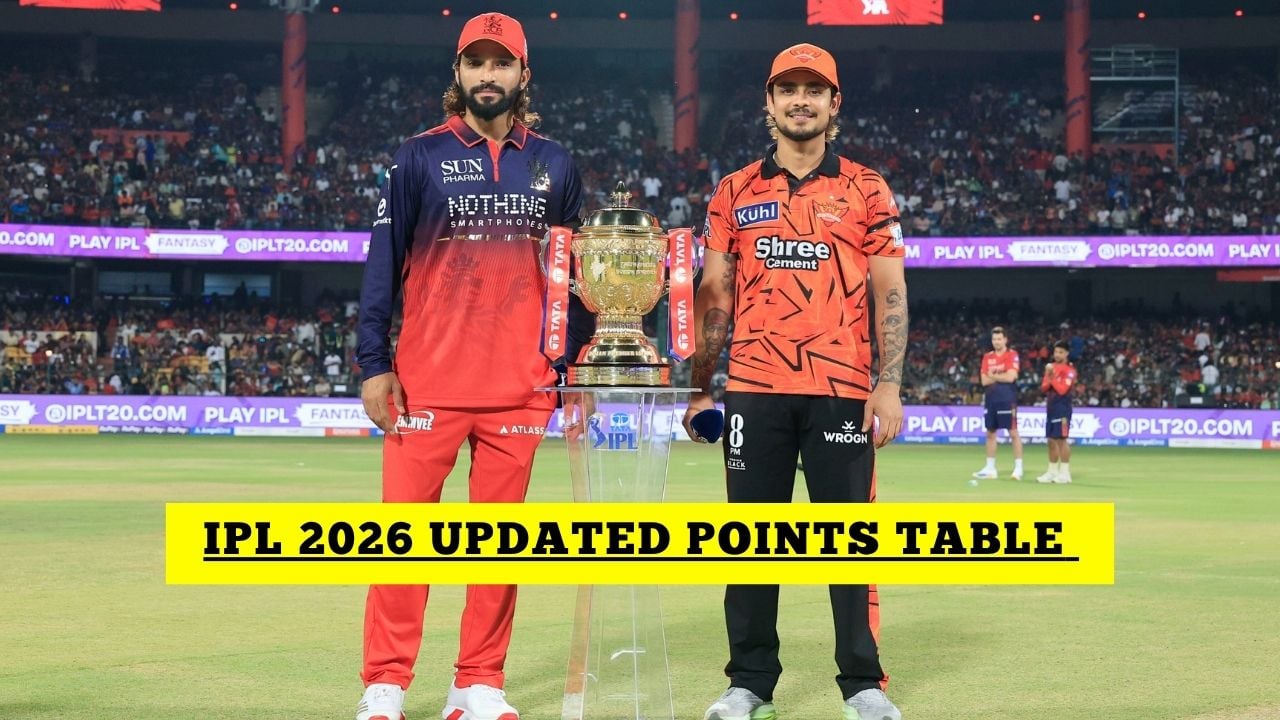
IPL Points Table 2026: Updated Standings, Orange Cap, Purple Cap After RCB vs SRH Match 1
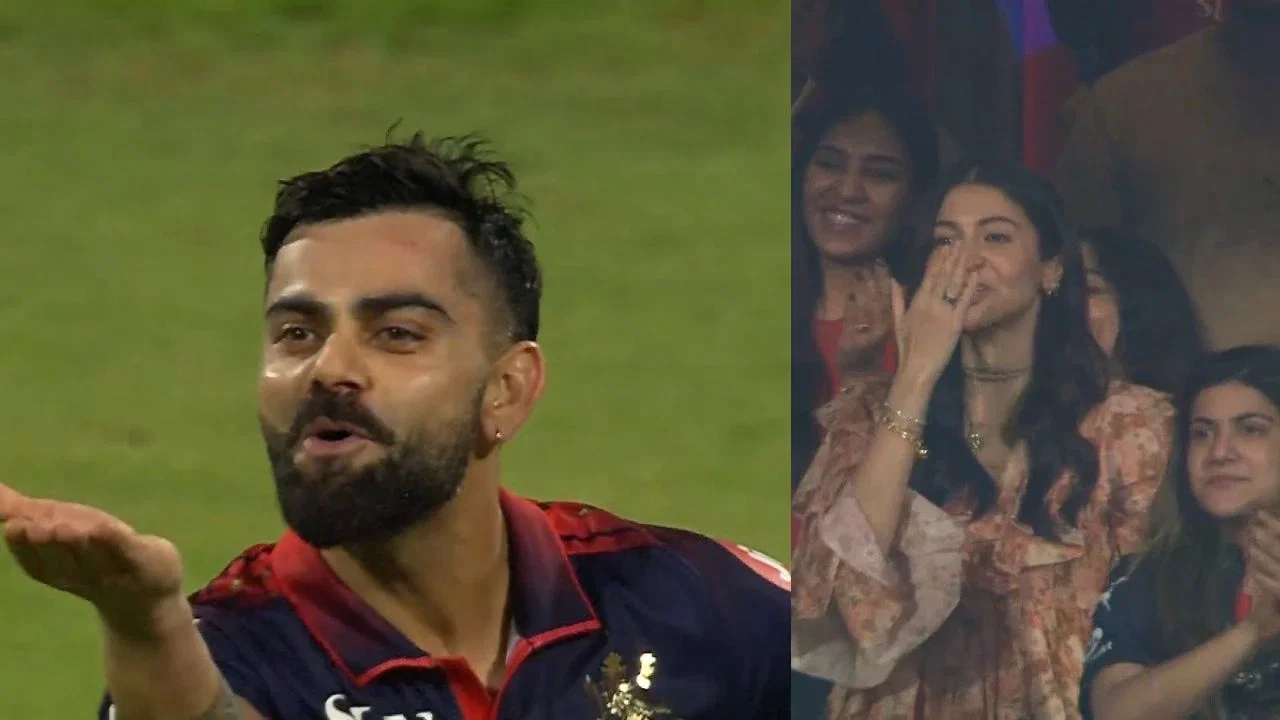
Virat Kohli, Anushka Sharma share adorable flying kiss moment after RCB vs SRH clash
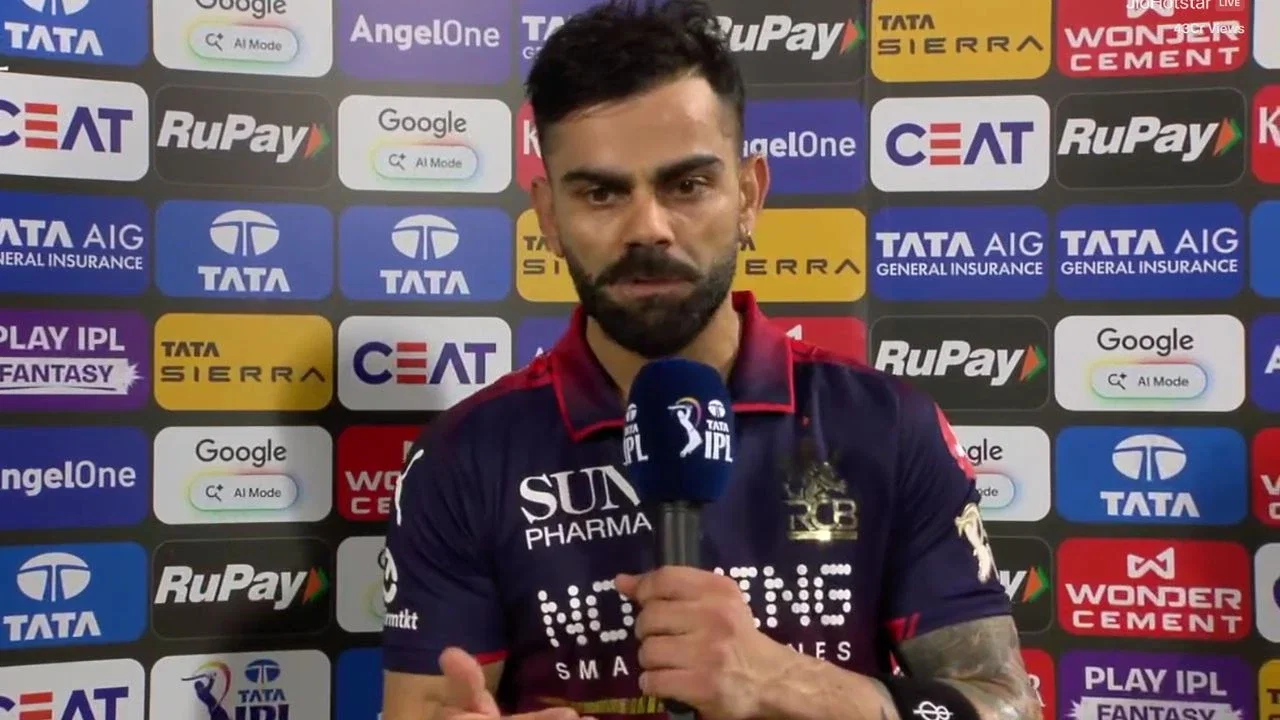
“Absolutely world-class”: Virat Kohli backs Devdutt Padikkal for permanent Team India spot
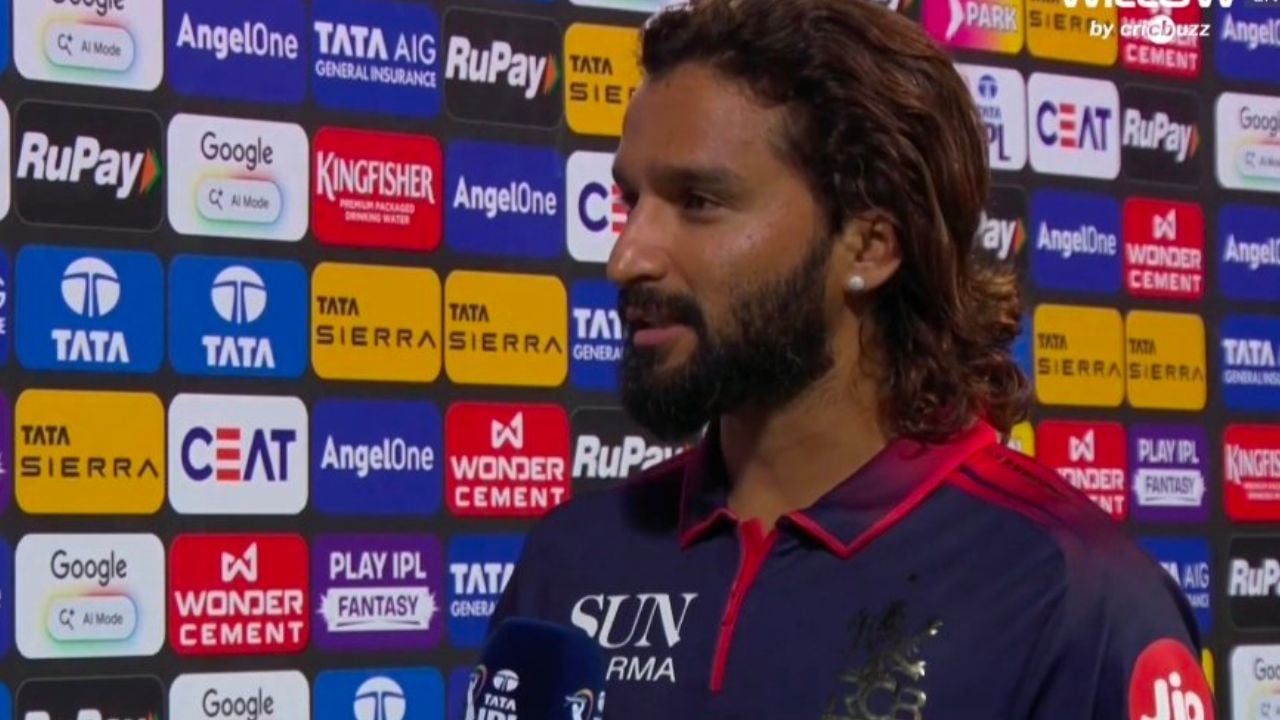
Rajat Patidar refuses to comment on Virat Kohli; Ishan Kishan admits enjoying after SRH’s loss to RCB
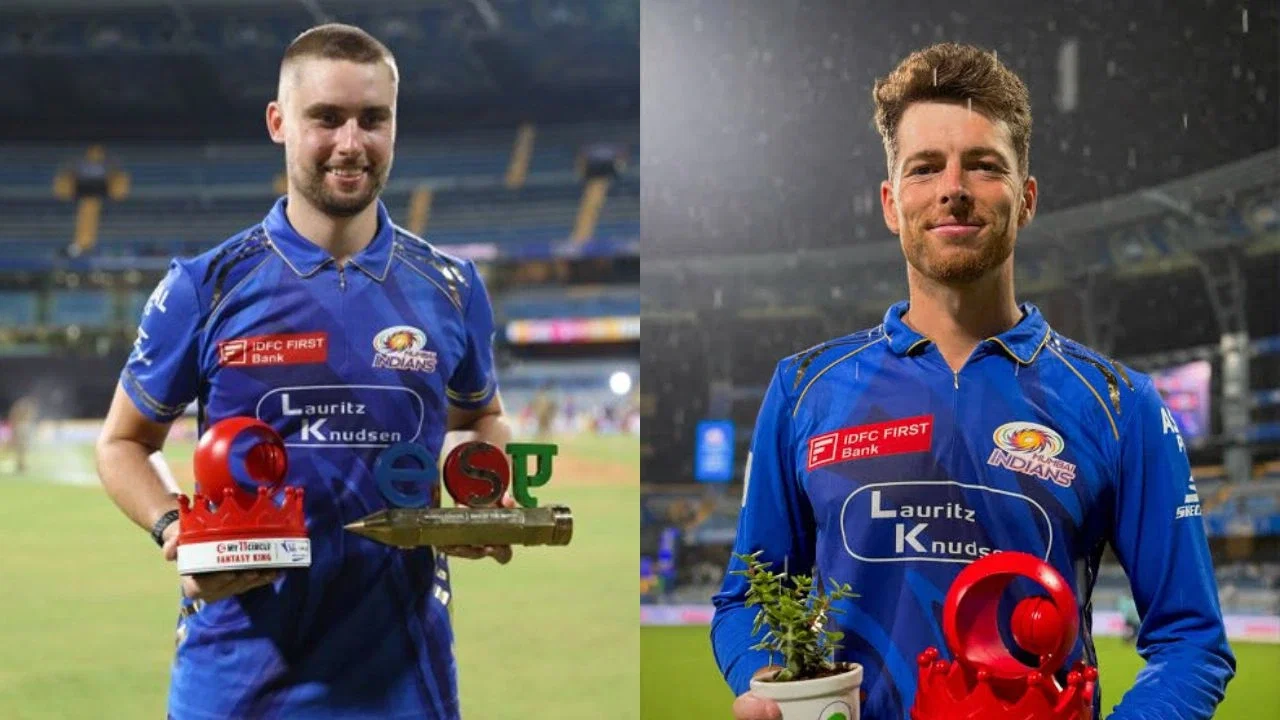
Mumbai Indians suffer blow! Mitchell Santner, Will Jacks ruled out of IPL 2026 games
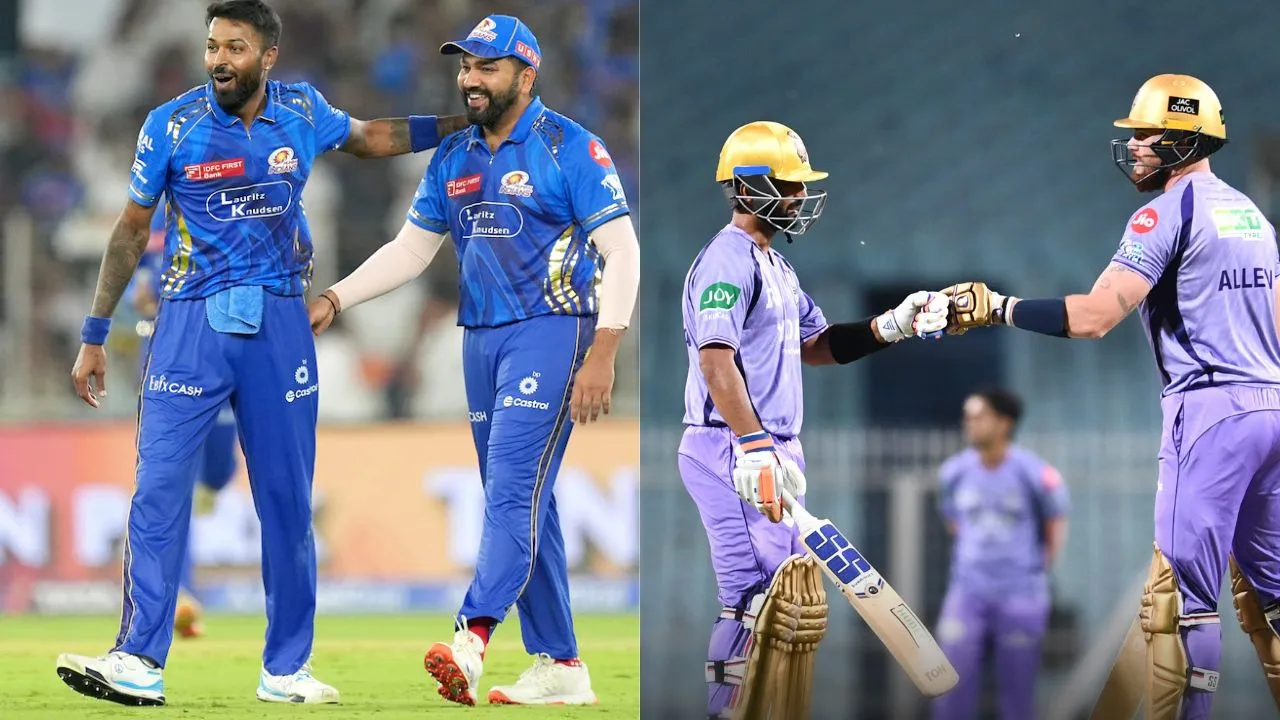
MI vs KKR Match Prediction – Who Will Win Match No.2? | IPL 2026
Mumbai Indians Playing XI vs Kolkata Knight Riders Playing XI- Match No. 2 | IPL 2026
MI vs KKR Match 2 Preview: Free Live Streaming, Pitch & Weather Report, Head-to-Head | IPL 2026
Not English cricket! Jos Buttler credits IPL for his success as a cricketer
“Nitish Kumar Reddy is biggest fraud”: Fans fume as SRH star fails vs RCB in IPL 2026 opener
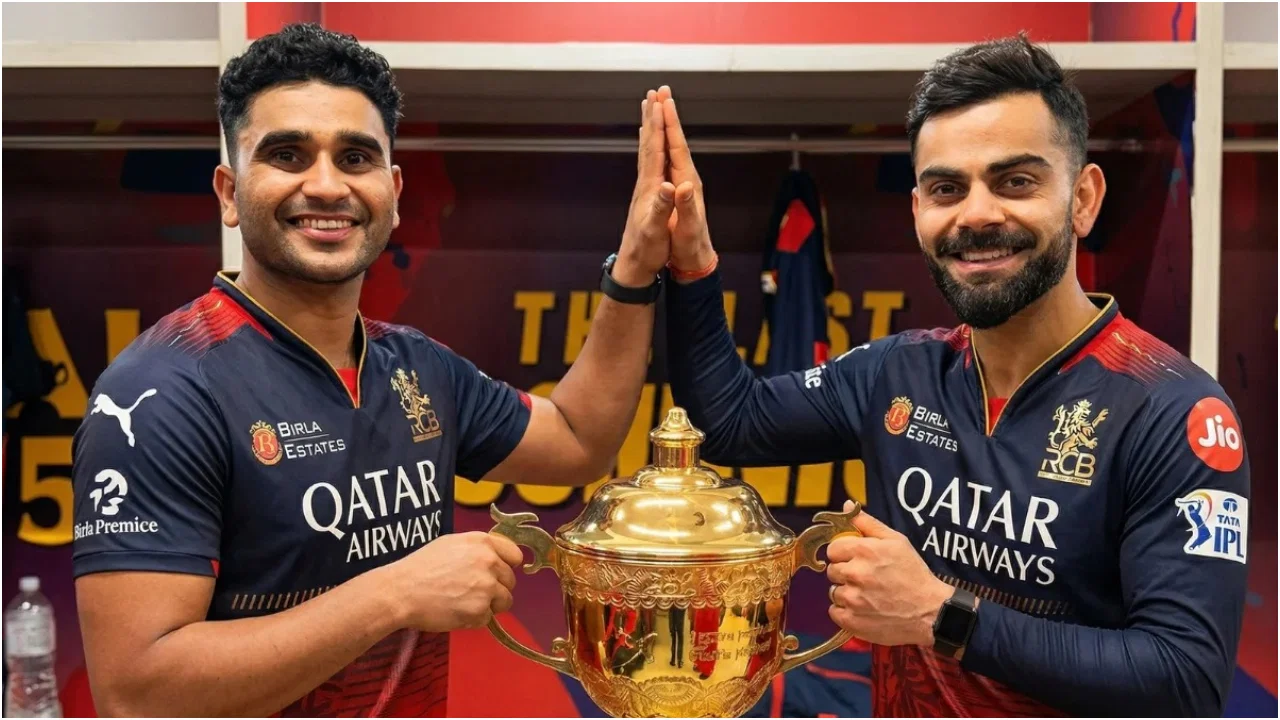
Who is Abhinandan Singh? The Virat Kohli troublemaker who made his IPL debut for RCB vs SRH
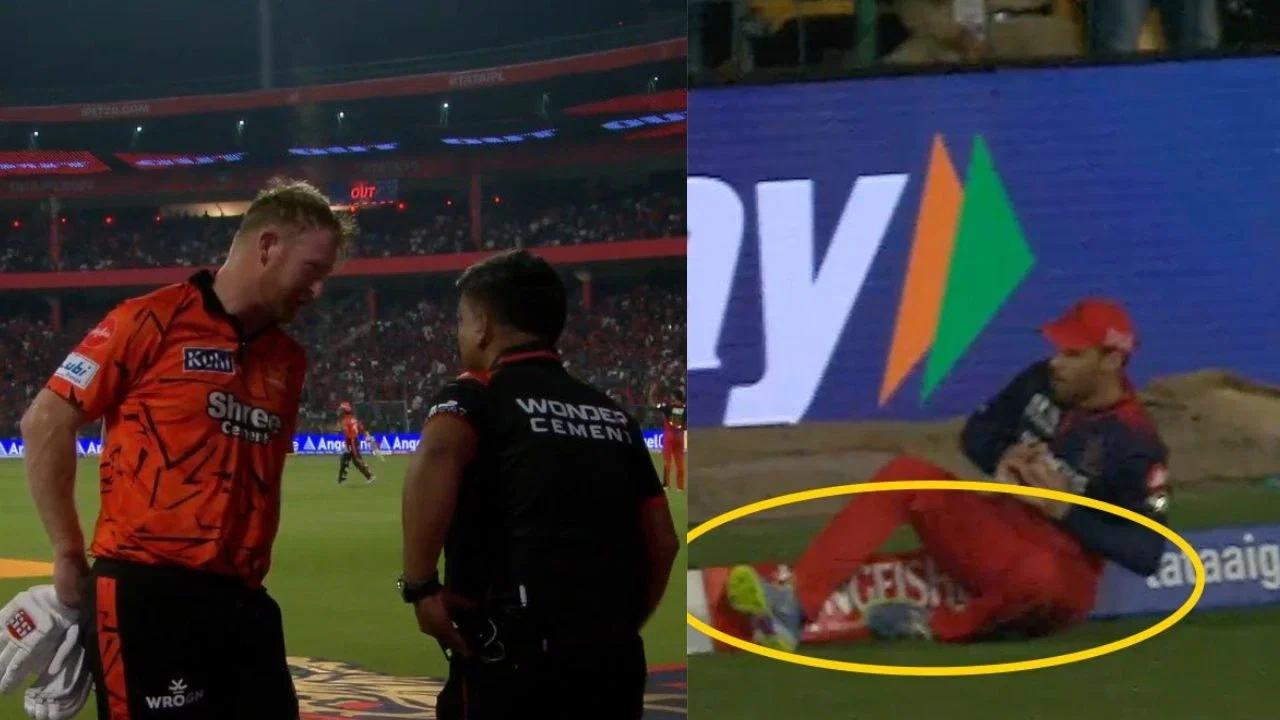
Heinrich Klaasen engages in heated chat with 4th umpire after Phil Salt’s controversial catch in IPL 2026
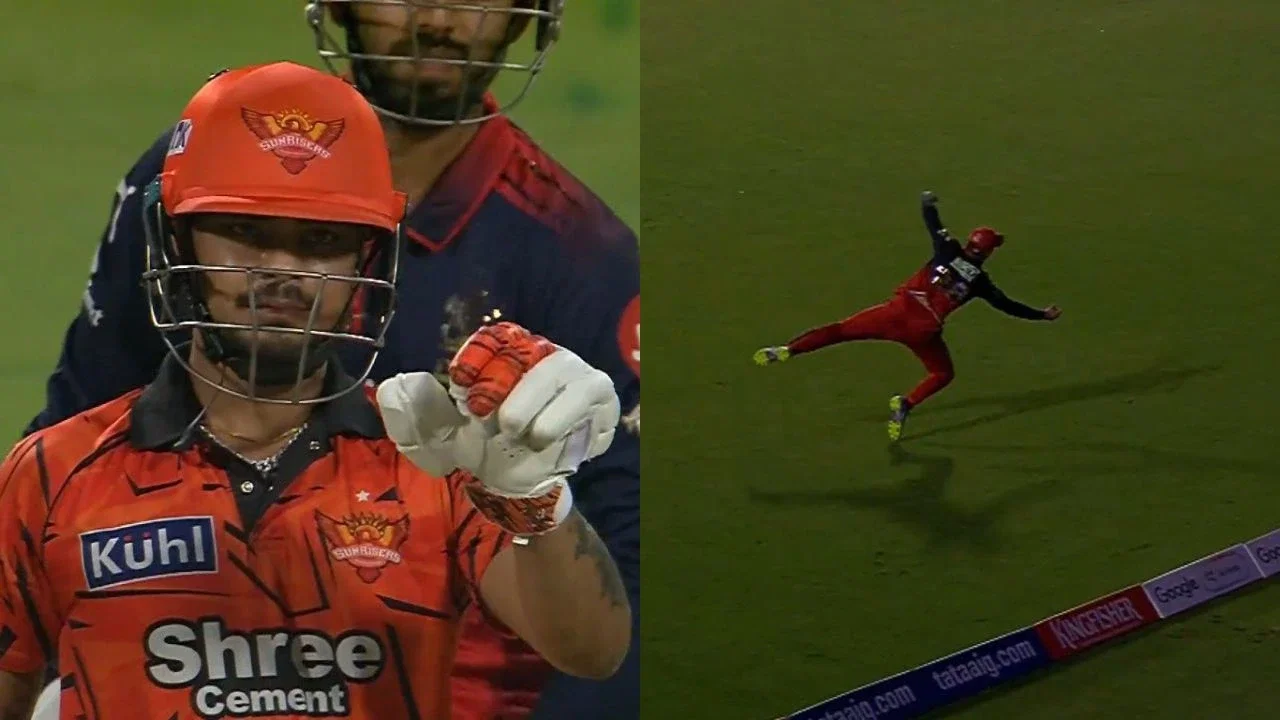
Phil Salt grabs one of the greatest catches in IPL history to dismiss Ishan Kishan