Pakistan’s Salman Ali Agha launches protest in Dubai after India refuse to shake hands

India vs Pakistan Asia Cup 2025 Match Ends in Controversy
Refusal of Handshake Sparks Tension
The highly anticipated India vs Pakistan match in the Asia Cup 2025 on September 14th took an unexpected turn as controversy erupted due to a refusal of a customary handshake between the captains. Suryakumar Yadav, the Indian captain, had already decided not to engage in the handshake, leaving the decision up to his teammates during the clash at the Dubai International Cricket Stadium in Dubai.
As tensions were already running high back home in India over facing Pakistan, Suryakumar initiated the handshake protest by refusing to shake hands at the toss. This initial act set off a chain of events that escalated the already strained relationship between the two nations during the tournament.
Symbolic Protest After Victory
After India emerged victorious in the Asia Cup 2025 match against Pakistan with a seven-wicket win, Suryakumar and the entire Indian team continued their protest by refusing to shake hands with their Pakistani counterparts. They opted to go straight to the dressing room as a symbolic protest against recent events, particularly referencing the Pahalgam attack.
Suryakumar openly stated, “I feel a few things in life are ahead of sportsmanship,” emphasizing the importance of certain issues over the gesture of sportsmanship.
Pakistan Disappointed by India’s Behavior
Despite attempts from the Pakistan side to maintain a sporting spirit by approaching India’s dressing room for a handshake, they were met with a closed door. The Indian support staff reportedly prevented the gesture from taking place, further deepening the disappointment and hurt felt by the Pakistan team.
In response to India’s behavior, Pakistan skipper Salman Ali Agha chose to skip the post-match presentation ceremony, sending a strong message about how his team perceived the actions of their Indian counterparts.
Coach Mike Hesson Reacts
Pakistan’s head coach, Mike Hesson, addressed the situation by expressing disappointment over India’s refusal to engage in a post-match handshake. Hesson clarified that Pakistan was willing to participate in the gesture but was met with closed doors from the Indian side.
Despite the tensions and controversy surrounding the match, both teams had no choice but to compete as the BCCI and the Indian government approved the participation in the Asia Cup 2025, sparking a series of events that led to a strained relationship between the cricketing nations.
Overall, the refusal of a handshake following the India vs Pakistan match in the Asia Cup 2025 has not only stirred controversy but has also heightened tensions between the two countries, showcasing the complex dynamics that exist beyond the realm of sports.
Impact of Social Media
Following the controversial match between India and Pakistan in the Asia Cup 2025, social media platforms were ablaze with discussions and debates about the refusal of the handshake. Fans from both countries took to Twitter, Facebook, and Instagram to express their opinions on the matter, further fueling the divide between supporters of the two teams.
While some applauded Suryakumar Yadav and team India for taking a stand on important issues, others criticized their actions, highlighting the need for sportsmanship and diplomacy in cricket matches between rival nations. The use of social media to amplify the incident demonstrates how powerful these platforms can be in shaping public perception and influencing discussions around sensitive topics.
Historical Context of India-Pakistan Cricket Rivalry
The longstanding rivalry between India and Pakistan in cricket dates back decades and is rooted in political tensions, border disputes, and historical conflicts. Matches between the two countries are often charged with emotion and national pride, making them highly anticipated events that capture the attention of millions of fans around the world.
The refusal of the handshake in the Asia Cup 2025 match is just the latest chapter in the complex history of the India-Pakistan cricket rivalry. It serves as a reminder of the deep-seated animosity and mistrust that exist between the two nations, even on the cricket field where sportsmanship and camaraderie are typically celebrated.
Diplomatic Ramifications
The fallout from the controversial match has extended beyond the cricketing world, with diplomatic tensions between India and Pakistan also coming into play. The refusal of the handshake and the subsequent actions of both teams have been closely watched by political leaders and officials in both countries, potentially impacting bilateral relations in other areas.
The incident has underscored the delicate balance between sports and politics, highlighting how a seemingly small gesture in a cricket match can have far-reaching consequences on larger geopolitical dynamics. As both countries navigate the aftermath of the Asia Cup 2025 match, it remains to be seen how the incident will influence future interactions between India and Pakistan on and off the cricket field.
Calls for Dialogue and Reconciliation
Amidst the controversy and tensions surrounding the India vs Pakistan match, there have been calls for dialogue and reconciliation between the two nations. Cricket has often been seen as a bridge for fostering understanding and communication between India and Pakistan, with matches serving as opportunities for people-to-people interactions and cultural exchanges.
While the refusal of the handshake may have deepened divides between the two countries, it also presents an opportunity for reflection and introspection on how sports can be used to promote peace and harmony. Moving forward, there is a growing recognition of the need for open channels of communication and mutual respect between India and Pakistan, both on and off the cricket field.
In conclusion, the India vs Pakistan match in the Asia Cup 2025 has brought to light the complexities and challenges of the cricketing rivalry between the two nations. The refusal of a handshake may have sparked controversy and tensions, but it also serves as a reminder of the broader issues at play in the India-Pakistan relationship. As both countries navigate the aftermath of the match, there is an opportunity for dialogue, understanding, and reconciliation to pave the way for a more peaceful and cooperative future.
Latest News
Shubman Gill out? Virat Kohli’s Test comeback as captain suggested by CSK legend
Jason Gillespie gives major update on Glenn Maxwell’s availability for PSL 2026
‘I’m a big fan but…’: Ravichandran Ashwin criticises Abhishek Sharma after failure vs RCB.
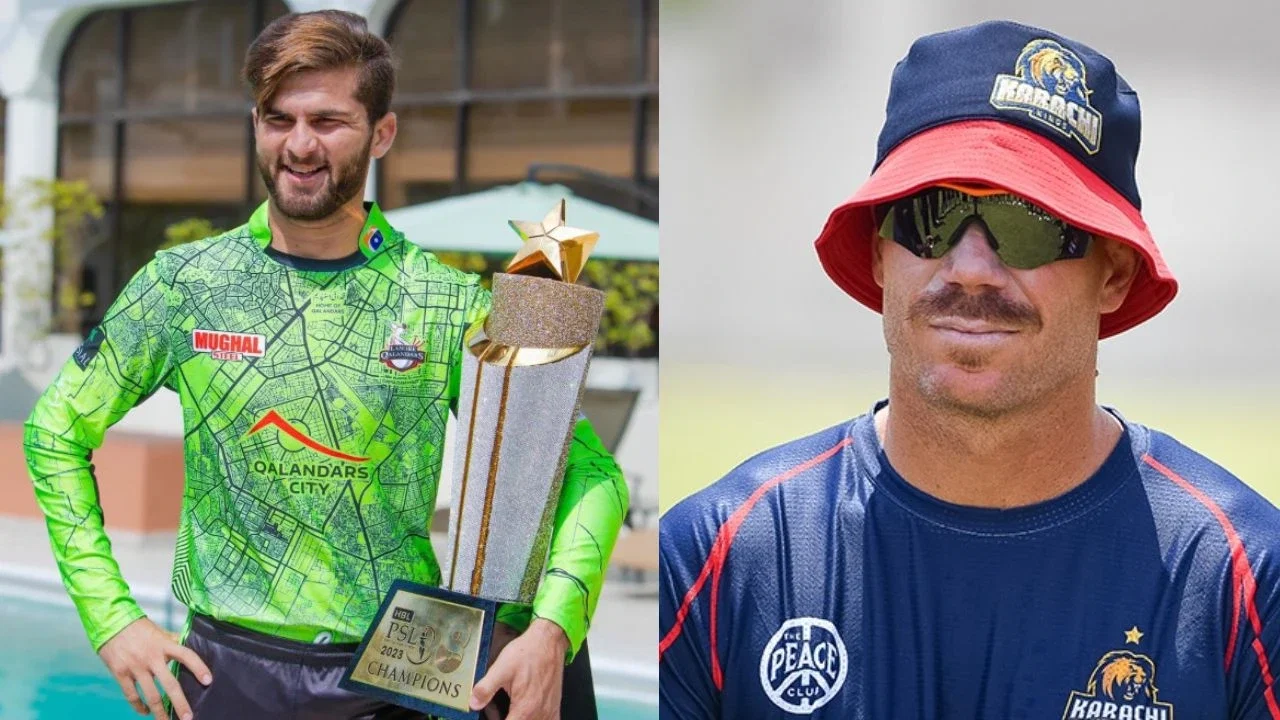
LHQ vs KRK Match Prediction, Pitch & Weather Report, Playing XIs, Head-to-Head, Free Live Streaming – PSL 2026 Match 6
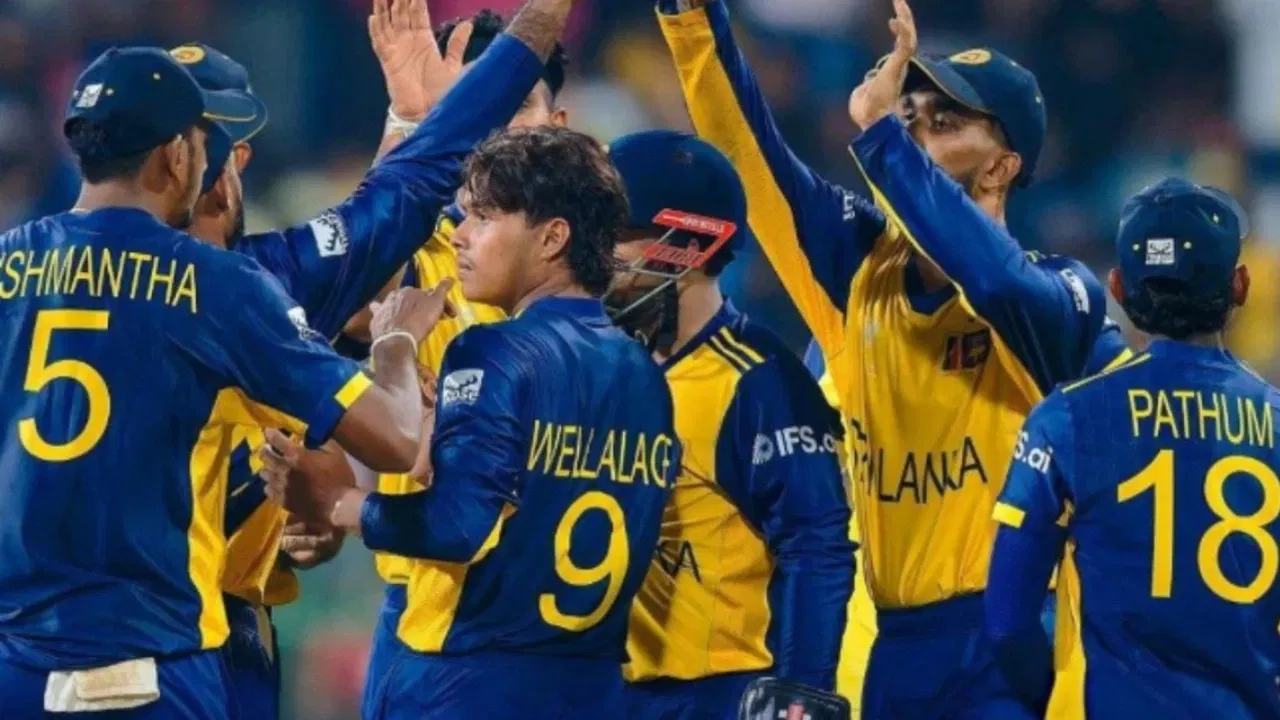
IPL teams on alert!: Sri Lanka fitness crisis sees almost 50% players fail tests
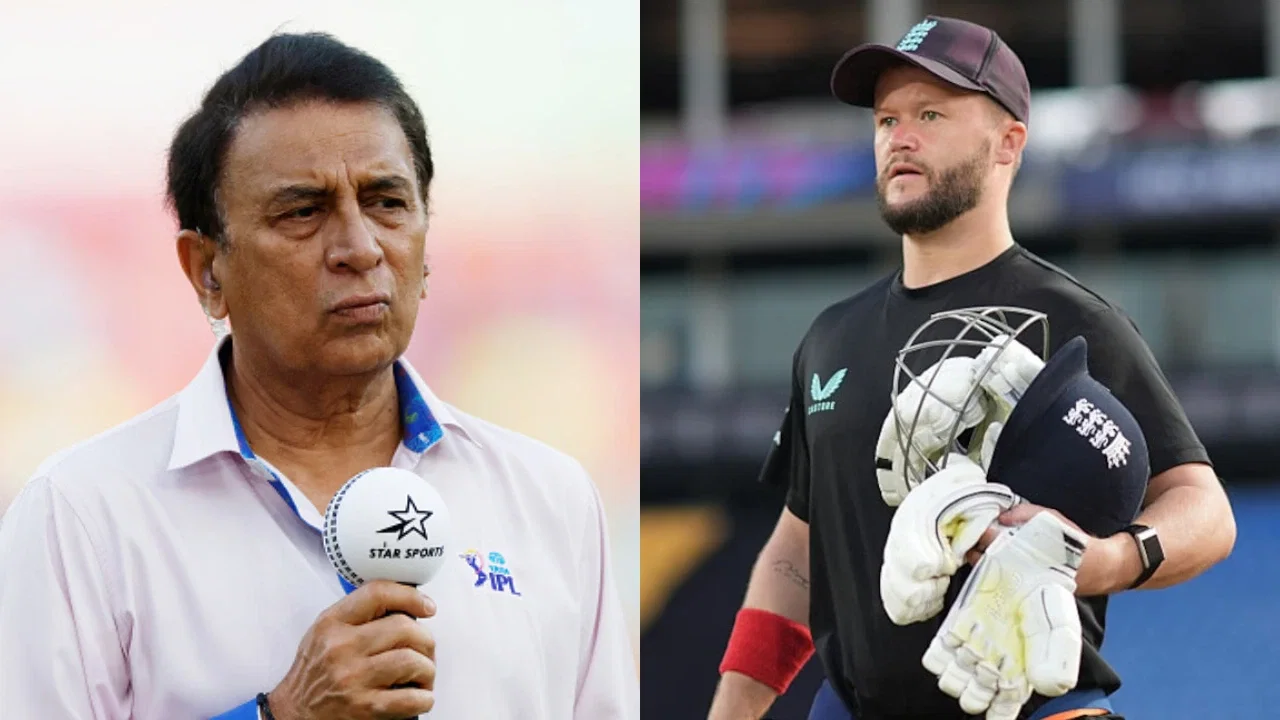
Ben Duckett in trouble? Sunil Gavaskar pushes BCCI for tougher punishment
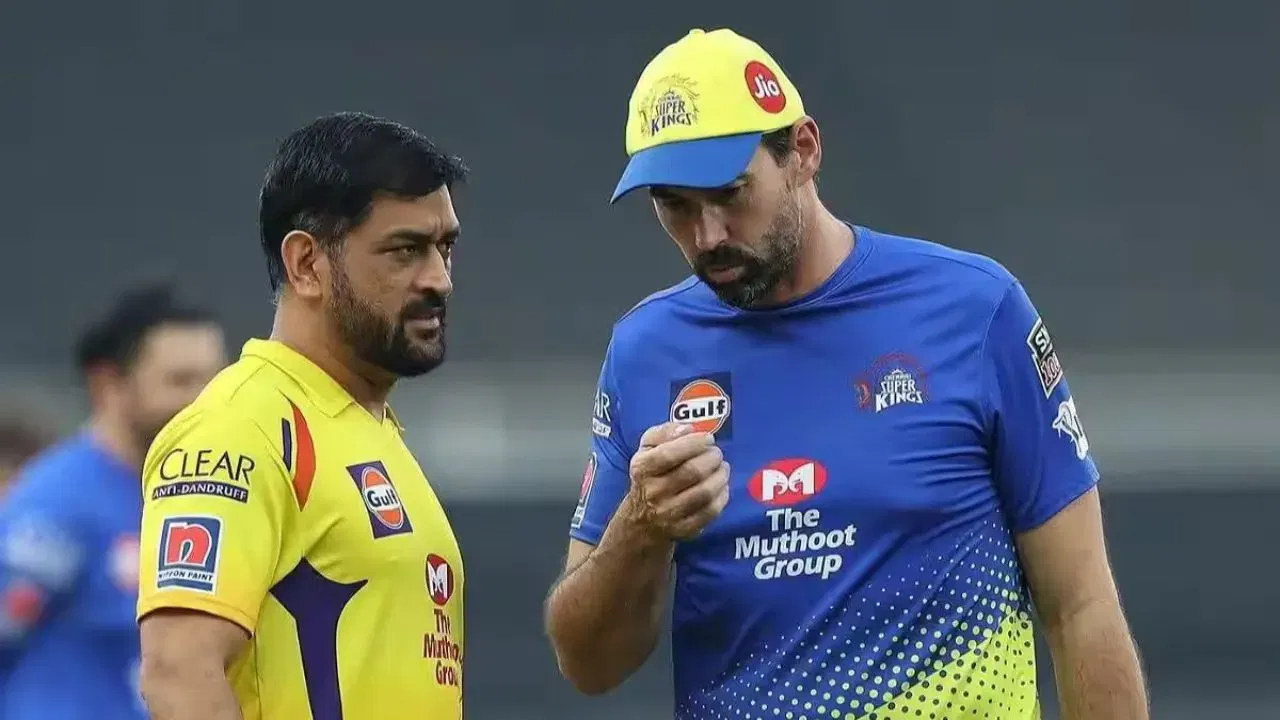
MS Dhoni faking injury? Michael Vaughan suspects ‘strategic manoeuvre’ in CSK camp for IPL 2026
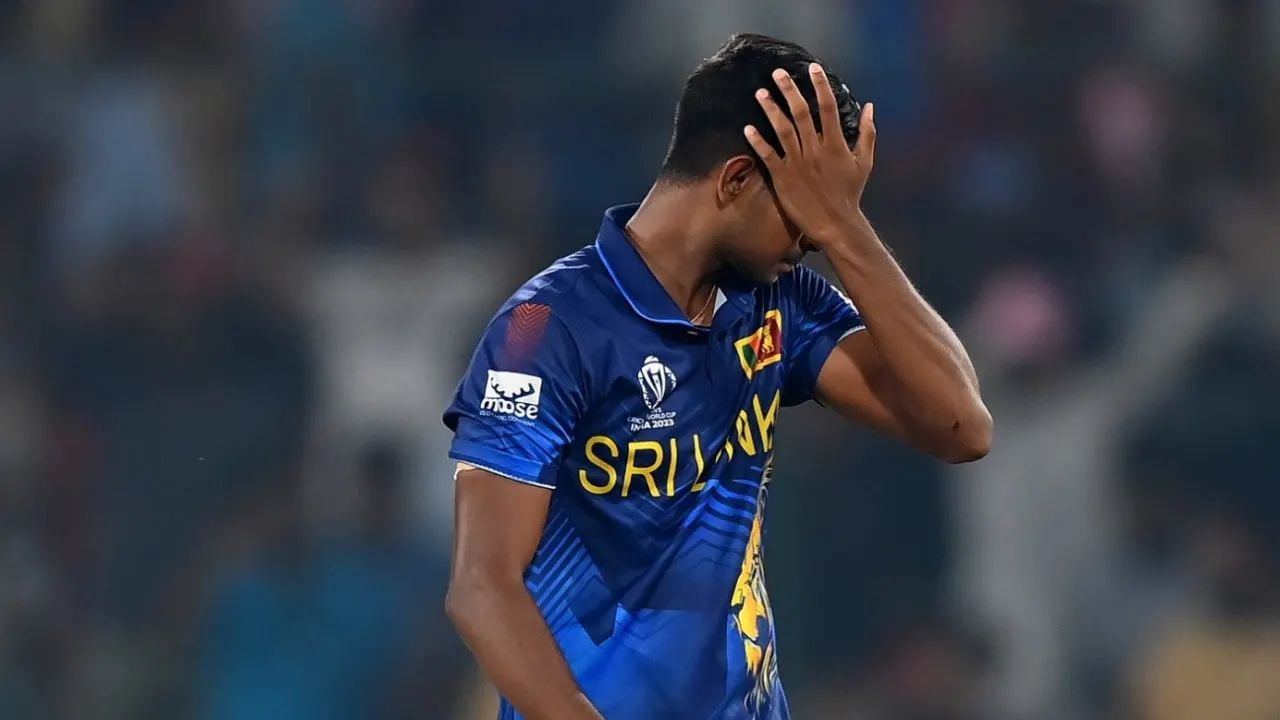
KKR coach criticises Impact Player rule, provides huge Matheesha Pathirana update
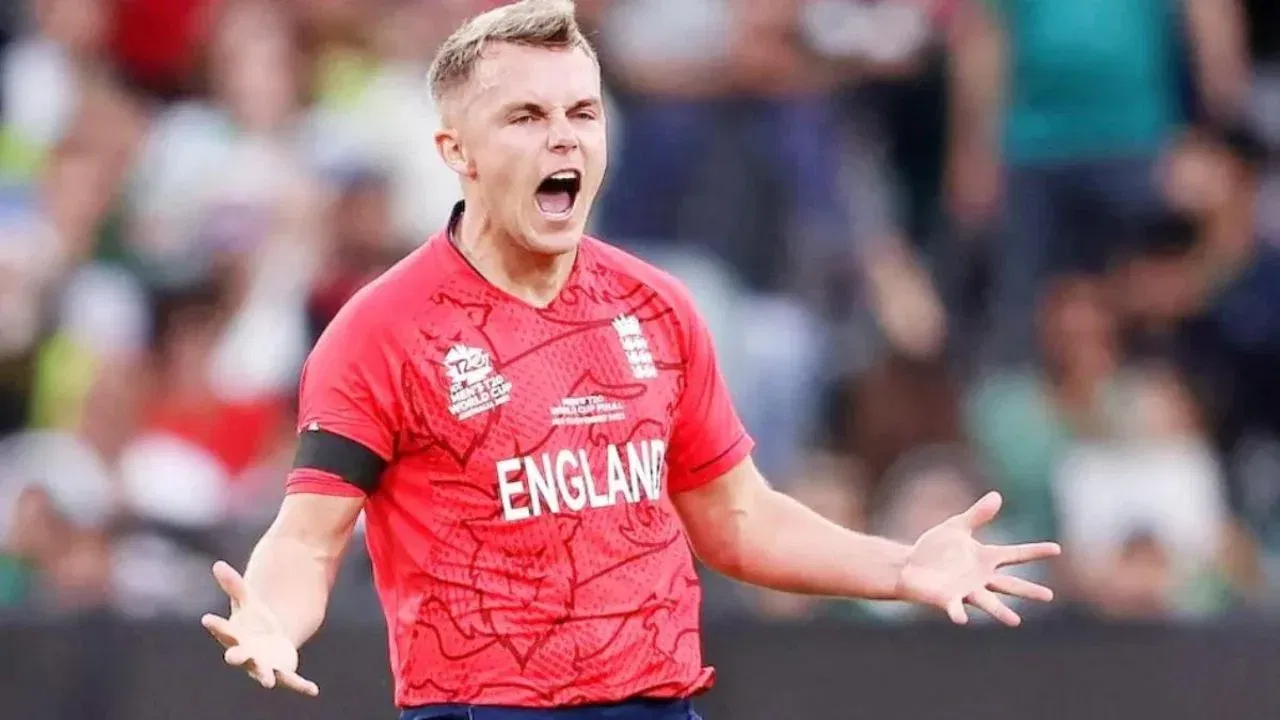
Sam Curran reveals private chat with Brendon McCullum after England axing
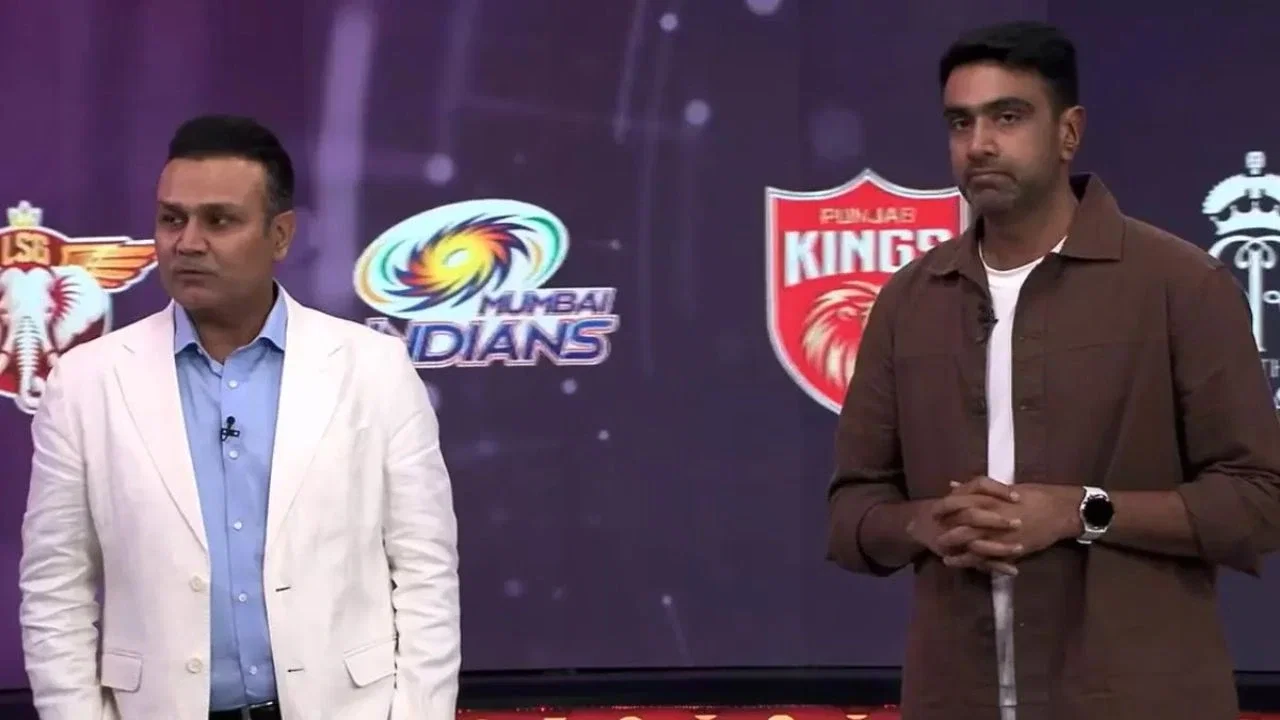
Ravichandran Ashwin brutally teased by Virender Sehwag on IPL 2026 debut
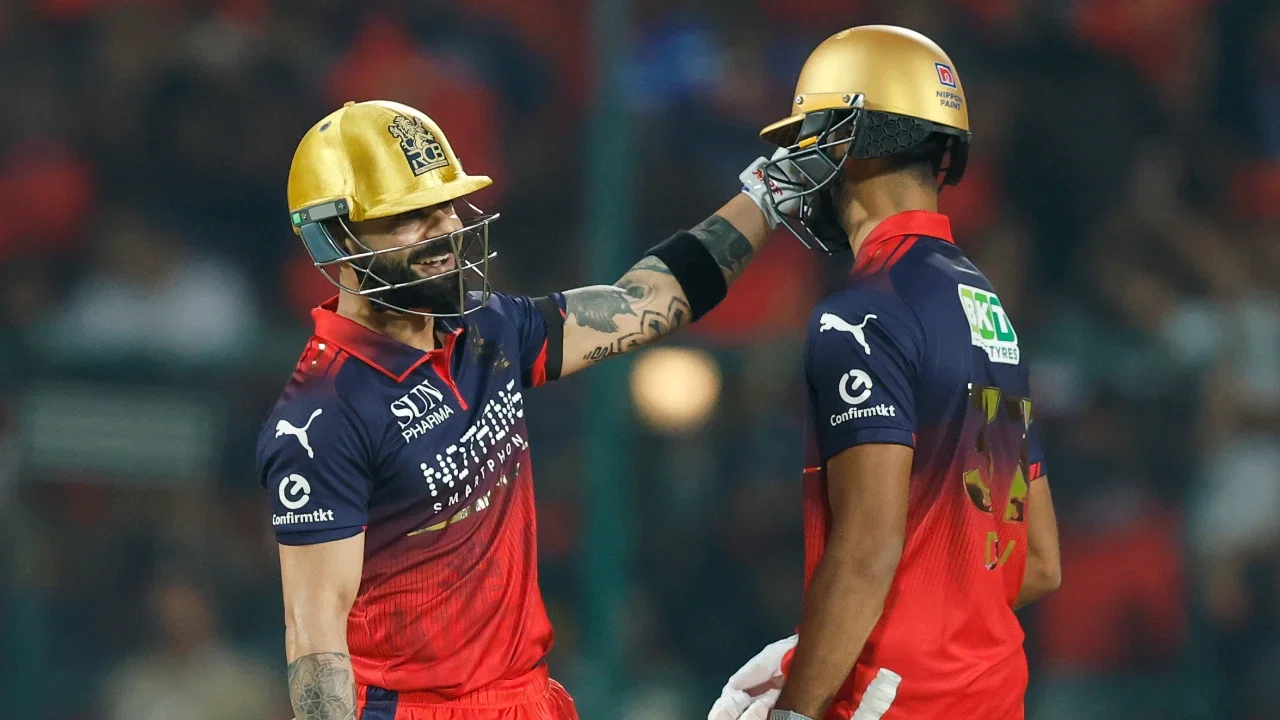
Virat Kohli’s ego under spotlight! Ex-KKR star makes bold claim after heroics vs SRH
Jay Shah rises to No. 22 among most powerful people in India in 2026; Virat Kohli, Gautam Gambhir included
SRH suffer huge blow! Daniel Vettori confirms another overseas pacer injured amid crisis
IPL Points Table 2026: Updated Standings, Orange Cap, Purple Cap After RCB vs SRH Match 1