Pakistan’s Salman Ali Agha launches protest in Dubai after India refuse to shake hands

India vs Pakistan Match Ends in Controversy over Handshake Refusal
Controversy Erupts in Asia Cup 2025 Match
The high-profile India vs Pakistan match in the Asia Cup 2025 on September 14 ended in controversy as the customary handshake between captains was refused by Suryakumar Yadav, sparking a series of events that continued till the post-match presentation. The clash took place at the Dubai International Cricket Stadium in Dubai.
Handshake Refusal Sparks Outrage
As the Indian cricket team was well aware of the widespread outrage back home over facing Pakistan, Suryakumar Yadav decided not to shake hands with the Pakistani captain at the toss. This decision marked the beginning of fresh controversy in the tournament, underscoring the tense relationship between the two nations.
Following India’s victory by seven wickets in the Asia Cup 2025 clash, Suryakumar and the entire Indian team refused to shake hands with their Pakistani counterparts, opting for a symbolic protest. The Indian team chose to skip the handshake and went straight to the dressing room post-match.
India’s Symbolic Protest
India’s refusal to shake hands with Pakistan after the Asia Cup 2025 match took a dramatic turn when Suryakumar Yadav openly stated that some things are more important than sportsmanship, referring to a recent attack. He emphasized, “I feel a few things in life are ahead of sportsmanship.”
Despite efforts from the Pakistani team to maintain sporting spirit by approaching India’s dressing room for a handshake, the Indian support staff reportedly shut the door, showing no interest in friendly gestures. This behavior left the Pakistan team deeply disappointed and hurt.
Pakistan’s Response
In response to India’s actions, Pakistan captain Salman Ali Agha chose to skip the post-match presentation ceremony, sending a strong message about how his team felt about the situation after the Asia Cup 2025 clash in Dubai.
Mike Hesson, Pakistan’s head coach, later explained that Salman Ali Agha was disappointed by India’s behavior, which led to his decision to not attend the post-match presentation. Hesson expressed disappointment over the lack of sportsmanship displayed by the Indian team, mentioning that Pakistan was willing to shake hands after the match but the gesture was not reciprocated.
Backlash and Approval
India faced backlash for participating in the match against Pakistan following recent tensions between the two nations. Despite the controversy, the Board of Control for Cricket in India (BCCI) and the Indian government approved the match in Dubai, leaving the team with no choice but to compete.
In conclusion, the Asia Cup 2025 match between India and Pakistan not only showcased a thrilling cricket battle but also highlighted the underlying political tensions and emotions that persist between the two rival nations.
Public Reaction and Media Coverage
The controversy surrounding the handshake refusal in the India vs Pakistan match at the Asia Cup 2025 generated intense reactions from fans, cricket analysts, and political commentators. Social media platforms were abuzz with discussions and debates on whether Suryakumar Yadav’s decision was justified or if it crossed a line in terms of sportsmanship.
Media coverage of the incident varied, with some outlets criticizing India’s actions as unsportsmanlike and others supporting the team’s right to express their emotions in the highly charged environment of an India-Pakistan cricket match. The incident also reignited discussions about the role of sports in diplomacy and whether cricket matches between the two nations should be used as a platform for political statements.
Implications for Future Matches
The fallout from the Asia Cup 2025 match between India and Pakistan could have lasting implications for future cricketing encounters between the two teams. The refusal to shake hands and the subsequent post-match events may influence the dynamics of future matches, adding an extra layer of tension and drama to an already intense rivalry.
Both the Indian and Pakistani cricket boards will need to carefully navigate the aftermath of the controversy to ensure that sporting spirit and mutual respect are maintained in future matches. The incident serves as a reminder of the broader political context in which India-Pakistan cricket matches take place and underscores the challenges of separating sports from geopolitics in the region.
Calls for Dialogue and Understanding
Amidst the fallout from the handshake refusal incident, there have been calls from various quarters for dialogue and understanding between India and Pakistan beyond the realm of cricket. Many have emphasized the importance of using sports as a platform for fostering peace and reconciliation, rather than allowing it to become a battleground for political tensions.
Cricketing legends and former players from both countries have urged the cricket boards and players to prioritize sportsmanship and mutual respect, setting aside political differences for the greater good of the game. The incident has highlighted the need for open communication and empathy between the two nations, emphasizing the power of sports to transcend boundaries and build bridges.
Lessons Learned and Moving Forward
The handshake refusal controversy in the Asia Cup 2025 match between India and Pakistan has sparked introspection within the cricketing community and beyond. It has raised questions about the role of sports in diplomacy, the responsibilities of players as ambassadors of their countries, and the complexities of managing sporting rivalries in a politically charged environment.
As both teams reflect on the events that transpired, there is an opportunity to learn from the incident and move forward with a renewed commitment to sportsmanship, respect, and understanding. The controversy serves as a reminder of the power of sports to transcend boundaries and bring people together, even in the face of longstanding political tensions.
In conclusion, the handshake refusal in the India vs Pakistan match at the Asia Cup 2025 was more than just a moment of controversy; it was a reflection of the deep-rooted emotions, political complexities, and the enduring rivalry between two cricketing nations. It serves as a reminder of the importance of dialogue, empathy, and sportsmanship in navigating the intricate terrain of India-Pakistan cricket matches.
Latest News
“Only God can save them”: SRH’s bowling attack slammed as “fake” and “terrible” after RCB thrashing
“I find him quite bizarre”: Ravichandran Ashwin’s no-nonsense verdict on Virat Kohli
Michael Vaughan makes a bold declaration on IPL 2026, hands SRH no chance for the playoffs
‘Virat Kohli made my job easier’: Devdutt Padikkal bows down to King after heroics vs SRH

“We dedicate this win to 11 fans”: RCB captain Rajat Patidar pays tribute to stampede victims
Ravi Bishnoi trolls Babar Azam from the Rajasthan Royals training camp
Mumbai Indians on the verge of history ahead of IPL 2026 clash against KKR
Jofra Archer imitates Ravindra Jadeja’s bowling action in nets amid IPL 2026 (Watch video)

‘Tommy, Ek ko papa chun le’: Harbhajan Singh delivers abusive responses to commentary critics
Huge blow for CSK! MS Dhoni likely out for six matches in IPL 2026
Rohit Sharma to wreak havoc at Wankhede! Ex-BCCI selector’s massive warning for KKR bowlers
‘Shreyas Iyer is one of the strongest captains in IPL’ – Australia star in awe of PBKS skipper
Shubman Gill out? Virat Kohli’s Test comeback as captain suggested by CSK legend
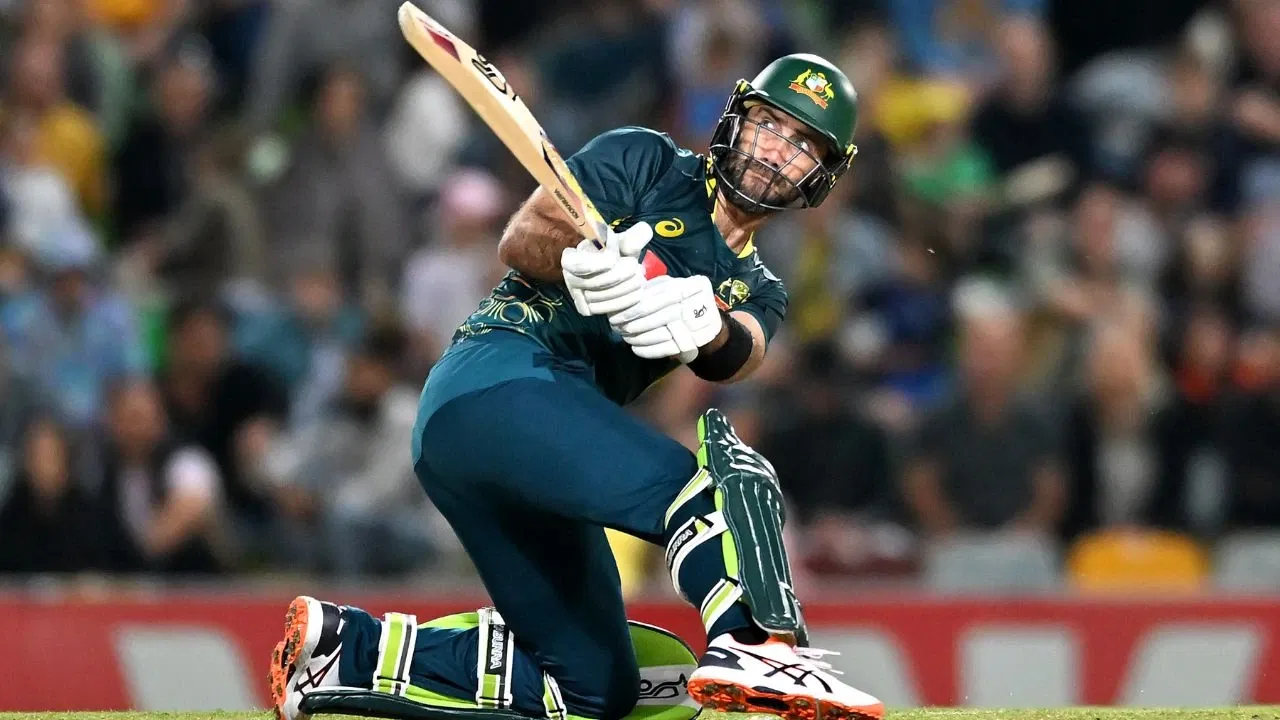
Jason Gillespie gives major update on Glenn Maxwell’s availability for PSL 2026