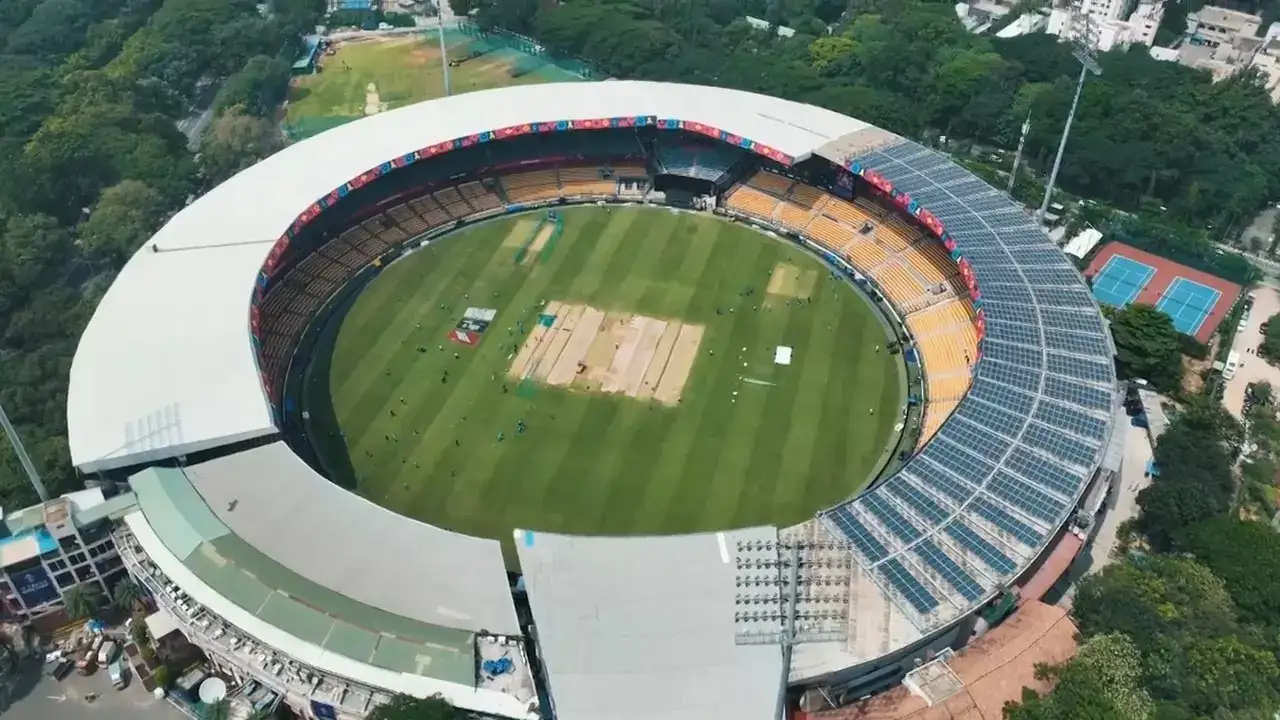
Pakistan’s T20 World Cup withdrawal gains momentum as India vs Uganda clash tipped at Narendra Modi Stadium
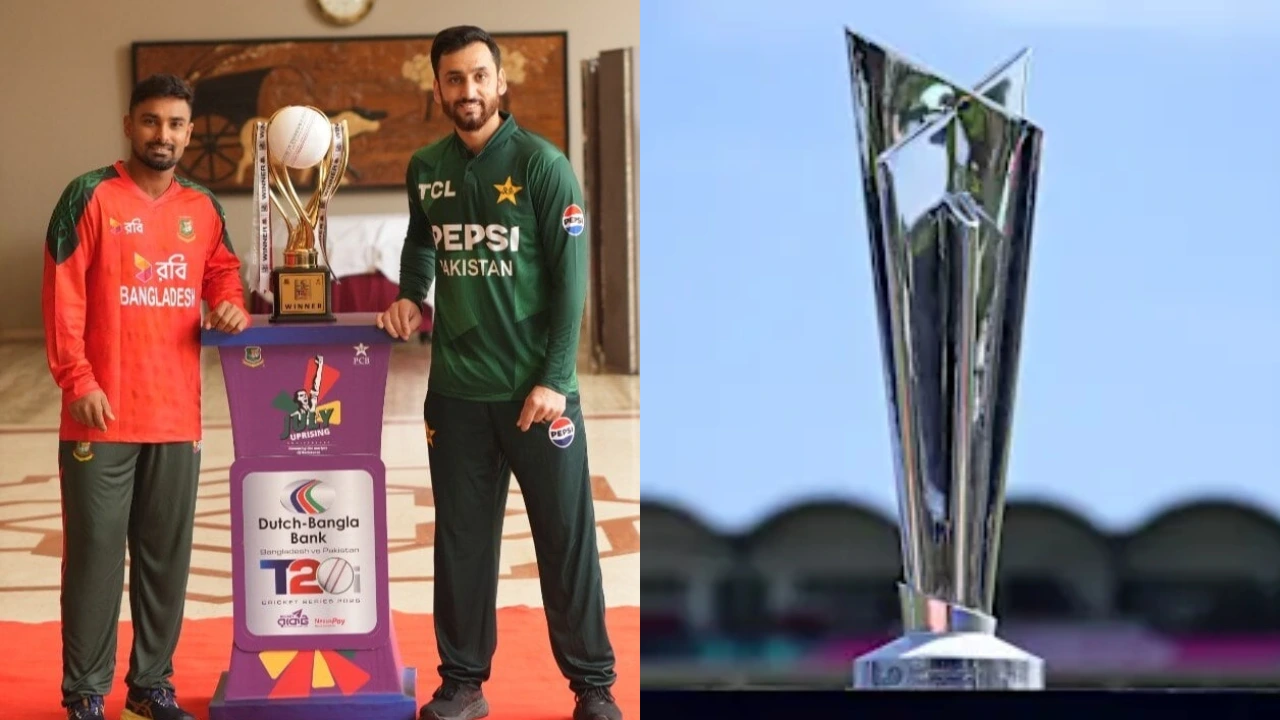
Rashid Latif Urges Pakistan to Withdraw from T20 World Cup 2026
The controversy surrounding the upcoming T20 World Cup 2026 continues to escalate, with former Pakistan captain Rashid Latif stirring the pot once again. In light of Bangladesh’s controversial removal from the tournament, Latif has called on Pakistan to follow suit and pull out of the competition.
Latif’s Plea for Pakistan’s Exit
Following the International Cricket Council’s decision to replace Bangladesh with Scotland in the T20 World Cup 2026, Latif expressed his belief that Pakistan Cricket Board (PCB) should also withdraw from the event. According to Latif, without Pakistan’s participation, the tournament will lose its essence and significance.
On the YouTube channel ‘Caught Behind,’ Latif stated, “If Pakistan doesn’t go, everything will be toppled. It won’t remain a World Cup. There can be matches like Australia versus India, but the World Cup level will be destroyed. The World Cup will be finished.”
Scotland Takes Bangladesh’s Place
Scotland has officially replaced Bangladesh in Group C and will compete against teams like England, Italy, Nepal, and the West Indies in the upcoming tournament. Bangladesh was removed from the competition due to their refusal to play in India citing security concerns.
In response to these developments, Latif predicted that the PCB chairman, Mohsin Naqvi, could make a significant announcement soon, hinting that Pakistan’s participation in the T20 World Cup 2026 hinges on government approval.
Latif Applauds Bangladesh, Calls for Clarity
While praising Bangladesh for standing firm in their decision to not play in India, Latif urged Pakistan to adopt a clear and decisive stance. He emphasized the importance of putting the country’s interests first and avoiding sending mixed signals.
Furthermore, Latif raised concerns about the intertwining of politics and cricket, suggesting that the influence of India’s ruling party, BJP, has disrupted the balance of world cricket.
Impact of Pakistan’s Withdrawal
Latif highlighted the significance of the India-Pakistan rivalry in world cricket, emphasizing that a large portion of fans tune in to watch matches between the two nations. He warned that without Pakistan’s presence, the T20 World Cup 2026 would lose a vital element of its appeal.
He suggested that if Pakistan joins Bangladesh in pulling out of the tournament, it could force the ICC to reconsider its decisions. Latif expressed concerns that without Pakistan’s participation, the World Cup could resemble the Indian Premier League (IPL) rather than a prestigious global event.
Latif’s Closing Remarks
In a final note, Latif underscored the importance of the Indian market in cricket, highlighting the significant role that India plays in broadcasting and revenue generation for the sport. He painted a vivid picture of a hypothetical scenario where India faces a lesser-known team in a World Cup match, underscoring the potential ramifications of Pakistan’s withdrawal.
Ultimately, Latif emphasized that Pakistan’s decision to withdraw from the T20 World Cup 2026 would make headlines globally and have a profound impact on the tournament’s future.
Concerns Over the T20 World Cup 2026
As the controversy surrounding the T20 World Cup 2026 unfolds, Rashid Latif’s call for Pakistan to withdraw from the tournament raises important questions about the event’s integrity and the role of politics in cricket. The decision to replace Bangladesh with Scotland due to security concerns sets a precedent that could have far-reaching implications for future tournaments.
Latif’s plea for Pakistan to exit the competition sheds light on the complexities of balancing national interests with sporting engagements. The intertwining of politics and cricket, especially in the context of India’s influence, raises concerns about the fairness and transparency of international cricket governance.
The Significance of Pakistan’s Participation
At the heart of Latif’s argument lies the recognition of Pakistan’s pivotal role in global cricket. The India-Pakistan rivalry is a cornerstone of the sport, drawing in millions of viewers and generating immense excitement. Without Pakistan’s presence, the T20 World Cup 2026 could lose a crucial element that sets it apart from other tournaments.
Furthermore, the potential withdrawal of Pakistan and Bangladesh from the tournament could prompt a reevaluation of the ICC’s decision-making processes. Latif’s prediction of the tournament resembling the IPL without Pakistan’s participation underscores the unique dynamics at play and the need for a careful balance between commercial interests and sporting integrity.
Implications for the Future of Cricket
Latif’s remarks highlight the broader implications of Pakistan’s withdrawal from the T20 World Cup 2026. The global cricket landscape could undergo significant changes if one of the key players decides to sit out of a major tournament. This could not only impact viewership and revenue but also raise questions about the credibility and inclusivity of international cricket events.
Moreover, the potential fallout from Pakistan’s withdrawal underscores the interconnected nature of cricket diplomacy and the delicate balance between sporting prowess and political considerations. The repercussions of such a decision could extend beyond the tournament itself, shaping the narrative of cricket in the years to come.
Looking Ahead
As stakeholders in the cricketing world await Pakistan’s decision regarding their participation in the T20 World Cup 2026, the debate sparked by Rashid Latif’s plea underscores the multifaceted nature of sports diplomacy. The outcome of this situation could have far-reaching consequences for the sport, highlighting the need for transparency, equity, and strategic decision-making.
Ultimately, the evolving dynamics of the T20 World Cup 2026 serve as a reminder of the intricate interplay between sport, politics, and national identity. The way forward will require careful navigation of these complex relationships to ensure the continued growth and success of cricket on the global stage.
Latest News
Star CSK spinner signs deal with new team ahead of IPL 2026
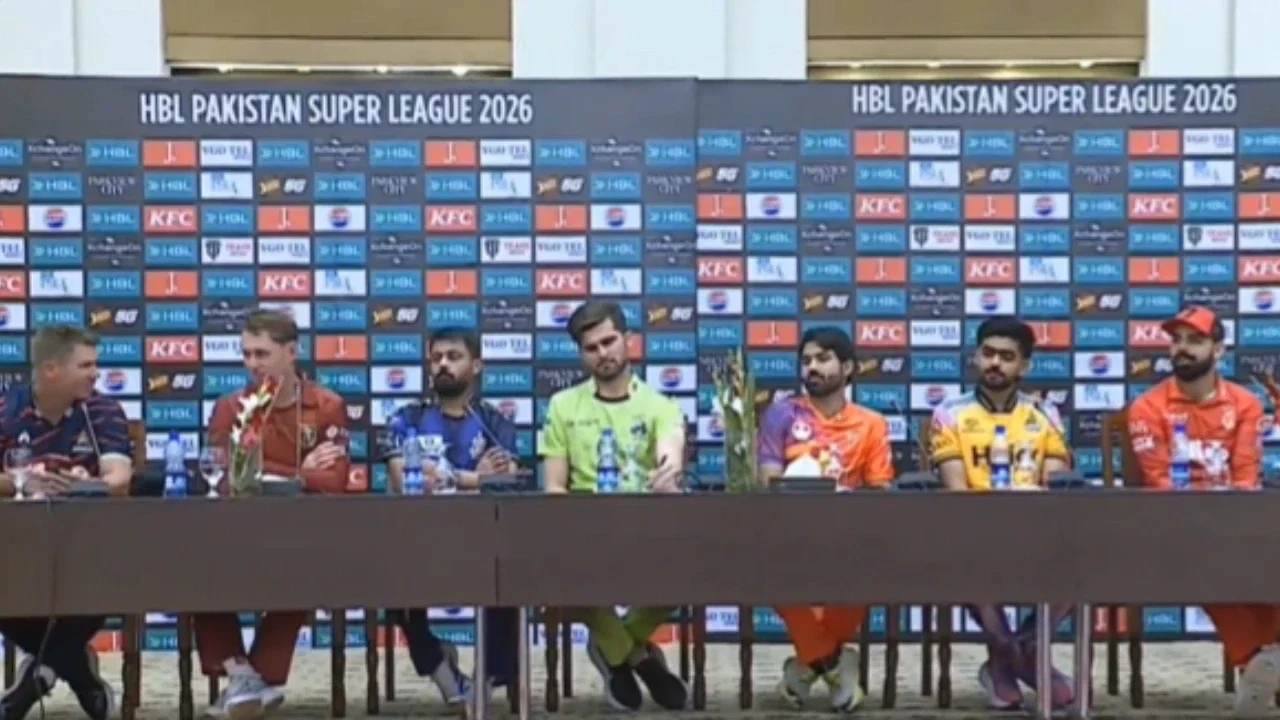
Shaheen Afridi lashed out at journalists after asked about Pakistan Team during PSL press-conference
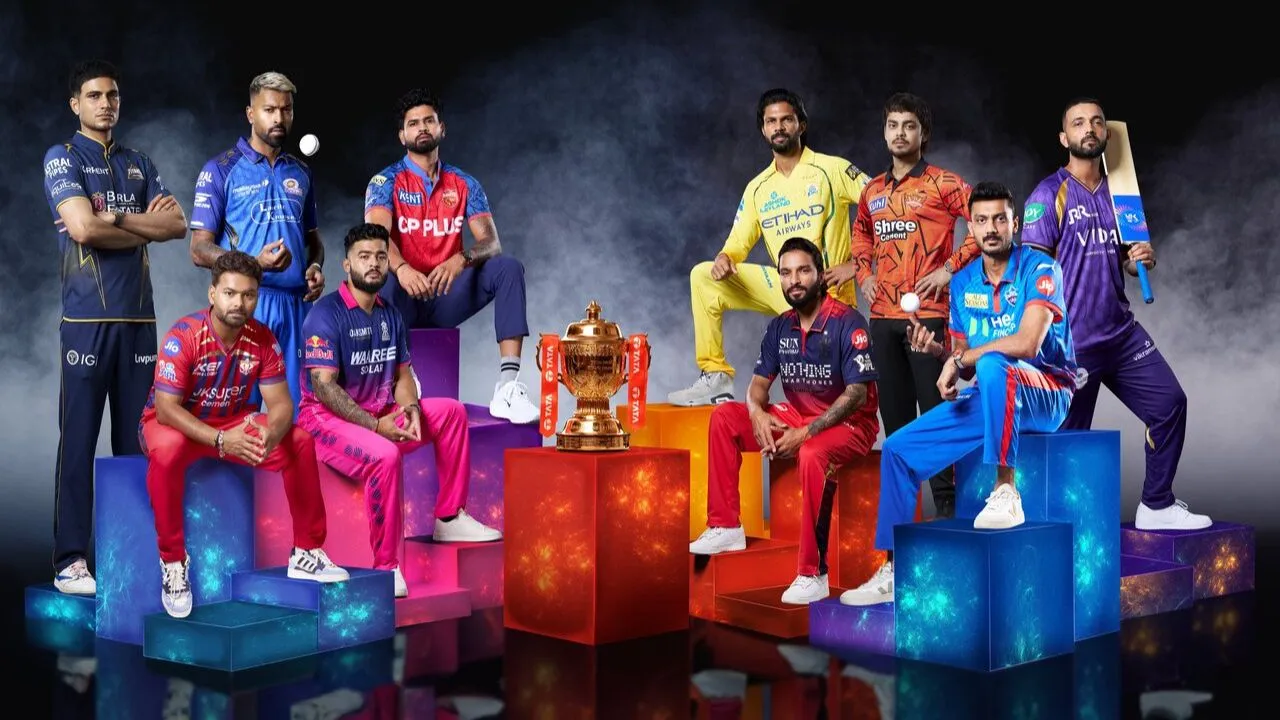
IPL 2026 full schedule out! BCCI announces second phase fixtures
Virat Kohli’s explosive threat during coach’s conspiracy revealed: “Will beat the living hell out of…”
Dinesh Karthik can become head coach of India, England or Australia: Jitesh Sharma makes bold claim
Virat Kohli turns Abhishek Sharma with explosive batting for RCB ahead of IPL 2026
Not Tim Seifert! KKR eye 21-year-old Indian as wicketkeeper for IPL 2026
“Itna dete nahi importance inko”: Jitesh Sharma trolls Pakistan, reveals unheard story
‘I liked young MS Dhoni more than the mature one’: Sourav Ganguly drops huge statement
RCB suffer huge blow! SLC blocks Nuwan Thushara’s IPL 2026 participation
Border-Gavaskar Trophy 2027 schedule announced; Ahmedabad among five venues selected
BCCI announces India’s 2026-27 international home season schedule; series vs AUS, WI, SL, ZIM finalized
Irfan Pathan reveals Yuvraj Singh’s secret method to train Rishabh Pant ahead of IPL 2026
Virat Kohli, Rohit Sharma ODI schedule: Full list of matches they will play in India’s 2026-27 home season