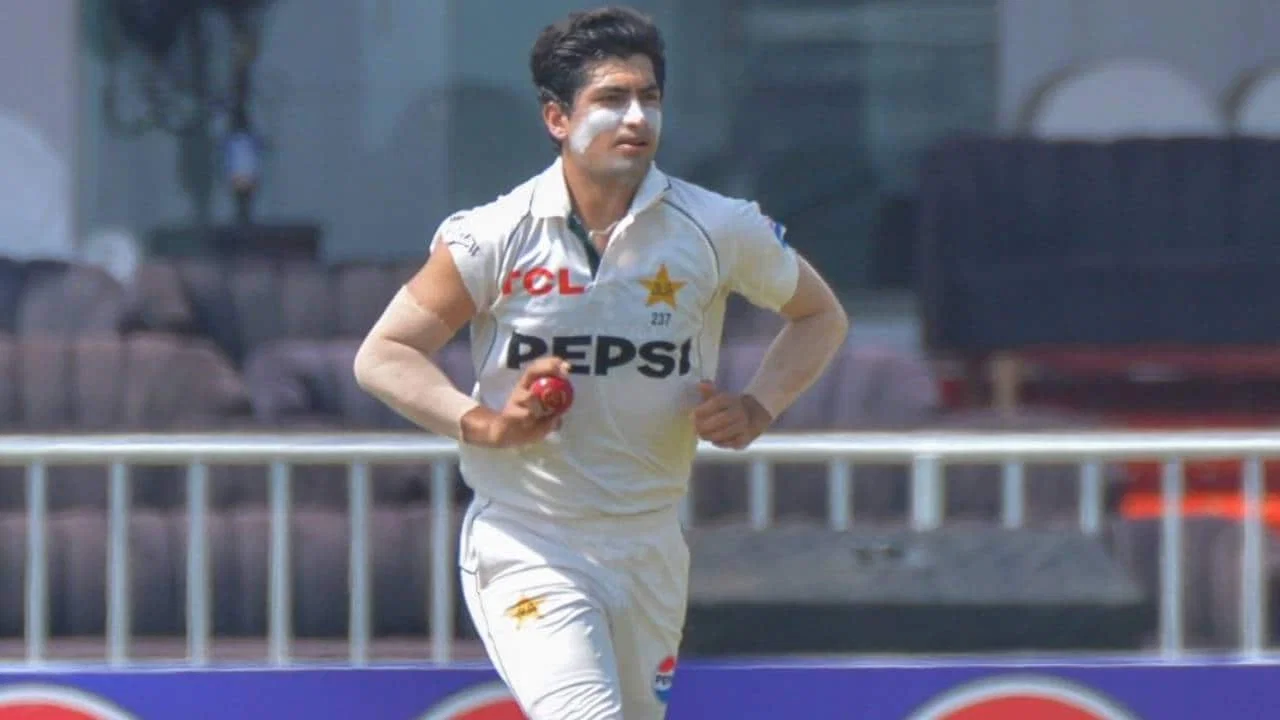
Parth Jindal ready to ditch Delhi Capitals to acquire RCB ahead of IPL 2026
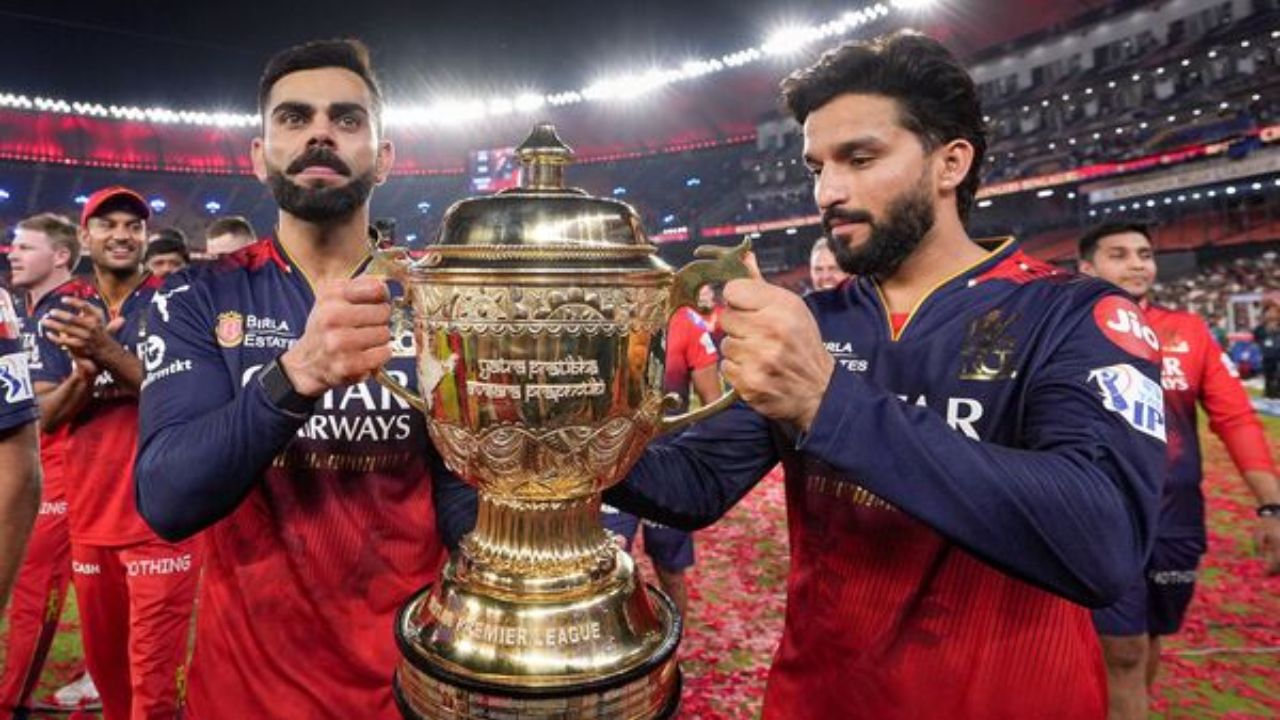
Major Interest in Buying RCB Franchise
The Royal Challengers Bangalore (RCB) franchise has been making headlines recently as the current owners are reportedly interested in selling their stakes. This has attracted the attention of several potential buyers, including six major parties, two banks, and a global company.
Rise to Success
RCB made history by winning their maiden title in the 2025 season, surpassing the Chennai Super Kings in the global popularity index. They have also established themselves as one of the top three most commercially successful franchises in global T20 leagues. However, the current owners, Diageo, a UK-based liquor company, are looking to divest their ownership of the IPL team.
Diageo acquired the team in 2016 from previous owner Vijay Mallya, but shareholders are now hesitant to continue owning an IPL team due to it not aligning with their core business of liquor. The company has valued RCB at a staggering USD 2 billion, a figure that some find steep. The fate of the franchise will depend on the upcoming media rights cycle and the value that platforms like JioStar can bring to IPL broadcasts.
Business Interest in RCB
Following the news of RCB’s potential sale, six prominent business groups have shown interest in acquiring the franchise. Adar Poonawala from the Serum Institute, Parth Jindal of the JSW Group, the Adani Group, a Delhi-based billionaire, and two US-based private equity firms are among the parties considering a deal.
Diageo has enlisted the help of Citibank and another private bank to advise on the sale, but the Indian arm of the company is not yet fully onboard. The uncertainty surrounding the M Chinnaswamy Stadium has added another layer of complexity to the negotiations.
Parth Jindal’s Potential Move
Parth Jindal, co-owner of the Delhi Capitals, is contemplating a move to acquire RCB. However, he would first need to divest his stake in the Capitals before pursuing the Bangalore franchise. The Adani Group, known for its interest in acquiring an IPL team, is another strong contender in the bidding process.
Adar Poonawala, who narrowly missed out on owning an IPL team in 2010, is back in the mix of bids. Despite previous losses to teams like Pune Warriors India and Kochi Tuskers, Poonawala remains a formidable candidate in the race for RCB ownership.
As the future of RCB hangs in the balance, the potential sale of the franchise has generated significant interest both domestically and internationally. Fans eagerly await news of who will ultimately take the helm of one of the most iconic teams in the IPL.
The Impact of New Ownership on RCB
If RCB does change ownership, it could bring about significant changes in the management, branding, and overall strategy of the franchise. New owners may have different visions for the team, which could translate into revamped marketing campaigns, player acquisitions, and fan engagement initiatives. This transition could potentially rejuvenate the franchise and attract a wider audience base.
Moreover, the infusion of new capital and resources from the prospective buyers could lead to substantial investments in infrastructure, training facilities, and youth development programs. This could have a long-term positive impact on the team’s performance on the field and its ability to nurture young talent for the future.
Global Expansion Opportunities
With a global company expressing interest in acquiring RCB, there is the potential for the franchise to expand its reach beyond India. A global owner could leverage their international network to promote RCB on a broader scale, tapping into new markets and engaging with a more diverse fan base worldwide. This could open up opportunities for international partnerships, sponsorships, and collaborations, further enhancing the brand value of the team.
Furthermore, a global owner may bring in new perspectives and best practices from the international sports industry, leading to innovations in team management, player development, and fan experiences. This cross-pollination of ideas could elevate RCB to new heights and position them as a frontrunner in the global cricketing landscape.
The Role of Private Equity Firms
The involvement of US-based private equity firms in the bidding process for RCB signifies a growing trend of financial institutions entering the sports ownership domain. Private equity firms bring a wealth of financial expertise, strategic acumen, and operational efficiency to sports franchises, which could benefit RCB in terms of financial management, revenue generation, and long-term sustainability.
If a private equity firm acquires RCB, they may focus on optimizing the team’s financial performance, maximizing revenue streams, and implementing cost-effective strategies to enhance profitability. This could result in a more business-oriented approach to running the franchise, with a strong emphasis on driving commercial success and increasing shareholder value.
The Future of RCB
As the saga of RCB’s potential sale unfolds, the cricketing world eagerly anticipates the outcome and its implications for one of the most beloved franchises in the IPL. The new ownership of RCB could bring about a transformational period for the team, ushering in a new era of growth, innovation, and success.
Regardless of who ultimately acquires RCB, one thing is certain – the future of the franchise hangs in the balance, poised for a new chapter filled with excitement, challenges, and opportunities. Fans, players, and stakeholders alike will be closely watching as the saga of RCB’s ownership unfolds, shaping the destiny of this iconic IPL team for years to come.
Latest News
Mohsin Naqvi totally angry and stressed as PSL 2026 controversies escalate
Mohsin Naqvi saves Naseem Shah from two-year ban, shocking claim emerges after controversy
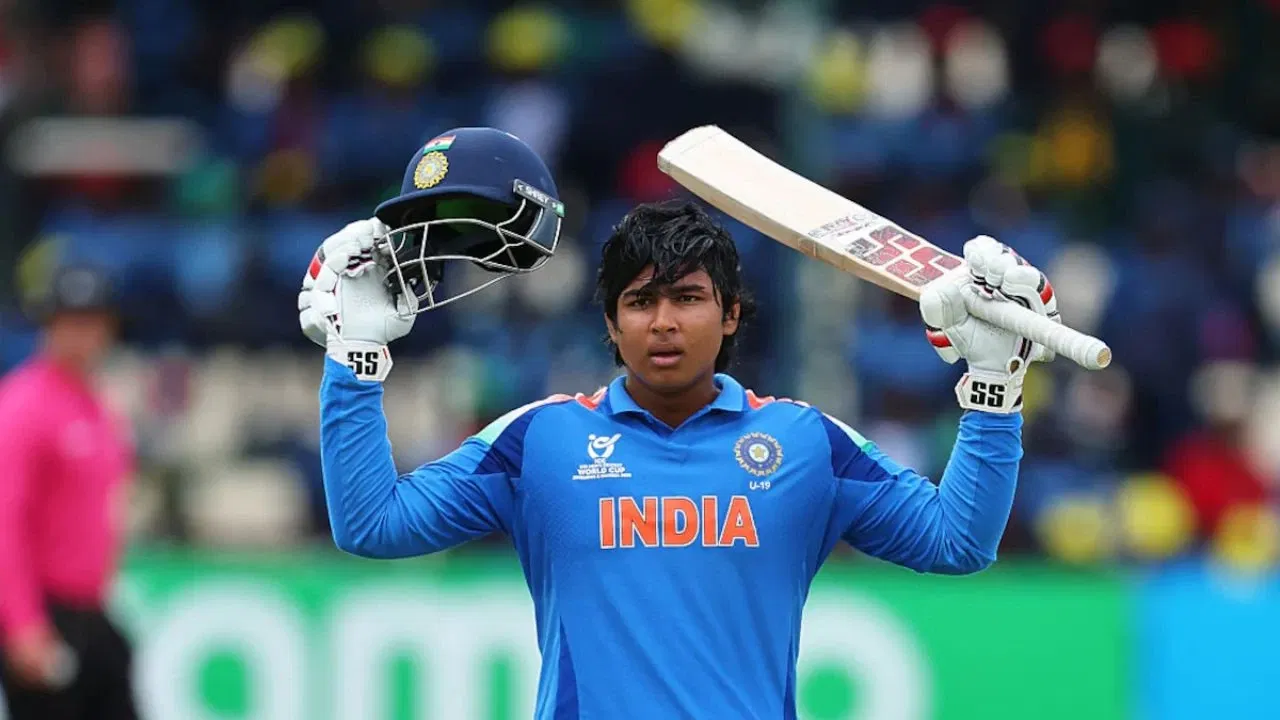
Michael Vaughan claims Vaibhav Sooryavanshi’s India call-up for England tour is confirmed
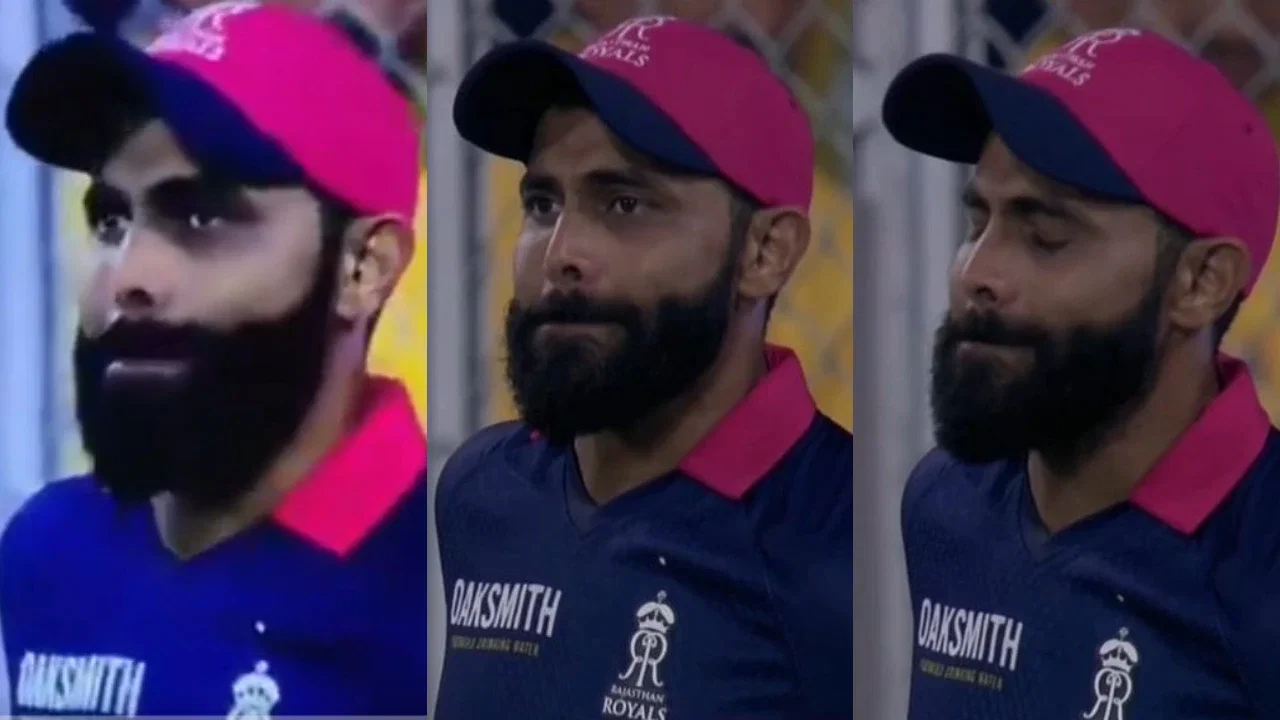
Ravindra Jadeja’s teary-eyed reaction goes viral after RR demolish CSK in IPL 2026 clash
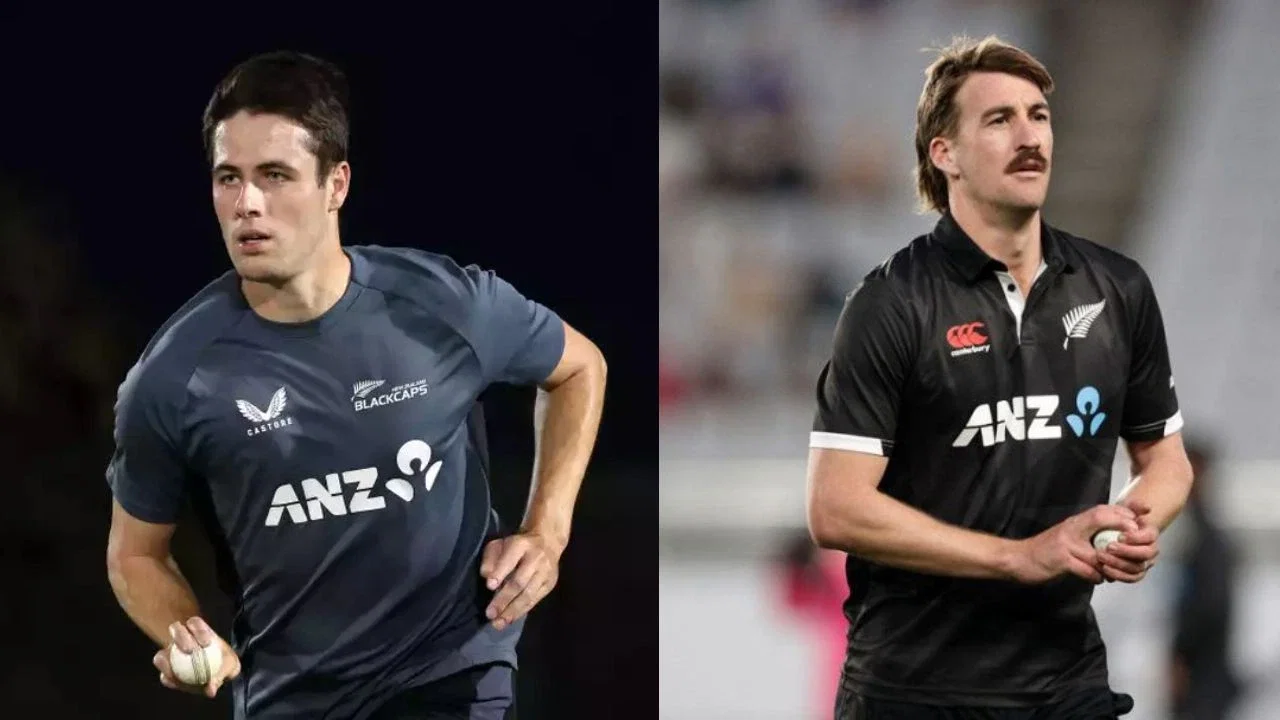
New Zealand ODI and T20I squads for Bangladesh tour officially announced
Naseem Shah breaks silence on PCB punishment, issues public apology following massive controversy
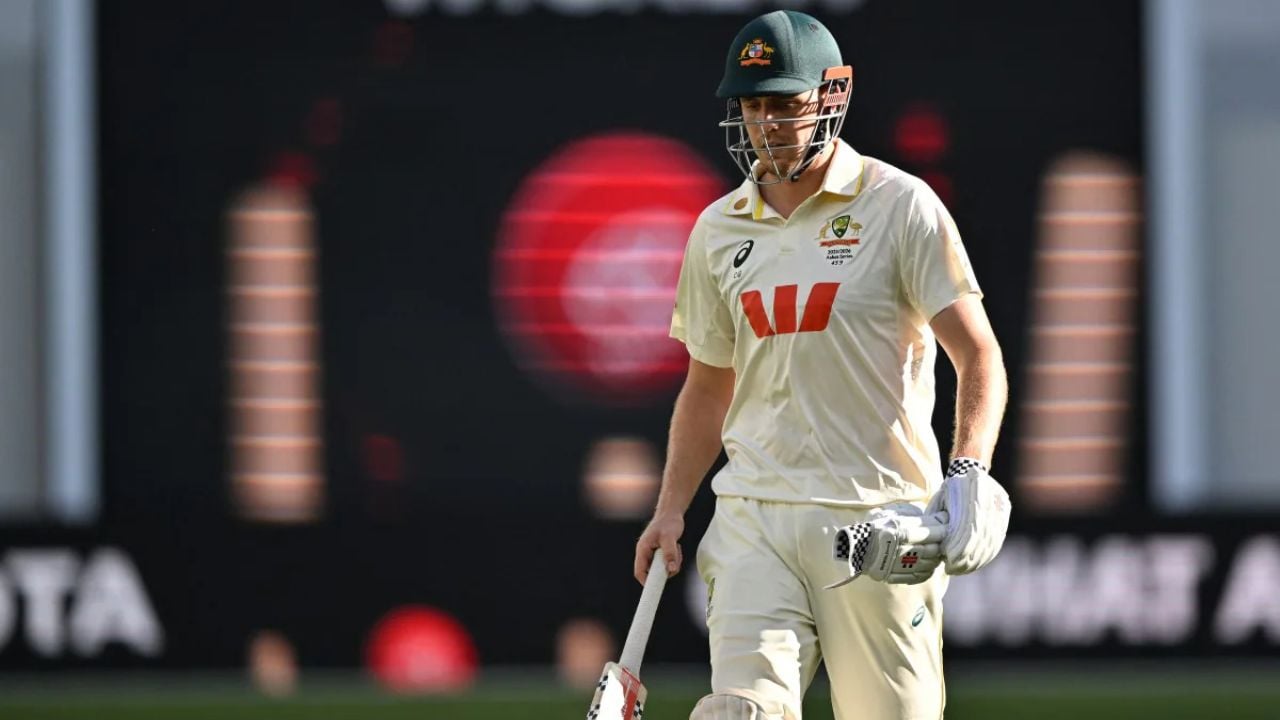
Australia coach drops big hint on Cameron Green’s Test future amid IPL 2026 drama
Ajit Agarkar told to fast-track Vaibhav Sooryavanshi into Indian Team
CSK declared useless without MS Dhoni by Ex-England captain
Shocking! Fakhar Zaman tampered with ball vs USA in T20 World Cup, ICC did not act
“Don’t get banned”: Digvesh Rathi reveals Sanjiv Goenka and Rishabh Pant’s warning over fiery celebrations
MS vs HYDK Match Prediction, Pitch & Weather Report, Playing XIs, Head-to-Head, Free Live Streaming – PSL 2026 Match 8
ISU vs PSZ Match Prediction, Pitch & Weather Report, Playing XIs, Head-to-Head, Free Live Streaming – PSL 2026 Match 7
Ravindra Jadeja breaks silence on fiery send-off to Shivam Dube in RR vs CSK IPL 2026 clash