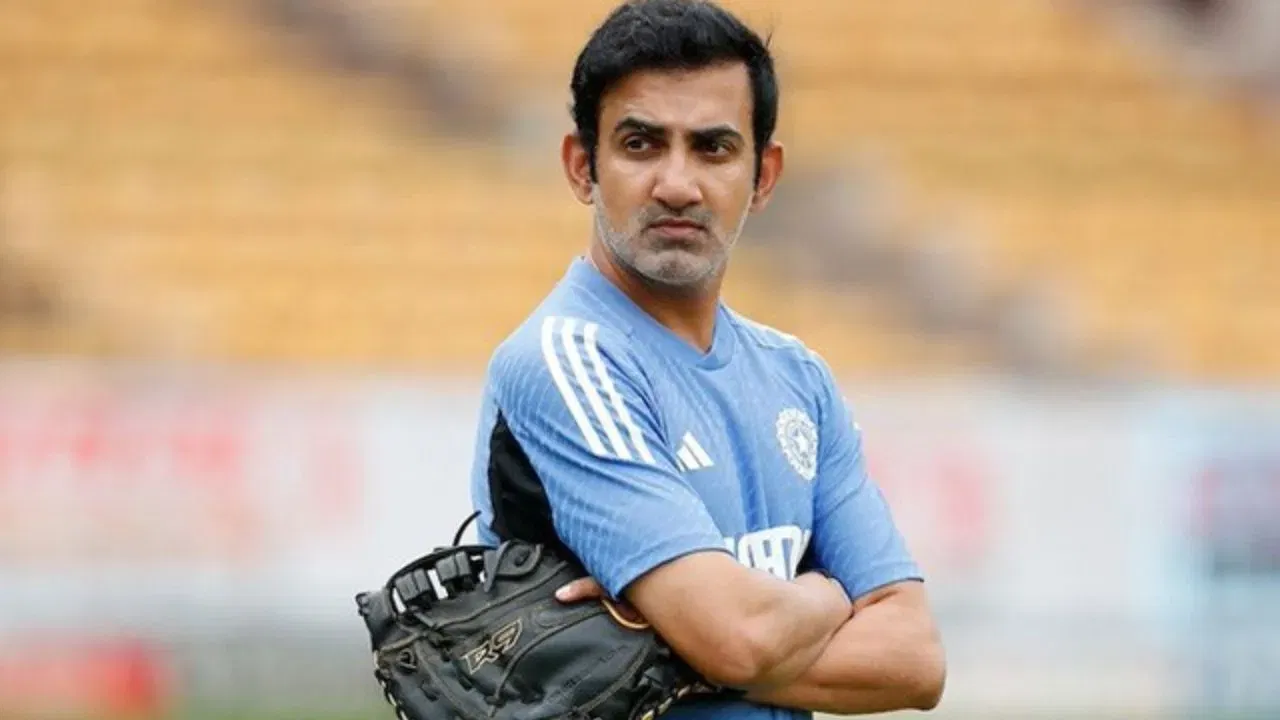
Pat Cummins’ captaincy blunder in WTC Final exposed as Matthew Hayden, Dale Steyn go nuclear

Former Cricket Legends Criticize Australia’s Defensive Approach in WTC Final
In a surprising turn of events during the ICC World Test Championship Final at Lord’s Cricket Ground in London, former Australian cricketer Matthew Hayden and legendary South African bowler Dale Steyn criticized the defensive tactics employed by the Australian team led by captain Pat Cummins. The duo slammed Cummins & Co. for their conservative approach on Day 3 of the final match against South Africa, which ultimately put Australia on the back foot.
Champion Australia Falters Against South Africa
Despite entering the final as favorites, Australia found themselves struggling against a determined South African team. The Aussies, known for their dominance in multi-nation tournaments, showed their champion spirit in the first two days of the match. After posting a modest 212 runs in their first innings, Australia managed to bundle out the Proteas for 138 runs.
However, Australia’s batting woes continued in their second innings as they were reduced to 73/7 before making a comeback and setting a challenging target of 282 runs for South Africa. While Australia started well with early wickets in the fourth innings, South African batsmen Bavuma and Markram took control of the game and thwarted Australia’s defensive strategies.
Hayden and Steyn Slam Defensive Tactics
Speaking after the end of Day 3’s play, Matthew Hayden criticized Cummins and his team for their defensive efforts. Hayden emphasized the importance of attacking play to take crucial wickets and control the match. He highlighted missed opportunities where a more aggressive fielding setup could have changed the course of the game in Australia’s favor.
Dale Steyn echoed Hayden’s sentiments, expressing surprise at Australia’s lack of adaptability to the game’s flow. He stressed the importance of adjusting fielding positions based on the conditions, emphasizing the need for a proactive and aggressive approach to capitalize on opportunities.
Both former cricketers emphasized the significance of taking wickets and maintaining pressure on the opposition to secure victory in a high-stakes final like the World Test Championship. They called for a more assertive and strategic approach from the Australian team to turn the match in their favor.
Conclusion
As the WTC Final continues to unfold with South Africa inching closer to victory, the criticism from cricket legends like Matthew Hayden and Dale Steyn sheds light on the strategic nuances of the game. The match serves as a reminder of the importance of adaptability, aggression, and tactical astuteness in high-pressure situations, urging teams to stay proactive and seize opportunities to dominate the game.
Strategic Insights and Tactical Analysis
While Australia’s defensive approach in the World Test Championship Final drew criticism from former cricket legends, it also opens up a broader discussion on the nuances of strategic decision-making in the sport. Cricket, often dubbed as a game of uncertainties, requires teams to strike a delicate balance between aggression and caution, especially in high-stakes matches like the WTC Final.
One key aspect that can be explored further is the role of prediction in cricket strategies. Predicting the opponent’s moves, reading the pitch conditions, and anticipating the game’s trajectory are vital elements that influence a team’s tactics. In the case of Australia, their failure to predict South Africa’s counter-attacks and adjust their strategies accordingly could be a significant factor in their downfall.
The Psychology of Cricket
Cricket is not just a physical battle but also a mental one. The psychological aspect of the game plays a crucial role in decision-making on the field. Understanding the mindset of players, their confidence levels, and their ability to handle pressure can significantly impact a team’s performance. In the context of the WTC Final, Australia’s defensive approach may have been influenced by psychological factors such as fear of failure or a lack of confidence in their aggressive abilities.
Moreover, the dynamics of leadership come into play when assessing a team’s strategic choices. The captain’s role in setting the tone for the team, making critical decisions under pressure, and motivating players is pivotal in determining the team’s approach on the field. In the case of Pat Cummins and Australia, analyzing the captain’s decision-making process and its impact on the team’s performance could provide valuable insights into their defensive tactics.
Lessons Learned and Moving Forward
As the WTC Final serves as a learning opportunity for teams and players alike, the criticism directed towards Australia’s defensive strategies can be viewed as constructive feedback to help them evolve and improve their game. Embracing a growth mindset, reflecting on past performances, and incorporating new learnings into their approach can set the stage for a more competitive and dynamic Australian team in future tournaments.
In conclusion, while the debate on defensive versus aggressive tactics in cricket continues, it is essential for teams to adapt to the evolving nature of the game, stay attuned to strategic predictions, leverage psychological insights, and learn from past experiences to excel in high-pressure situations. The WTC Final not only showcases the intense competition and skill in the sport but also highlights the intricate strategies and mental fortitude required to succeed at the highest level of cricket.
Latest News
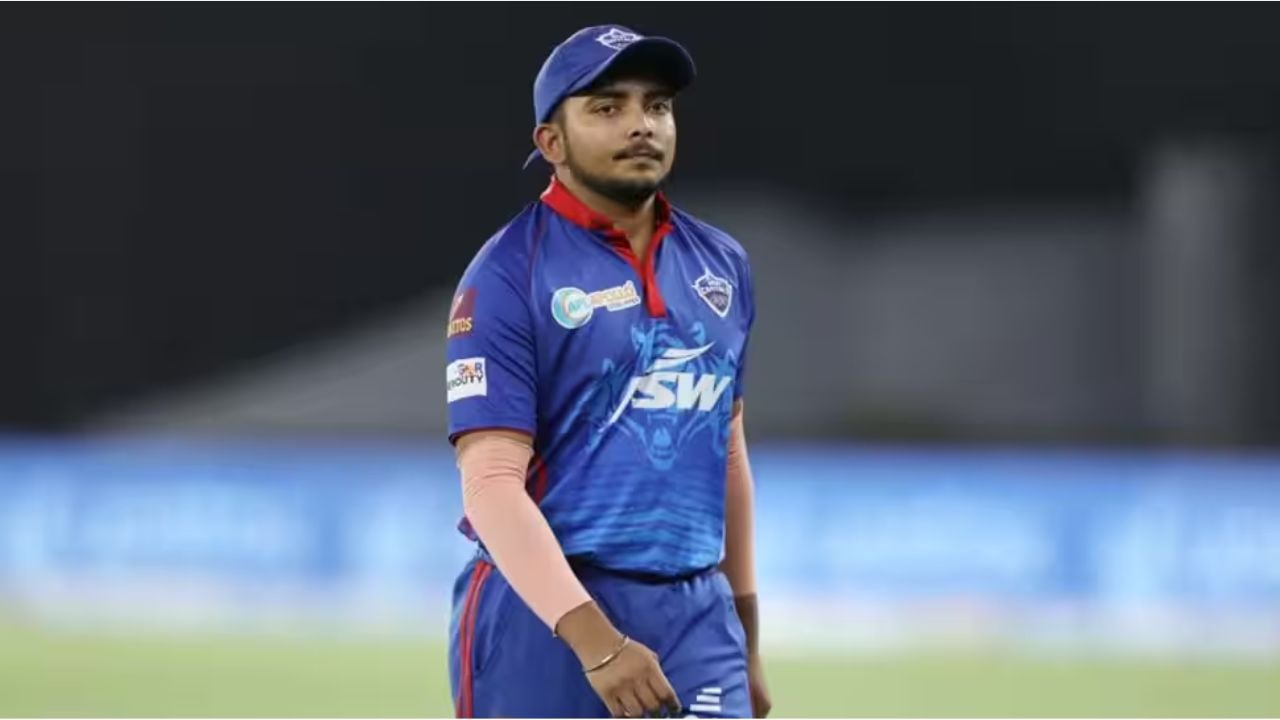
Prithvi Shaw declares his mission to return to team India begins from IPL 2026

Irfan Pathan questions Arshdeep Singh’s bowling ahead of IPL 2026
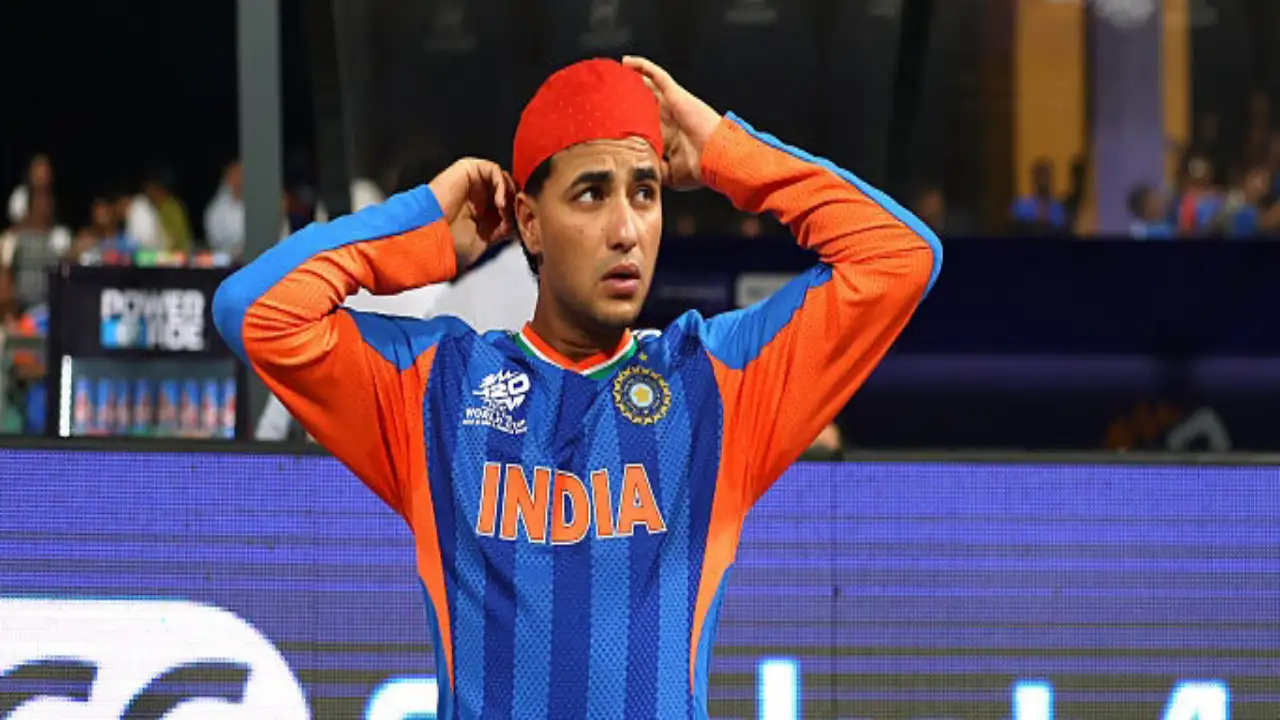
“Mind is somewhere else”: Yuvraj’s Father exposes Abhishek Sharma’s indiscipline lifestyle

EX-RCB pacer joins KKR as replacement of Harshit Rana ahead of IPL 2026

“Win our first trophy”: Sanjiv Goenka crowns LSG as champions ahead of IPL 2026
New catching rule? Captains warned over ‘Incomplete’ catches ahead of IPL 2026

Pat Cummins in awe of Ishan Kishan’s captaincy

Ex-India star accuses teammates of ‘Racism’, blames it for early international exit
“I love watching Shreyas Iyer bat” – PBKS all-rounder Cooper Connolly ahead of IPL 2026

Yograj Singh gives Ravichandran Ashwin belt treatment because of Arjun Tendulkar remarks
CSK legend advises Shubman Gill the best way to bounce back in T20I team

Jasprit Bumrah Injury Scare, reason behind visit to CoE revealed
“Didn’t invite me”: R Ashwin puts Kuldeep Yadav in spotlight over wedding snub

Ireland Cricket announced the full list of central contracts for the 2026-27 season