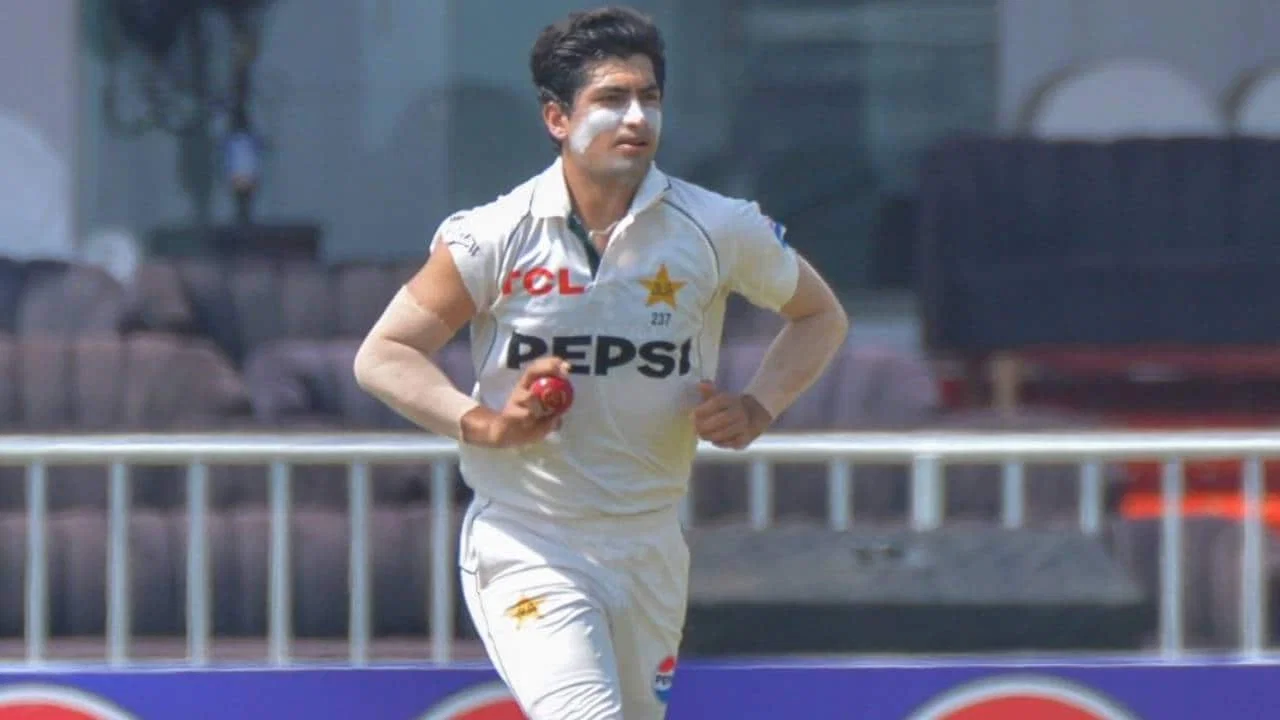
PCB begs Zimbabwe to join Tri-series after Pakistan kills Afghanistan cricketers

Pakistan Cricket Board Unfazed by Afghanistan’s Withdrawal from Tri-Nation Series
The Pakistan Cricket Board (PCB) remains undeterred despite Afghanistan’s decision to withdraw from the upcoming tri-nation series with Sri Lanka due to recent airstrikes by Pakistan that resulted in the deaths of ten individuals, including three Afghan cricketers.
Afghanistan’s Strong Response to Pakistan’s Airstrikes
Pakistan violated a 48-hour ceasefire by launching fresh airstrikes within Afghan territory, resulting in casualties, including the three local cricketers. The Afghanistan Cricket Board (ACB) promptly condemned the attacks and announced the team’s withdrawal from the tournament in protest.
Afghanistan’s T20I captain, Rashid Khan, expressed strong condemnation of Pakistan’s actions, labeling them as “barbaric and immoral.” Other Afghan cricket players, including Mohammad Nabi, Fazalhaq Farooqi, and Gulbadin Naib, also expressed their condolences over the tragic incident.
Exploring Alternatives to Fill Afghanistan’s Spot
Despite Afghanistan’s withdrawal, the PCB is actively exploring alternatives to fill their spot in the tri-nation series. While considering associate nations like Nepal and the UAE, the board’s preference is to include another Test-playing team. Sri Lanka remains committed to participating in the tournament.
The PCB has confirmed that the tri-series will proceed as scheduled from November 17, with an official announcement regarding the replacement team expected soon. A senior PCB official stated, “The Tri-Series will progress as scheduled even after Afghanistan’s withdrawal. We are looking at a replacement team, and once finalized, the announcement will be made.”
Zimbabwe as Potential Replacement for Afghanistan
Reports suggest that Zimbabwe could potentially step in to replace Afghanistan in the tri-nation series. The PCB has yet to issue an official response to Afghanistan’s withdrawal, leaving uncertainty about the event’s format. It remains to be seen if the series will proceed as a bilateral contest between Pakistan and Sri Lanka or if it will be postponed.
Tensions between Pakistan and Afghanistan have been ongoing, as demonstrated by past incidents during cricket matches. The upcoming three-match T20I series between Pakistan and Sri Lanka will provide additional preparation ahead of the 2026 T20 World Cup, set to be held in India and Sri Lanka.
With international commitments keeping Australia, England, and South Africa occupied, the tri-nation series in Pakistan presents a unique opportunity for teams to showcase their talents and compete at a high level.
Overall, the PCB’s resilience in the face of challenges highlights their commitment to promoting cricket and providing exciting opportunities for players and fans alike.
Implications of Afghanistan’s Withdrawal on Tri-Nation Series Dynamics
The sudden withdrawal of Afghanistan from the tri-nation series has significant implications for the tournament dynamics. With Afghanistan’s exit, the balance of competition within the series may shift, potentially altering the matchups and outcomes. The absence of a competitive team like Afghanistan could impact the overall excitement and level of competition in the tournament.
Consideration of Security Measures in International Cricket
The recent airstrikes by Pakistan that led to the tragic loss of lives, including Afghan cricketers, underscore the need for heightened security measures in international cricket. The incident serves as a stark reminder of the potential risks and challenges faced by cricket boards and players when participating in cross-border tournaments. It highlights the importance of ensuring the safety and well-being of all individuals involved in the sport.
Opportunities for Emerging Cricket Nations
As the PCB explores potential replacements for Afghanistan in the tri-nation series, there is an opportunity to showcase emerging cricket nations on the international stage. Including associate nations like Nepal and the UAE in the tournament could provide them with valuable exposure and experience, contributing to the growth and development of cricket in these regions. It could also pave the way for increased participation and competitiveness in future tournaments.
Broader Diplomatic Implications in Cricket
The strained relations between Pakistan and Afghanistan, as evidenced by the recent events, highlight the complex intersection of sports and diplomacy in cricket. International cricket tournaments often serve as platforms for countries to engage in friendly competition and cultural exchange. However, geopolitical tensions can spill over into the sporting arena, impacting team participation and dynamics. It underscores the interconnected nature of sports and international relations, emphasizing the need for effective conflict resolution mechanisms.
Enhancing Transparency and Communication in Cricket Governance
Amidst the challenges faced by the PCB in navigating the aftermath of Afghanistan’s withdrawal, there is an opportunity to enhance transparency and communication in cricket governance. Clear and timely communication with stakeholders, including players, officials, and fans, is essential in managing crises and ensuring the smooth conduct of tournaments. Transparency in decision-making processes and proactive engagement with all parties can help foster trust and cooperation within the cricketing community.
Looking Ahead: Future of International Cricket Cooperation
Despite the setbacks and challenges encountered in the lead-up to the tri-nation series, the resilience and determination of the PCB to proceed with the tournament demonstrate a commitment to fostering international cricket cooperation. As the sport continues to grow globally, there is a need for collaborative efforts among cricket boards to promote inclusivity, diversity, and mutual respect. The upcoming tri-series presents an opportunity to reaffirm the values of sportsmanship and unity in cricket, transcending borders and differences.
In conclusion, the evolving landscape of international cricket underscores the importance of adaptability, diplomacy, and collaboration in navigating complex challenges. The PCB’s unwavering dedication to advancing the sport amidst adversity sets a positive example for cricket governance and underscores the enduring spirit of cricket as a unifying force in the face of adversity.
Latest News
Mohsin Naqvi totally angry and stressed as PSL 2026 controversies escalate
Mohsin Naqvi saves Naseem Shah from two-year ban, shocking claim emerges after controversy
Michael Vaughan claims Vaibhav Sooryavanshi’s India call-up for England tour is confirmed

Ravindra Jadeja’s teary-eyed reaction goes viral after RR demolish CSK in IPL 2026 clash

New Zealand ODI and T20I squads for Bangladesh tour officially announced
Naseem Shah breaks silence on PCB punishment, issues public apology following massive controversy

Australia coach drops big hint on Cameron Green’s Test future amid IPL 2026 drama
Ajit Agarkar told to fast-track Vaibhav Sooryavanshi into Indian Team
CSK declared useless without MS Dhoni by Ex-England captain
Shocking! Fakhar Zaman tampered with ball vs USA in T20 World Cup, ICC did not act

“Don’t get banned”: Digvesh Rathi reveals Sanjiv Goenka and Rishabh Pant’s warning over fiery celebrations

MS vs HYDK Match Prediction, Pitch & Weather Report, Playing XIs, Head-to-Head, Free Live Streaming – PSL 2026 Match 8

ISU vs PSZ Match Prediction, Pitch & Weather Report, Playing XIs, Head-to-Head, Free Live Streaming – PSL 2026 Match 7
Ravindra Jadeja breaks silence on fiery send-off to Shivam Dube in RR vs CSK IPL 2026 clash