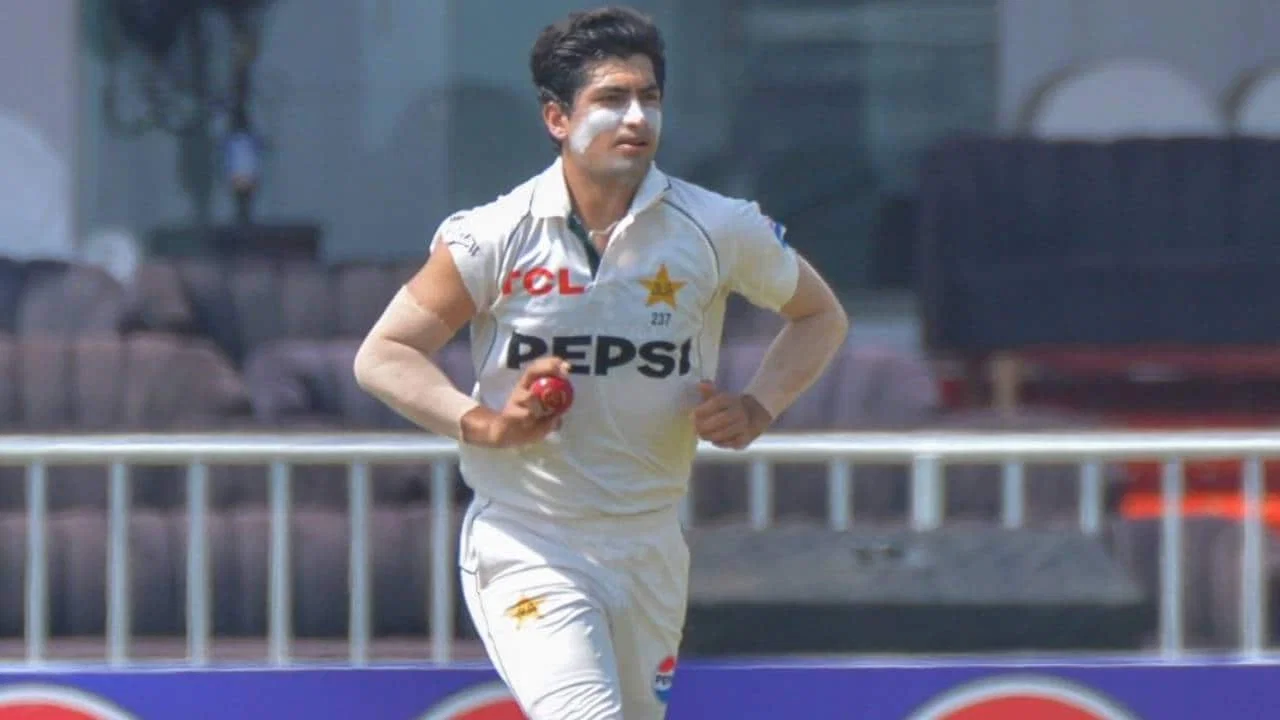
PCB breaks silence as Afghanistan pull out of Tri-series following cricketers’ deaths in brutal airstrikes
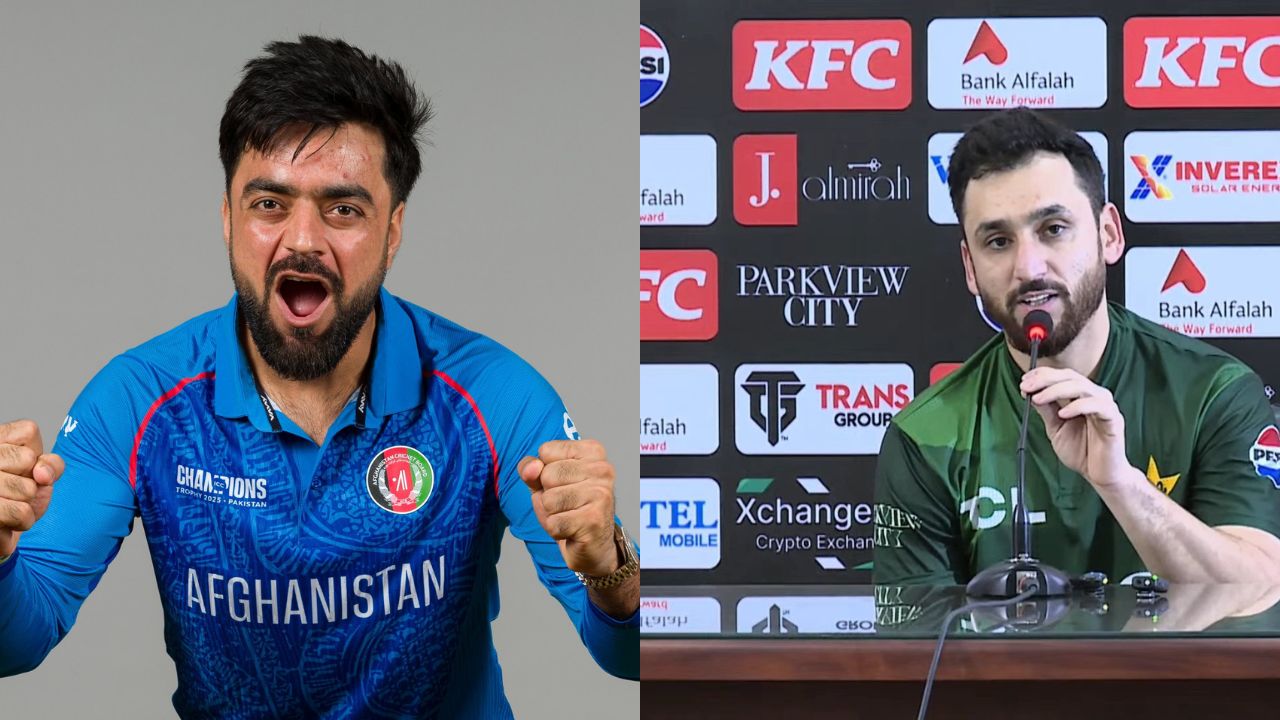
Pakistan-Afghanistan Tensions Impact Cricket Tri-Series
In a significant turn of events, the Afghanistan Cricket Board (ACB) announced its withdrawal from the upcoming T20 tri-series involving Pakistan and Sri Lanka. This decision comes in the wake of escalating tensions between Pakistan and Afghanistan, specifically due to recent airstrikes carried out by Pakistan in Afghanistan’s Paktika province.
Pakistan’s Announcement and ACB’s Response
The Pakistan Cricket Board (PCB) had initially unveiled the T20 tri-series to be held from November 17 to 29 in Rawalpindi and Lahore. This series was set to be the second encounter between Afghan and Pakistan teams in 2025 after the first tri-series in the UAE just before the Asia Cup.
However, the recent airstrikes in Afghanistan that resulted in the deaths of Afghan cricketers led to the ACB’s decision to pull out of the tri-series. The ACB confirmed that three players had lost their lives in the strikes and announced their withdrawal from the tournament via social media.
PCB’s Confirmation and Plans for the Tri-Series
Despite Afghanistan’s withdrawal, the PCB confirmed that the tri-series would proceed as scheduled, ensuring that Pakistan and Sri Lanka would still participate. The PCB is actively seeking a replacement for the third team and is approaching other Asian or associate cricket boards to fill the vacant slot.
The PCB remains optimistic that the series will take place without any disruptions, emphasizing the importance of the tri-series in Pakistan’s T20 World Cup preparations. The matches are vital for providing the Men in Green with valuable match practice in home conditions ahead of a busy 2026 season.
Rashid Khan’s Response and Stand Against Airstrikes
In response to the airstrikes and subsequent events, Afghan T20I captain Rashid Khan condemned Pakistan’s actions as a violation of human rights. He expressed his support for the ACB’s decision to withdraw from the tri-series in solidarity with the innocent lives lost in the strikes.
Rashid Khan took to social media to express his grief over the loss of civilian lives and young cricketers who aspired to represent their nation on the world stage. He emphasized the need to prioritize national dignity and condemned the attacks on civilian infrastructure.
The withdrawal of Afghanistan from the tri-series not only impacts the cricketing schedule but also highlights the broader political tensions between the two neighboring countries. The cricketing world will be watching closely as Pakistan and Sri Lanka gear up for the tournament, navigating the complexities of sports diplomacy amidst turbulent international relations.
Impact on Cricketing Relations
The withdrawal of Afghanistan from the T20 tri-series not only signifies a setback in the cricketing schedule but also underscores the delicate interplay between sports and politics. Cricket has often been used as a tool for diplomacy and fostering goodwill between nations, but in this instance, it has become entangled in regional tensions.
The strained relations between Pakistan and Afghanistan have spilled over into the realm of cricket, affecting players, fans, and the overall spirit of the game. The sport, which has the power to unite people across borders, is now caught in the crossfire of geopolitical disputes.
Challenges in Organizing International Cricket
The incident also sheds light on the challenges faced in organizing international cricket tournaments, particularly in regions prone to political volatility. The unpredictability of diplomatic relations can disrupt carefully laid plans and jeopardize the participation of teams, leading to logistical hurdles and financial implications for cricket boards.
Cricket administrators must navigate the complex landscape of international relations, balancing the passion for the sport with the need to ensure the safety and well-being of players. The withdrawal of Afghanistan serves as a reminder of the fragility of sporting events in the face of external pressures.
Cricket as a Platform for Advocacy
Rashid Khan’s vocal condemnation of the airstrikes exemplifies the role that cricketers can play as advocates for social justice and human rights. Athletes, with their significant public platforms, have the ability to raise awareness about pressing issues and stand in solidarity with affected communities.
By speaking out against violence and injustice, Rashid Khan demonstrates the power of sports in fostering conversations around peace, unity, and empathy. His stance reverberates beyond the cricket field, resonating with audiences around the world who look up to athletes as role models and agents of change.
Looking Ahead: Resilience and Unity in Cricket
As Pakistan and Sri Lanka gear up for the T20 tri-series, they carry with them the weight of the geopolitical tensions that have impacted the tournament. The teams have an opportunity to showcase resilience, sportsmanship, and unity in the face of adversity, embodying the spirit of cricket as a unifying force.
Amidst the backdrop of political discord, the cricketing world will be watching closely as players take the field, not just as representatives of their respective nations but as ambassadors of the game. The matches will serve as a reminder of the power of sport to transcend boundaries and foster camaraderie, even in the most challenging of circumstances.
In conclusion, the withdrawal of Afghanistan from the T20 tri-series serves as a poignant reminder of the intricate connections between sports, diplomacy, and global affairs. As cricket continues to navigate the complexities of international relations, players and administrators alike must strive to uphold the values of sportsmanship, solidarity, and respect, transcending borders and differences for the love of the game.
Latest News
Mohsin Naqvi totally angry and stressed as PSL 2026 controversies escalate
Mohsin Naqvi saves Naseem Shah from two-year ban, shocking claim emerges after controversy
Michael Vaughan claims Vaibhav Sooryavanshi’s India call-up for England tour is confirmed
Ravindra Jadeja’s teary-eyed reaction goes viral after RR demolish CSK in IPL 2026 clash

New Zealand ODI and T20I squads for Bangladesh tour officially announced
Naseem Shah breaks silence on PCB punishment, issues public apology following massive controversy
Australia coach drops big hint on Cameron Green’s Test future amid IPL 2026 drama
Ajit Agarkar told to fast-track Vaibhav Sooryavanshi into Indian Team
CSK declared useless without MS Dhoni by Ex-England captain
Shocking! Fakhar Zaman tampered with ball vs USA in T20 World Cup, ICC did not act
“Don’t get banned”: Digvesh Rathi reveals Sanjiv Goenka and Rishabh Pant’s warning over fiery celebrations
MS vs HYDK Match Prediction, Pitch & Weather Report, Playing XIs, Head-to-Head, Free Live Streaming – PSL 2026 Match 8
ISU vs PSZ Match Prediction, Pitch & Weather Report, Playing XIs, Head-to-Head, Free Live Streaming – PSL 2026 Match 7
Ravindra Jadeja breaks silence on fiery send-off to Shivam Dube in RR vs CSK IPL 2026 clash