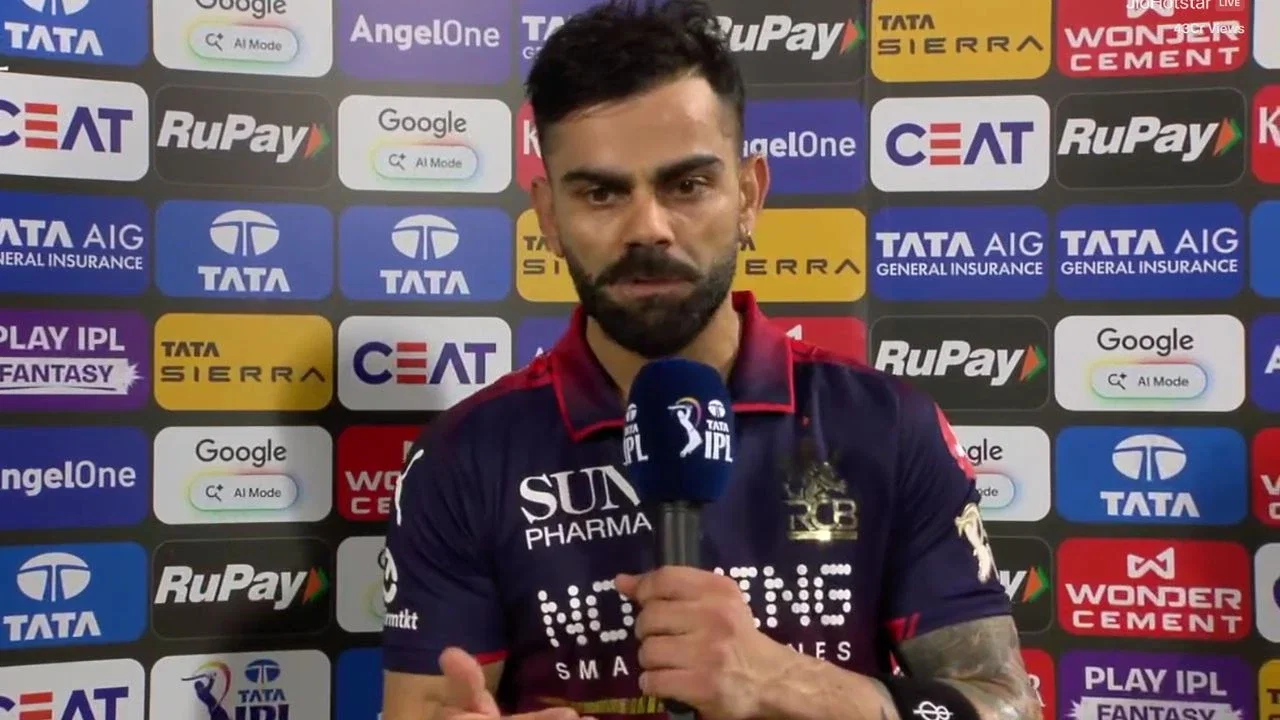
PCB brutally sacks own top official after no-handshake row in India vs Pakistan clash
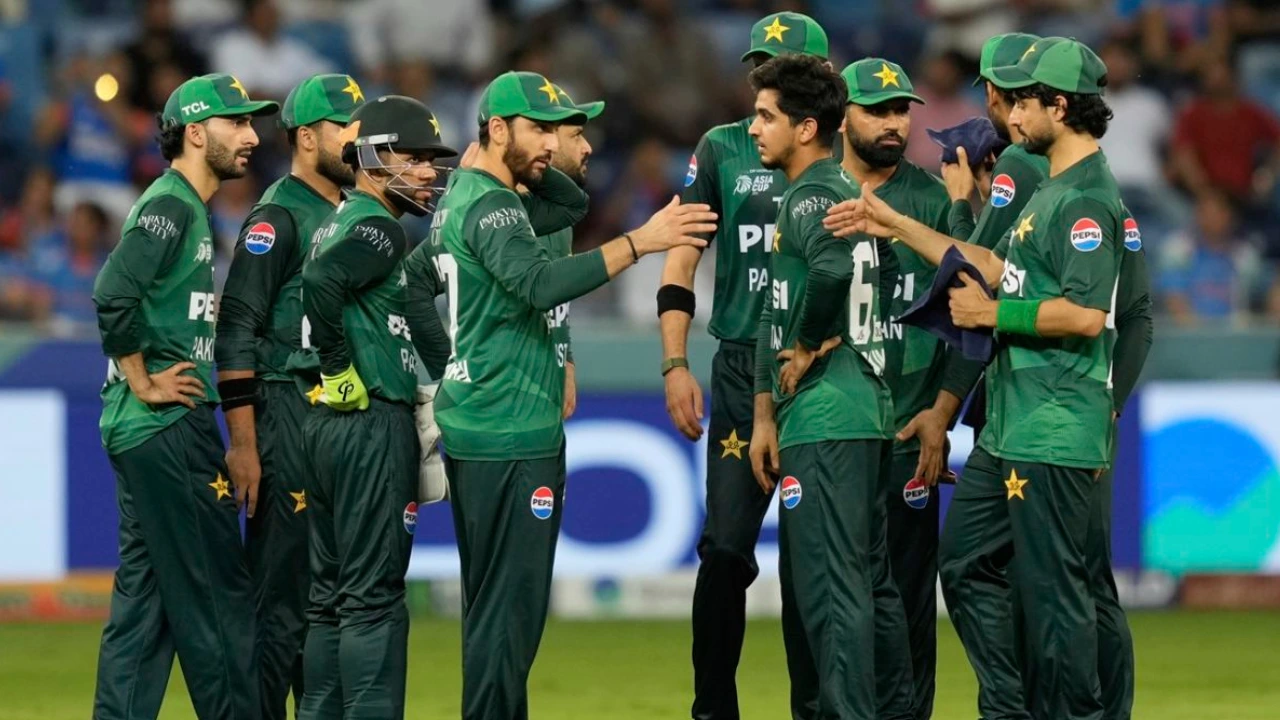
Pakistan Cricket Board Suspends Director Over Handshake Controversy
In a surprising turn of events, the Pakistan Cricket Board (PCB) has taken action against Usman Wahla, the Director of International Cricket, for his handling of the handshake controversy that marred the India vs. Pakistan Asia Cup 2025 match in Dubai on September 14.
The handshake incident has sparked confusion and negative attention after India secured a seven-wicket victory over Pakistan in the Asia Cup 2025 game. The fallout from the scandal has now led to the suspension of Usman Wahla from his position within the PCB.
Usman Wahla’s Suspension
Wahla, who was responsible for ensuring the smooth running of the match, failed to act promptly to address the handshake controversy or take appropriate action against the match referee. Following the Indians’ refusal to shake hands with the Pakistani team, the PCB made the decision to suspend Wahla in an effort to protect the organization’s reputation and uphold accountability.
The PCB’s decision to suspend Wahla was met with mixed reactions, with many expressing disappointment over the mishandling of the situation. The controversy surrounding the handshake incident has dominated headlines and social media discussions, overshadowing the actual match.
India’s Walk-Off Without Handshake
After India’s convincing victory over Pakistan, the Indian team surprised everyone by walking off the field without shaking hands with their opponents. This unexpected move triggered backlash and heated debates across both nations, further intensifying the already high-stakes rivalry between the two cricketing powerhouses.
Indian captain Suryakumar Yadav led his team straight into the dressing room after the match, leaving the Pakistani players waiting on the field for a customary handshake that never happened. The Indian team’s decision to forego the handshake was linked to a recent terror attack in Pahalgam, which claimed the lives of 26 people earlier in the year.
PCB’s Response and Demands
Following the controversial incident, the Pakistan Cricket Board lodged a formal complaint with the Asian Cricket Council and the International Cricket Council, labeling India’s behavior as “unsportsmanlike” and “against the spirit of the game.” The PCB also demanded the removal of match referee Andy Pycroft, accusing him of mishandling the situation.
The handshake controversy has not only fueled emotions and debates within the cricketing community but has also escalated diplomatic tensions between India and Pakistan. The incident has become a major talking point on social media platforms, with fans and analysts alike weighing in on the implications of the fallout from the Asia Cup 2025 match.
As the cricketing world awaits further developments in the aftermath of the handshake controversy, it is clear that the repercussions of this incident will have lasting effects on the future of cricketing relations between India and Pakistan.
Impact on India-Pakistan Cricket Relations
The handshake controversy between India and Pakistan during the Asia Cup 2025 match has not only affected the immediate aftermath of the game but also has long-term implications for the cricketing relations between the two neighboring nations. The incident has reignited existing tensions and rivalries, adding a new layer of complexity to the already intense sporting rivalry.
Historically, India and Pakistan have had a tumultuous relationship on and off the cricket field. The political tensions between the two countries often spill over into cricket matches, turning them into highly charged encounters that transcend the boundaries of sports. The handshake incident in the Asia Cup 2025 game has further fueled this rivalry, leading to heightened emotions and scrutiny from fans and officials alike.
Broader Implications for Cricket Diplomacy
The fallout from the handshake controversy has highlighted the role of cricket as a diplomatic tool between India and Pakistan. Cricket has often been used as a means to bridge gaps and foster communication between the two countries, with matches serving as opportunities for people-to-people contact and cultural exchange. However, incidents like the one in the Asia Cup 2025 game can strain these delicate diplomatic efforts and hinder progress towards peace and understanding.
Cricket diplomacy, which has previously been employed to ease tensions between India and Pakistan, now faces a setback due to the handshake controversy. The incident has underscored the challenges of using sports as a means of diplomacy in a region fraught with political complexities and historical animosities.
The Role of Sportsmanship in Cricket
The handshake controversy has also ignited discussions around the importance of sportsmanship in cricket and the broader sporting world. The tradition of shaking hands after a match is not merely a formality but a symbol of respect, camaraderie, and fair play. By forgoing the post-match handshake, the Indian team’s actions have raised questions about the values and principles that underpin the sport of cricket.
Sportsmanship is a cornerstone of cricket, promoting integrity, humility, and mutual respect among players and teams. The handshake incident serves as a reminder of the need to uphold these values and ensure that the spirit of the game is preserved, even in the face of heightened competition and rivalry.
Looking Ahead: Reconciliation and Redemption
As the cricketing world reflects on the fallout from the handshake controversy, there is an opportunity for both India and Pakistan to seek reconciliation and redemption. While the incident has exposed the deep-seated tensions between the two nations, it also presents a chance to engage in dialogue, bridge divides, and reaffirm the spirit of sportsmanship that transcends borders.
Moving forward, it will be crucial for cricketing authorities, players, and fans from both India and Pakistan to reflect on the handshake incident and work towards fostering a more positive and inclusive environment within the sport. By addressing the underlying issues that led to the controversy, both countries can pave the way for a renewed sense of camaraderie and unity in cricket.
The handshake controversy may have cast a shadow over the Asia Cup 2025 match, but it also offers a unique opportunity for introspection, growth, and reconciliation in the world of cricket.
Latest News
Jason Gillespie gives major update on Glenn Maxwell’s availability for PSL 2026
‘I’m a big fan but…’: Ravichandran Ashwin criticises Abhishek Sharma after failure vs RCB.
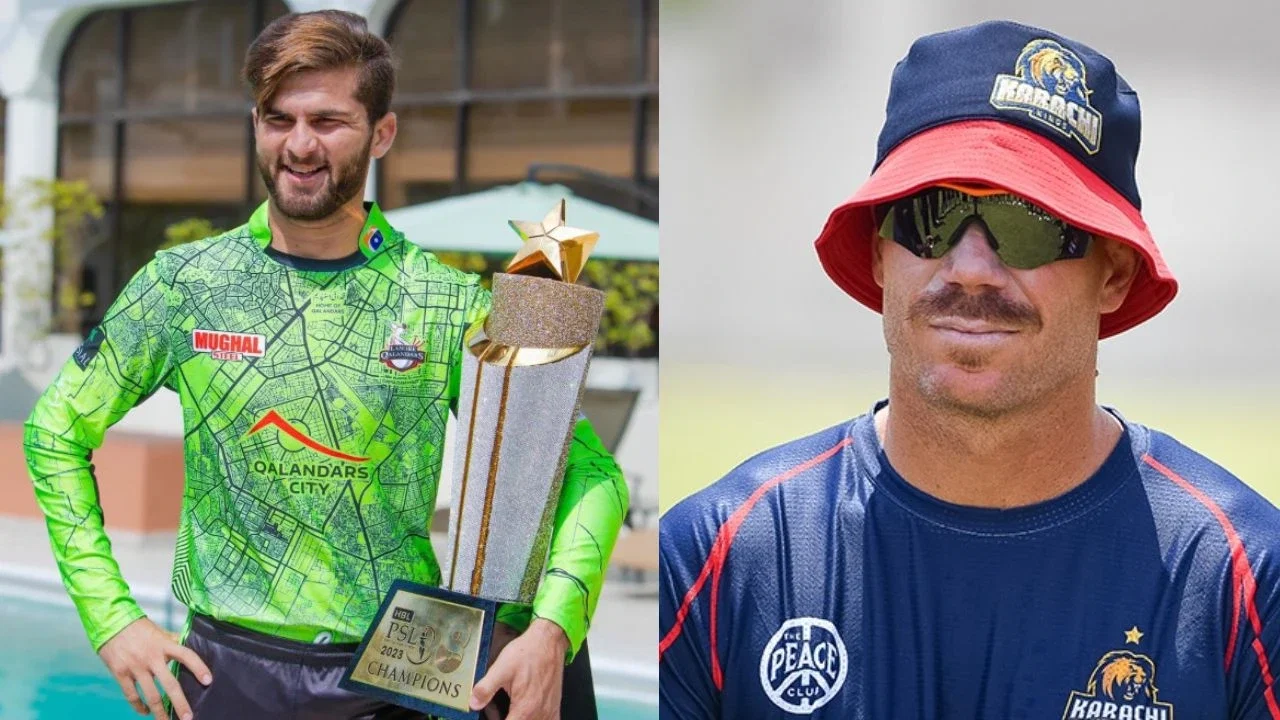
LHQ vs KRK Match Prediction, Pitch & Weather Report, Playing XIs, Head-to-Head, Free Live Streaming – PSL 2026 Match 6
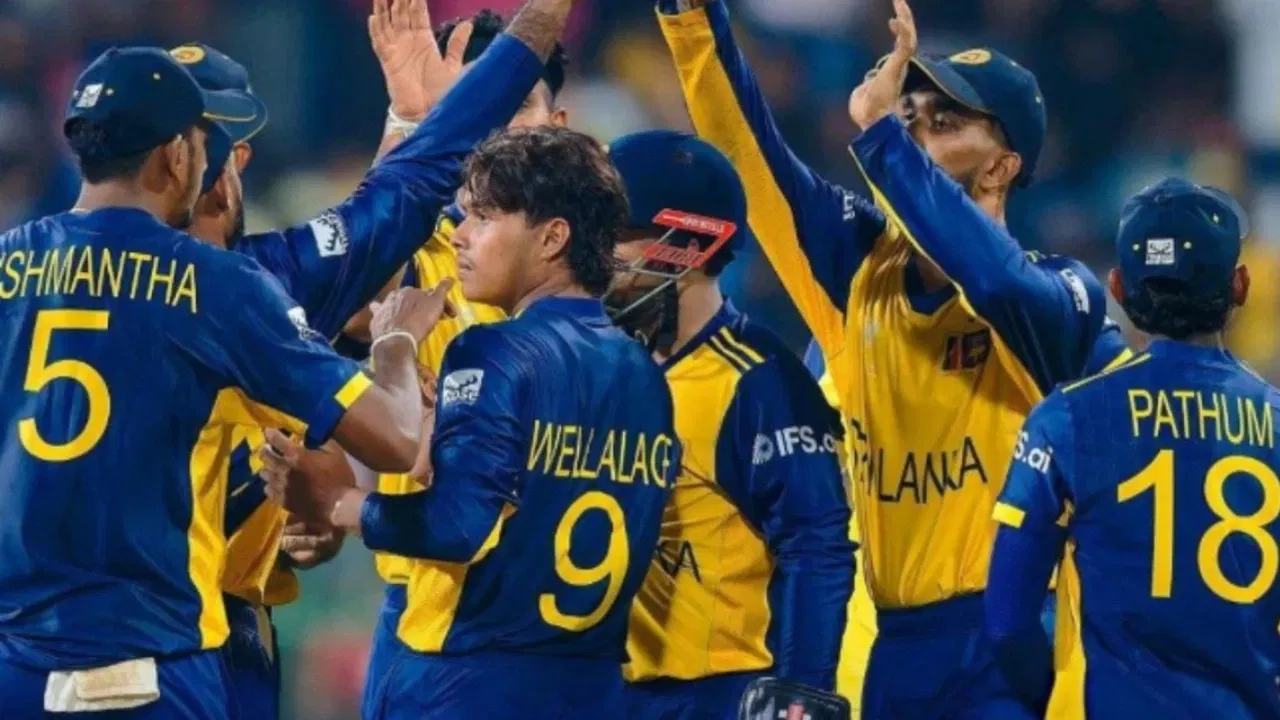
IPL teams on alert!: Sri Lanka fitness crisis sees almost 50% players fail tests
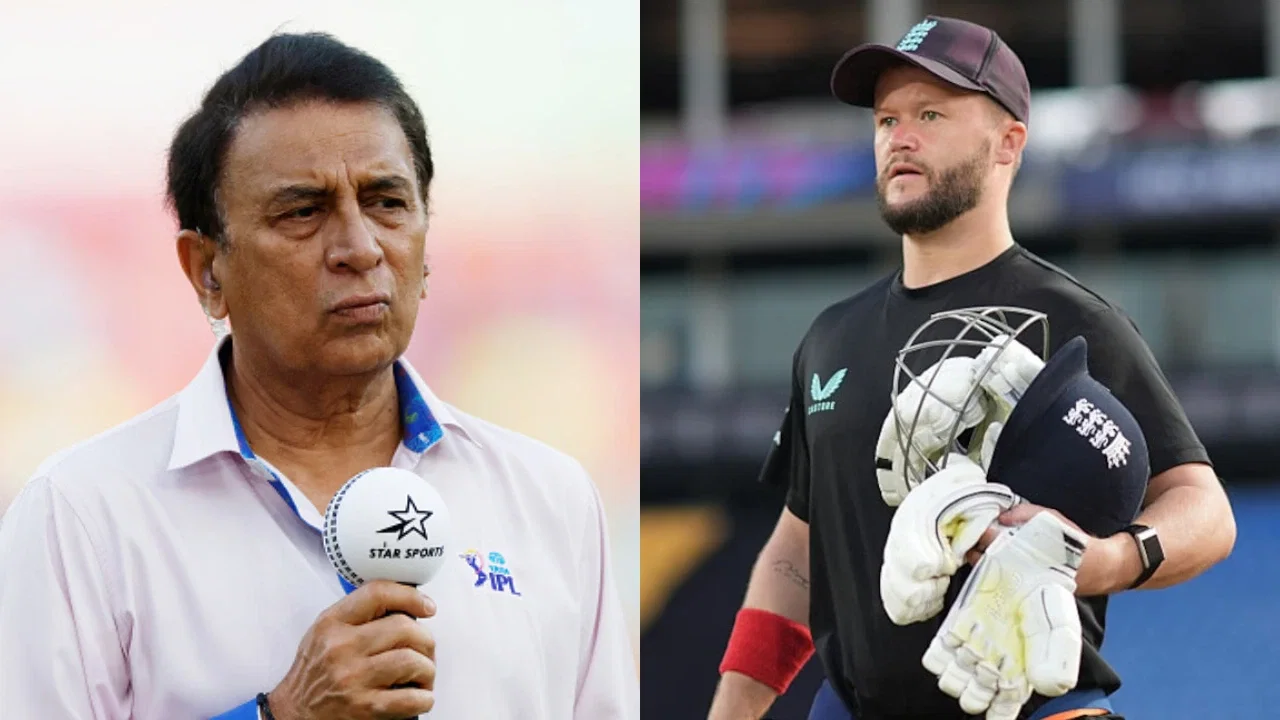
Ben Duckett in trouble? Sunil Gavaskar pushes BCCI for tougher punishment
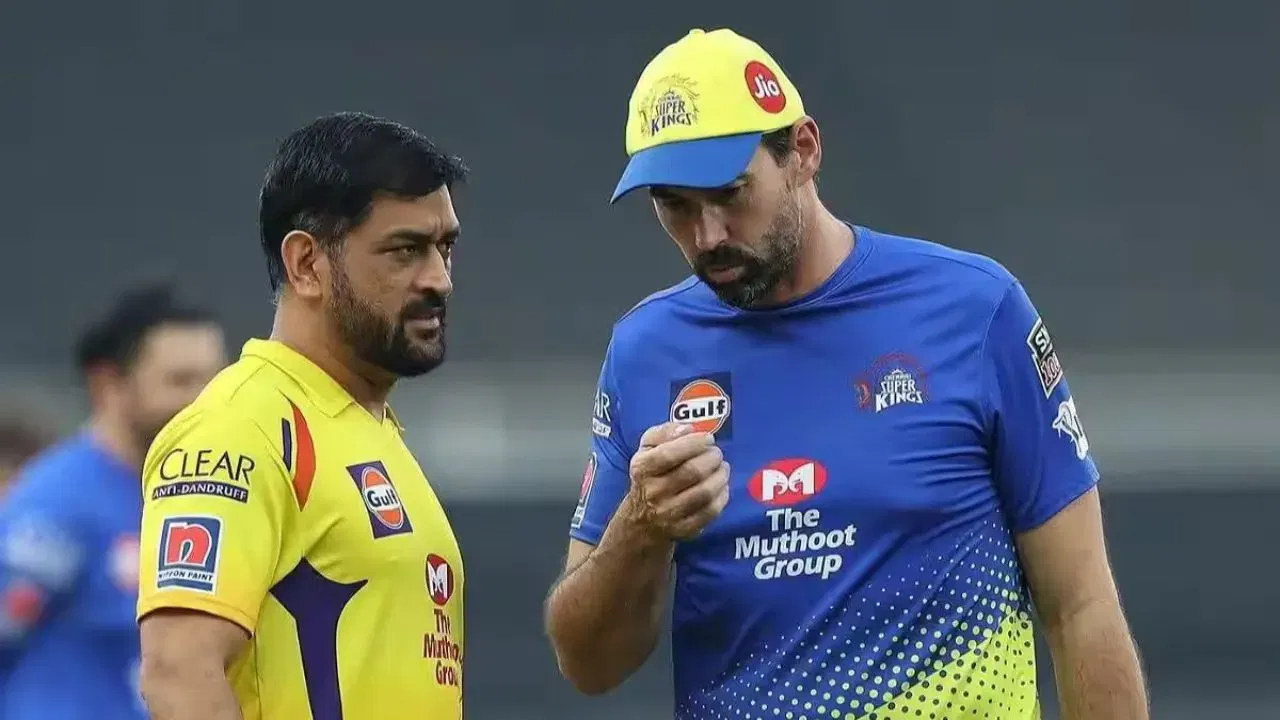
MS Dhoni faking injury? Michael Vaughan suspects ‘strategic manoeuvre’ in CSK camp for IPL 2026
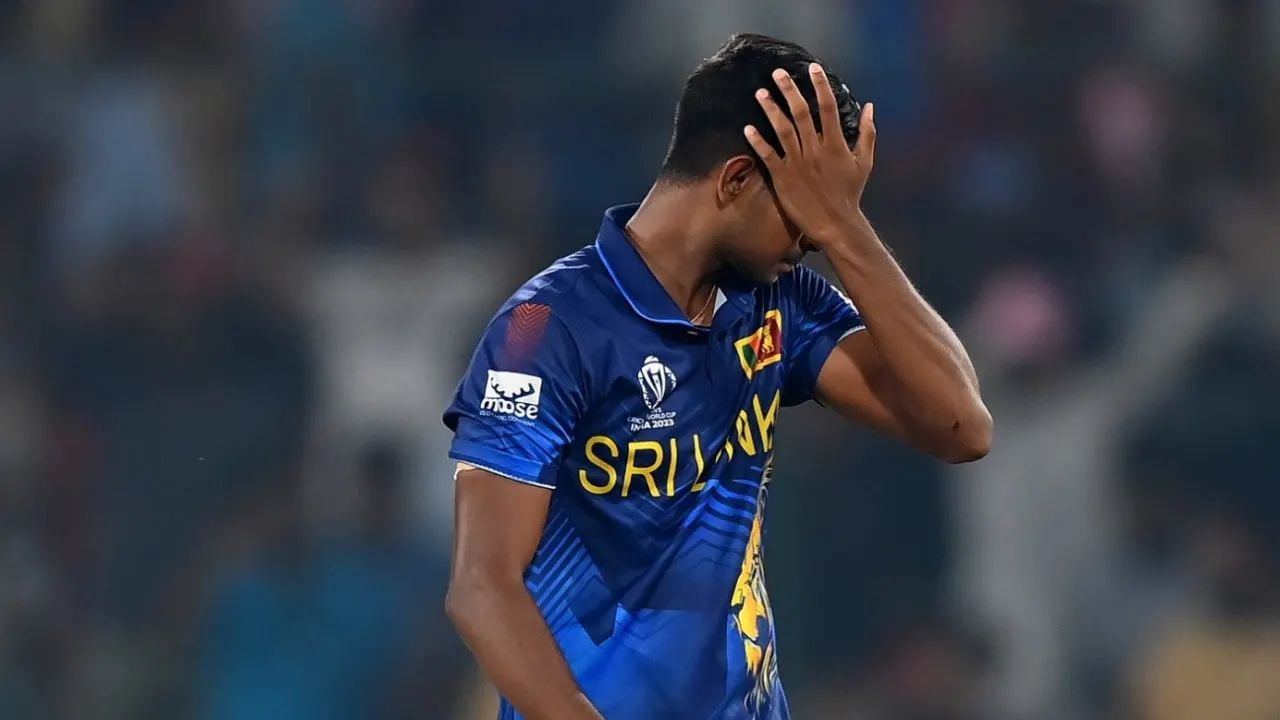
KKR coach criticises Impact Player rule, provides huge Matheesha Pathirana update
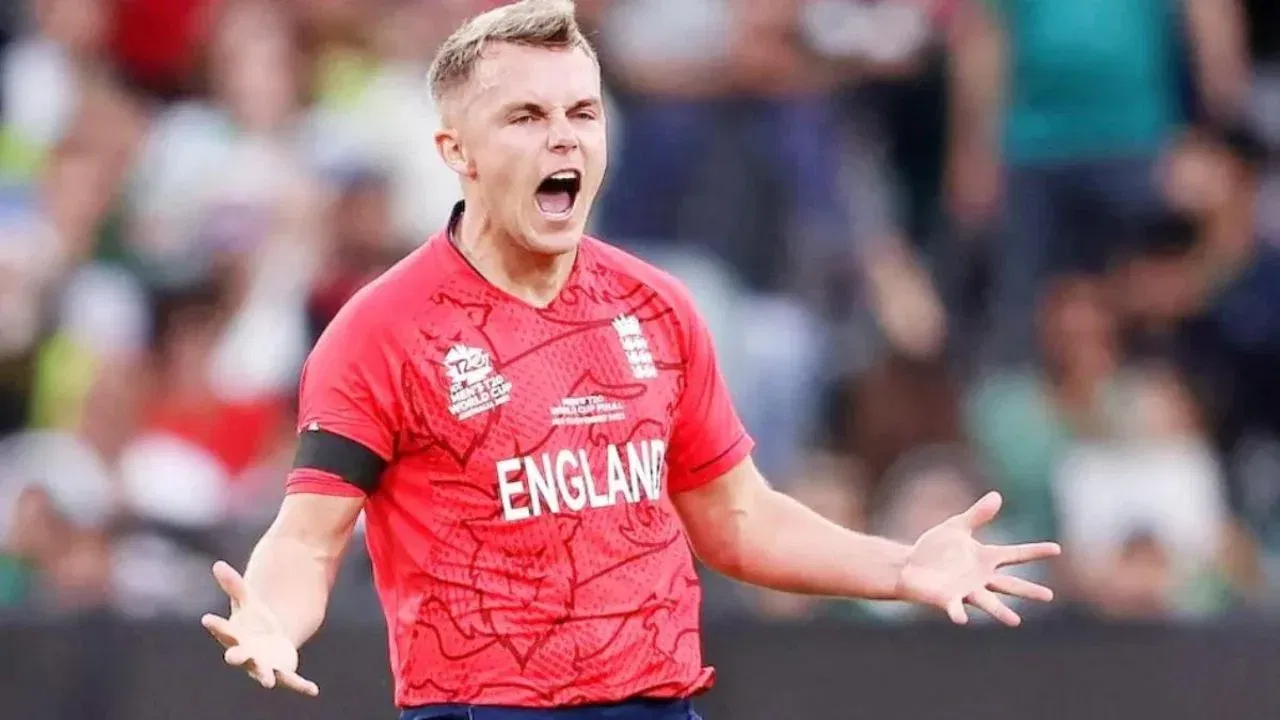
Sam Curran reveals private chat with Brendon McCullum after England axing
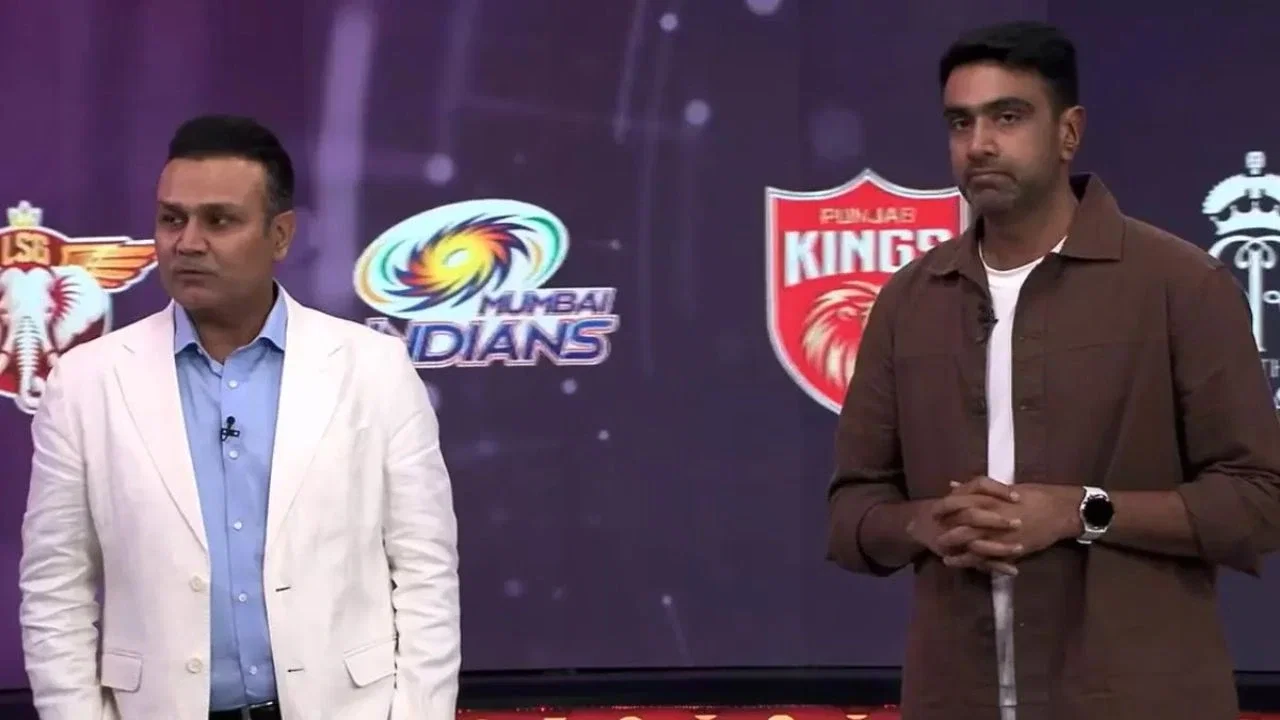
Ravichandran Ashwin brutally teased by Virender Sehwag on IPL 2026 debut
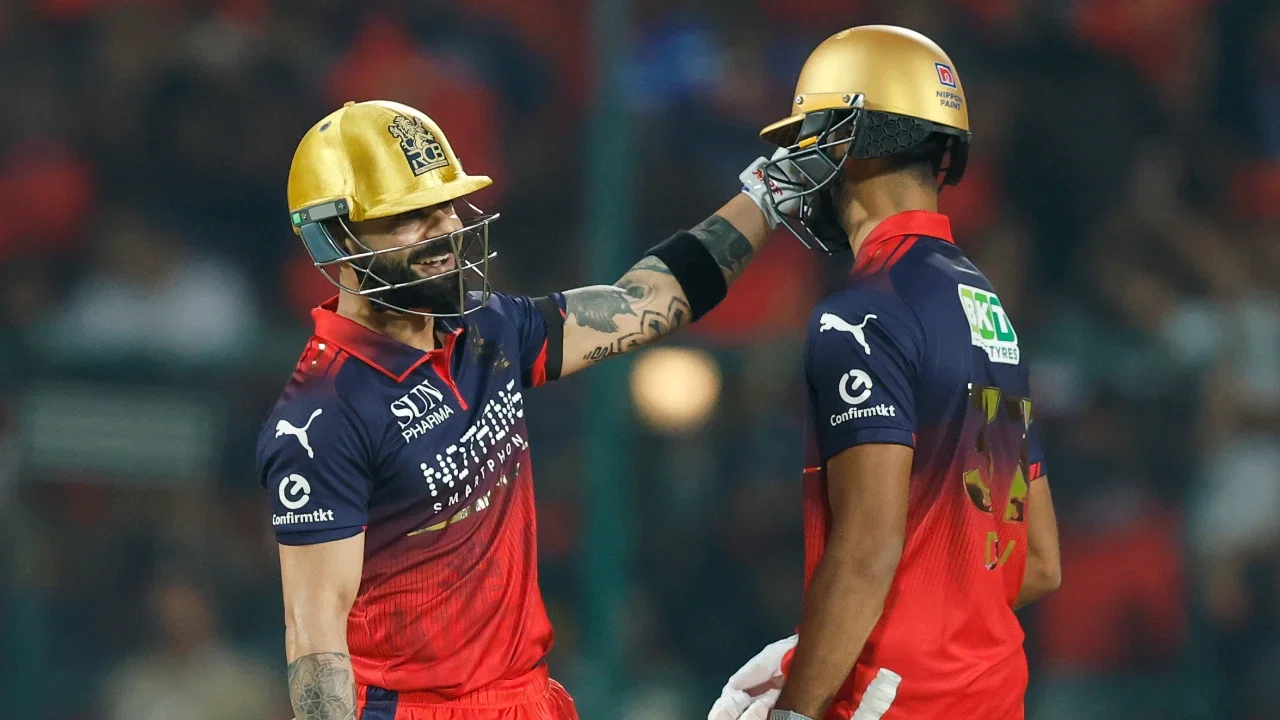
Virat Kohli’s ego under spotlight! Ex-KKR star makes bold claim after heroics vs SRH
Jay Shah rises to No. 22 among most powerful people in India in 2026; Virat Kohli, Gautam Gambhir included
SRH suffer huge blow! Daniel Vettori confirms another overseas pacer injured amid crisis
IPL Points Table 2026: Updated Standings, Orange Cap, Purple Cap After RCB vs SRH Match 1
Virat Kohli, Anushka Sharma share adorable flying kiss moment after RCB vs SRH clash