PCB brutally slashes women cricketers’ salaries; Domestic players paid below minimum wage
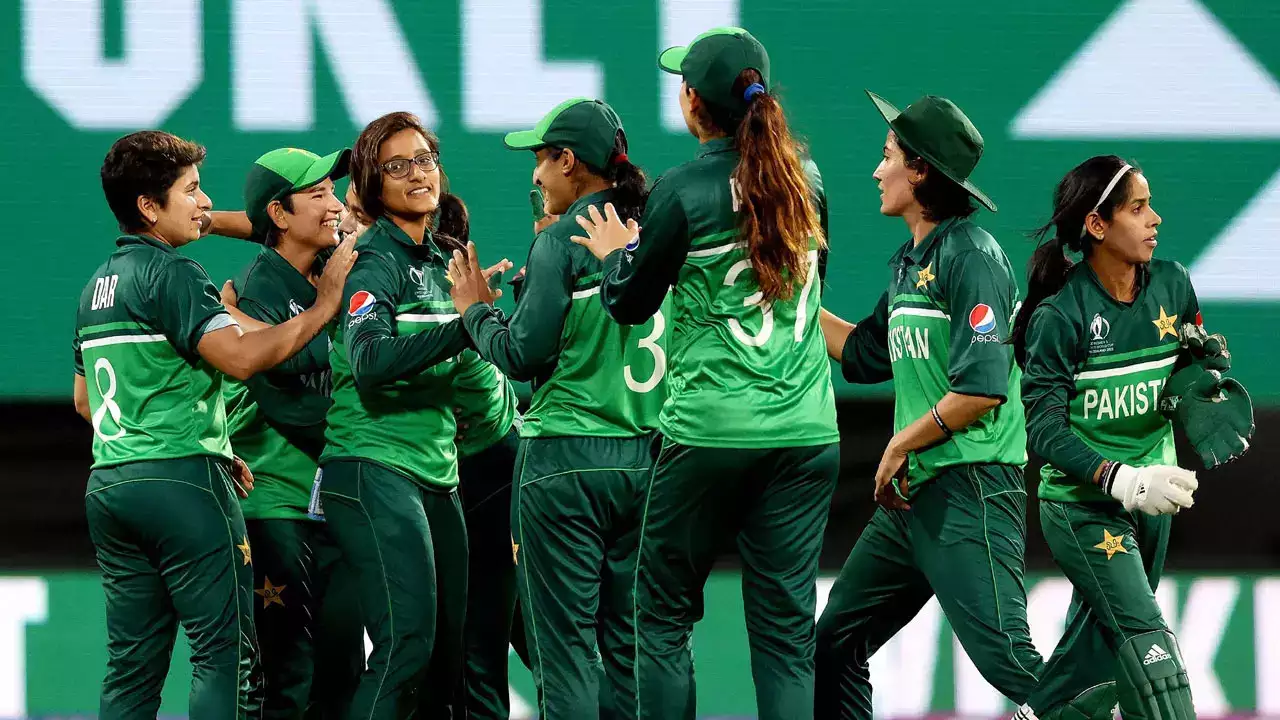
Pakistan Cricket Board Under Scrutiny Over Player Payments
The Pakistan Cricket Board (PCB) has been under fire recently for their handling of player payments, particularly in the women’s cricket sector. While the men’s team saw revisions in their contracts following public outcry, the domestic women cricketers in Pakistan continue to face financial struggles due to pay cuts that have largely gone unnoticed.
PCB’s Controversial Decision Regarding Women’s Cricket
The PCB recently expanded central contracts from 79 to 90 players, with the aim of developing talent and encouraging young cricketers. However, rather than ensuring financial security for the players, the cricket board chose to reduce in-hand pay for the athletes. This has resulted in several women cricketers leaving the system within two years due to inadequate earnings.
According to a report by Cricbuzz, domestic women cricketers in Pakistan now receive monthly retainers of PKR 35,000 (approximately USD 125), which is lower than the country’s minimum wage for unskilled laborers. Additionally, the PCB has reduced match fees for women from PKR 25,000 to PKR 20,000 without any public announcement, further impacting the players’ earnings.
Struggles of Domestic Women Cricketers in Pakistan
Despite being key members of the national team, international players like Nida Dar and Aliya Riaz were left out of central contracts and placed on domestic contracts instead. The delays in issuing contracts have also added to the financial woes of the players, with central contracts being delayed by 10 months and domestic contracts nearly nine months late.
Players are only allowed to compete for a maximum of 31 days per season across three domestic tournaments. Even if they play in every match and reach the finals, their total earnings, including retainers and match fees, amount to just PKR 1,040,000 (USD 3,700). Those not in the playing XI receive only PKR 10,000 per match, making it challenging for them to sustain their careers.
Challenges Faced by Domestic Women Cricketers
The lack of investment in women’s cricket in Pakistan has led to limited resources, impacting player fitness and development. Many domestic cricketers struggle to afford essential aspects of a professional athlete’s life, such as personal trainers and specialized diets.
One domestic player shared, “Living in Pakistan, not everyone can afford a professional athlete life. It’s up to you how well you manage your cricket training within the means that you have. I end up spending approximately PKR 400,000 on my cricket, but I can’t afford a personal trainer.”
Looking Ahead
As the PCB faces scrutiny over player payments and the treatment of women cricketers, it is essential for the board to prioritize the financial well-being of all players. Ensuring fair pay and support for domestic women cricketers in Pakistan is crucial for the growth and development of the sport in the country.
Repercussions of Inadequate Player Payments
The repercussions of inadequate player payments extend beyond just financial struggles. The stress and anxiety caused by uncertain earnings can also impact the mental health of the players. Without the stability of a decent income, these athletes may find it challenging to focus on their performance on the field. This not only affects their individual careers but also hinders the overall progress of women’s cricket in Pakistan.
Furthermore, the lack of financial security can deter young girls from pursuing a career in cricket. When aspiring players see the struggles faced by current professionals, they may be discouraged from following their dreams. This can result in a talent drain, depriving the sport of potential stars and limiting its growth and competitiveness on the global stage.
Advocacy for Equal Opportunities
Advocates for women’s cricket in Pakistan have been vocal about the need for equal opportunities and fair treatment. They argue that female cricketers should be valued and compensated on par with their male counterparts. While progress has been made in terms of visibility and recognition for women’s cricket, there is still a long way to go in terms of ensuring equity in pay and resources.
Investing in the development of women’s cricket not only benefits the individual players but also contributes to the overall advancement of the sport. By providing adequate support and opportunities, the PCB can nurture a thriving ecosystem for women’s cricket in Pakistan, paving the way for future success and sustainability.
Collaborative Efforts for Change
To address the challenges faced by domestic women cricketers in Pakistan, collaborative efforts are needed from all stakeholders involved. The PCB, along with sponsors, government bodies, and fans, must come together to prioritize the welfare of the players and work towards creating a more inclusive and supportive environment for women in cricket.
Engaging with players directly to understand their needs and concerns, establishing clear communication channels regarding contracts and payments, and providing access to necessary resources and training facilities are essential steps in ensuring the holistic development of women’s cricket in Pakistan.
Empowering Women in Cricket
Empowering women in cricket goes beyond just financial support. It also involves fostering a culture of respect, equity, and inclusivity within the cricketing community. By creating a safe and welcoming environment for female players, the PCB can attract and retain talent, ultimately raising the standard of women’s cricket in the country.
Through mentorship programs, leadership opportunities, and educational initiatives, the PCB can empower women cricketers to not only excel on the field but also become ambassadors for the sport and role models for future generations of female athletes.
Conclusion
In conclusion, the scrutiny faced by the Pakistan Cricket Board over player payments highlights the urgent need for reform and improvement in the treatment of domestic women cricketers. By addressing the challenges of inadequate pay, limited opportunities, and lack of resources, the PCB can demonstrate its commitment to gender equality and the overall development of women’s cricket in Pakistan.
It is crucial for all stakeholders to come together and prioritize the well-being of the players, ensuring that they are valued, supported, and given the opportunities they deserve to succeed in the sport. With concerted efforts and a unified approach, women’s cricket in Pakistan can thrive and reach new heights of success and recognition on the global stage.
Latest News
Royal Challengers Bengaluru IPL 2026 Full Schedule: RCB Fixtures, Dates, Timings and Venues | Squad and Coaches
RCB legend warns MI over their veteran pacer ahead of IPL 2026
Not Sanju Samson! EX-CSK star picks Ruturaj Gaikward as orange cap winner in IPL 2026

IPL doesn’t need MS Dhoni in 2026, claims ex-KKR star

NOT CSK and MI! EX-PBKS coach picks franchise to 300 runs in IPL 2026
NOT CSK and MI! EX-PBKS coach picks franchise to 300 runs in IPL 2026
Shubman Gill takes cheeky dig at journalist, names opening partner for IPL 2026
Shubman Gill takes cheeky dig at journalist, names opening partner for IPL 2026
Shubman Gill takes cheeky dig at journalist, names opening partner for IPL 2026

Josh Hazlewood lands in India before IPL 2026

“Franchises run out of patience”: Irfan Pathan issues strict warning to Mayank Yadav

Sanjiv Goenka breaks silence on Rishabh Pant’s rumoured sacking as LSG captain

Revealed: Why BCCI didn’t give BGT matches to Wankhede and Eden Gardens?

Not Virat Kohli! Rajat Patidar reveals Jitesh Sharma helped him most in RCB captaincy