PCB chief Mohsin Naqvi sides with India, endorses no-handshake policy
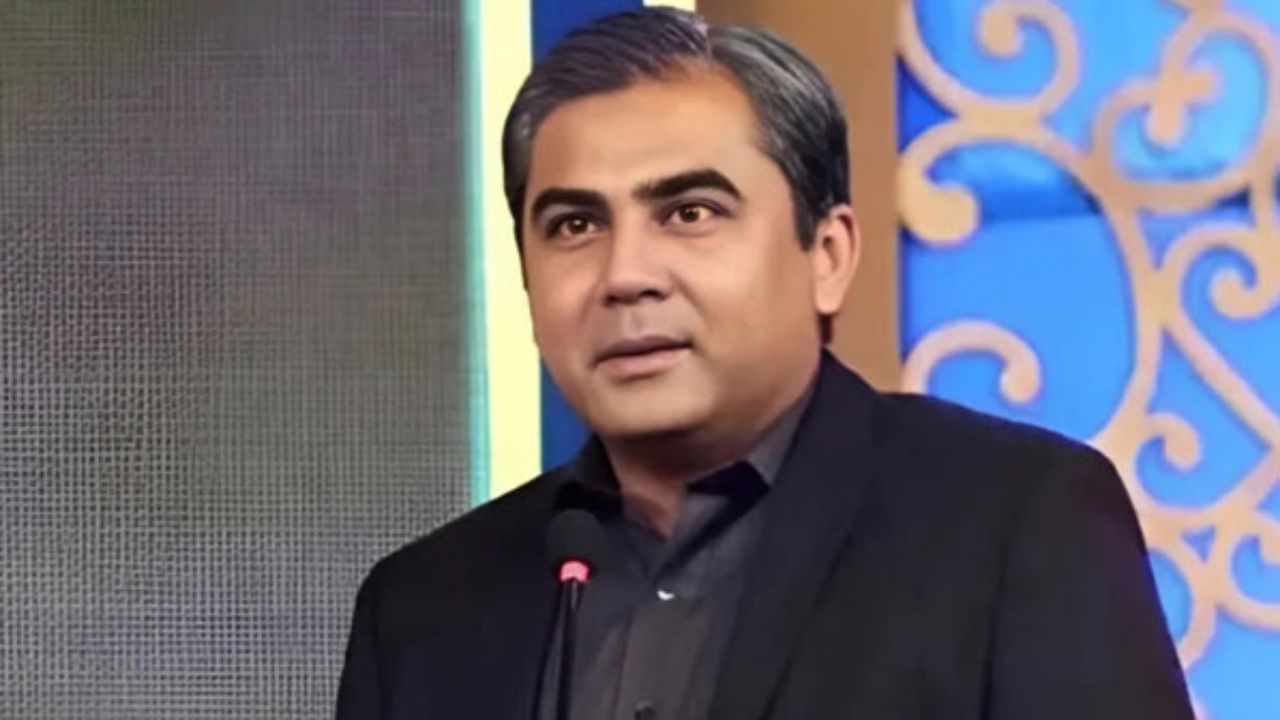
Pakistan Cricket Board Chairman Addresses India’s No-Handshake Policy
In recent matches, including the Asia Cup 2025, India’s cricket teams have chosen not to shake hands with Pakistan after international matches. However, the Pakistan Cricket Board (PCB) chairman, Mohsin Naqvi, has stated that Pakistan is not concerned by this no-handshake approach. Naqvi emphasized that Pakistan’s teams will continue to stand their ground against India, regardless of their attitude or off-field dynamics.
India’s No-Handshake Policy
Since September, India’s men’s and women’s cricket teams have refrained from shaking hands with Pakistan after matches. This gesture was first noticed during the men’s Asia Cup, led by Suryakumar Yadav. Following suit, the Indian women’s team adopted the same approach during the ODI World Cup. India’s U19 men’s side also continued this no-handshake policy during the recent Asia Cup as a show of solidarity with the victims of the Pahalgam terror attack.
Mohsin Naqvi’s Response
Speaking to reporters in Lahore, Mohsin Naqvi stated that Pakistan has no intention of pressuring India into gestures like handshakes. He reiterated that Pakistan would keep cricket separate from politics and that the game should be played without external influences.
Naqvi said, “Our belief remains the same even today, and believe me, the Prime Minister himself has told me twice that we shouldn’t let politics come into all of this. From day one, our stance has been that cricket and politics should remain separate. On that day, Sarfaraz must have told you what kind of attitude was shown, and what it was like.”
Pakistan’s Stance
Naqvi further emphasized that Pakistan accepts whatever approach India chooses to follow but added that there will be no one-sided compromises. He stated that this balanced stance is not temporary and will remain Pakistan’s approach in future encounters as well.
Naqvi added, “If they don’t want to shake hands, then we have no particular desire to do so either. Whatever happens, it will happen on an equal footing with India. And you will see, this approach will continue going forward. It’s not possible for them to do one thing and for us to back down – that simply won’t happen.”
Post U19 Asia Cup Final
Naqvi’s remarks came in the aftermath of Pakistan’s victory over India in the U19 Asia Cup final. Pakistan secured a massive 191-run win to lift their second U19 Asia Cup title. The match was filled with tension and heated moments, with Pakistan fast bowler Ali Raza involved in brief exchanges with Indian players.
After the match, Pakistan U19 mentor Sarfaraz Ahmed criticized some of the Indian players’ actions, calling them unethical. Naqvi reportedly considered taking the issue to the International Cricket Council, as the ICC had previously asked the Board of Control for Cricket in India to reconsider its no-handshake policy at the junior level.
Naqvi himself has been involved in past controversies, such as during the senior Asia Cup final when he left with the trophy after India declined to receive it from him in his role as ACC chairman.
Overall, Pakistan remains firm in its stance to keep cricket separate from politics and will continue to face India on equal footing, regardless of their no-handshake policy.
Analysis of the No-Handshake Policy
The decision by India’s cricket teams to refrain from shaking hands with Pakistan has sparked debates among fans and analysts. Some view it as a strong stance against Pakistan’s alleged support for terrorism, while others see it as a missed opportunity for sportsmanship and mutual respect in the game of cricket. The no-handshake policy has certainly added an extra layer of intensity to an already fierce sporting rivalry.
Impact on Future Matches
As tensions between the two cricketing nations continue to simmer, the future of cricketing encounters between India and Pakistan remains uncertain. The no-handshake policy adopted by India could potentially escalate into further on-field confrontations or provocations. It raises questions about the role of sports diplomacy in easing political tensions and fostering goodwill between the two countries.
International Reactions
The no-handshake policy has not gone unnoticed on the international stage, with cricketing boards and governing bodies weighing in on the matter. The International Cricket Council (ICC) may have to address the issue to ensure that sportsmanship and respect are upheld during international matches. The stance taken by India could have ripple effects on how other teams approach post-match interactions in the future.
Broader Implications for Cricket
The no-handshake policy between India and Pakistan highlights the complexities of sports in a politically charged environment. Cricket, often seen as a unifying force, can also become a battleground for nationalistic sentiments and historical animosities. The need for clear boundaries between sports and politics becomes more apparent as such incidents unfold on the global stage.
Looking Ahead
As cricket fans and analysts continue to dissect the implications of India’s no-handshake policy, the future of cricketing relations between India and Pakistan remains a topic of intense speculation. While the rivalry between the two teams adds excitement to the game, finding a balance between competition and respect will be crucial in maintaining the integrity of cricket as a sport.
In conclusion, the no-handshake policy adopted by India towards Pakistan has sparked controversy and raised important questions about sportsmanship, diplomacy, and the intersection of sports and politics. As both teams navigate this delicate terrain, the eyes of the cricketing world remain fixed on future encounters between these two cricketing giants.
Latest News
Mumbai Indians suffer blow! Mitchell Santner, Will Jacks ruled out of IPL 2026 games
MI vs KKR Match Prediction – Who Will Win Match No.2? | IPL 2026
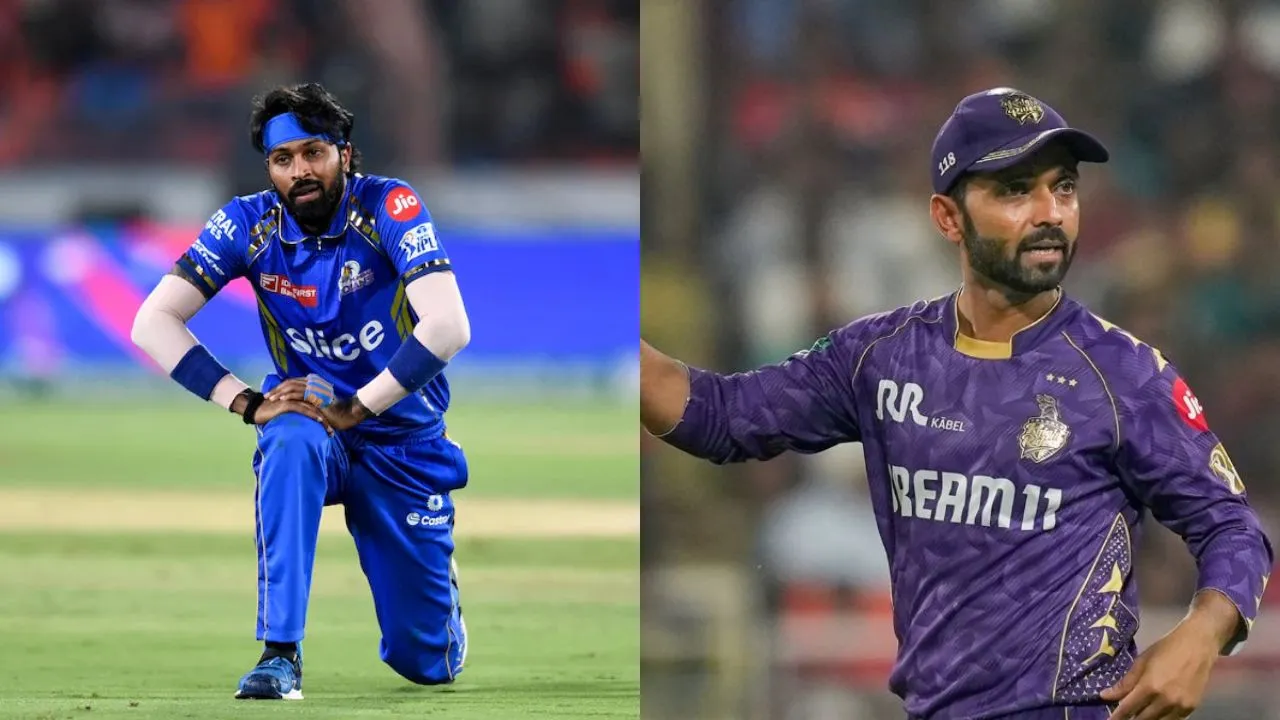
Mumbai Indians Playing XI vs Kolkata Knight Riders Playing XI- Match No. 2 | IPL 2026
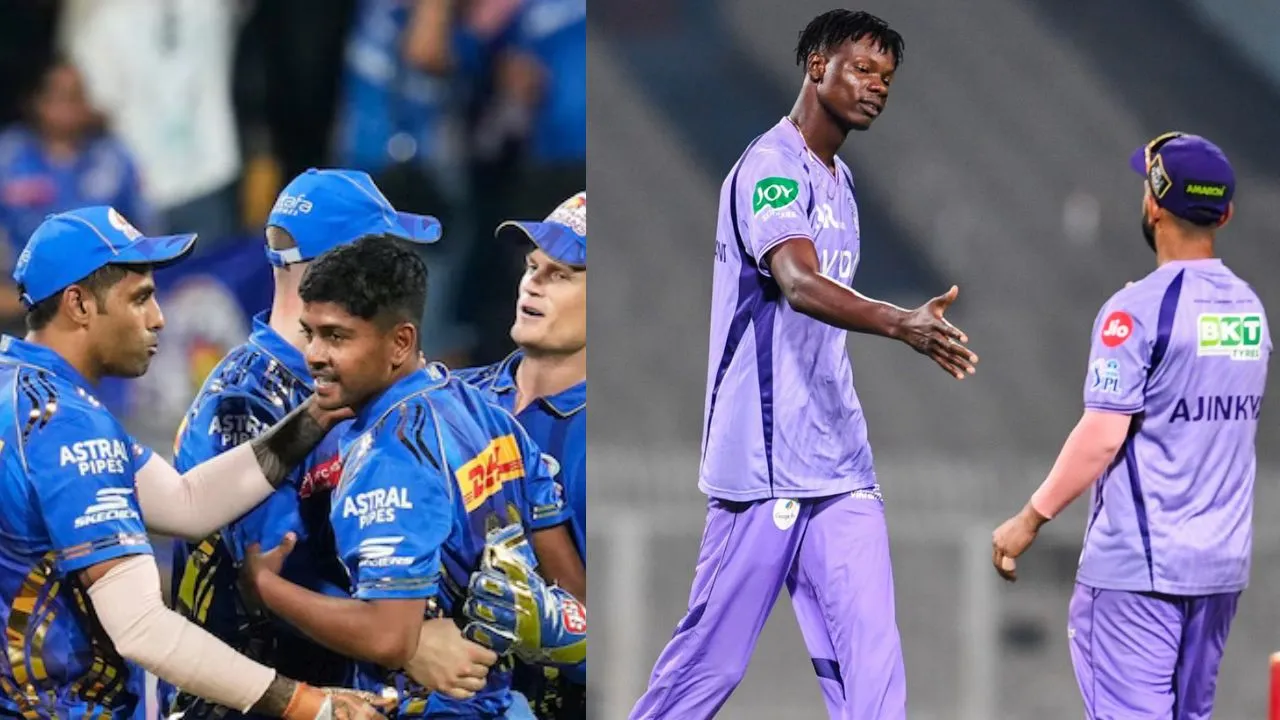
MI vs KKR Match 2 Preview: Free Live Streaming, Pitch & Weather Report, Head-to-Head | IPL 2026
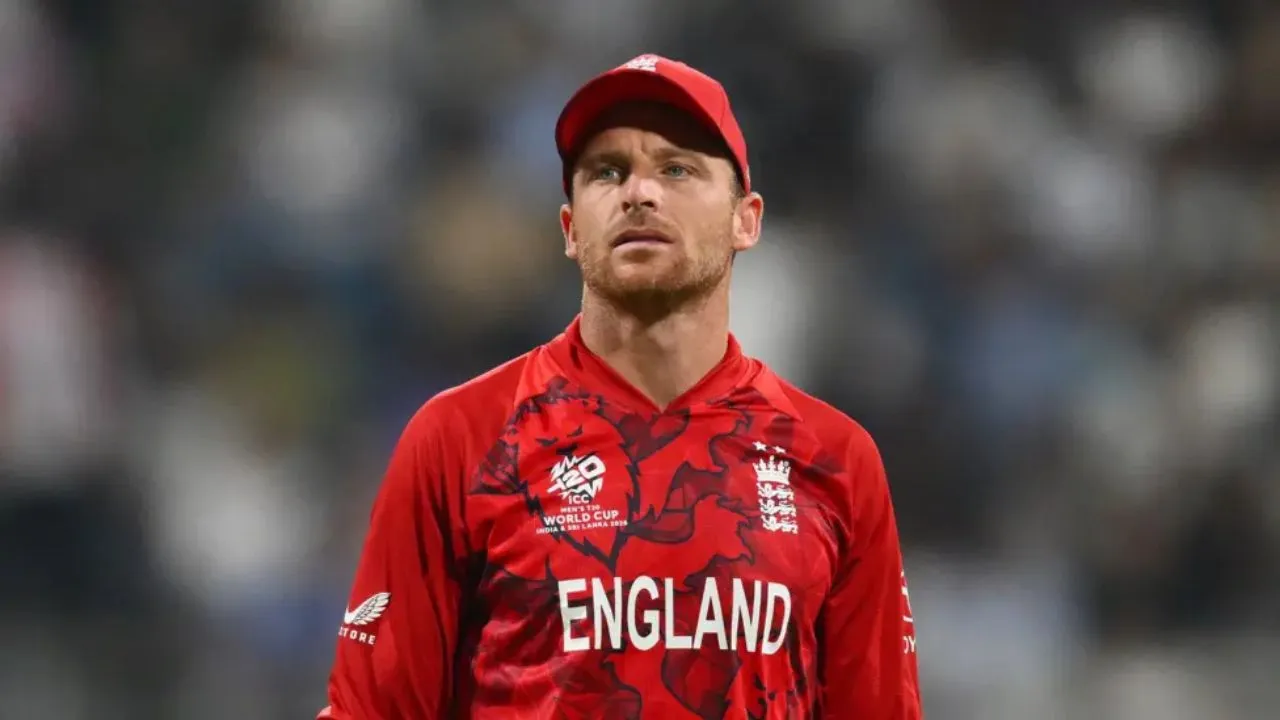
Not English cricket! Jos Buttler credits IPL for his success as a cricketer
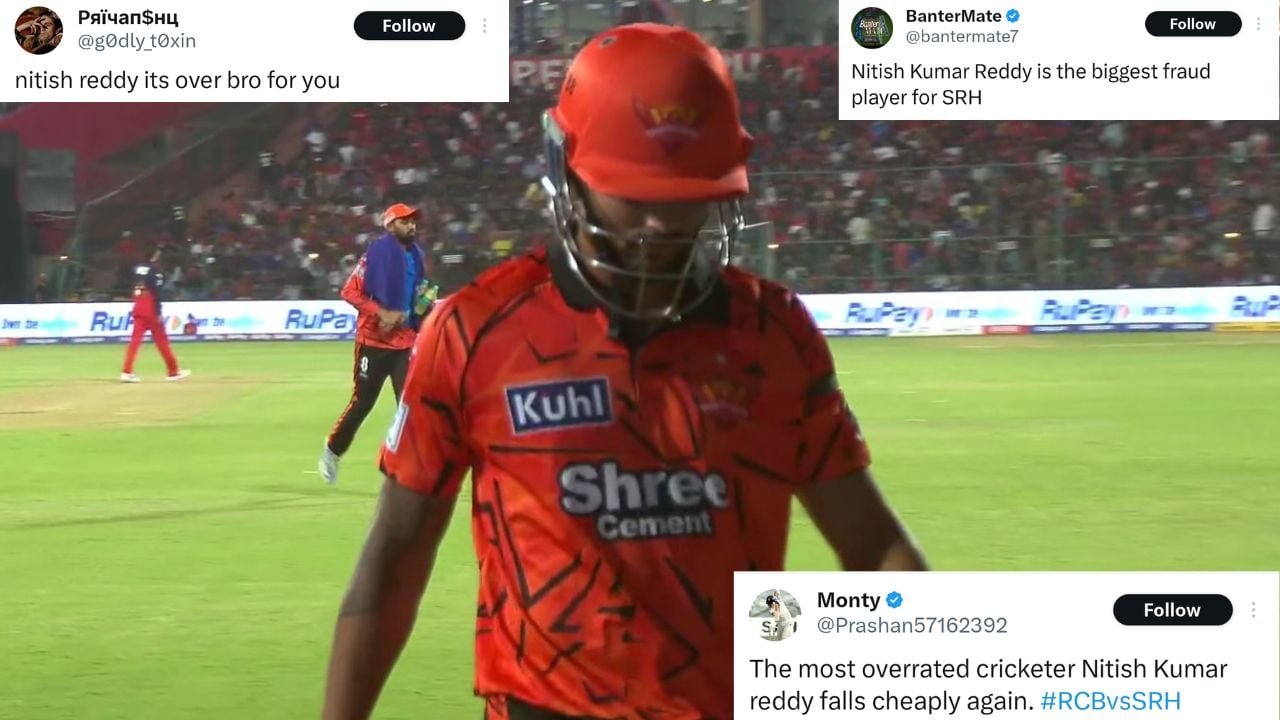
“Nitish Kumar Reddy is biggest fraud”: Fans fume as SRH star fails vs RCB in IPL 2026 opener
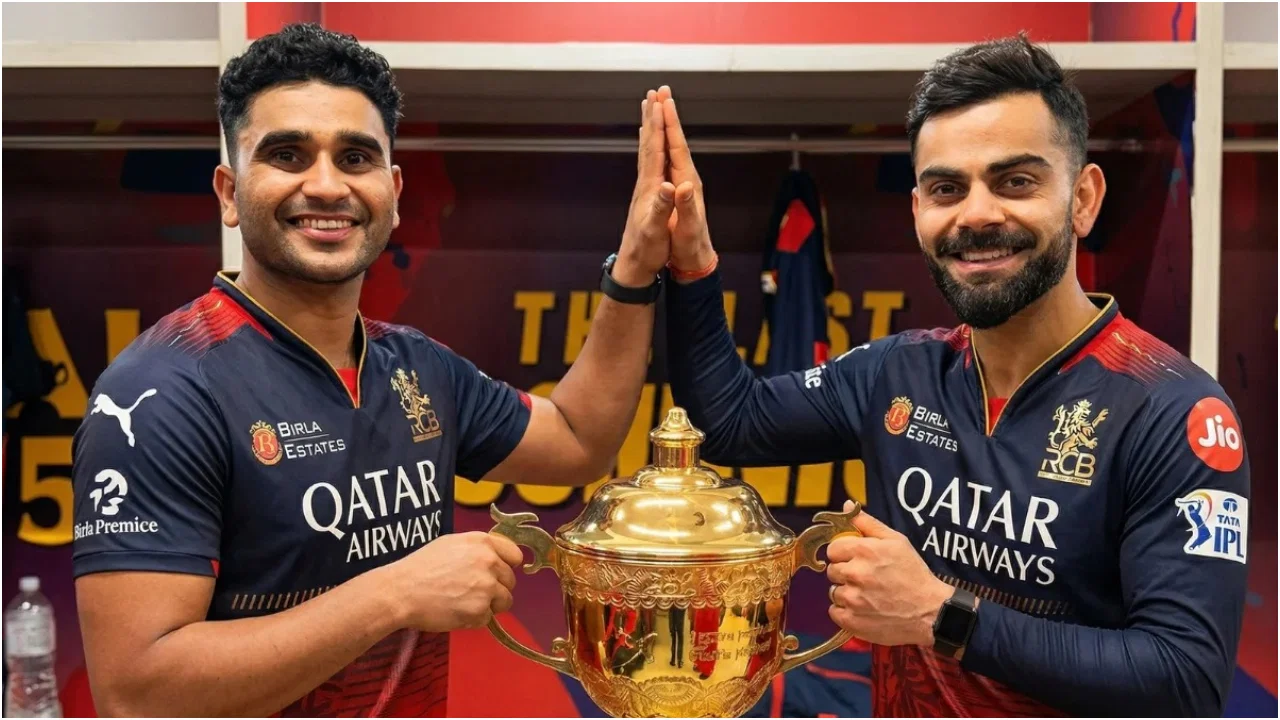
Who is Abhinandan Singh? The Virat Kohli troublemaker who made his IPL debut for RCB vs SRH
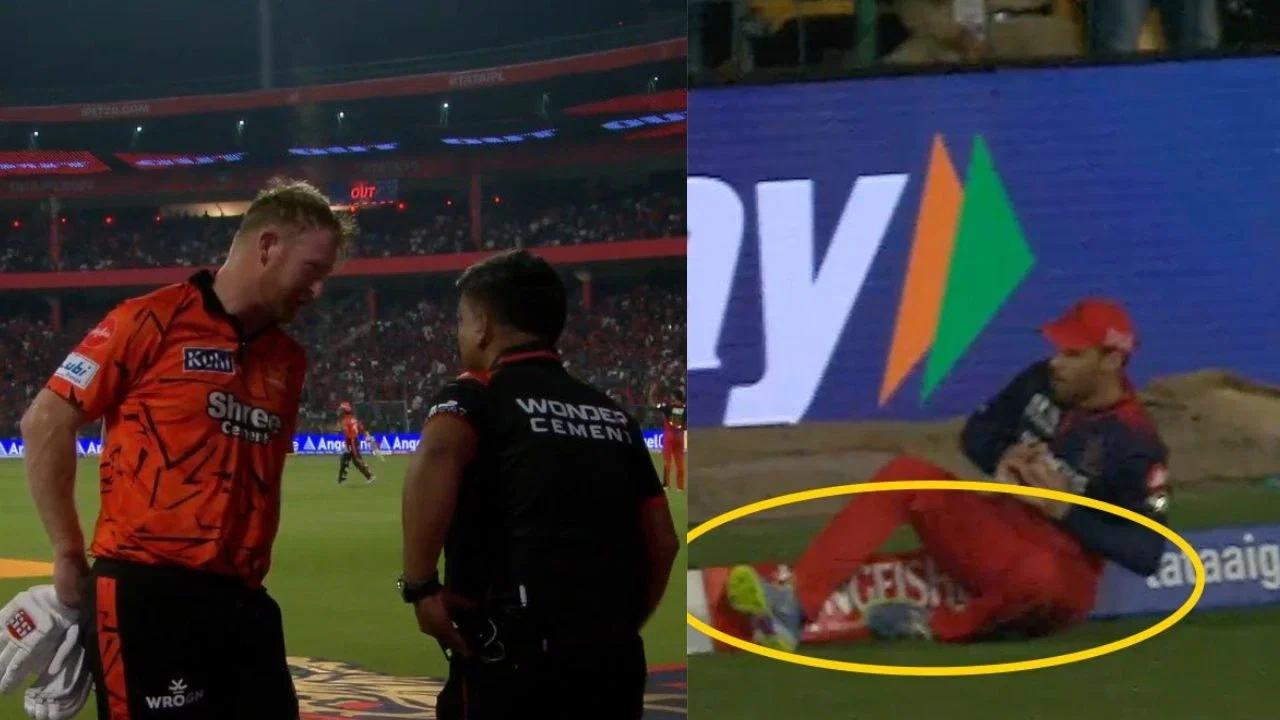
Heinrich Klaasen engages in heated chat with 4th umpire after Phil Salt’s controversial catch in IPL 2026
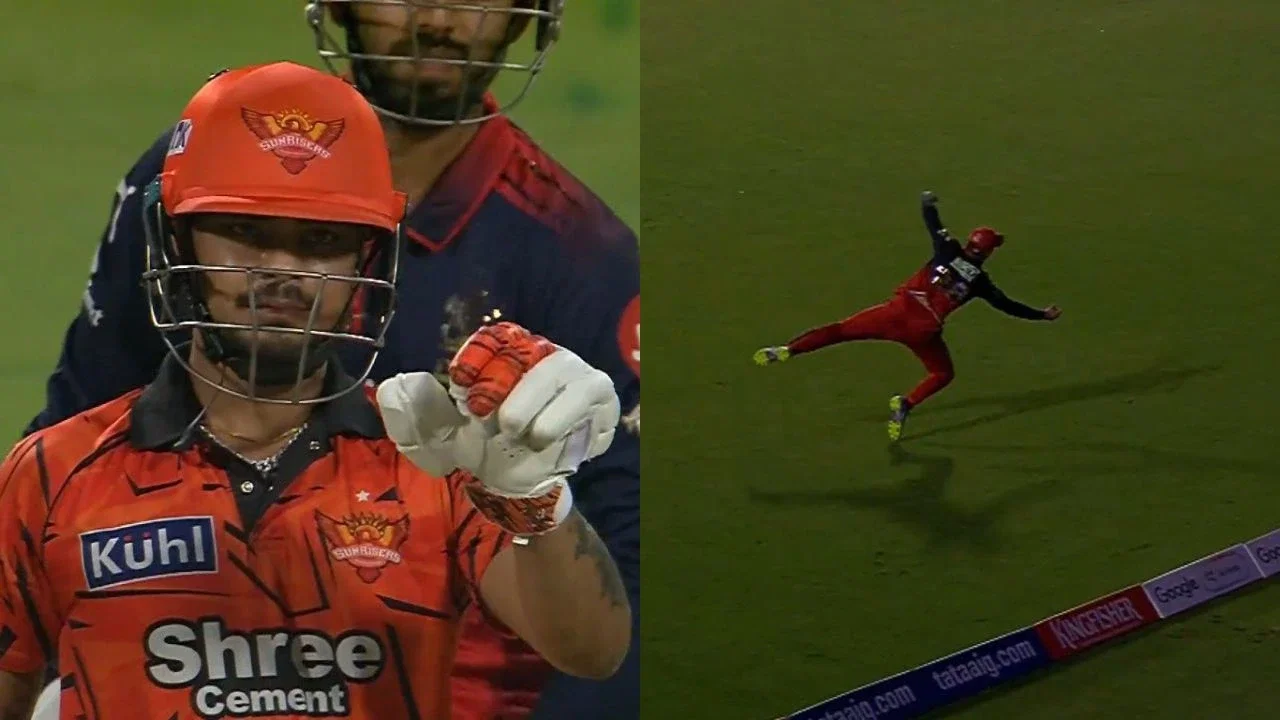
Phil Salt grabs one of the greatest catches in IPL history to dismiss Ishan Kishan
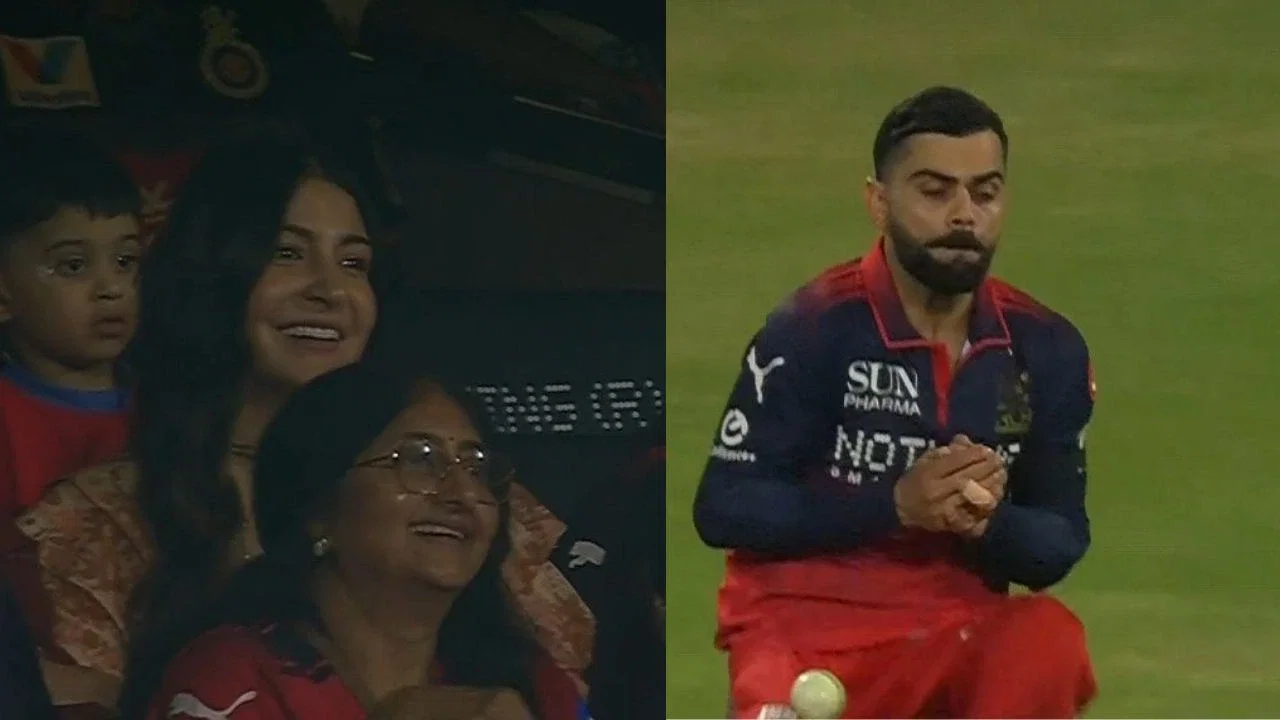
Anushka Sharma laughs as Virat Kohli drops a sitter in RCB vs SRH clash (Watch Video)
Anushka Sharma laughs as Virat Kohli drops a sitter in RCB vs SRH clash (Watch Video)
Anushka Sharma laughs as Virat Kohli drops a sitter in RCB vs SRH clash (Watch Video)
Anushka Sharma laughs as Virat Kohli drops a sitter in RCB vs SRH clash (Watch Video)
Anushka Sharma laughs as Virat Kohli drops a sitter in RCB vs SRH clash (Watch Video)