PCB chief Mohsin Naqvi speaks for the 1st time after Boycott Humiliation; spews venom against India
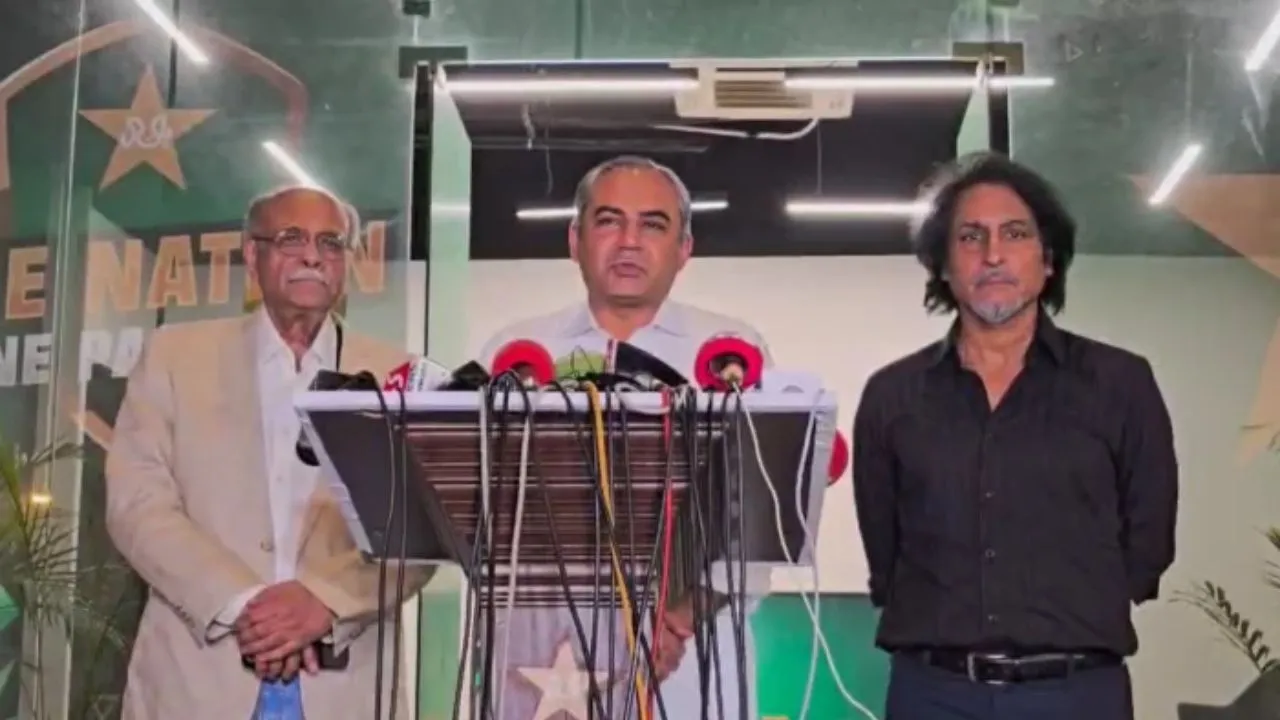
Pakistan Cricket Board Confirms ICC Match Referee Apologized for Handshake Controversy
The Pakistan Cricket Board (PCB) Chairman Mohsin Naqvi recently announced that ICC match referee Andy Pycroft has issued an apology for the handshake controversy that occurred during the Asia Cup clash against India. Naqvi emphasized that the country’s honor has been upheld, shifting the focus towards the team’s performance on the field.
Threatened Withdrawal from Asia Cup 2025
Pakistan had initially threatened to withdraw from the Asia Cup 2025 unless the ICC removed Andy Pycroft as the match referee following the no-handshake incident during the match against India. Despite the controversy, the PCB decided to proceed with the match against the UAE but not without some delays and last-minute consultations.
Notably, the match between Pakistan and the UAE was pushed back by an hour as Mohsin Naqvi engaged in discussions with former board chiefs Ramiz Raja and Najam Sethi. The possibility of boycotting the game was considered, which could have jeopardized Pakistan’s campaign in the tournament. However, the ICC chose to retain Pycroft as the match referee, leading to his officiation of the Pakistan-UAE match.
Mohsin Naqvi Affirms Honor Preservation
At a press briefing held at Gaddafi Stadium, Mohsin Naqvi confirmed that Andy Pycroft had apologized for the handshake controversy. Naqvi also mentioned that the PCB has formally requested the ICC to investigate the incidents from the match against India.
“A short while ago, the match referee apologized to the captain and team manager. We have also formally requested the International Cricket Council (ICC) to investigate the violations that occurred in the September 14 match,” Naqvi stated. He further added, “Thank God, Pakistan’s honor has been preserved, and now we expect the team to perform at their best.”
ICC Agrees to Investigate
PCB officials have confirmed that the ICC has agreed to conduct a formal investigation into the handshake controversy. The board revealed that Andy Pycroft had apologized to Pakistan’s captain and team manager for the incident that sparked the controversy.
“The ICC’s match referee, Andy Pycroft, has apologized to the manager and captain of the Pakistan team. He had earlier barred the handshakes, which sparked controversy. The ICC has now agreed to look into this incident,” the board stated.
Pakistan Secures Victory Against UAE
In a match against the UAE in Dubai, Pakistan emerged victorious with a 41-run win. Fakhar Zaman’s 50 off 36 balls and Shaheen Shah Afridi’s unbeaten 29 off 14 balls contributed to Pakistan’s total of 146 for 9. The UAE struggled against Pakistan’s bowling attack, with Abrar Ahmed, Shaheen Afridi, and Haris Rauf picking up crucial wickets to restrict the hosts to 105 all out in 17.4 overs.
Impact of the Handshake Controversy
The handshake controversy between Pakistan and India during the Asia Cup clash not only caused a stir in the cricketing community but also highlighted the importance of sportsmanship and diplomacy in the game. The incident shed light on the tensions and rivalries that exist between these two cricketing nations, adding another layer of complexity to their already intense rivalry.
Furthermore, the controversy brought attention to the role of match officials in maintaining fairness and impartiality during games. The decision to bar handshakes before the match sparked debates on cultural differences, respect, and sports etiquette in international cricket.
Reflections on Sportsmanship and Diplomacy
As cricket continues to be a platform for diplomacy and cultural exchange, incidents like the handshake controversy serve as reminders of the broader implications of sports beyond the field. The role of sportsmanship, respect, and diplomacy in fostering positive relationships between nations cannot be understated.
Moving forward, cricketing bodies like the ICC and boards like the PCB must work towards promoting a spirit of sportsmanship and mutual respect among players, officials, and fans. The handshake controversy serves as a learning opportunity for all stakeholders to prioritize values of fair play and goodwill in the game.
Continued Focus on Performance
While the handshake controversy briefly overshadowed Pakistan’s performance on the field, the team’s victory against the UAE demonstrated their resilience and focus amidst external distractions. The players’ ability to maintain their composure and deliver a strong performance underscores their professionalism and commitment to the game.
As Pakistan progresses in the tournament, the team’s dedication to their craft and their ability to overcome challenges will be crucial in achieving success on the international stage. The PCB’s decision to prioritize the team’s performance over external controversies reflects a strategic approach to maintaining focus and achieving their goals.
Looking Ahead
As the investigation into the handshake controversy unfolds, the cricketing world will be watching closely to see how the ICC addresses the issue and implements any necessary changes to prevent similar incidents in the future. The outcome of the investigation will likely have implications for match officiating protocols and sportsmanship guidelines in international cricket.
Ultimately, the handshake controversy serves as a catalyst for meaningful discussions on sportsmanship, diplomacy, and ethical conduct in cricket. It provides an opportunity for introspection and improvement within the cricketing community, paving the way for a more respectful and harmonious environment on and off the field.
By delving deeper into the implications of the handshake controversy, the significance of sportsmanship and diplomacy in cricket, and the team’s continued focus on performance, this expanded content offers a comprehensive analysis of the broader context surrounding the incident and its impact on the game.
Latest News
Shubman Gill out? Virat Kohli’s Test comeback as captain suggested by CSK legend
Jason Gillespie gives major update on Glenn Maxwell’s availability for PSL 2026
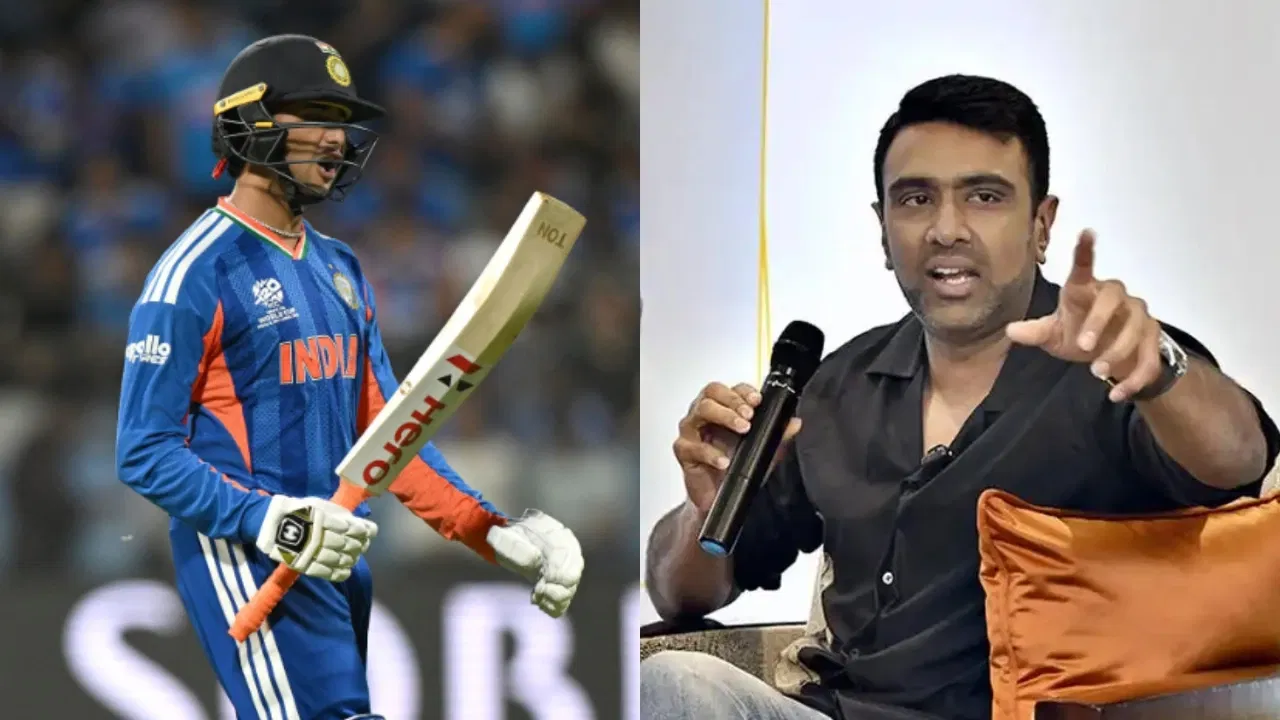
‘I’m a big fan but…’: Ravichandran Ashwin criticises Abhishek Sharma after failure vs RCB.
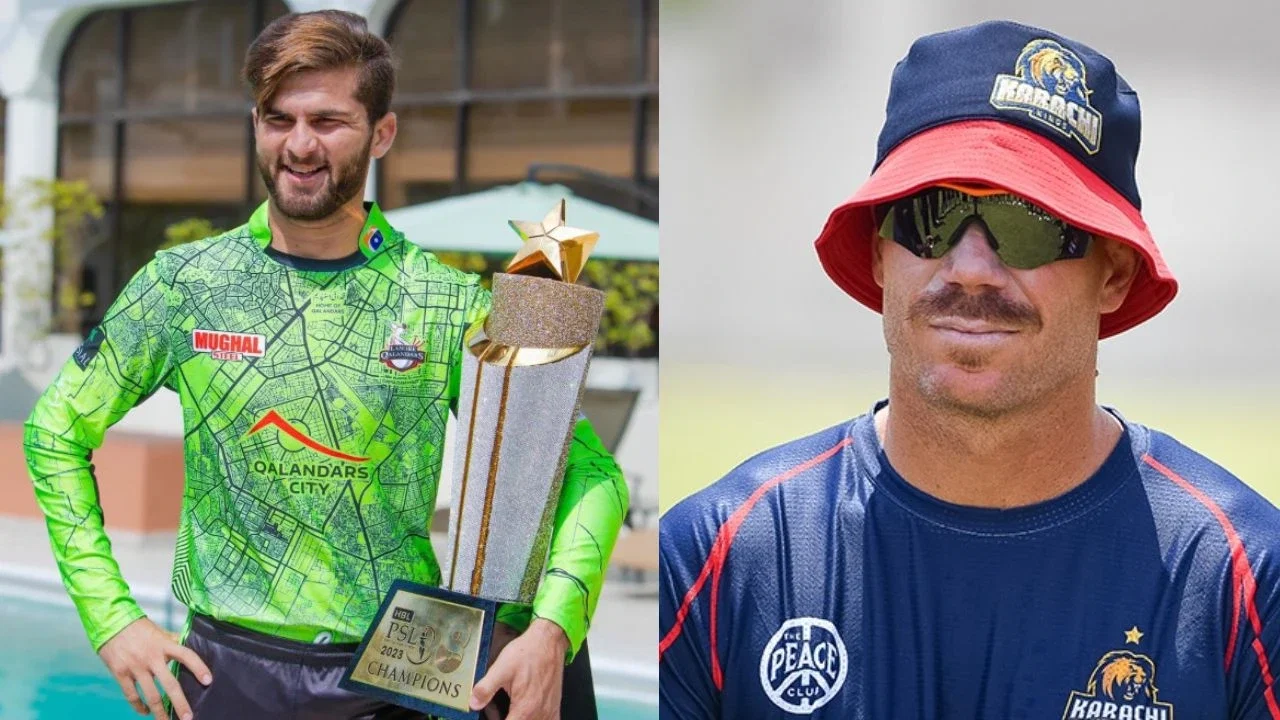
LHQ vs KRK Match Prediction, Pitch & Weather Report, Playing XIs, Head-to-Head, Free Live Streaming – PSL 2026 Match 6
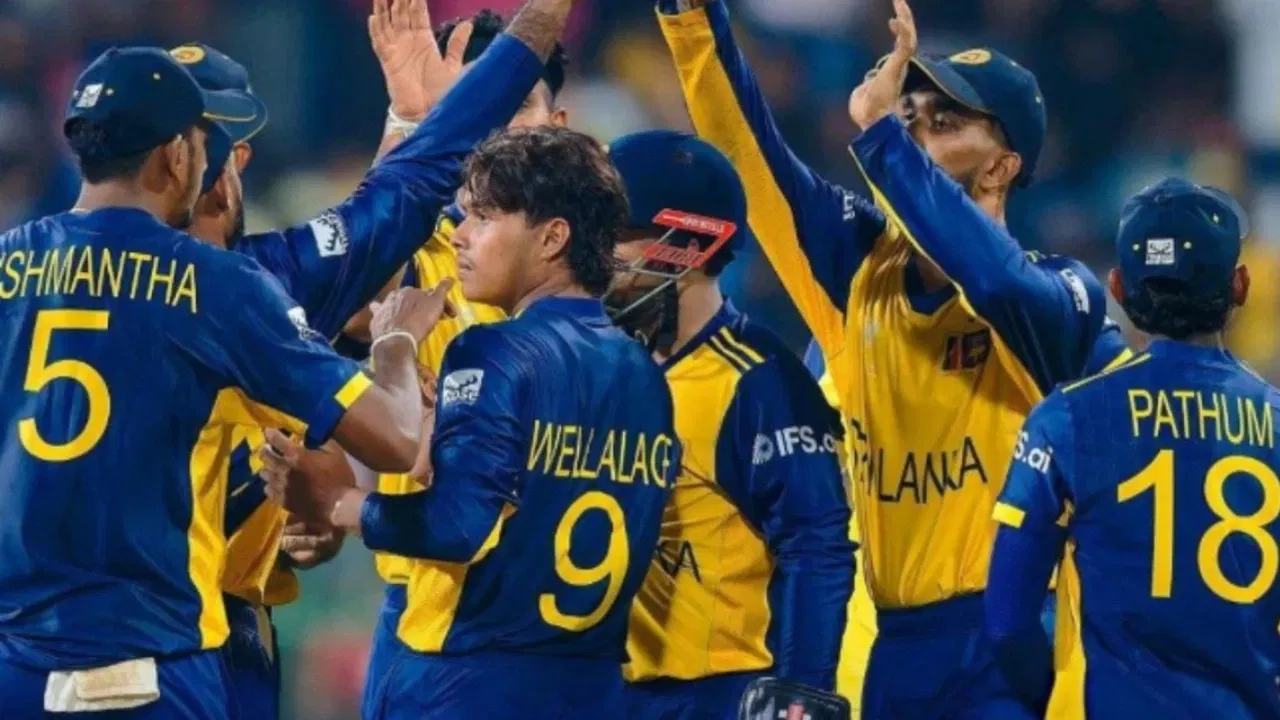
IPL teams on alert!: Sri Lanka fitness crisis sees almost 50% players fail tests
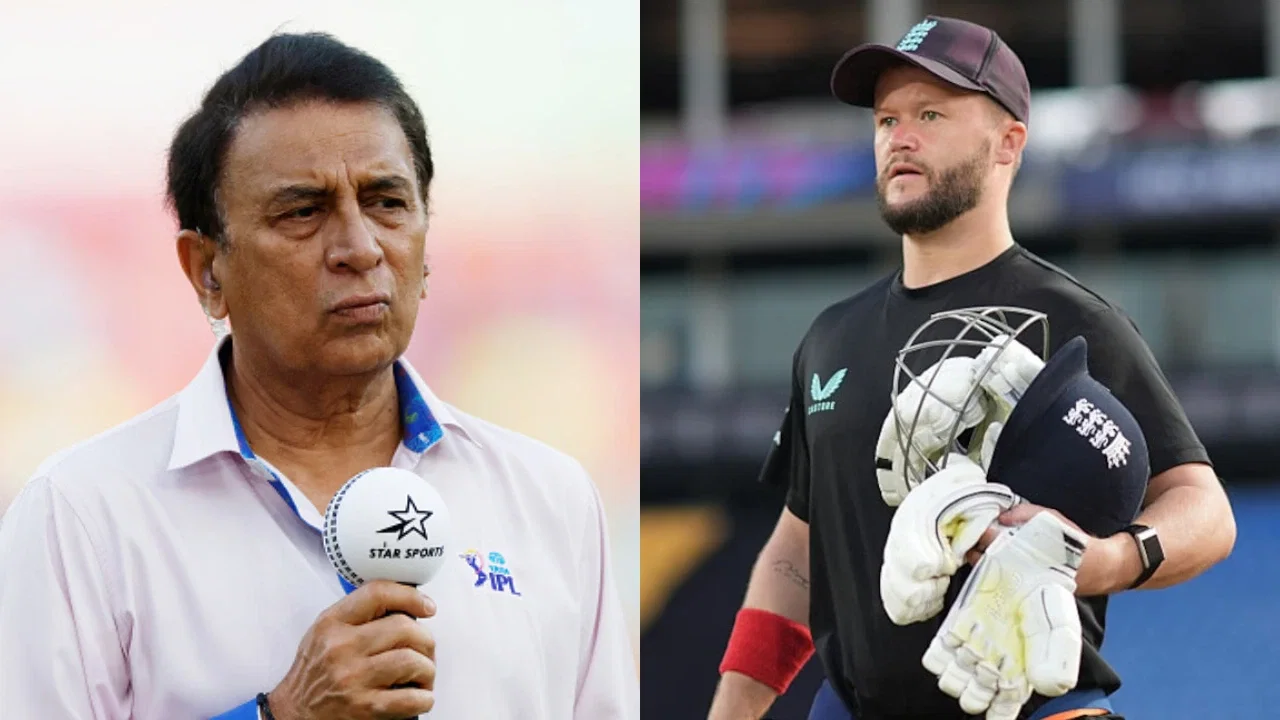
Ben Duckett in trouble? Sunil Gavaskar pushes BCCI for tougher punishment
MS Dhoni faking injury? Michael Vaughan suspects ‘strategic manoeuvre’ in CSK camp for IPL 2026
KKR coach criticises Impact Player rule, provides huge Matheesha Pathirana update
Sam Curran reveals private chat with Brendon McCullum after England axing
Ravichandran Ashwin brutally teased by Virender Sehwag on IPL 2026 debut
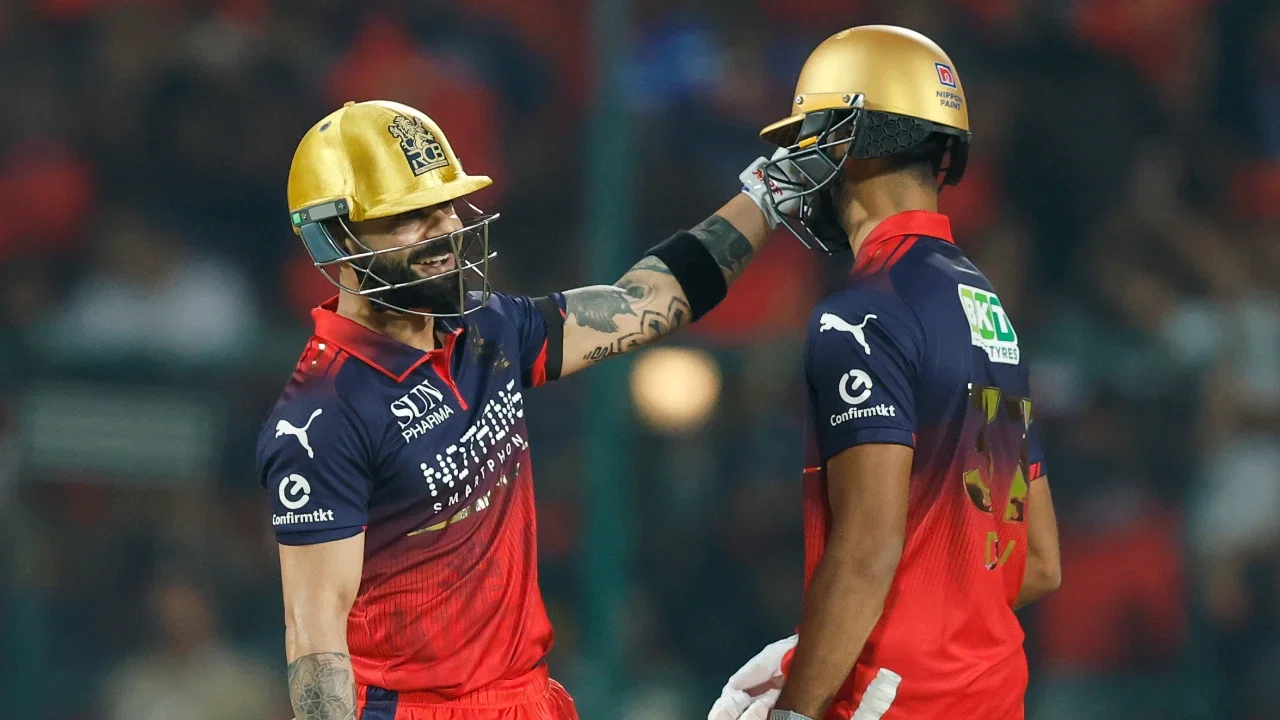
Virat Kohli’s ego under spotlight! Ex-KKR star makes bold claim after heroics vs SRH
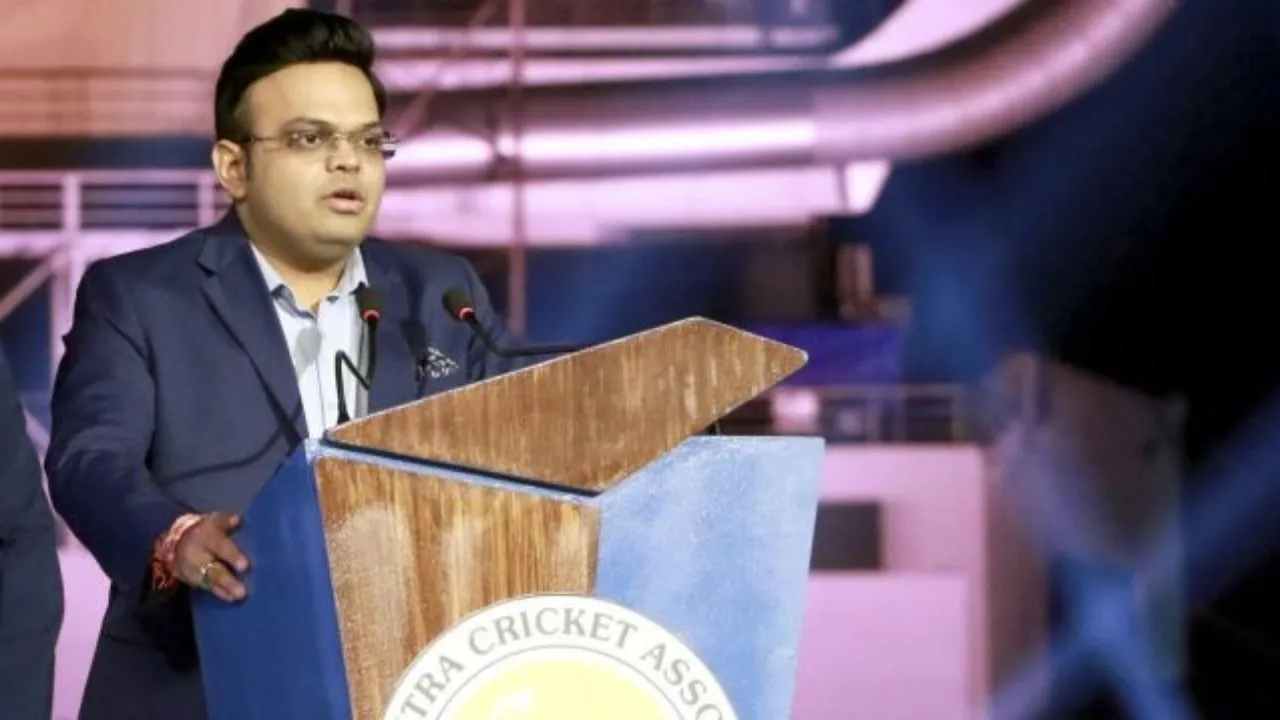
Jay Shah rises to No. 22 among most powerful people in India in 2026; Virat Kohli, Gautam Gambhir included
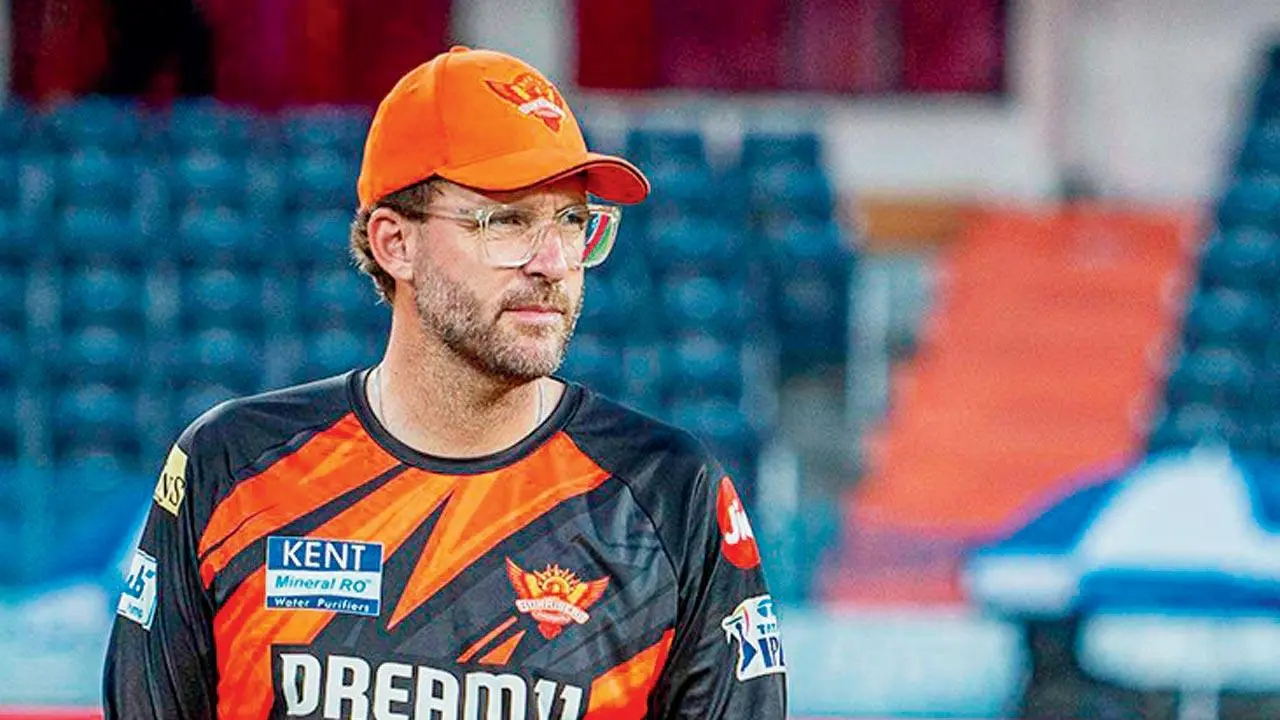
SRH suffer huge blow! Daniel Vettori confirms another overseas pacer injured amid crisis
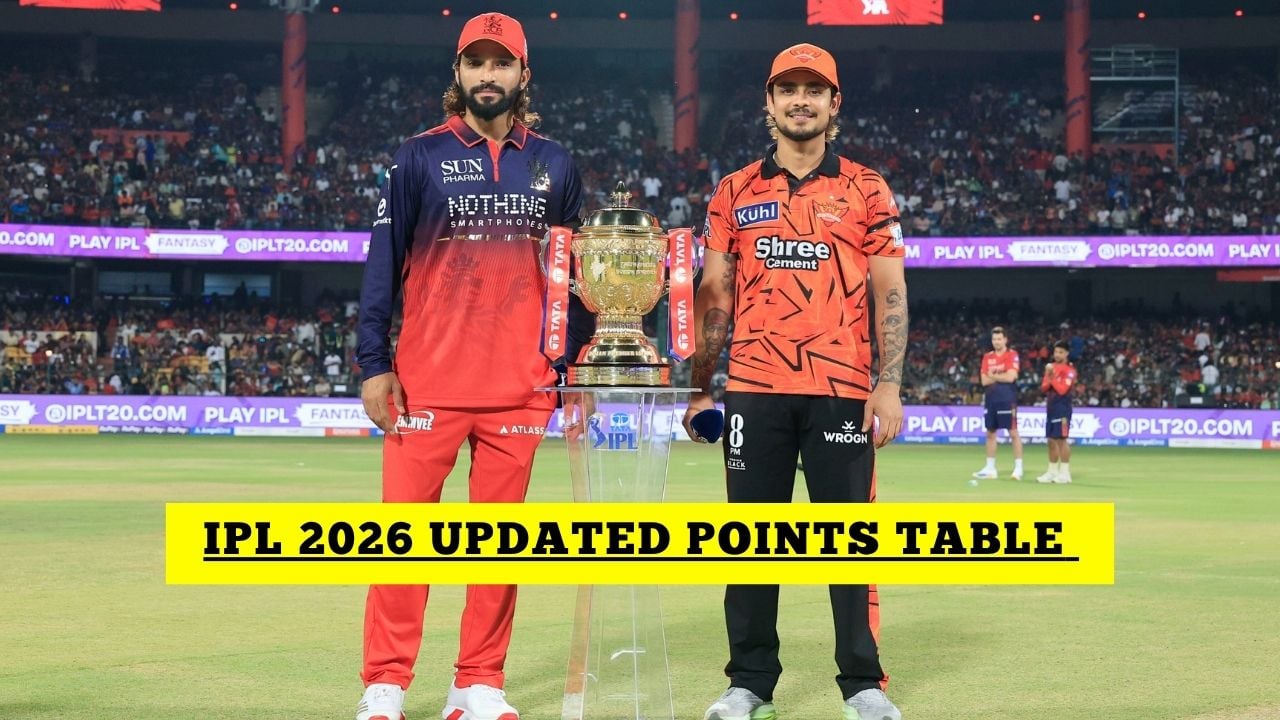
IPL Points Table 2026: Updated Standings, Orange Cap, Purple Cap After RCB vs SRH Match 1