PCB cracks whip after Pakistan miss semi-finals spot in 2026 T20 World Cup
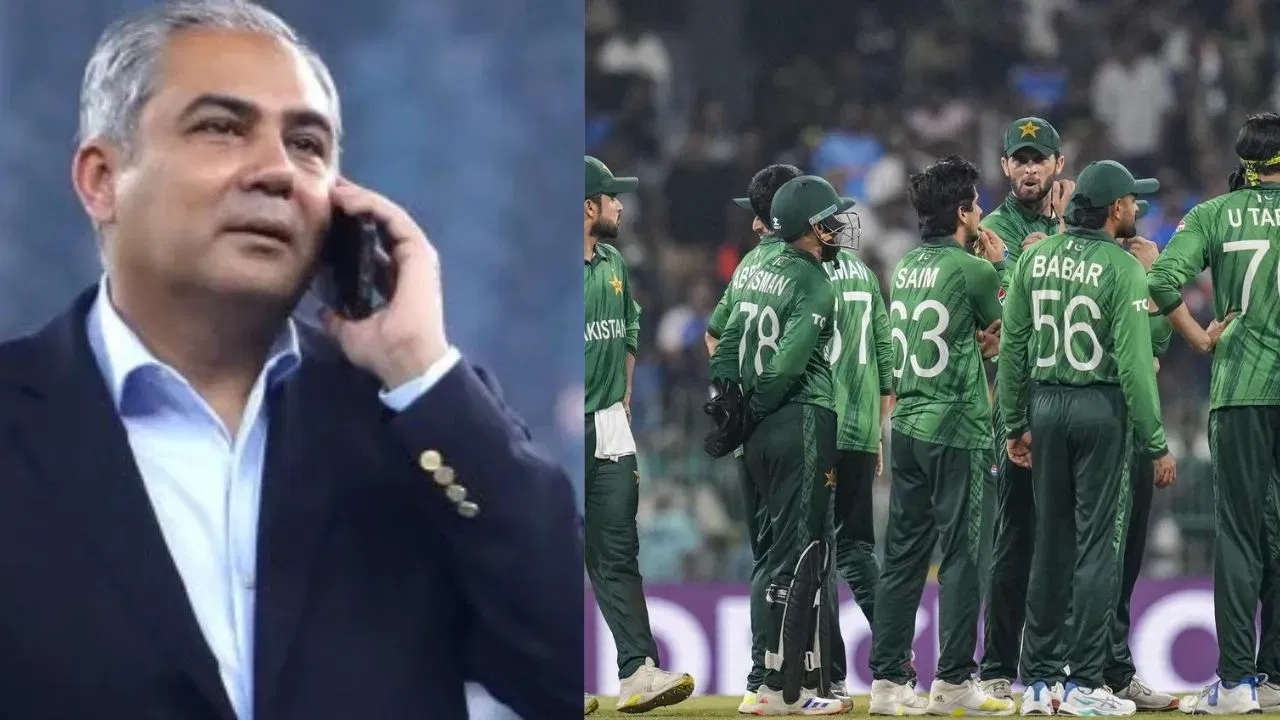
Pakistan Cricket Board Imposes Heavy Fines on T20 World Cup 2026 Squad
The Pakistan Cricket Board (PCB) has taken a bold step by imposing significant fines on all players who were part of the T20 World Cup 2026 squad. Reports indicate that each squad member has been fined PKR 5 million (approximately US$ 18,000) following their disappointing performance in the tournament, which saw them miss out on the semi-finals. This decision, which came to light on Monday evening, has sent shockwaves across the cricketing world.
Disappointing Campaign Leads to Penalties
The team, led by Salman Ali Agha, faced an early exit from the tournament during the Super 8 stage despite managing a crucial win against Sri Lanka. With England and New Zealand securing their spots in the semi-finals from Group 2, Pakistan’s underwhelming campaign raised concerns within the PCB.
Even before their crucial match against Sri Lanka, reports surfaced indicating that PCB Chairman Mohsin Naqvi was dissatisfied with the team’s performance. Speculations arose that significant changes were on the horizon to steer the team back on track. However, the decision to fine all squad members caught many by surprise, hinting at a possible shakeup within the team’s leadership.
Potential Leadership Changes and Player Consequences
As rumors swirl about captain Salman Ali Agha potentially losing his position, discussions are underway regarding his replacement. Names like Shaheen Afridi and Shadab Khan have emerged as possible contenders for the captaincy role. In addition to leadership changes, it is speculated that certain players, including Babar Azam, may face consequences for the team’s lackluster performance.
PCB is expected to remove Agha from the captaincy position, paving the way for a new leader to guide Pakistan’s T20I squad. Chairman Naqvi is set to engage in discussions with head coach Mike Hesson to address the team’s shortcomings and plan for a brighter future.
Player Acknowledgement of Performance Issues
Following the team’s exit from the tournament, Captain Agha openly admitted that Pakistan did not live up to its full potential. He highlighted the lack of support from the middle order for the top order batsmen. While Sahibzada Farhan and Fakhar Zaman showed flashes of brilliance, inconsistent team selections hampered their progress.
In their final Super 8 match against Sri Lanka, Pakistan managed to secure a solid total of 212 runs but fell short of the required margin for a comfortable victory. Despite winning the match, the bowling unit failed to restrict Sri Lanka to the necessary total, underscoring the team’s overall struggles throughout the tournament.
The PCB’s decisive action against the T20 World Cup squad reflects a commitment to accountability and a drive for excellence within Pakistan cricket. As the team navigates through a period of introspection and change, fans await eagerly to see the new direction that the national team will take in the upcoming cricketing events.
The Impact of Fines on Player Morale and Performance
Imposing heavy fines on the T20 World Cup 2026 squad is a bold move by the PCB, aimed at holding players accountable for their performance. While fines can serve as a deterrent for underperformance, they can also have unintended consequences on player morale and motivation. It is essential for the PCB to strike a balance between punishment and support to ensure that players are motivated to bounce back from setbacks.
Some critics argue that fines may not be the most effective method to address performance issues within the team. Instead, focusing on constructive feedback, training, and mentorship could yield better results in the long run. By providing players with the necessary resources and support, the PCB can foster a culture of continuous improvement and resilience in the face of challenges.
Challenges in Team Selection and Strategy
One of the key issues highlighted during Pakistan’s T20 World Cup campaign was the inconsistency in team selection and strategy. While individual players showed promise at times, the lack of a cohesive team approach hindered Pakistan’s overall performance. Moving forward, it will be crucial for the PCB to work closely with the coaching staff to develop a clear strategy and selection criteria that align with the team’s strengths.
Furthermore, addressing the issues in the middle order will be pivotal for Pakistan to build a balanced and competitive team. Finding players who can provide stability and support to the top order batsmen will be a priority for the new leadership. Developing a strong bench strength and nurturing young talent will also be essential for Pakistan to remain competitive in future tournaments.
Looking Towards the Future
As Pakistan cricket undergoes a period of reflection and change, there is optimism for a renewed focus on excellence and success. The decision to potentially change leadership and implement fines signals a commitment to driving positive transformation within the team. Fans and stakeholders are eager to see how these changes will impact Pakistan’s performance in future tournaments.
With a rich cricketing legacy and a passionate fan base, Pakistan has the potential to bounce back from setbacks and emerge stronger than ever. By learning from past mistakes, addressing key areas of improvement, and fostering a culture of accountability and teamwork, Pakistan cricket can set itself on a path towards sustained success on the international stage.
In conclusion, while the fines imposed on the T20 World Cup 2026 squad may have sparked controversy, they also present an opportunity for growth and evolution within Pakistan cricket. By leveraging this moment as a catalyst for change and improvement, Pakistan has the potential to redefine its cricketing trajectory and inspire a new generation of players and fans.
Latest News
Sanju Samson achieves rare milestone after 97 not out against West Indies
PCB cracks whip after Pakistan miss semi-finals spot in 2026 T20 World Cup
No Suryakumar Yadav at 2028 T20 WC! Michael Vaughan drops brutal verdict on team India captain’s future
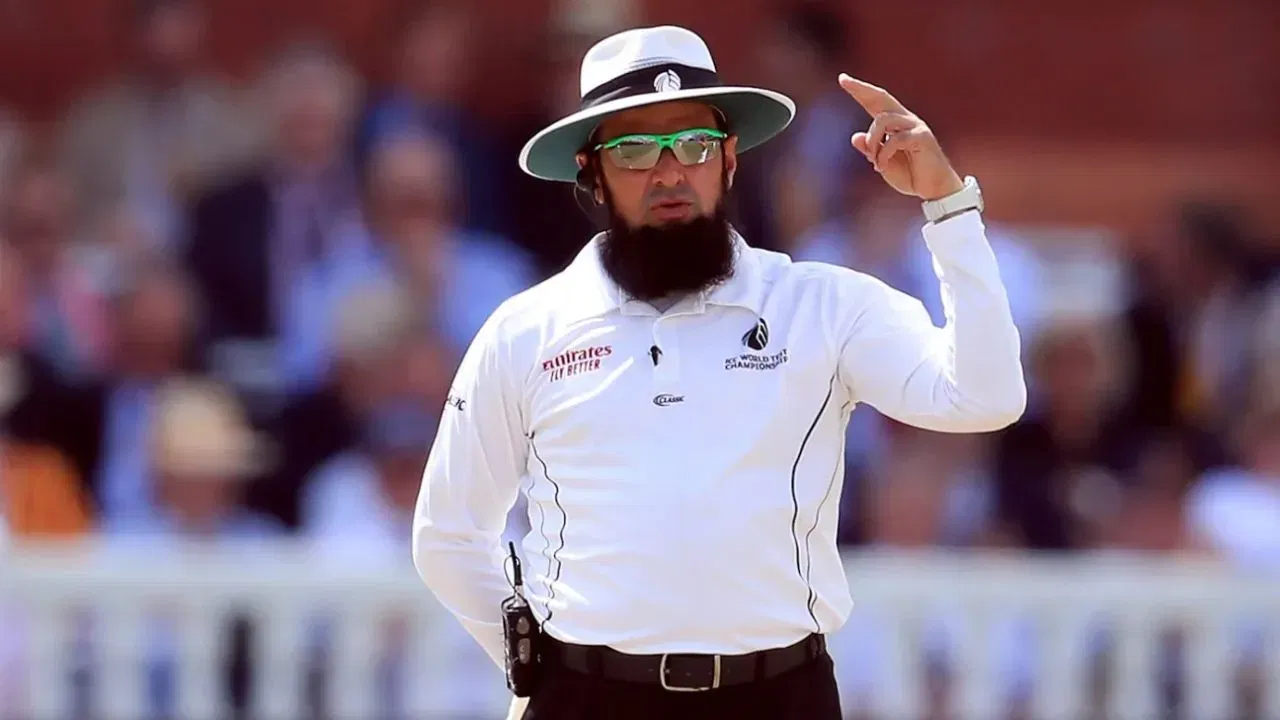
Mohsin Naqvi remove Aleem Dar from PCB’s selector post T20 WC Disaster
Not Ravindra Jadeja! Krunal Pandya combines South Africa legend and New Zealand star as ultimate fielder
KKR superstar overtakes Nicholas Pooran, scripts historic West Indies milestone
Sunil Gavaskar reminds the world of Sanju Samson’s ‘ups and downs’ after heroics vs West Indies

Shahid Afridi launches brutal attack on son-in-law Shaheen Afridi after repeated failures

Faf du Plessis, Anil Kumble credit India’s off-spin crisis for Sanju Samson’s rise
Ex-India batter puts Sanju Samson and Virat Kohli in the same bracket after match-winning knock
Murali Kartik questions Abhishek Sharma’s attitude after another low score vs WI
Sanju Samson’s blazing knock draws Rohit Sharma comparison from ex-Pakistan Skipper

Anil Kumble tears West Indies apart after their negative mindset against India
Ex-India opener brands Shai Hope ‘a waste’ after defeat to India