PCB denies Jason Gillespie’s unpaid dues allegations, says Aussie twisting facts
The Pakistan Cricket Board Denies Jason Gillespie’s Unpaid Dues Claim
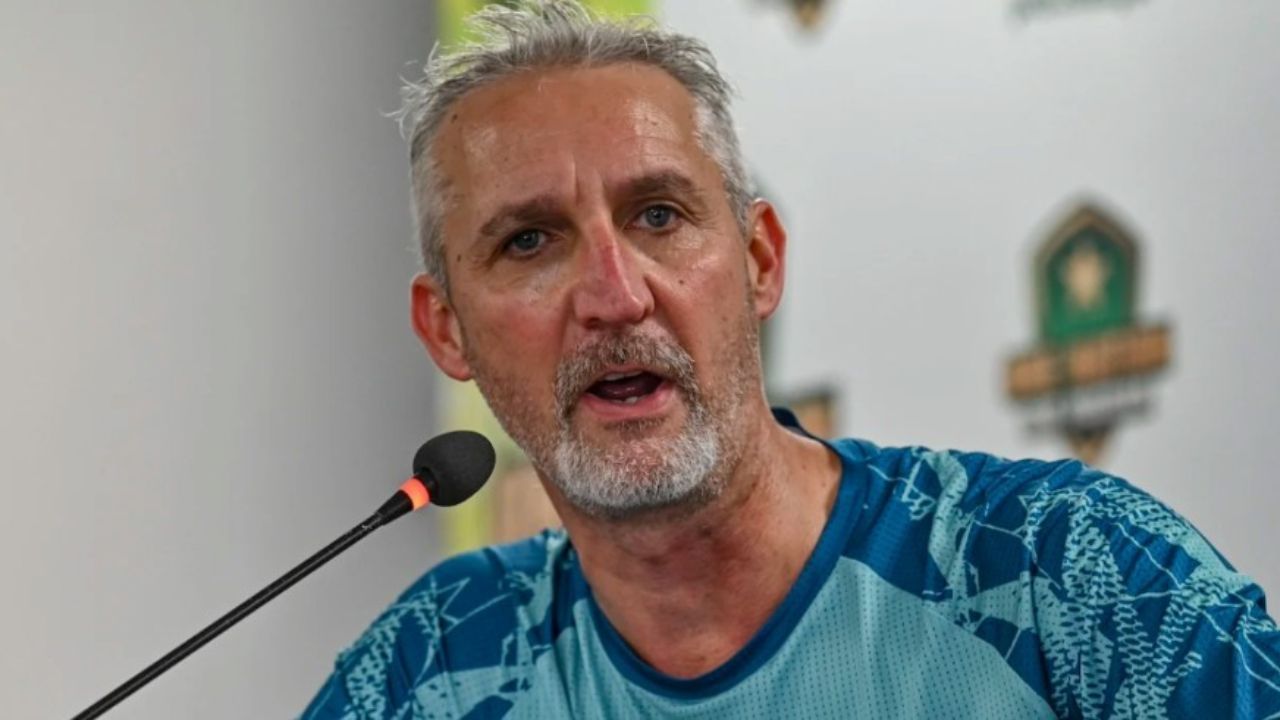
The Pakistan Cricket Board (PCB) has responded strongly to former Test head coach Jason Gillespie’s recent claims of unpaid dues, labeling them as false and misleading. Gillespie, a former Australian cricketer, alleged that he was owed money by the PCB, but the board has refuted these claims.
According to the PCB, Gillespie resigned from his position abruptly, without giving any prior notice. As a result of his sudden departure, the PCB had to bring Aaqib Javed on board for the South Africa tour. The board asserts that under the terms of his agreement, Gillespie was required to provide proper notice if he wished to step down as the head coach of the Pakistan Test team.
The PCB spokesperson stated, “If PCB had terminated Jason Gillespie’s services, we would have been liable to pay him four months’ salary. But since he chose to resign, he was obligated to give advance notice and pay the board four months’ salary.” The spokesperson emphasized that Gillespie himself owes the PCB, rather than the other way around.
Dispute Over Unpaid Dues
Recently, Gillespie’s agent reportedly approached the PCB regarding pending payments. However, the board clarified that it is Gillespie who owes them money, not the other way around. Despite Gillespie expressing disappointment over the issue, the PCB remains firm in its stance that he must fulfill his financial obligations.
Rashid Latif to Expose 90s Match-Fixing Scandals
In another development, former cricketer Rashid Latif has announced his plans to reveal the full extent of match-fixing scandals that plagued Pakistan and world cricket in the 1990s. Latif, who retired in 2004, is set to publish an autobiography detailing the dark chapter of cricket history.
Latif has promised to disclose unknown details and shocking truths in his book, which he claims will surprise readers. He stated, “I can assure you I will reveal everything as it happened, and the book will open everyone’s eyes.”
Justice Qayyum Inquiry and Match-Fixing Bans
Latif’s revelations are expected to shed light on the Justice Qayyum inquiry in 2000-01, which banned several players for their involvement in match-fixing. Salim Malik was banned for life, while Wasim Akram, Waqar Younis, and Mushtaq Ahmed received fines for non-cooperation. Ata-ur-Rehman was also banned for providing false information.
Despite these sanctions, match-fixing scandals persisted in Pakistan cricket, with players like Danish Kaneria, Salman Butt, and Mohammad Amir facing bans for spot-fixing in later years.
Overall, the PCB’s denial of Jason Gillespie’s unpaid dues claim and Rashid Latif’s upcoming autobiography promise to bring to light crucial aspects of cricket history that continue to shape the sport today.
Exploring the Impact of Match-Fixing Scandals on Cricket
Match-fixing scandals have long plagued the world of cricket, tarnishing the reputation of the sport and leading to significant consequences for players, teams, and governing bodies. The revelations expected to be made by Rashid Latif in his upcoming autobiography shine a spotlight on a dark chapter in cricket history that continues to have reverberations to this day.
The Justice Qayyum inquiry in the early 2000s revealed the extent of corruption and match-fixing in Pakistani cricket, resulting in severe sanctions for several high-profile players. This inquiry marked a pivotal moment in efforts to combat match-fixing and uphold the integrity of the game. However, despite these measures, incidents of spot-fixing and cheating have persisted, underscoring the ongoing challenges faced by cricket authorities in maintaining fair play.
Lessons Learned and the Path Forward
As the cricketing world grapples with the fallout from past scandals and works towards a cleaner, more transparent sport, it is crucial to learn from history and implement stringent measures to prevent corruption. The efforts of individuals like Rashid Latif, who are willing to expose the truth and hold accountable those responsible for tarnishing the game, play a vital role in fostering a culture of integrity and honesty in cricket.
Moving forward, it is imperative for cricket boards, players, coaches, and officials to prioritize ethics, transparency, and accountability in all aspects of the game. By promoting a zero-tolerance policy towards match-fixing and corruption, cricket can regain the trust of fans and stakeholders and uphold its status as a beloved global sport.
Looking Ahead: Predictions for the Future of Cricket
Amidst discussions of unpaid dues, match-fixing scandals, and revelations from the past, the future of cricket remains ever-evolving. As the sport continues to grow in popularity and reach new audiences, it faces challenges and opportunities that will shape its trajectory in the years to come.
One key aspect to watch is the evolution of technology in cricket, including the use of data analytics, video technology, and artificial intelligence to enhance player performance, officiating, and fan engagement. The increasing globalization of the sport, with leagues and tournaments expanding across borders, also presents exciting possibilities for collaboration, competition, and cultural exchange.
Ultimately, as cricket adapts to the demands of the modern world and navigates the complexities of its history, the passion and spirit of the game endure. By embracing innovation, upholding values of fairness and sportsmanship, and learning from past mistakes, cricket can continue to captivate audiences worldwide and inspire generations of players and fans.
In conclusion, the denial of Jason Gillespie’s unpaid dues claim by the PCB, alongside the forthcoming revelations from Rashid Latif and ongoing efforts to combat match-fixing, all contribute to a narrative of growth, accountability, and resilience in the world of cricket. As the sport looks towards the future with optimism and a commitment to integrity, the possibilities for its continued success and impact are boundless.
Latest News
Gujarat Titans IPL 2026 Full Schedule: GT Fixtures, Dates, Timings and Venues | Squad and Coaches
Naseem Shah humiliates Pakistan government with ‘Queen jibe’, massive punishment loading
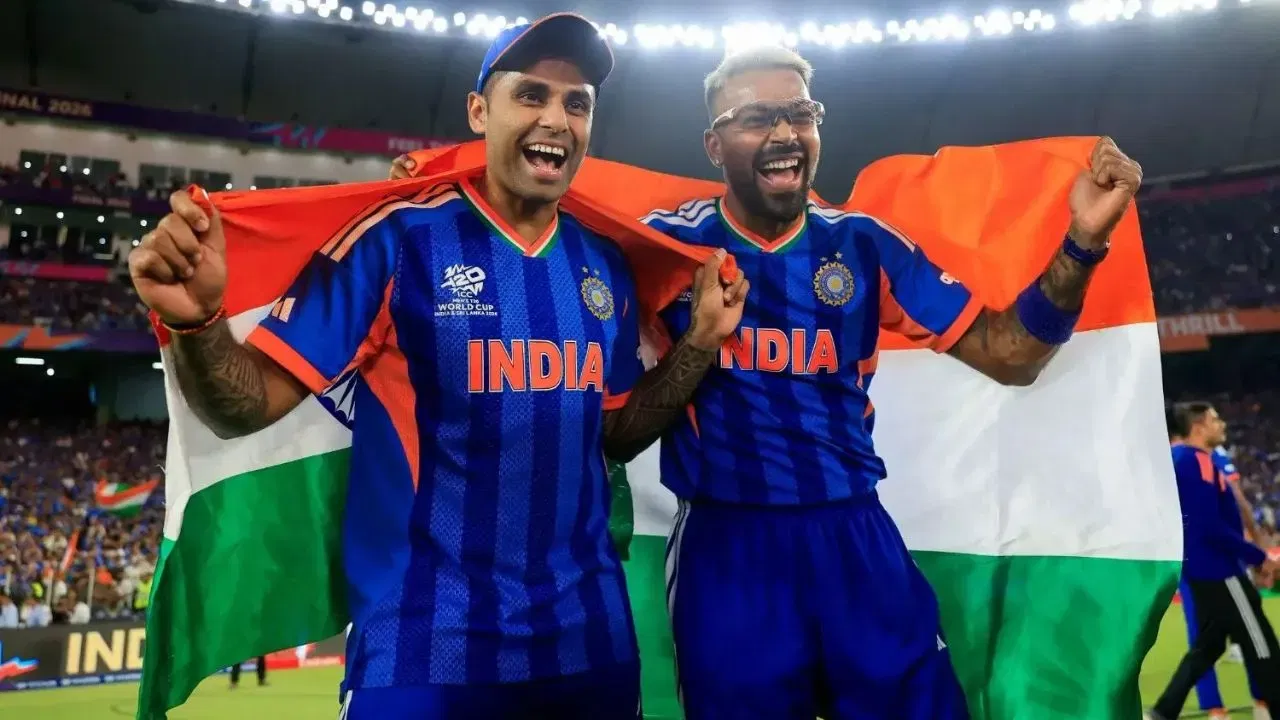
Hardik Pandya fulfills promise, gifts ₹10 lakh to Wankhede groundstaff in beautiful gesture
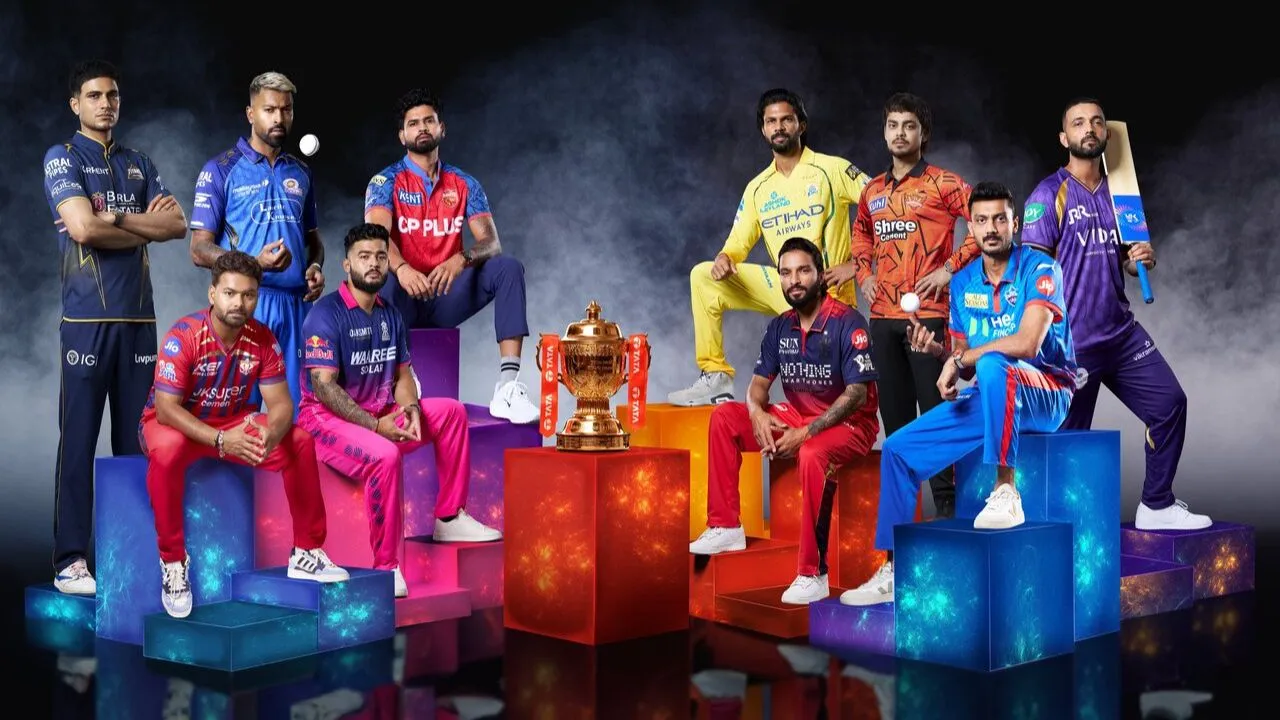
IPL 2026 top four teams predicted by Faf du Plessis, Harbhajan Singh, and other experts
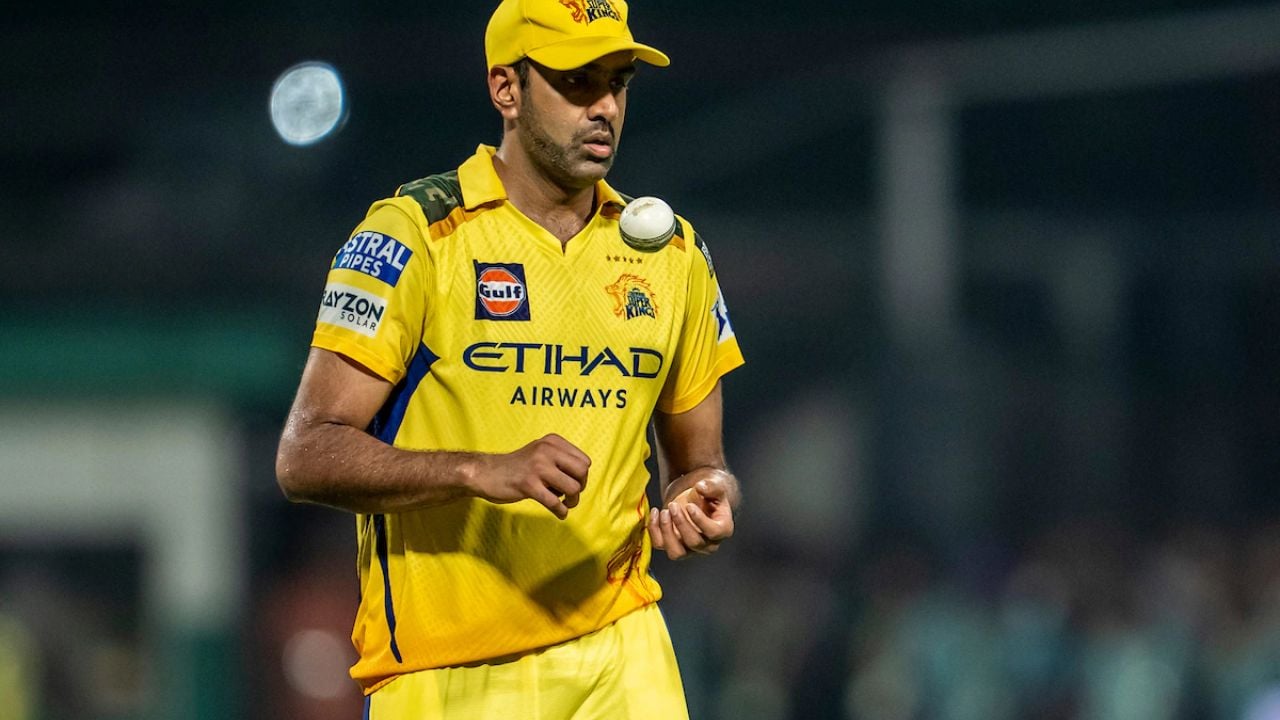
Ravichandran Ashwin joins IPL 2026 commentary panel, full list officially revealed
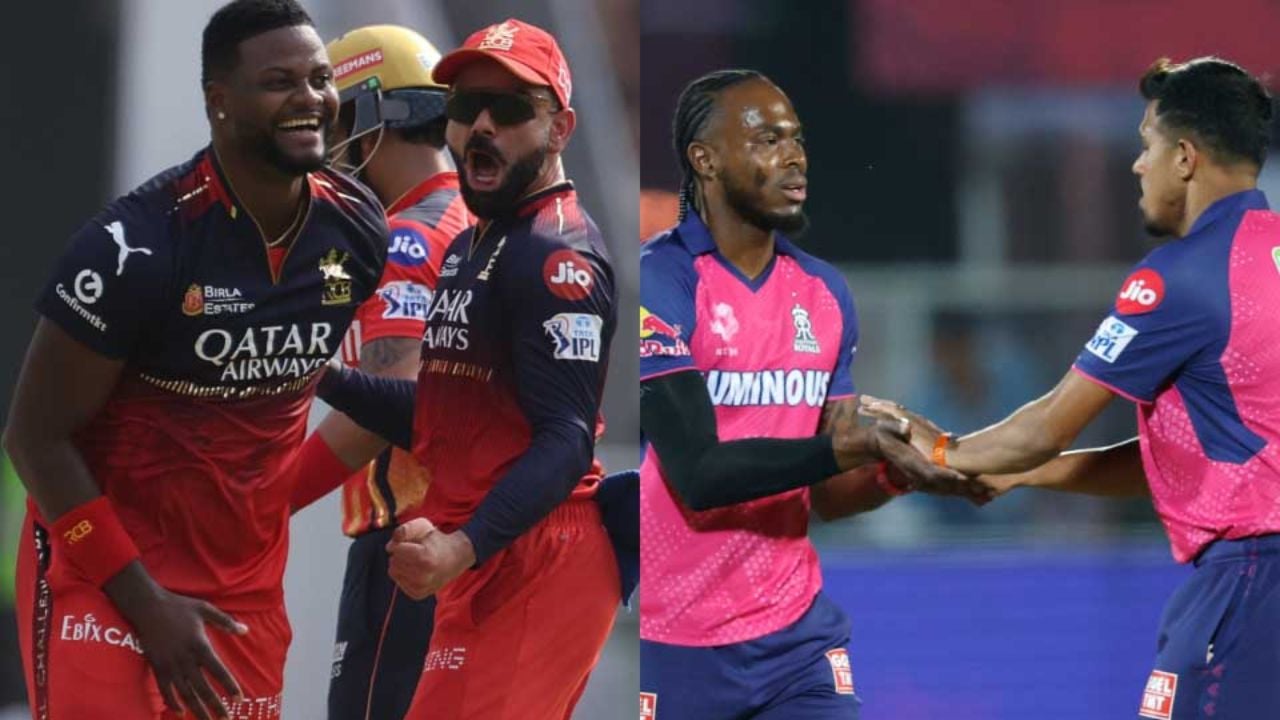
BCCI set to earn over ₹1,550 crore from Royal Challengers Bengaluru and Rajasthan Royals sales
“Tu to Allan Donald ban gaya hai” – Virat Kohli in awe of Venkatesh Iyer’s stunning delivery in RCB nets
IPL 2026 Purple Cap winner announced; KKR spinner picked as the frontrunner
Punjab Kings IPL 2026 Full Schedule: PBKS Fixtures, Dates, Timings and Venues | Squad and Coaches
QTG vs KRK Match Prediction, Pitch & Weather Report, Playing XIs, Head-to-Head, Free Live Streaming – PSL 2026 Match 2
Mumbai Indians IPL 2026 Full Schedule: MI Fixtures, Dates, Timings and Venues | Squad and Coaches
PSL introduces a game-changing rule to challenge IPL supremacy
Vaibhav Sooryavanshi’s India call-up door officially opened – youngster to play with Virat Kohli?
Watch: Nita Ambani fails to recognize Rohit Sharma, calls him a “young boy”