PCB fined Pakistan stars to fund Sahibzada Farhan reward? Bombshell dropped
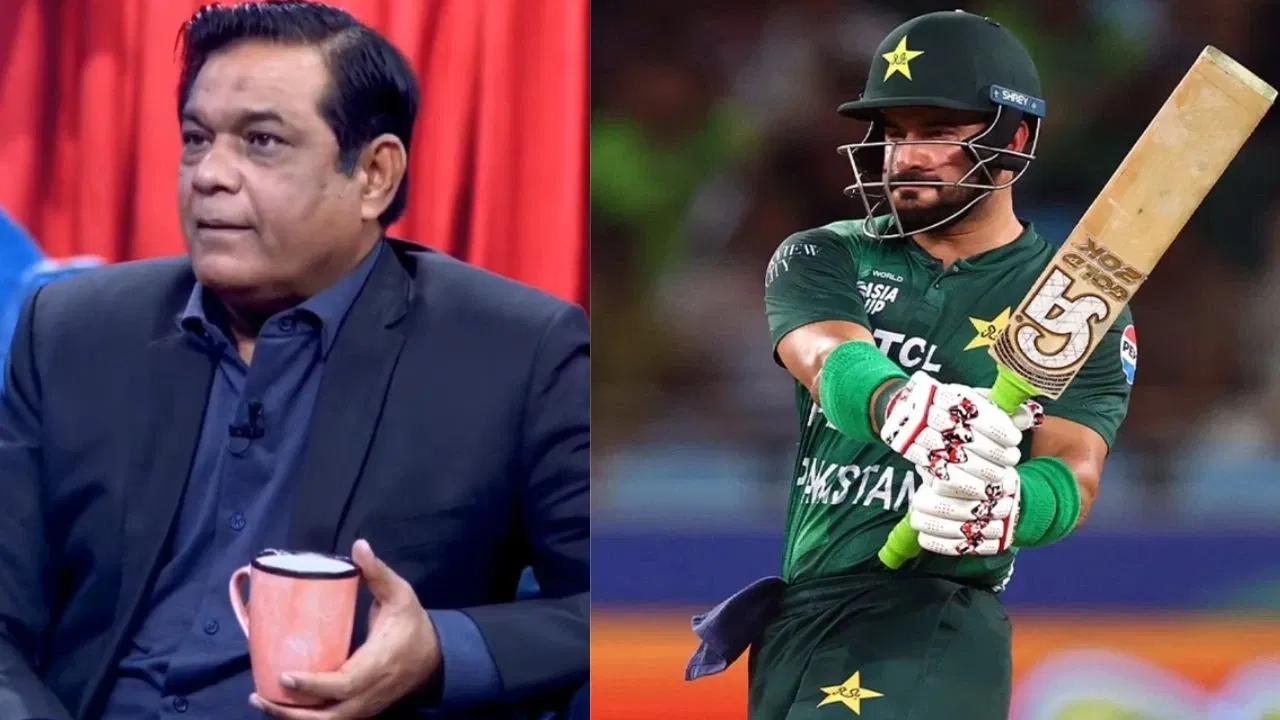
Former Captain Calls for Financial Penalties on Underperforming Players
Former Pakistan captain Rashid Latif has stirred up controversy by suggesting that the Pakistan Cricket Board (PCB) impose financial penalties on players who failed to perform in the recent ICC T20 World Cup 2026. He proposed that the money collected from these penalties be used to reward the high-scoring opener Sahibzada Farhan.
Pakistan’s Disappointing Performance in ICC T20 World Cup
Pakistan’s journey in the ICC T20 World Cup 2026 came to a disappointing end as they failed to qualify for the semi-finals. The team’s batting department, with the exception of a few players, struggled against tough opposition throughout the tournament. The PCB and head coach Mike Hesson faced criticism for their poor selections, and fans called for changes in leadership and player selection.
Rashid Latif took a dig at Pakistan’s batters, highlighting their lackluster performance in most of the games. He singled out Sahibzada Farhan as the standout performer who carried a struggling side almost single-handedly. The top order, including players like Saim Ayub, Salman Ali Agha, and Babar Azam, failed to deliver consistently, leading to calls for accountability.
PCB Imposes Financial Penalties on Players
In a surprising move, the PCB has decided to impose financial penalties on all players who were part of the squad that traveled to Sri Lanka for the ICC T20 World Cup. The fine, reportedly around PKR 50 lakh, was issued after Pakistan’s failure to reach the semi-finals for the fourth consecutive time in an ICC event over the past four years.
The PCB set a condition that the fine would be waived if the team managed to qualify for the semi-finals. Despite their efforts, Pakistan fell short, with their first Super-8 game being washed out, a loss to England, and an insufficient margin of victory in their final game.
Potential Changes in the Pakistan Squad
Pakistani cricket experts have been vocal about the need for changes in the national team following their recent performance. Calls for dropping underperforming players like Babar Azam, Shadab Khan, and Mohammad Nawaz have been growing louder. These players, who have been struggling to make an impact, might face the axe as the PCB considers reshaping the squad for future tournaments.
As the cricketing community awaits official announcements from the PCB regarding the penalties and potential squad changes, the aftermath of Pakistan’s disappointing ICC T20 World Cup campaign continues to unfold.
Analysis of Rashid Latif’s Proposal
Rashid Latif’s suggestion of imposing financial penalties on underperforming players has sparked a debate within the cricketing community. While some believe that such measures could motivate players to perform better, others argue that it may have a negative impact on the team’s morale and dynamics. The idea of penalizing players monetarily for poor performance raises questions about the effectiveness of such disciplinary actions in the long run.
It is essential to consider the psychological effects of imposing financial penalties on players. While it may serve as a deterrent for underperformance, it could also create a sense of fear and pressure among the players, affecting their confidence and overall performance. Moreover, the transparency and fairness of implementing such penalties need to be carefully monitored to ensure that they do not lead to resentment or discord within the team.
The Importance of Accountability in Sports
Accountability is a crucial aspect of any professional sport, and players must be held responsible for their performances on the field. However, the manner in which accountability is enforced can vary, and finding the right balance between motivation and punishment is key. Instead of solely focusing on punitive measures, it is equally important to provide support and guidance to players to help them overcome challenges and improve their skills.
Building a culture of accountability within the team involves fostering a sense of responsibility, communication, and teamwork. By encouraging open dialogue and constructive feedback, players can learn from their mistakes and work together towards achieving common goals. While penalties can be a part of this accountability framework, they should be implemented judiciously and in a manner that promotes growth and development.
Looking Ahead: The Future of Pakistan Cricket
As Pakistan reflects on their performance in the ICC T20 World Cup 2026, there is a growing realization that changes are needed to revitalize the national team. The calls for dropping underperforming players and reshaping the squad indicate a willingness to address existing weaknesses and build a more competitive team for future tournaments.
The PCB’s decision to impose financial penalties on players marks a significant step towards holding individuals accountable for their performances. However, the effectiveness of this strategy remains to be seen, and it will be crucial for the board to monitor its impact on player motivation and team dynamics. The upcoming decisions regarding squad changes will shape the future of Pakistan cricket and determine the direction the team takes in international competitions.
As fans and experts await updates from the PCB, the focus remains on how Pakistan will regroup, learn from their setbacks, and emerge stronger in the next chapter of their cricketing journey.
By delving into the nuances of accountability, team dynamics, and the future of Pakistan cricket, this expanded content provides a broader perspective on the challenges and opportunities facing the national team. It emphasizes the importance of a balanced approach to player performance and team development, highlighting the complexities involved in driving positive change within a competitive sporting environment.
Latest News
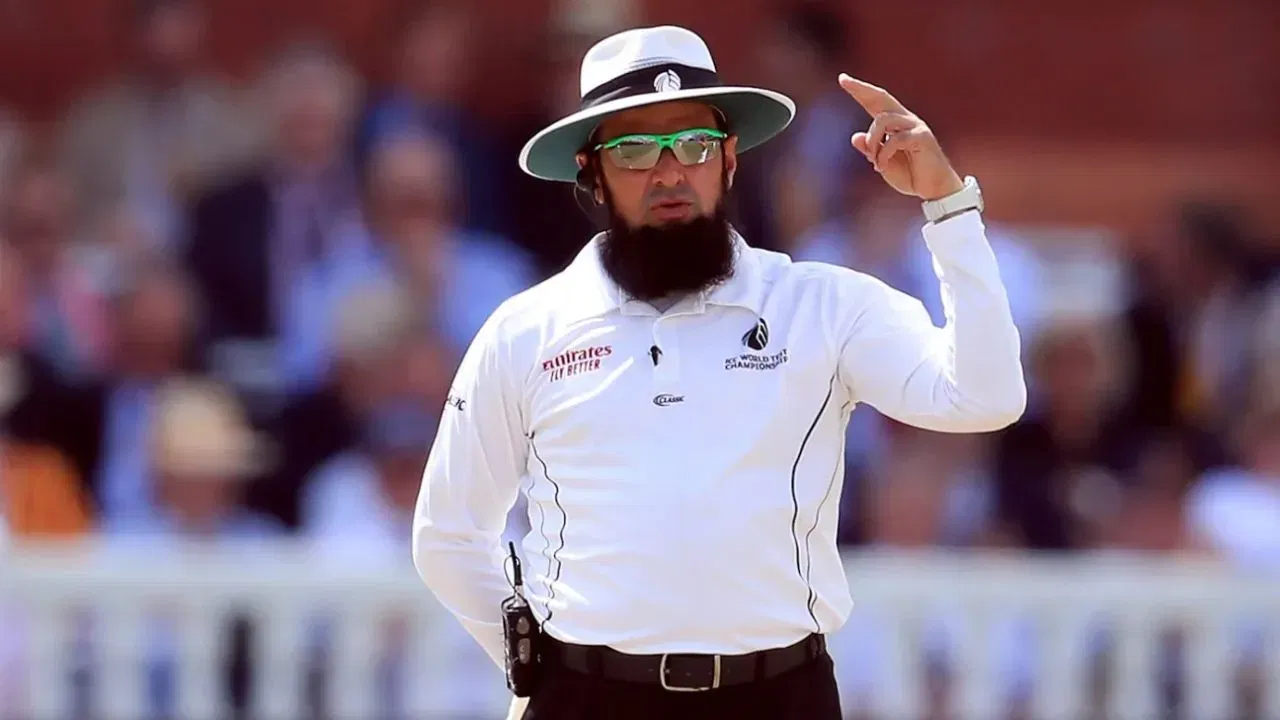
Mohsin Naqvi removes Aleem Dar as PCB’s selector after T20 WC Disaster
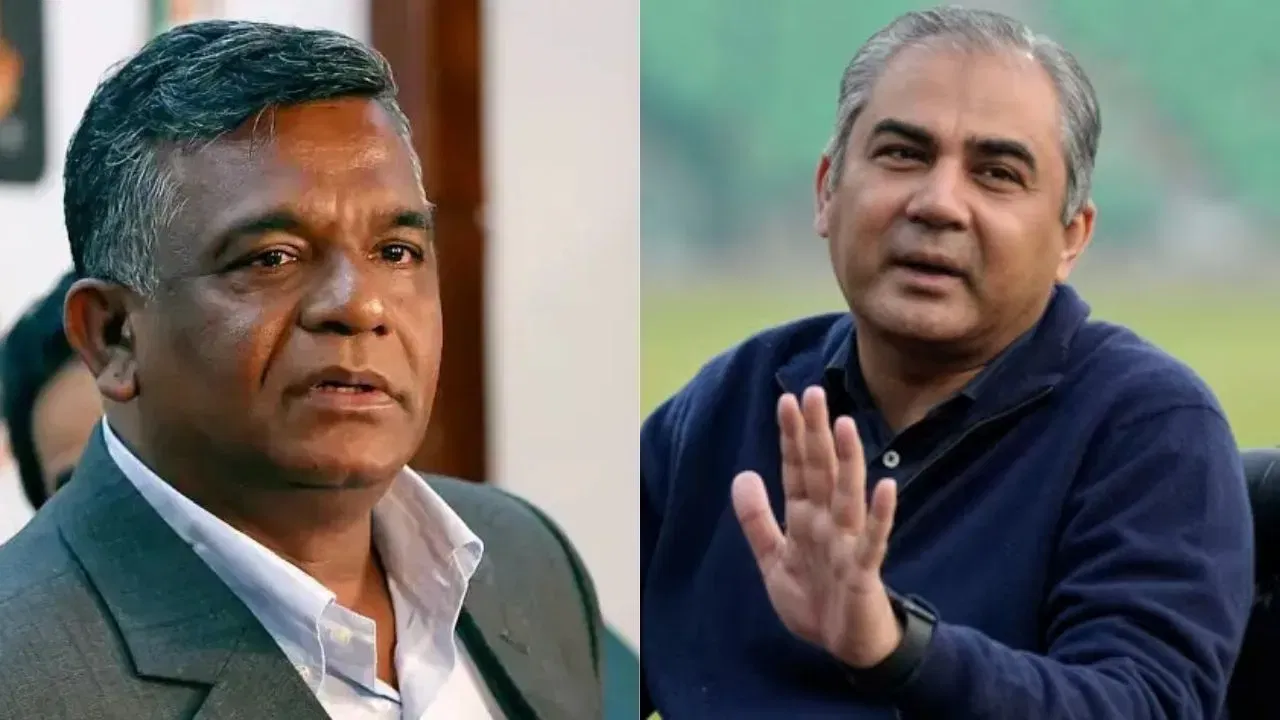
BCB issues strong statement on Bangladesh-Pakistan ODI series after PCB’s cancellation threat
Shukri Conrad brutally mocks Mukesh Ambani’s JioStar over ‘cupcake ad’ after facing ‘chokers’ question at PC
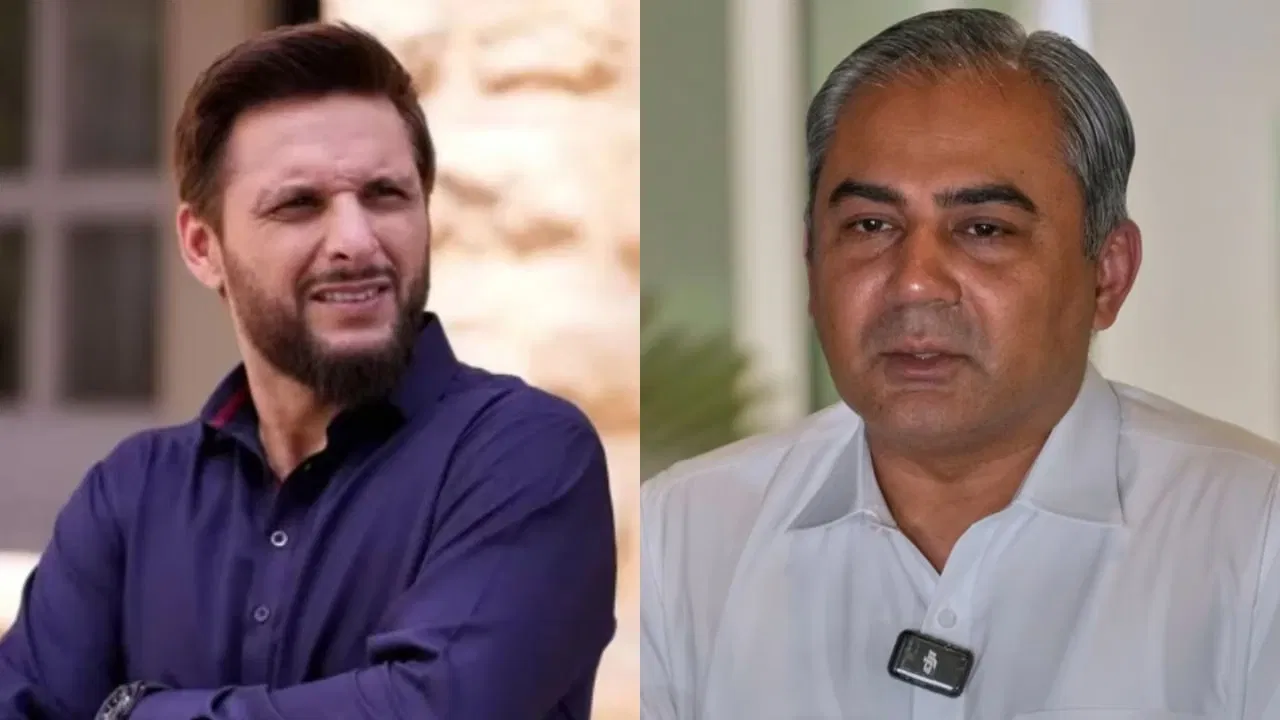
Shahid Afridi calls Mohsin Naqvi CHEAP for punishing Pakistan stars financially

Watch: Virat Kohli’s son Akaay’s video leaked online as India great faces privacy threat
IPL 2026 postponed? BCCI issues official statement on schedule announcement delay
PCB fined Pakistan stars to fund Sahibzada Farhan reward? Bombshell dropped
Mohammed Siraj, Mohammed Shami unfollowed Yuzvendra Chahal over Iran-related post? Fact Check

Suryakumar Yadav & Co. defy BCCI orders, abandon Team India amid T20 World Cup 2026
ECB loses IPL owners’ contract from the Hundred after shortlisting Pakistan players for auction
Sanju Samson achieves rare milestone after 97 not out against West Indies
PCB cracks whip after Pakistan miss semi-finals spot in 2026 T20 World Cup
No Suryakumar Yadav at 2028 T20 WC! Michael Vaughan drops brutal verdict on team India captain’s future
Mohsin Naqvi remove Aleem Dar from PCB’s selector post T20 WC Disaster