PCB fires back at ICC’s email amid ban threat, paints Andy Pycroft as ultimate villain

The Ongoing Conflict between PCB and ICC in the Asia Cup 2025
PCB’s Response to ICC’s Accusations
The Pakistan Cricket Board (PCB) has taken a strong stand against the International Cricket Council (ICC) in response to accusations regarding its recent actions during the ongoing Asia Cup 2025. The dispute arose when the ICC questioned the presence of Pakistan’s media manager, Naeem Gillani, during an emergency meeting with match referee Andy Pycroft, captain Salman Ali Agha, head coach Mike Hesson, and team manager Naveed Akram Cheema. In its defense, the PCB clarified that Gillani had proper authorization to access the Players and Match Officials Area (PMOA) and insisted that his presence did not violate any rules. The board also turned the tables on the ICC by questioning why Pycroft did not report the alleged violation to the Anti-Corruption Unit (ACU) if any Standard Operating Procedure (SOP) had been breached.
ICC’s Accusations of PMOA Breaches
Prior to the PCB’s response, the ICC had sent a formal email accusing the board of “misconduct” and multiple breaches of the PMOA rules before Pakistan’s group match against the UAE. The ICC alleged that Pakistan allowed Gillani to film a pre-match meeting involving Pycroft, Agha, and Hesson, despite such actions being prohibited by ICC regulations. The ICC CEO, Sanjog Gupta, warned Pakistan that repeated PMOA breaches would not be tolerated. However, the PCB defended its actions and raised concerns about the ICC’s handling of the situation, suggesting that any violations should have been reported to the Asian Cricket Council (ACC) rather than directly involving the ICC.
Reasons for Pakistan’s Participation in Asia Cup 2025
Despite initial tensions and controversies, Pakistan ultimately decided to continue participating in the Asia Cup 2025. The conflict initially arose when Pycroft prevented a handshake between the captains of Pakistan and India during the toss in a highly anticipated match. While Pakistan initially demanded Pycroft’s removal and considered withdrawing from the tournament, financial constraints led to a change in plans. With media rights worth $170 million at stake for the 2024-31 Asia Cup cycle, Pakistan risked losing significant revenue if it withdrew. Additionally, the PCB faced potential sanctions from the ACC under pressure from broadcasters and other cricket boards. Therefore, Pakistan made the decision to continue playing in the tournament despite the challenges it faced.
As the conflict between the PCB and ICC continues to unfold, the cricketing world awaits the response from the ICC to Pakistan’s defense. The outcome of this dispute could have significant implications for the future of cricket governance and relations between national boards and the international governing body.
Predictions for the Future of the Conflict
Given the contentious nature of the ongoing conflict between the PCB and the ICC in the Asia Cup 2025, it is crucial to consider the potential outcomes and future implications of this dispute. One possible prediction is that the ICC may choose to impose sanctions on Pakistan for the alleged breaches of PMOA rules. This could include fines, suspension of key personnel, or even a ban on participation in future ICC events. Such actions would undoubtedly strain the already tense relationship between the PCB and the ICC, leading to further discord in the cricketing world.
On the other hand, there is also a possibility that the ICC may choose to de-escalate the situation in order to avoid a prolonged conflict. This could involve issuing a warning to Pakistan while emphasizing the importance of adhering to ICC regulations in the future. By taking a more diplomatic approach, the ICC may seek to maintain stability within the cricketing community and prevent any long-term damage to its relationship with the PCB.
Impact on Pakistan’s Cricketing Reputation
Regardless of the eventual outcome of the conflict, the ongoing dispute between the PCB and the ICC is likely to have a significant impact on Pakistan’s cricketing reputation. The accusations of misconduct and breaches of PMOA rules could tarnish Pakistan’s image in the eyes of the international cricketing community. This could lead to increased scrutiny of Pakistan’s actions both on and off the field, potentially affecting future opportunities for the national team and players.
Furthermore, the conflict may also have broader implications for Pakistan’s relationships with other cricketing nations. If the ICC decides to impose sanctions or issue warnings to Pakistan, it could create rifts between Pakistan and other boards, affecting bilateral series, tours, and collaborative efforts in the future. Maintaining strong diplomatic ties within the cricketing world is essential for Pakistan to continue its participation in international cricket and uphold its position as a respected member of the global cricketing community.
Lessons Learned for Cricket Governance
As the conflict between the PCB and the ICC unfolds, there are valuable lessons to be learned for cricket governance at both the national and international levels. Clear communication, adherence to regulations, and appropriate conflict resolution mechanisms are essential for maintaining harmony within the cricketing community. National boards must ensure that their actions align with international standards and regulations to avoid unnecessary conflicts and disputes.
Additionally, the ICC should strive to uphold the principles of fairness, transparency, and accountability in its interactions with member boards. By fostering a culture of trust and collaboration, the ICC can prevent conflicts such as the one currently unfolding between the PCB and itself. Moving forward, both the PCB and the ICC must work towards resolving their differences in a constructive and respectful manner to preserve the integrity of the sport and uphold the values of cricket.
By considering these predictions, impacts, and lessons learned, stakeholders in the cricketing world can navigate conflicts more effectively and ensure the continued growth and success of the sport.
Latest News

SRH suffer huge blow! Daniel Vettori confirms another overseas pacer injured amid crisis
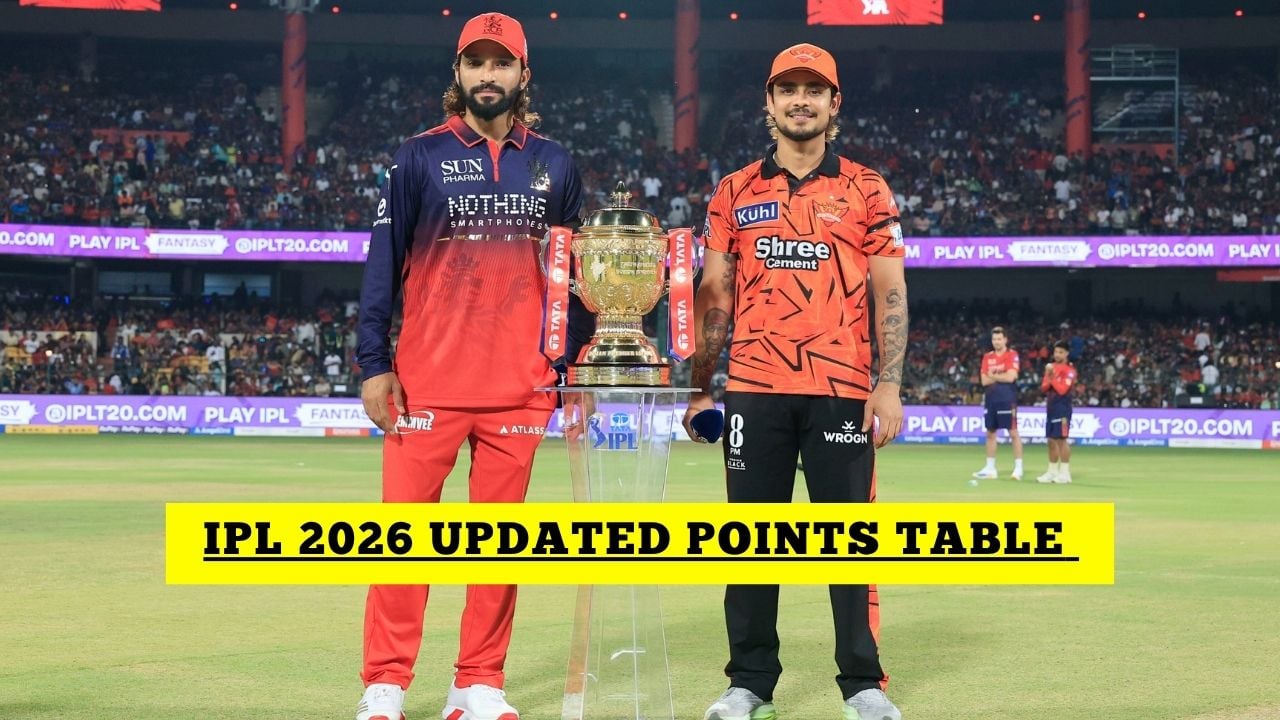
IPL Points Table 2026: Updated Standings, Orange Cap, Purple Cap After RCB vs SRH Match 1
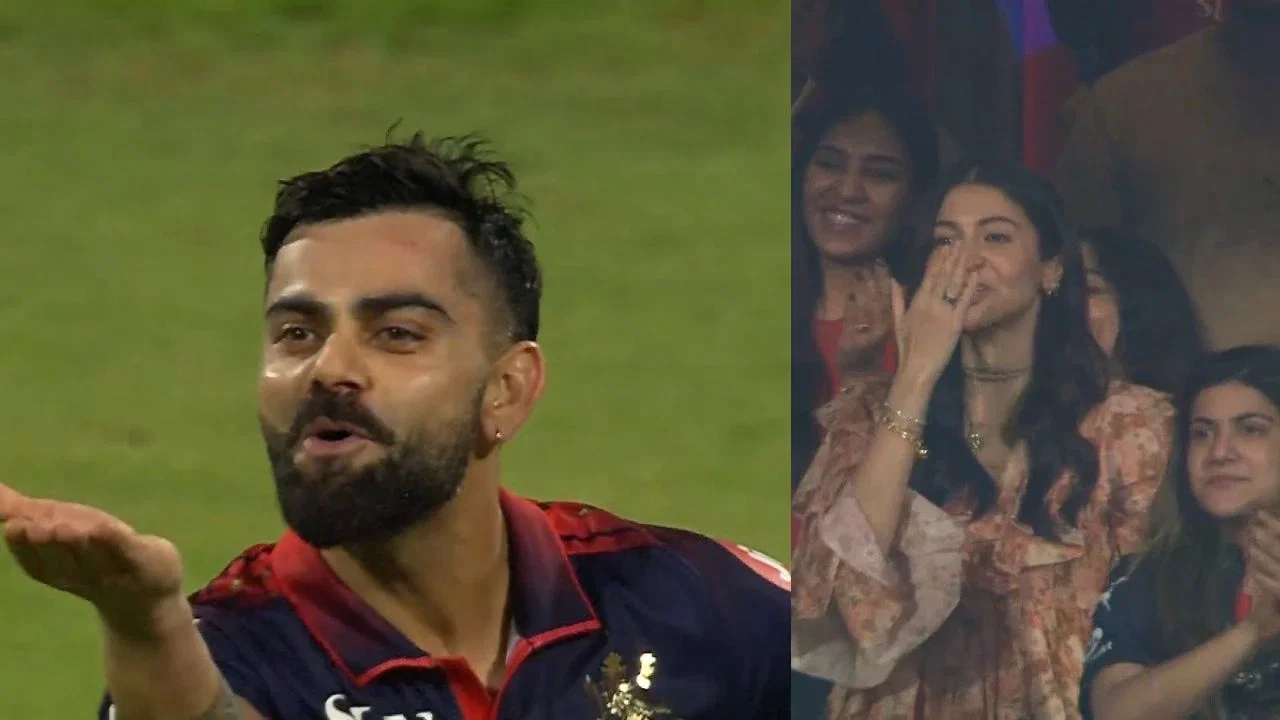
Virat Kohli, Anushka Sharma share adorable flying kiss moment after RCB vs SRH clash
“Absolutely world-class”: Virat Kohli backs Devdutt Padikkal for permanent Team India spot
Rajat Patidar refuses to comment on Virat Kohli; Ishan Kishan admits enjoying after SRH’s loss to RCB

Mumbai Indians suffer blow! Mitchell Santner, Will Jacks ruled out of IPL 2026 games
MI vs KKR Match Prediction – Who Will Win Match No.2? | IPL 2026
Mumbai Indians Playing XI vs Kolkata Knight Riders Playing XI- Match No. 2 | IPL 2026
MI vs KKR Match 2 Preview: Free Live Streaming, Pitch & Weather Report, Head-to-Head | IPL 2026
Not English cricket! Jos Buttler credits IPL for his success as a cricketer
“Nitish Kumar Reddy is biggest fraud”: Fans fume as SRH star fails vs RCB in IPL 2026 opener
Who is Abhinandan Singh? The Virat Kohli troublemaker who made his IPL debut for RCB vs SRH
Heinrich Klaasen engages in heated chat with 4th umpire after Phil Salt’s controversial catch in IPL 2026
Phil Salt grabs one of the greatest catches in IPL history to dismiss Ishan Kishan