PCB issues official clarity on Asia Cup 2025 future
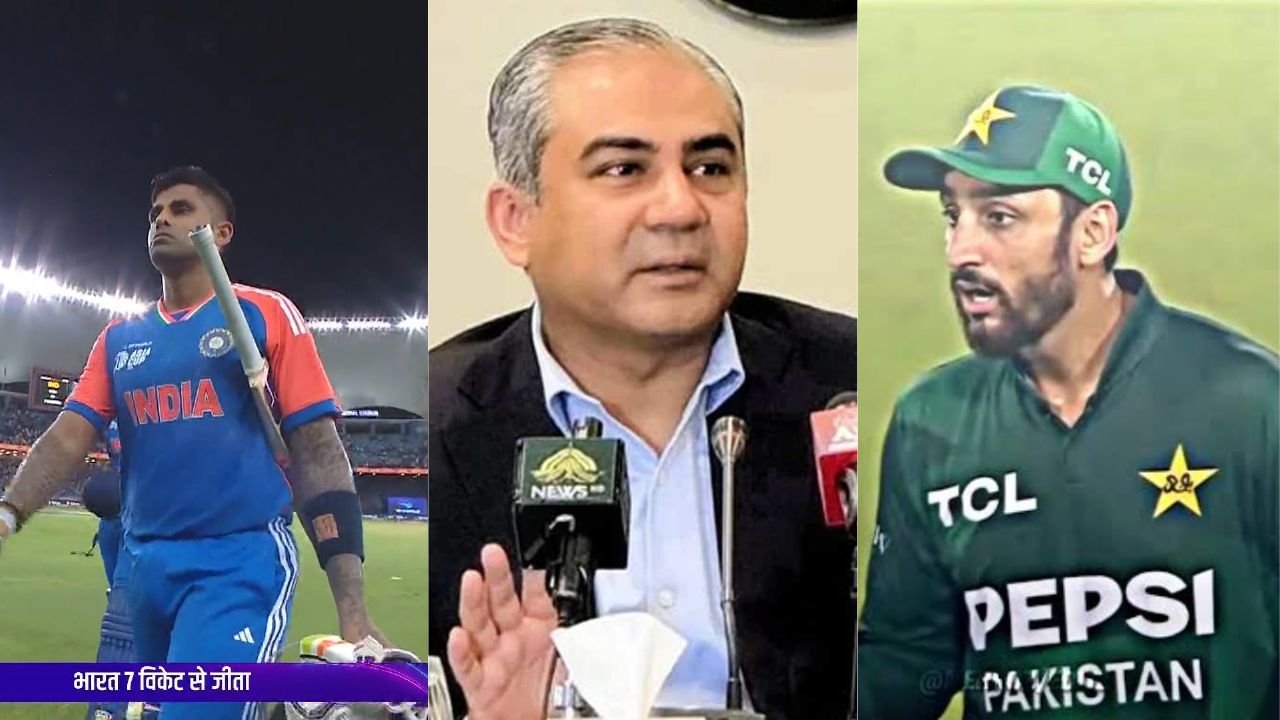
The Pakistan Cricket Board Contemplates Withdrawal from Asia Cup Amid Handshake Controversy
The Pakistan Cricket Board (PCB) is facing a critical decision regarding Pakistan’s participation in the ongoing Asia Cup scheduled for Wednesday (September 17). The controversy arose during the match against India when the Indian team refused to engage in the customary handshake due to the Pahalgam terror attack earlier this year.
PCB Threatens Withdrawal
The handshake issue escalated when India’s captain refused to shake hands with his Pakistani counterpart, Salman Ali Agha, at the toss. Furthermore, at the end of the match, the entire Indian team walked back to the dressing room without any formalities. The PCB immediately criticized match referee Andy Pycroft for allowing this breach of etiquette, accusing him of violating the code of conduct.
The board’s position was clear – unless Pycroft was removed from his role, Pakistan would consider pulling out of the competition. The PCB also lodged a complaint with the ICC, stating that Pycroft’s actions were against the MCC’s laws and demanded his exclusion from the remainder of the Asia Cup.
Uncertain Participation
With Pakistan’s future in the tournament hanging in the balance, the PCB issued a statement indicating that consultations were ongoing. The crucial decision regarding their participation in the match against the UAE on Wednesday would be made based on the best interests of Pakistan.
Despite canceling the pre-match press conference, the team continued with their training session as scheduled. After their defeat against India, Pakistan’s chances in the Asia Cup now rely on winning the upcoming match against the UAE to advance to the Super 4s stage.
India’s Stand and Future Matches
India, on the other hand, secured their spot in the next round with a convincing 7-wicket victory over Pakistan. Should Pakistan progress to the Super 4s stage, they are likely to face India again at least once more in the tournament.
As the tension mounts between the two cricketing nations, the outcome of the PCB’s decision regarding their participation in the Asia Cup will significantly impact the remainder of the tournament. Fans eagerly await the final call on Pakistan’s involvement in this prestigious competition.
Impact of the Handshake Controversy
The handshake controversy between India and Pakistan during the Asia Cup has not only sparked a debate about sportsmanship but has also reignited political tensions between the two neighboring countries. The incident has led to heated discussions on social media and in the press, with fans and analysts expressing varied opinions on the matter. The refusal to participate in the traditional handshake has brought the longstanding rivalry between India and Pakistan to the forefront once again, highlighting the complexities of sports diplomacy.
Historical Context
The history of cricket matches between India and Pakistan is rife with intense competition and emotional encounters. The political history between the two countries adds another layer of complexity to their sporting rivalries. Matches between India and Pakistan are not merely sporting events but are often seen as battles of national pride and honor. The handshake controversy serves as a reminder of the deep-rooted tensions that exist between the two nations and how these tensions can spill over into the realm of sports.
Global Reactions
The handshake controversy during the Asia Cup has garnered international attention, with cricket fans and experts from around the world weighing in on the issue. The incident has sparked discussions about sportsmanship, diplomacy, and the role of sports in fostering peace and understanding between nations. It has also raised questions about the responsibilities of players and officials in upholding the spirit of the game, regardless of political tensions.
Future of Cricket Diplomacy
As the PCB contemplates withdrawing from the Asia Cup in response to the handshake controversy, it raises broader questions about the future of cricket diplomacy between India and Pakistan. Cricket has often been seen as a bridge between the two nations, providing a platform for cultural exchange and people-to-people contact. However, incidents like the one during the Asia Cup highlight the challenges of using sports as a means of diplomacy in the face of deep-seated political animosities.
Regardless of Pakistan’s decision to participate or withdraw from the Asia Cup, the incident has already left a mark on the tournament and the broader cricketing community. It serves as a reminder of the complexities and sensitivities involved in sports diplomacy, especially when it comes to matches between India and Pakistan. As cricket fans await the final decision from the PCB, the future of cricketing relations between the two nations hangs in the balance, with implications beyond the boundaries of the cricket field.
In conclusion, the handshake controversy during the Asia Cup has brought to light the intricate relationship between sports, politics, and national identity. The decision taken by the PCB regarding Pakistan’s participation in the tournament will not only impact the outcome of the Asia Cup but also reflect the ongoing challenges of sports diplomacy in the context of India-Pakistan relations.
Latest News
SRH suffer huge blow! Daniel Vettori confirms another overseas pacer injured amid crisis
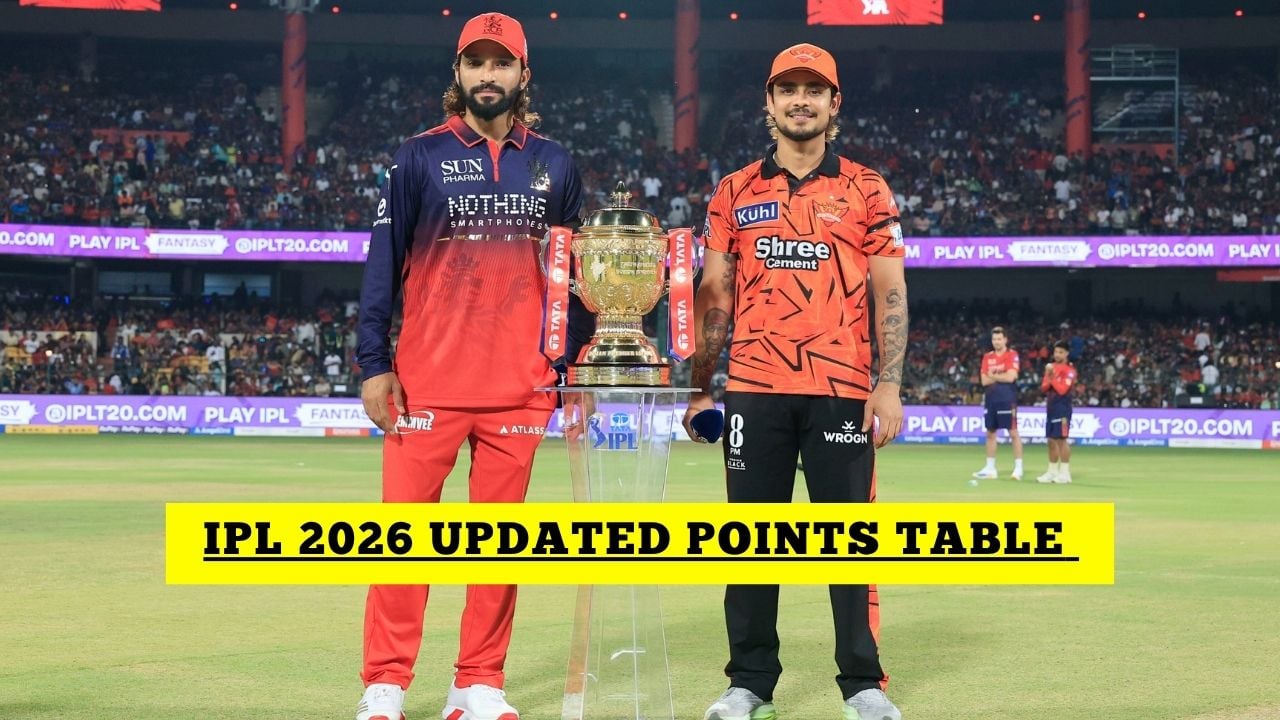
IPL Points Table 2026: Updated Standings, Orange Cap, Purple Cap After RCB vs SRH Match 1
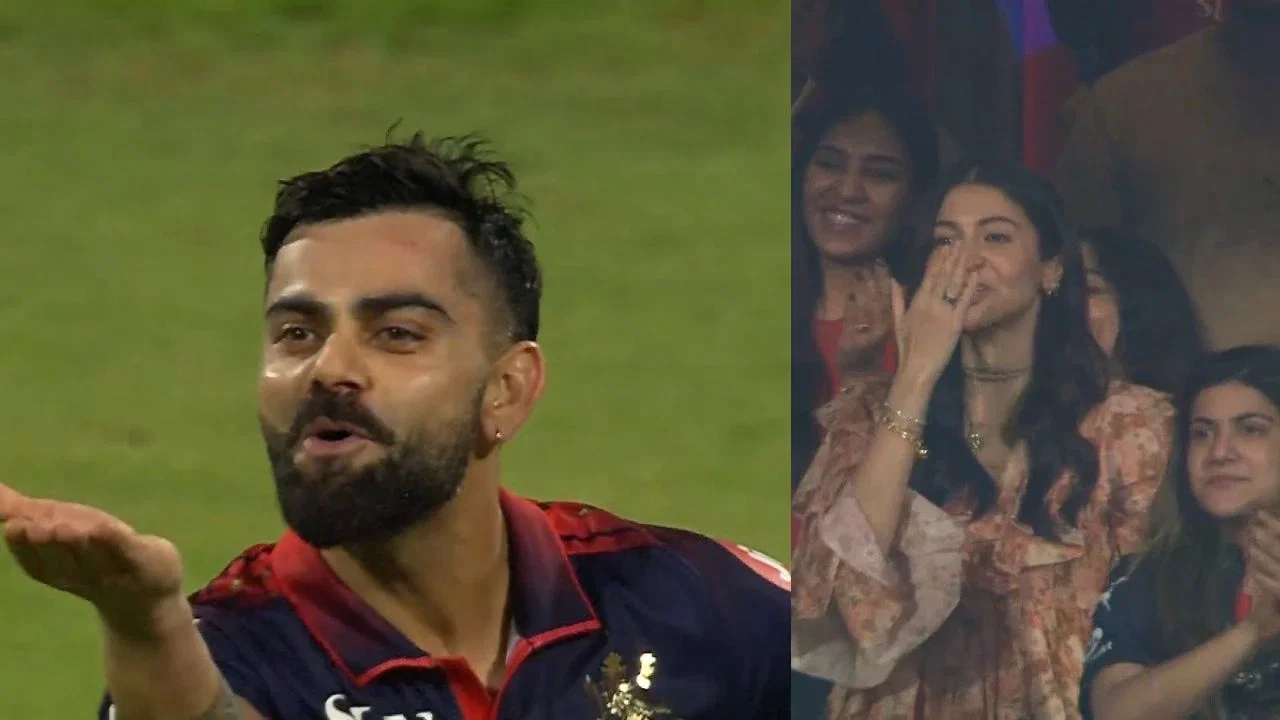
Virat Kohli, Anushka Sharma share adorable flying kiss moment after RCB vs SRH clash
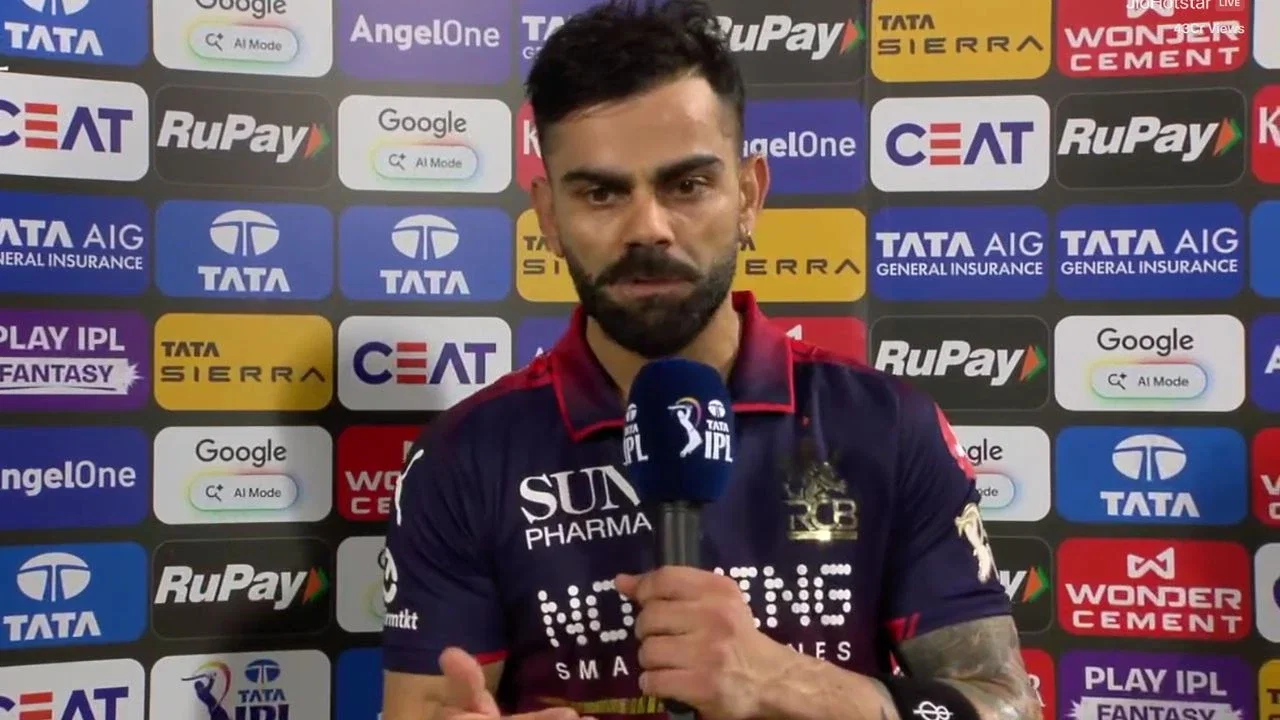
“Absolutely world-class”: Virat Kohli backs Devdutt Padikkal for permanent Team India spot
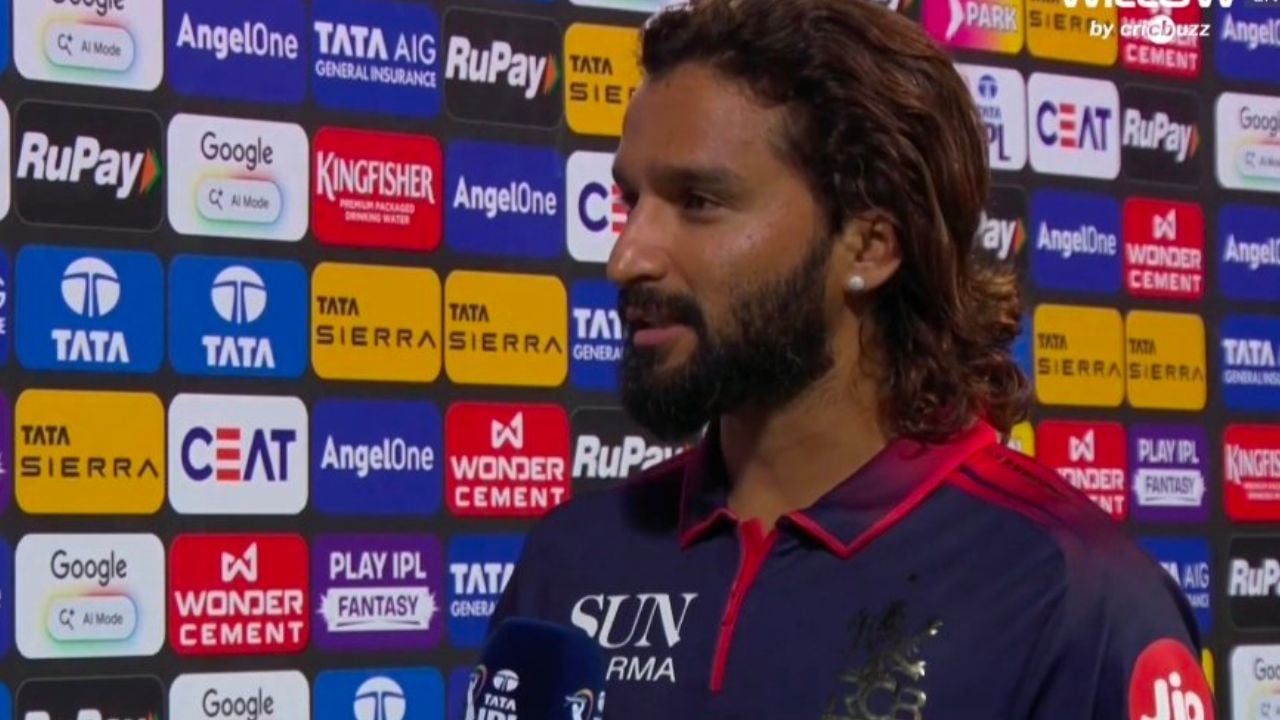
Rajat Patidar refuses to comment on Virat Kohli; Ishan Kishan admits enjoying after SRH’s loss to RCB
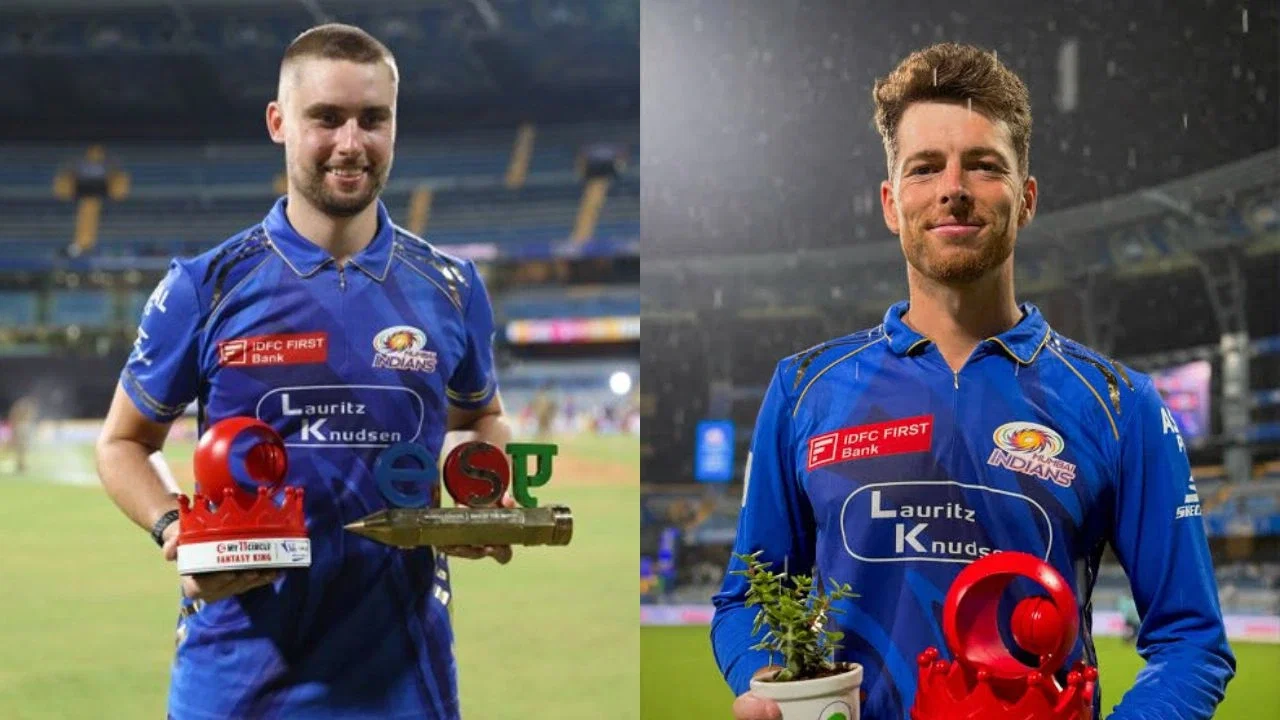
Mumbai Indians suffer blow! Mitchell Santner, Will Jacks ruled out of IPL 2026 games
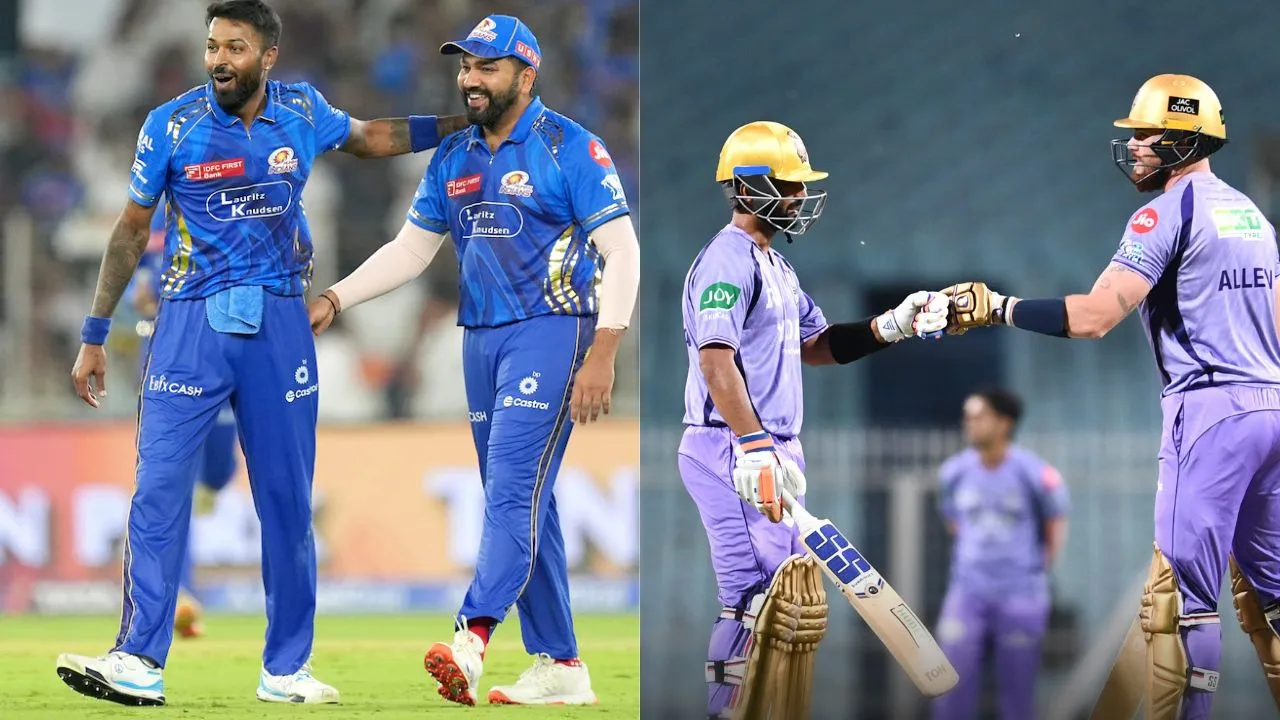
MI vs KKR Match Prediction – Who Will Win Match No.2? | IPL 2026
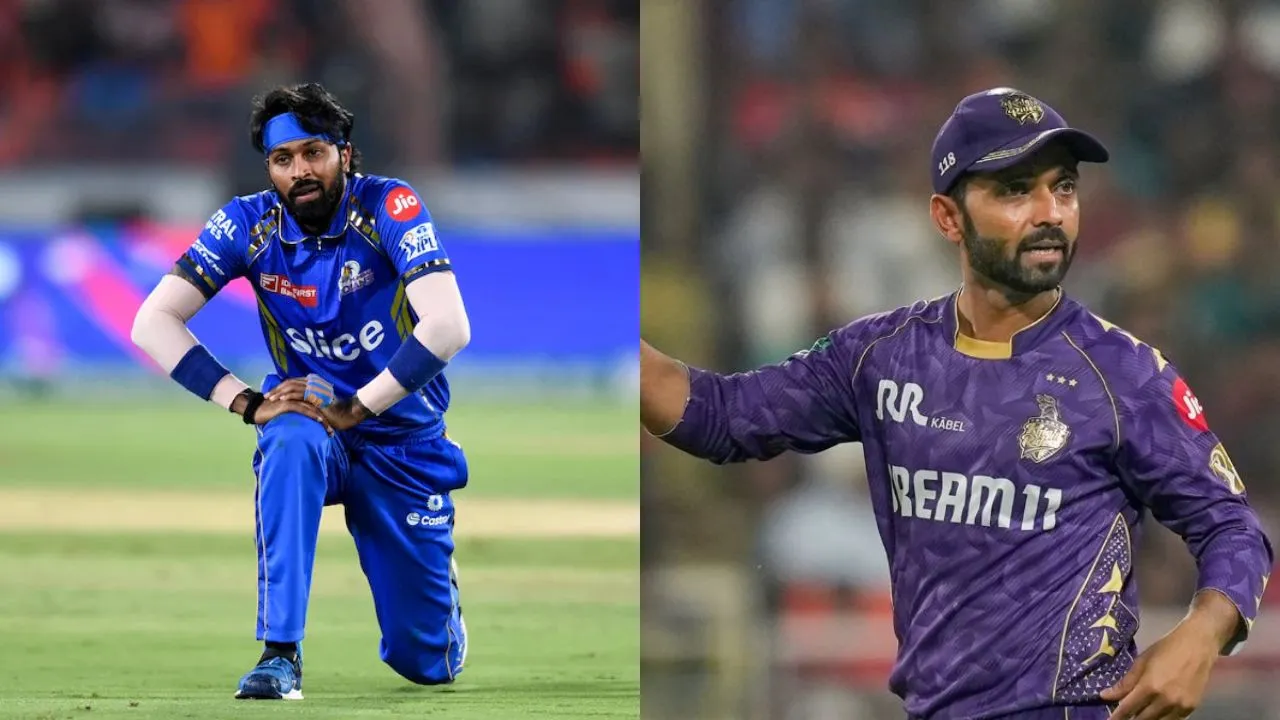
Mumbai Indians Playing XI vs Kolkata Knight Riders Playing XI- Match No. 2 | IPL 2026
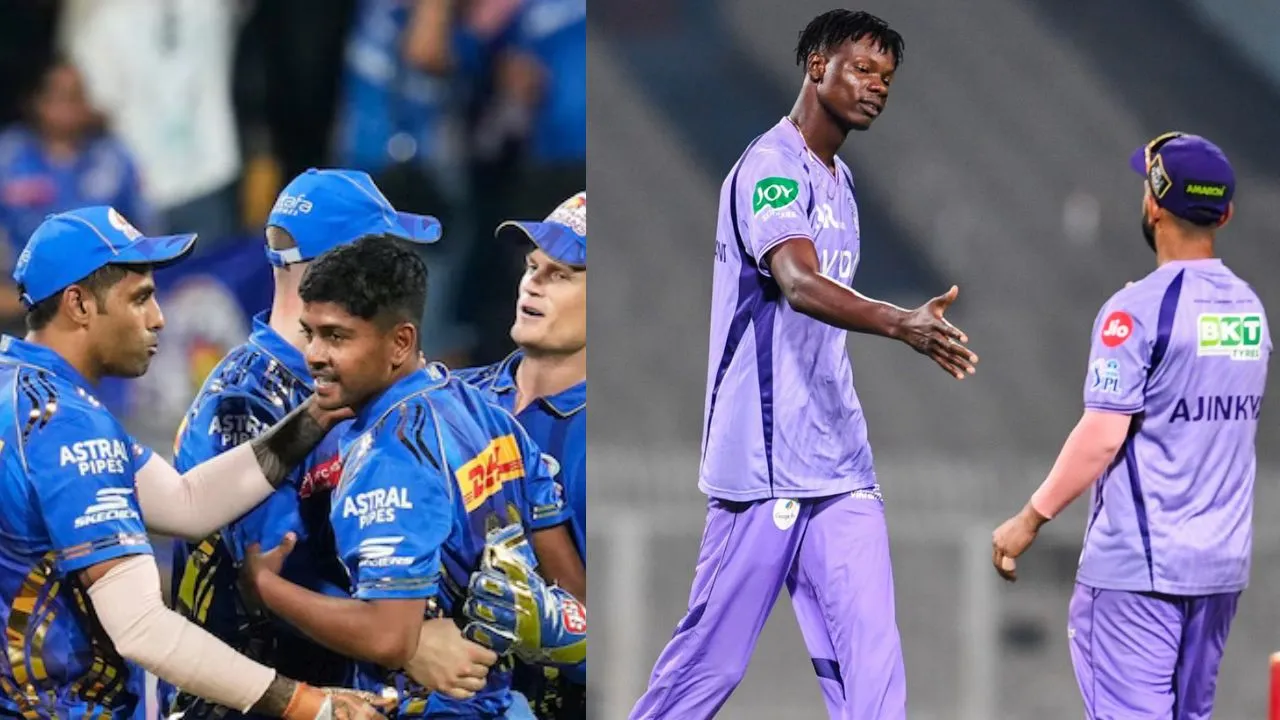
MI vs KKR Match 2 Preview: Free Live Streaming, Pitch & Weather Report, Head-to-Head | IPL 2026
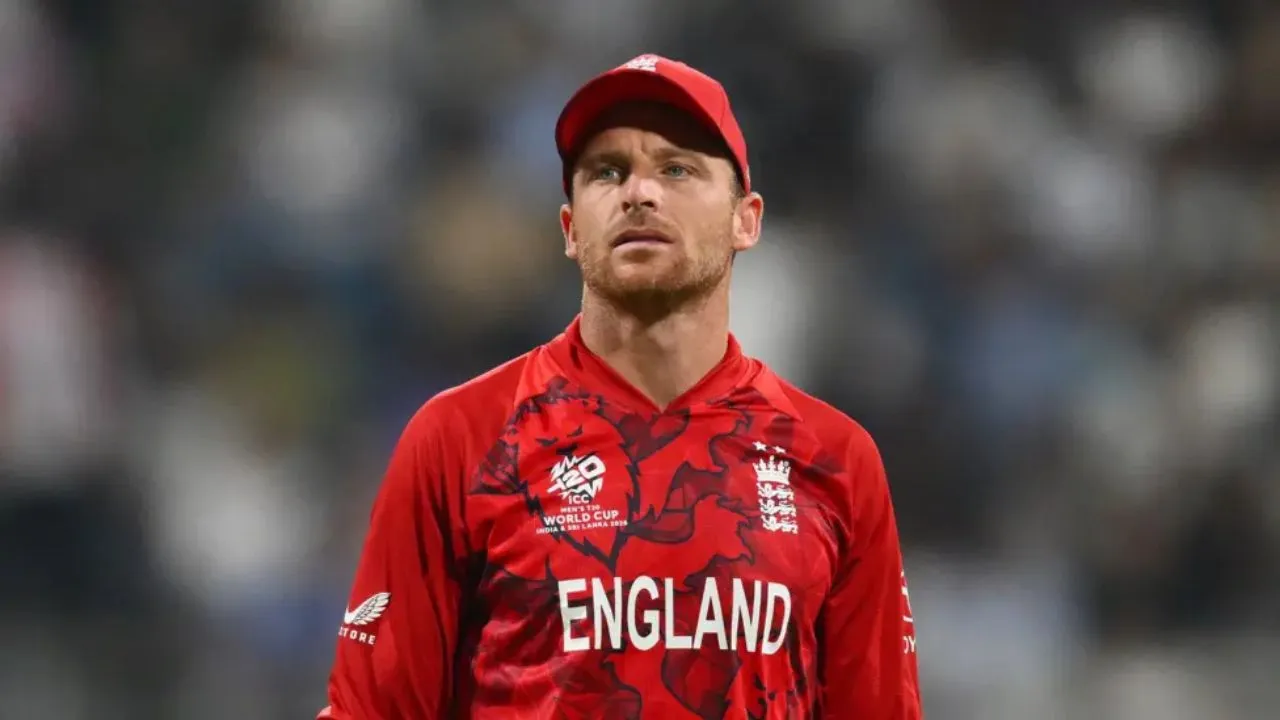
Not English cricket! Jos Buttler credits IPL for his success as a cricketer
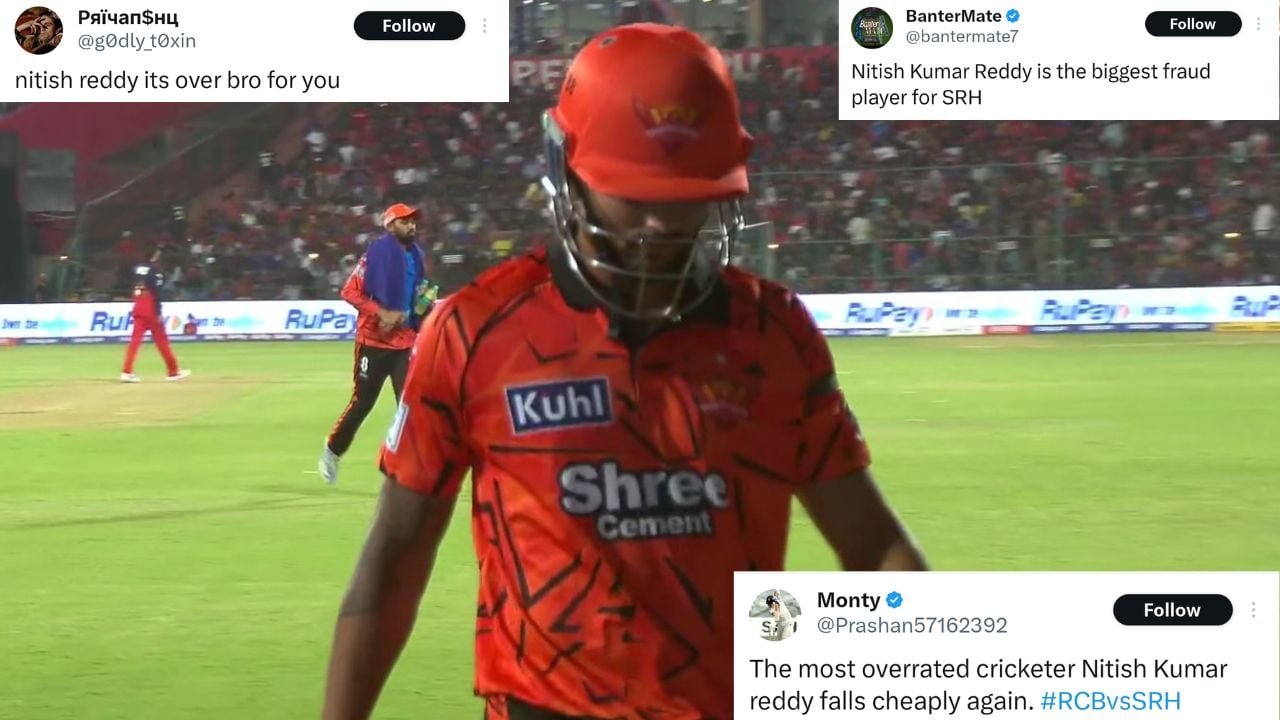
“Nitish Kumar Reddy is biggest fraud”: Fans fume as SRH star fails vs RCB in IPL 2026 opener
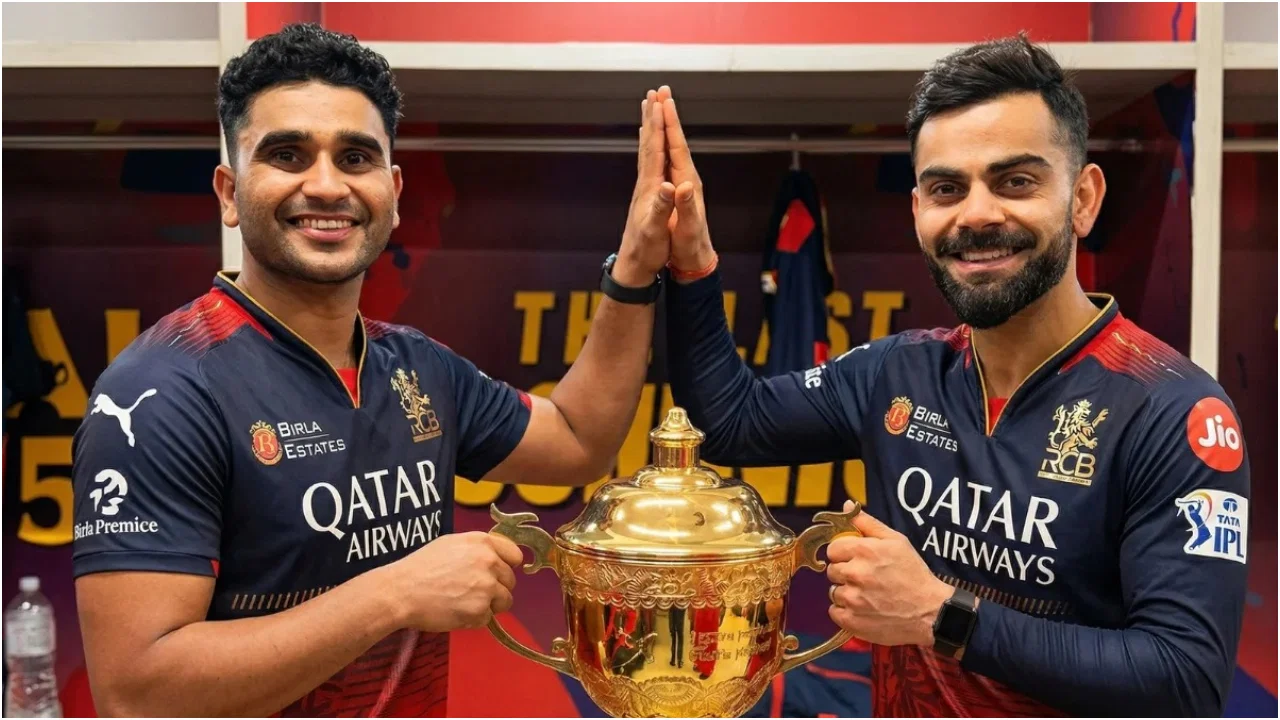
Who is Abhinandan Singh? The Virat Kohli troublemaker who made his IPL debut for RCB vs SRH
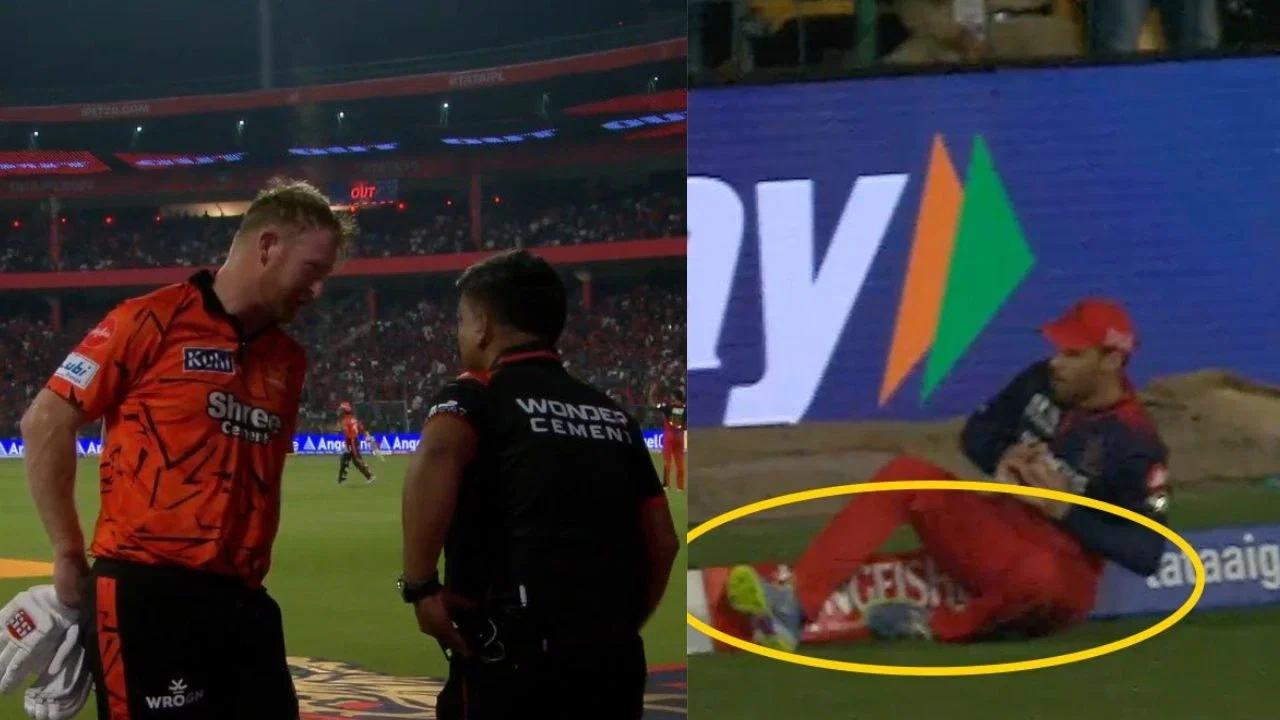
Heinrich Klaasen engages in heated chat with 4th umpire after Phil Salt’s controversial catch in IPL 2026
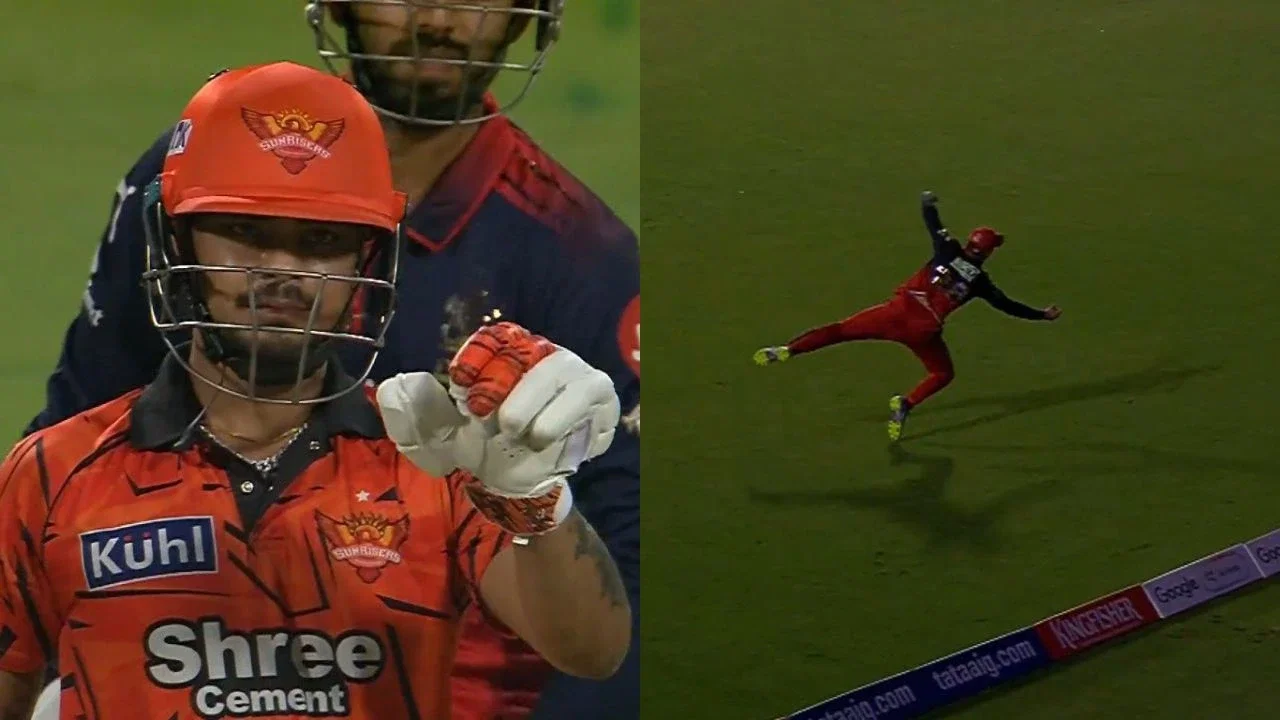
Phil Salt grabs one of the greatest catches in IPL history to dismiss Ishan Kishan