PCB orders ICC to sack match referee after no-handshake controversy in India vs Pakistan clash
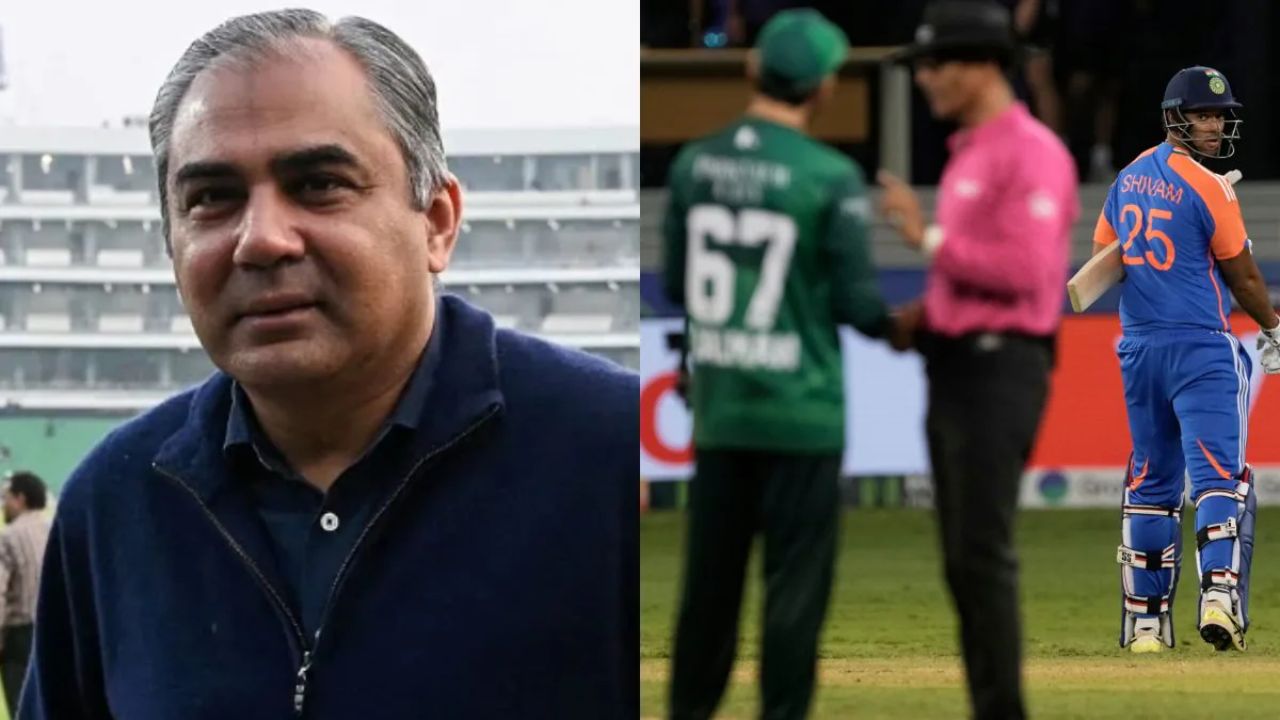
Controversy Erupts as Indian Players Refuse Handshake After India-Pakistan Match
Following the highly anticipated clash between India and Pakistan at the Dubai International Stadium, a controversy erupted as the Indian players refused to shake hands with their Pakistani counterparts after securing a convincing victory. The tension between the two teams was palpable throughout the match, with actions off the field further fueling the rivalry.
Political Undertones Overshadow Cricketing Spirit
The match between India and Pakistan transcended the boundaries of cricket and took on a political undertone as players, officials, fans, and management engaged in what seemed like a silent boycott. The atmosphere was tense right from the toss, as Indian skipper Suryakumar Yadav initiated the standoff by refraining from shaking hands with Pakistani skipper Salman Agha.
As the game concluded with India emerging victorious by 7 wickets, the Indian batters, including Shivam Dube, walked off the ground without partaking in the traditional handshake with the opposition players. The customary lineup for post-match pleasantries was also omitted, further intensifying the controversy.
PCB Chief Lodges Complaint Against ICC Match Referee
Responding to the perceived snub, PCB chief Mohsin Naqvi lodged a formal complaint with the International Cricket Council (ICC) against the Match Referee, Andy Pycroft, for allegedly violating the ICC Code of Conduct and the MCC Laws pertaining to the Spirit of Cricket. Naqvi demanded immediate action, calling for the removal of the Match Referee from future tournaments, including the Asia Cup.
India Dominates Pakistan in Convincing Victory
In the match itself, Indian bowlers set the tone early as Jasprit Bumrah and Hardik Pandya made quick inroads into the Pakistani batting lineup. Axar Patel and Kuldeep Yadav further dismantled the middle order, with Kuldeep finishing as the highest wicket-taker for the match.
Despite a late resurgence from Pakistan’s Shaheen Afridi, who scored a quickfire 33 runs, India comfortably chased down the target thanks to contributions from Abhishek Sharma, Suryakumar Yadav, and Tilak. Kuldeep Yadav once again shone with the ball, earning back-to-back Player of the Match awards for his impressive performances.
Looking Ahead
With India’s next match against Oman looming, the team will seek to maintain their winning momentum in the tournament. As tensions continue to simmer between the two cricketing giants, the fallout from the handshake controversy is likely to cast a shadow over future encounters between India and Pakistan.
Overall, the match served as a stark reminder of the intricate dynamics at play whenever these two cricketing powerhouses clash on the field, with emotions running high and the spirit of the game often overshadowed by political and historical tensions.
Impact of Prediction Models on India-Pakistan Matches
One key aspect that has added a layer of complexity to India-Pakistan matches in recent years is the emergence of prediction models in cricket. These models use historical data, player statistics, pitch conditions, and other variables to forecast the outcome of matches with a high degree of accuracy. However, when it comes to matches between traditional rivals like India and Pakistan, the predictability often goes out the window.
The intense rivalry, historical baggage, and sheer unpredictability of these matches make them a unique phenomenon in the world of cricket. While prediction models can provide insights into player performance and match dynamics, they often struggle to capture the emotional and psychological elements that come into play when these two teams face off.
Psychological Impact on Players
The refusal of Indian players to shake hands after the recent match against Pakistan may have been a calculated move to assert dominance and send a message to their opponents. In high-stakes matches like these, where national pride is on the line, every action on and off the field is magnified and scrutinized.
The psychological impact on players in such intense contests cannot be underestimated. The pressure to perform, the weight of expectations from fans and the media, and the historical context of the rivalry all contribute to a pressure-cooker environment that can affect players’ behavior and decision-making.
The Role of Sportsmanship in Cricket
Cricket has long been hailed as a gentleman’s game, where sportsmanship and fair play are valued as highly as on-field performance. The tradition of shaking hands after a match, irrespective of the outcome, is a symbolic gesture of respect and camaraderie among players.
When incidents like the handshake controversy arise, they serve as a stark reminder of the fine line between fierce competition and unsportsmanlike behavior. It prompts discussions about the role of sportsmanship in modern cricket and the responsibilities that players, officials, and governing bodies have in upholding the spirit of the game.
Future of India-Pakistan Cricketing Encounters
As India prepares to face Oman in their upcoming match, the aftermath of the India-Pakistan clash lingers in the background. The repercussions of the handshake incident and the broader implications for future encounters between the two teams will undoubtedly shape the narrative moving forward.
While the rivalry between India and Pakistan is deeply entrenched in history and politics, it is essential for both sides to find a balance between competitive spirit and mutual respect. The passion and intensity that these matches evoke are what make them so compelling, but they must not overshadow the core values of sportsmanship and fair play that cricket holds dear.
Conclusion
In conclusion, the controversy surrounding the handshake incident after the India-Pakistan match underscores the complex dynamics at play in cricket’s most storied rivalry. As the tournament progresses and the teams continue their campaigns, it will be interesting to see how these events shape the narrative and impact future matches. While the competitive spirit is essential in sport, it is equally important to uphold the values of sportsmanship and respect, even in the heat of battle.
Latest News
Jason Gillespie gives major update on Glenn Maxwell’s availability for PSL 2026
‘I’m a big fan but…’: Ravichandran Ashwin criticises Abhishek Sharma after failure vs RCB.
LHQ vs KRK Match Prediction, Pitch & Weather Report, Playing XIs, Head-to-Head, Free Live Streaming – PSL 2026 Match 6
IPL teams on alert!: Sri Lanka fitness crisis sees almost 50% players fail tests
Ben Duckett in trouble? Sunil Gavaskar pushes BCCI for tougher punishment
MS Dhoni faking injury? Michael Vaughan suspects ‘strategic manoeuvre’ in CSK camp for IPL 2026
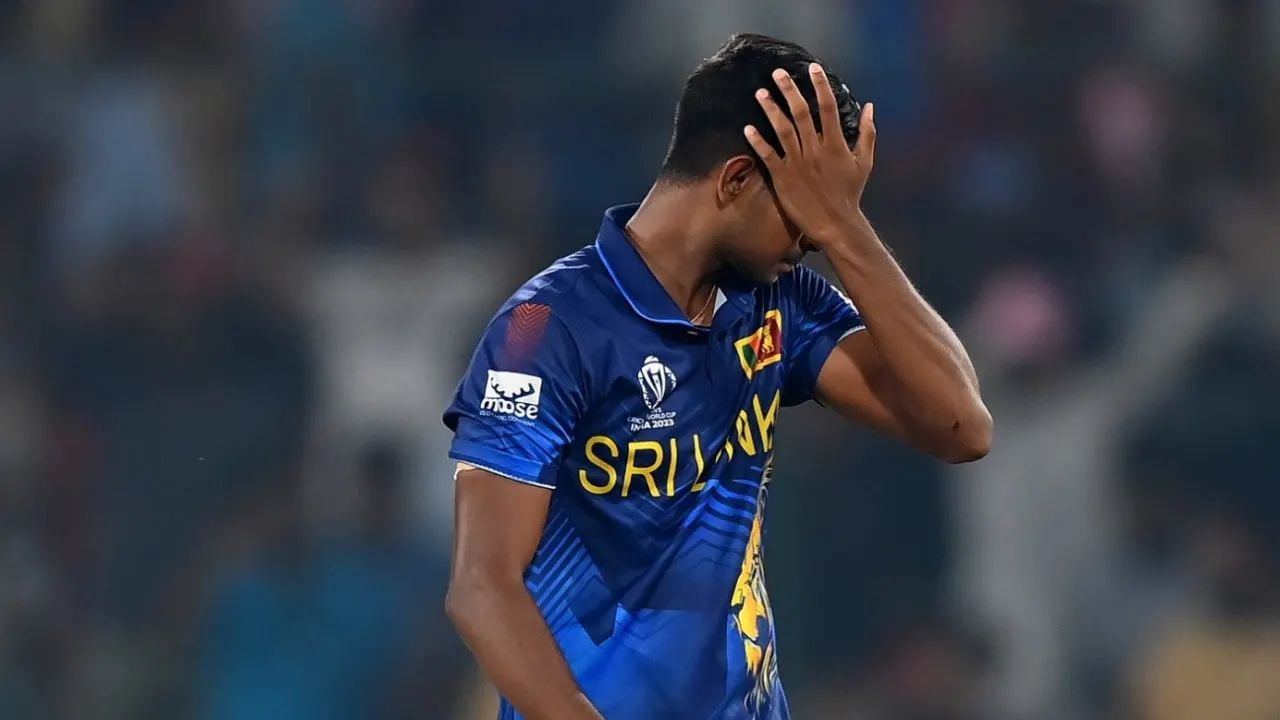
KKR coach criticises Impact Player rule, provides huge Matheesha Pathirana update
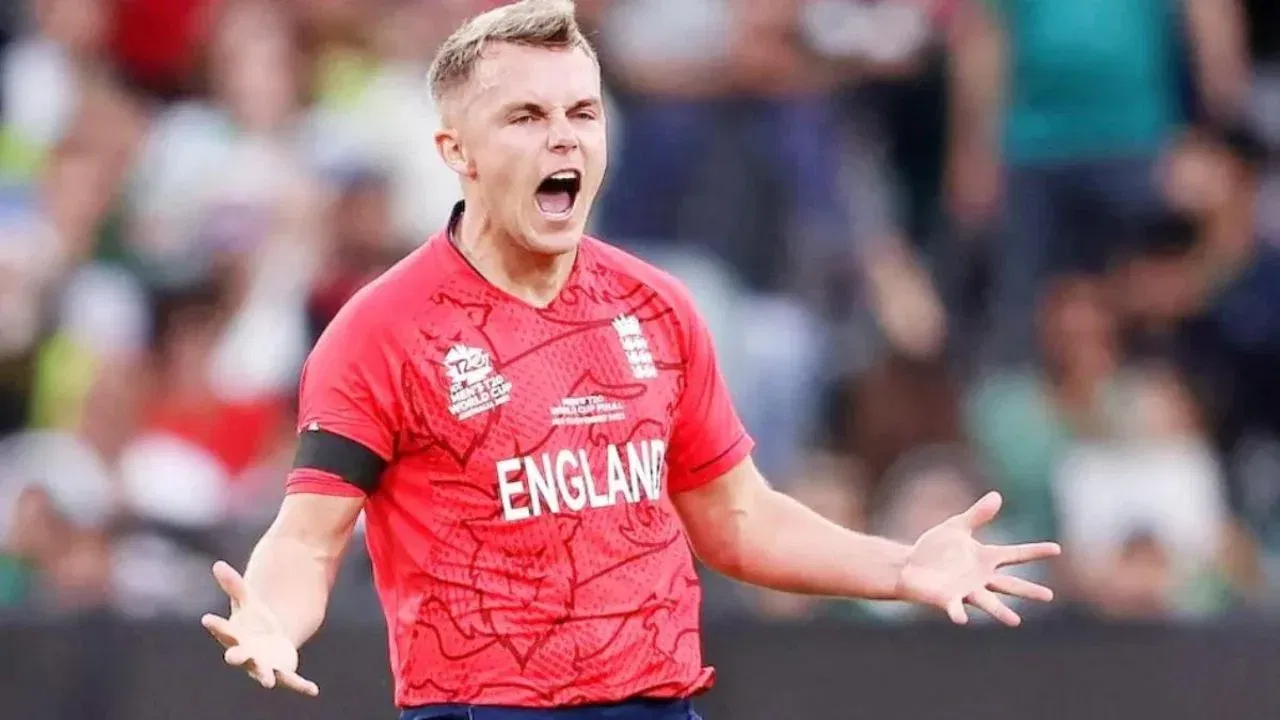
Sam Curran reveals private chat with Brendon McCullum after England axing
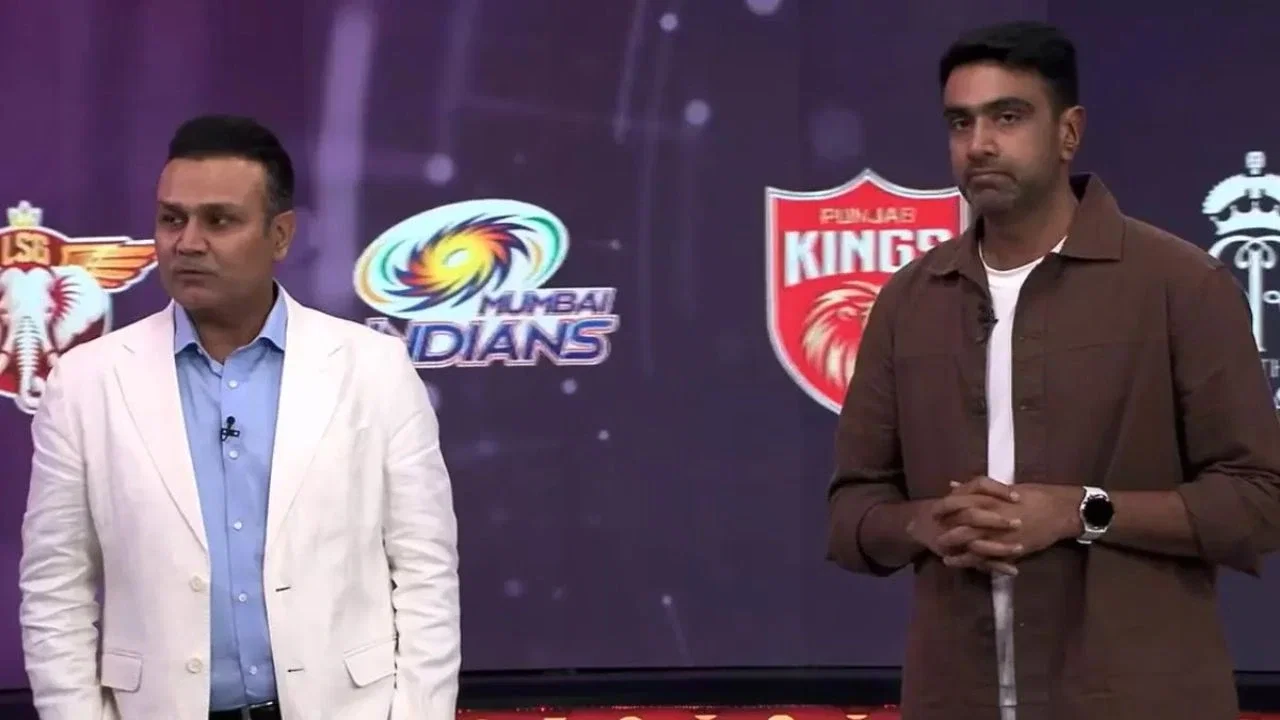
Ravichandran Ashwin brutally teased by Virender Sehwag on IPL 2026 debut
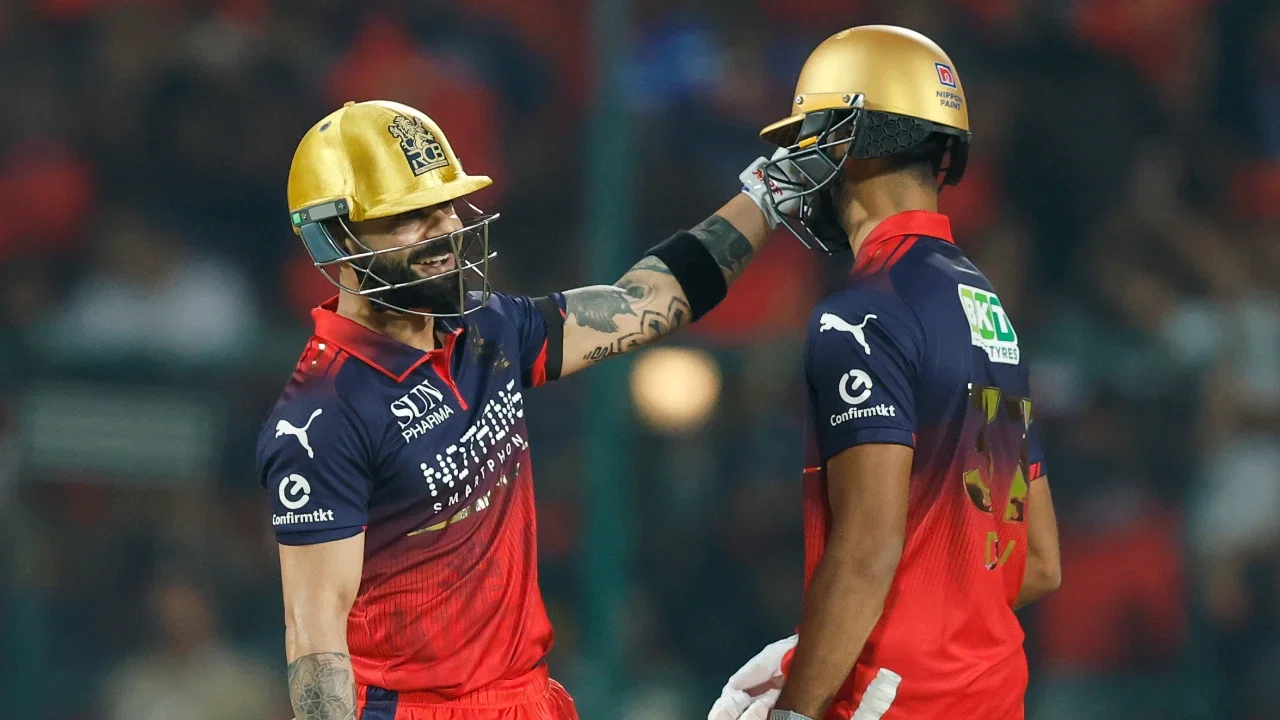
Virat Kohli’s ego under spotlight! Ex-KKR star makes bold claim after heroics vs SRH
Jay Shah rises to No. 22 among most powerful people in India in 2026; Virat Kohli, Gautam Gambhir included
SRH suffer huge blow! Daniel Vettori confirms another overseas pacer injured amid crisis
IPL Points Table 2026: Updated Standings, Orange Cap, Purple Cap After RCB vs SRH Match 1
Virat Kohli, Anushka Sharma share adorable flying kiss moment after RCB vs SRH clash