PCB places 6 demands before Jay Shah to avoid boycotting India vs Pakistan clash
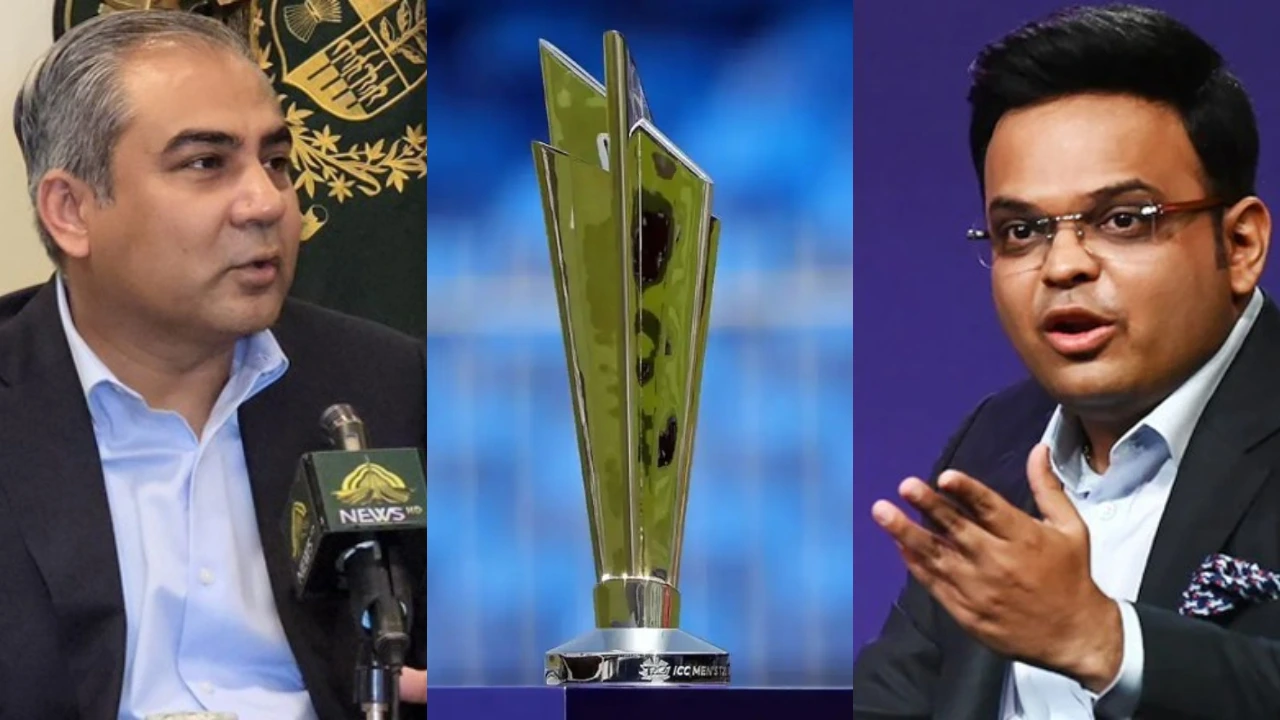
Pakistan Cricket Board Demands Major Changes Ahead of T20 World Cup 2026
The Pakistan Cricket Board (PCB) has made a bold move just days before the start of the upcoming T20 World Cup 2026, scheduled to begin on February 7 in India and Sri Lanka. In a dramatic announcement, the PCB revealed that they would boycott the highly anticipated India vs Pakistan match on February 15 in Colombo. This decision comes in solidarity with Bangladesh, who were removed from the tournament by the International Cricket Council (ICC) for refusing to travel to India for their matches.
Boycott and Demands
Initially, the PCB had expressed their desire to boycott the T20 World Cup 2026 entirely. However, after discussions with the Pakistan Government, they have now presented six demands to the ICC in a final attempt to avoid boycotting the India vs Pakistan match. These demands are aimed at finding a mutually acceptable solution and ensuring fair play in the tournament.
Resumption of Bilateral Series
One of the key demands put forth by the PCB is the resumption of full bilateral series with India. Pakistan insists on regular cricket matches across formats, not just limited to ICC or ACC tournaments. The last bilateral series between the arch rivals took place in 2012-13, and Pakistan believes it is essential to restore normal cricket ties between the two nations.
Test Match Inclusion
Pakistan has also requested the inclusion of an India vs Pakistan Test match in the World Test Championship. To address sensitivity issues, they have proposed neutral venues like Dubai, Melbourne, London, or Harare for the match. The PCB emphasizes the significance of Test cricket between the two nations for global interest and fairness.
End of Neutral Venues
Another significant demand made by Pakistan is to abolish the neutral venue system for India vs Pakistan games. They advocate for matches to be held in respective home countries instead of third locations, citing the current restrictions placed by the Indian government. The PCB aims to amend the Future Tours Programme (FTP) schedule to facilitate games in the home countries.
Revenue Share Increase
The PCB is seeking a larger share of the ICC revenue, as they believe the current allocation of around 5.75 percent is insufficient. They have presented data showcasing the significant TV audiences and revenue generated by Pakistan matches, making a strong case for a higher cut of the ICC revenue.
Equal Treatment for Players
Furthermore, the PCB is advocating for an end to discrimination against Pakistani players in T20 leagues worldwide. They assert that Pakistani cricketers are being unfairly excluded or restricted in various leagues despite their strong performances. The PCB is pushing for equal opportunities and access for Pakistani players in global franchise leagues.
Push for Bangladesh’s Return
In a surprising move, the PCB has demanded the reinstatement of Bangladesh in the T20 World Cup 2026, despite Scotland being named as their replacement. Pakistan believes that Bangladesh was unfairly removed from the tournament and has made their return a key condition in their discussions with the ICC.
As the T20 World Cup 2026 approaches, the PCB’s demands have added a new layer of intrigue and complexity to the tournament. It remains to be seen how the ICC will respond to these bold requests and whether they will impact the participation of Pakistan in the upcoming event.
Impact of PCB’s Demands
The bold demands put forward by the Pakistan Cricket Board (PCB) ahead of the T20 World Cup 2026 have sparked widespread discussions within the cricketing community. The decision to potentially boycott the India vs Pakistan match and the subsequent demands have raised questions about the future of cricketing relations between the two nations.
Political and Historical Context
It is crucial to understand the deep-rooted political and historical tensions between India and Pakistan that often spill over into the realm of cricket. The cricketing rivalry between the two countries is not just about sports but also reflects broader geopolitical complexities in the region. The demands made by the PCB are not solely about cricket but also about addressing long-standing issues that have hindered bilateral relations.
Global Implications
The demands presented by the PCB also have global implications for the sport of cricket. The inclusion of an India vs Pakistan Test match in the World Test Championship and the push to end discrimination against Pakistani players in T20 leagues highlight the broader challenges faced by cricket in promoting fairness and inclusivity.
Financial Considerations
One of the key demands made by the PCB is an increase in their share of the ICC revenue. This demand underscores the financial disparities that exist within cricketing nations and the need for a more equitable distribution of resources. The revenue generated by Pakistan matches is significant, and the PCB’s request for a larger share reflects their desire for a fairer financial arrangement.
Bilateral Series Importance
The resumption of full bilateral series between India and Pakistan holds symbolic significance beyond the realm of cricket. These matches serve as a platform for cultural exchange, people-to-people contact, and diplomatic engagement between the two nations. The PCB’s emphasis on normalizing cricketing ties through regular matches is a step towards fostering greater understanding and cooperation.
ICC’s Response
As the ICC considers the demands put forward by the PCB, they are faced with a delicate balancing act. On one hand, they must address the concerns raised by Pakistan to ensure a fair and inclusive playing field. On the other hand, they must navigate the complexities of political sensitivities and historical tensions that surround India vs Pakistan cricket matches. The ICC’s response to these demands will set a precedent for how they handle similar situations in the future.
Future of Cricketing Relations
The outcome of the PCB’s demands and the subsequent negotiations with the ICC will have a lasting impact on the future of cricketing relations in the region. Whether these demands lead to a breakthrough in India-Pakistan cricketing ties or further exacerbate existing tensions remains to be seen. The decisions made in the lead-up to the T20 World Cup 2026 will shape the course of cricket diplomacy in the years to come.
In conclusion, the PCB’s demands ahead of the T20 World Cup 2026 have raised important questions about the role of cricket in fostering diplomatic relations, promoting fairness, and addressing historical grievances. The outcome of these demands will not only impact the upcoming tournament but also have far-reaching implications for the future of cricket in the region and beyond.
Latest News
Virat Kohli’s explosive threat during coach’s conspiracy revealed: “Will beat the living hell out of…”
Dinesh Karthik can become head coach of India, England or Australia: Jitesh Sharma makes bold claim
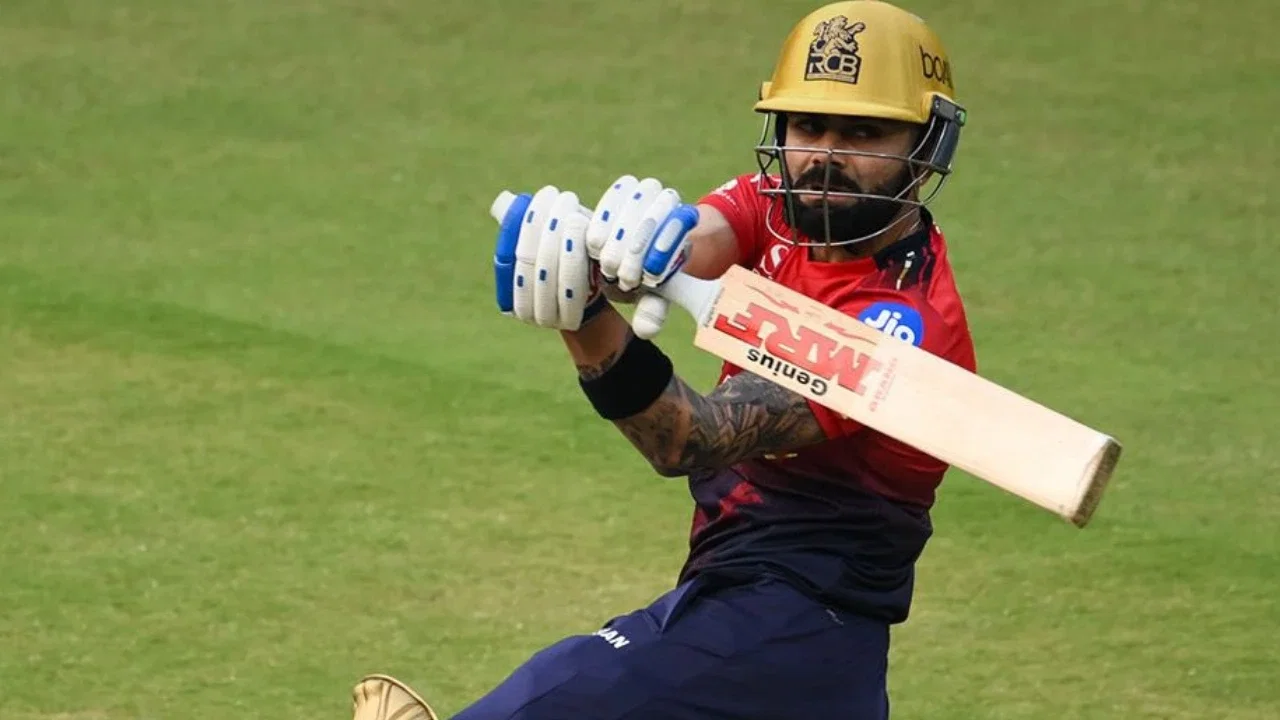
Virat Kohli turns Abhishek Sharma with explosive batting for RCB ahead of IPL 2026
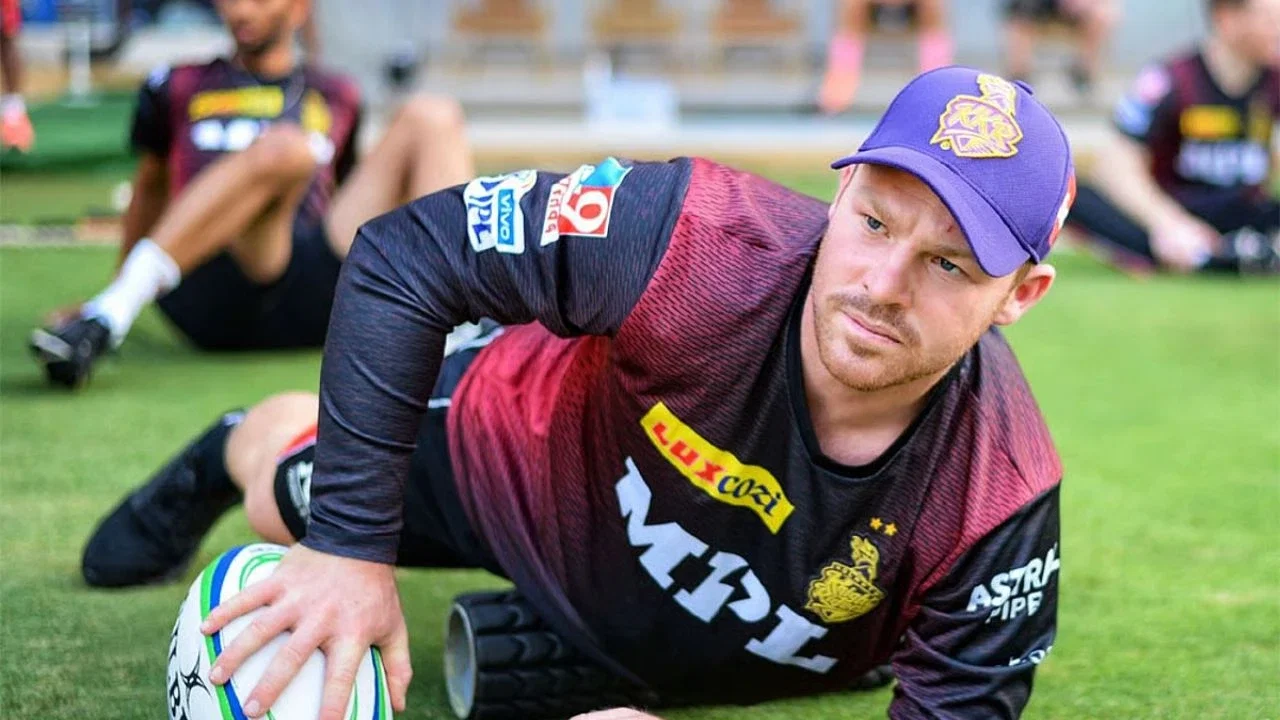
Not Tim Seifert! KKR eye 21-year-old Indian as wicketkeeper for IPL 2026
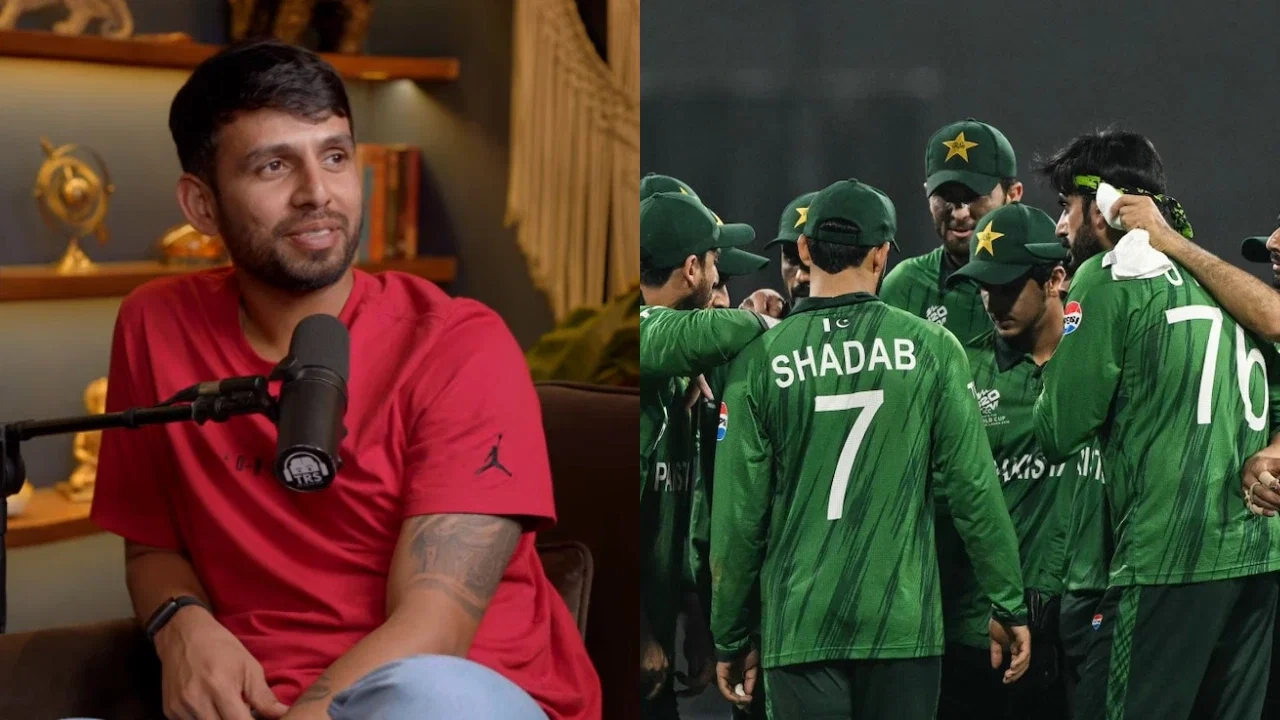
“Itna dete nahi importance inko”: Jitesh Sharma trolls Pakistan, reveals unheard story
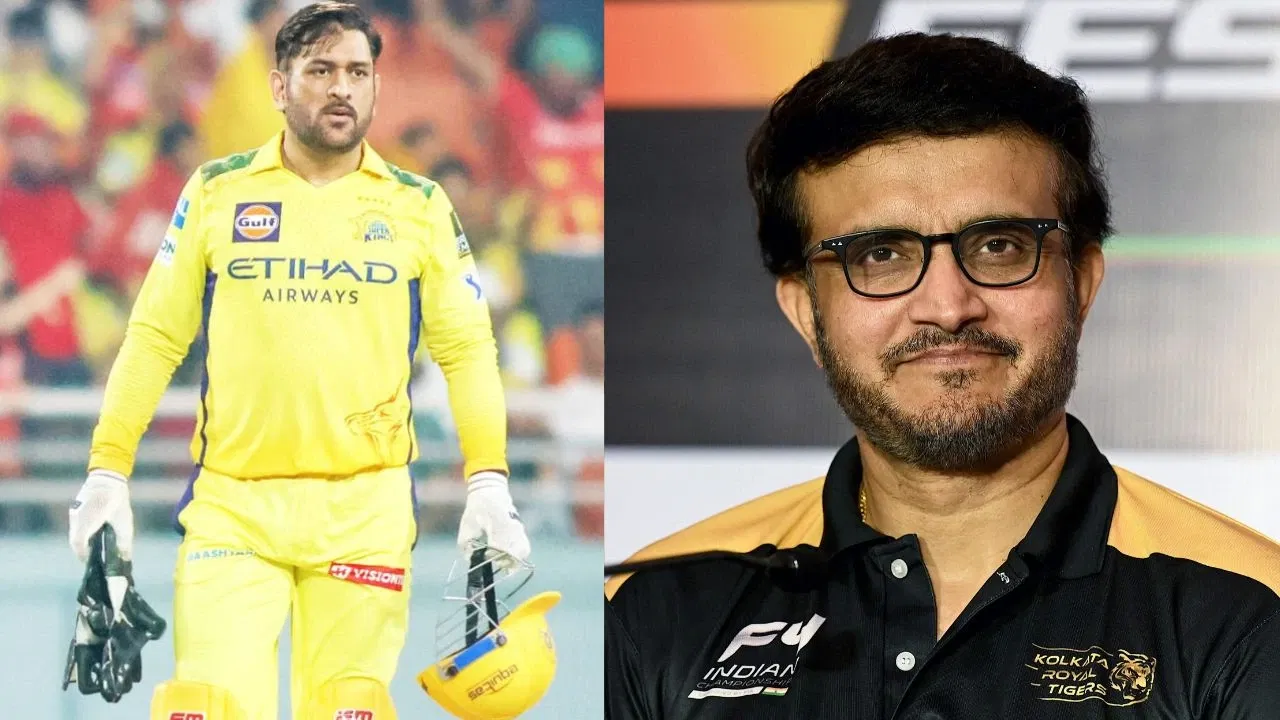
‘I liked young MS Dhoni more than the mature one’: Sourav Ganguly drops huge statement
RCB suffer huge blow! SLC blocks Nuwan Thushara’s IPL 2026 participation
Border-Gavaskar Trophy 2027 schedule announced; Ahmedabad among five venues selected
BCCI announces India’s 2026-27 international home season schedule; series vs AUS, WI, SL, ZIM finalized
Irfan Pathan reveals Yuvraj Singh’s secret method to train Rishabh Pant ahead of IPL 2026
Virat Kohli, Rohit Sharma ODI schedule: Full list of matches they will play in India’s 2026-27 home season
Days before RCB vs SRH IPL 2026 match, M. Chinnaswamy Stadium looks like a ‘construction side’
IPL 2026 second-half schedule announcement date revealed by BCCI secretary
LHQ vs HYDK Match Prediction, Pitch & Weather Report, Playing XIs, Head-to-Head, Free Live Streaming – PSL 2026 Match 1