PCB’s Champions Trophy losses hit record high after wasting INR 869 crore on just 1 match
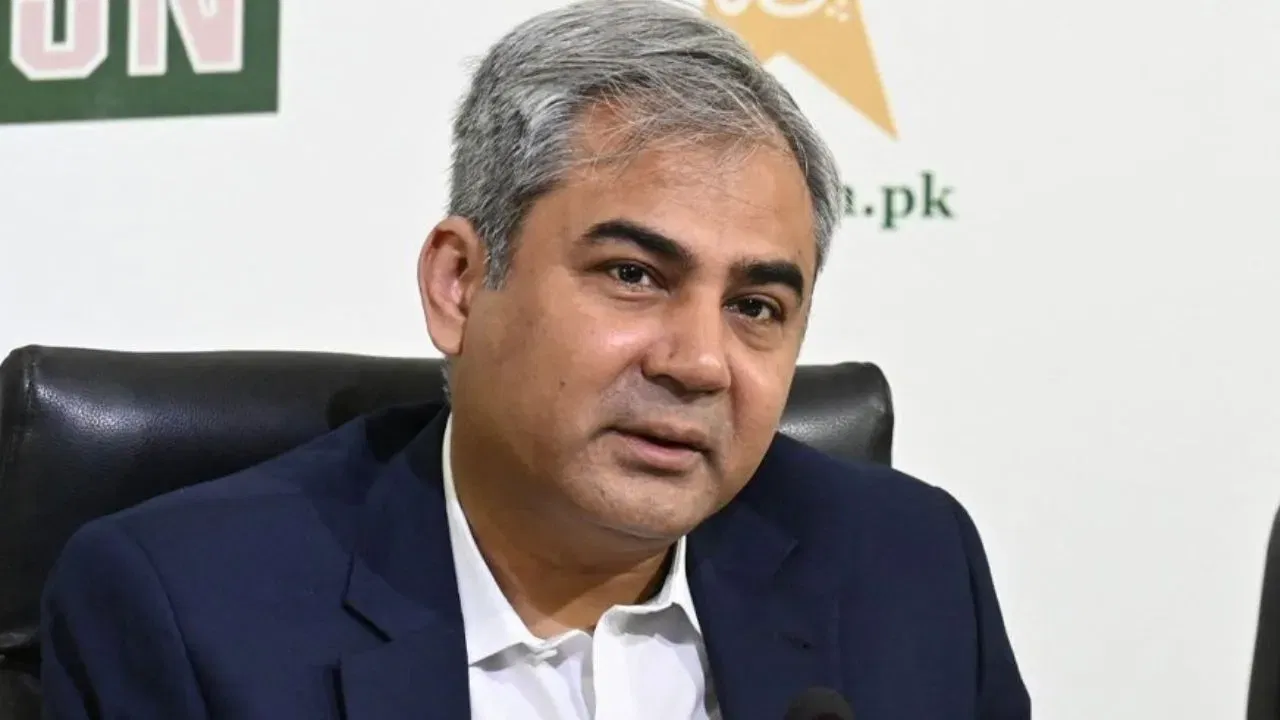
Pakistan Cricket Board Faces Massive Losses from Hosting Champions Trophy 2025
The highly anticipated Champions Trophy 2025 was supposed to mark a historic moment for Pakistan cricket as it was the first ICC tournament held in the country in years. However, the Pakistan Cricket Board (PCB) faced significant financial losses from hosting the tournament.
Financial Strain on PCB
Reports reveal that the PCB spent a staggering amount of INR 869 crore to host the opening game of the tournament between Pakistan and New Zealand. Despite the high expectations, this turned out to be Pakistan’s only completed match in the tournament on home soil. The tournament was hosted across three cities – Lahore, Rawalpindi, and Karachi.
According to The Telegraph, the PCB allocated a total of PKR 18 billion for the upgradation of the three venues that hosted the tournament, which was 50 percent more than their initial budget. Additionally, $40 million was spent on event preparations. However, the revenue generated from hosting fees, ticket sales, and sponsorships amounted to only $6 million.
As a result, the PCB faced a staggering loss of around $85 million for hosting the prestigious tournament, accounting for a significant 85% of their budget. This financial strain was far beyond their expectations.
Player Repercussions
The financial losses incurred by the PCB also had repercussions on the players. Reports emerged that the players’ match fees in the National T20 Championship were reduced by 90 percent without any prior announcement. The fees were slashed from INR 40,000 to INR 10,000.
However, following intervention from PCB chairman Mohsin Naqvi, the decision to reduce the match fees was rejected. The chairman directed the board’s domestic cricket department to reassess the matter. While the revised match fee amount has not been officially disclosed, sources suggest it has been set at INR 30,000 per match, which is INR 10,000 less than the previous year.
Champions Trophy Campaign
Pakistan’s performance in the Champions Trophy was underwhelming, considering the high expectations placed on them as the host nation. Despite hopes of a strong showing, Pakistan crashed out of the group stage after losses to New Zealand and India in their first two matches. Their final group-stage match against Bangladesh was washed out due to rain, leaving them at the bottom of their group.
Ultimately, India emerged as the champions of the tournament, defeating New Zealand in the final held in Dubai. The disappointing performance of the Pakistani team in front of their home crowd added to the financial burden faced by the PCB.
In conclusion, the financial losses incurred by Pakistan Cricket Board from hosting the Champions Trophy 2025 highlight the challenges faced by cricket boards in organizing major tournaments and the impact it can have on players and the overall cricketing ecosystem.
Impact on Future Tournaments
The significant financial losses from hosting the Champions Trophy 2025 have raised questions about Pakistan’s ability to host future international tournaments. The PCB’s budget constraints and the unexpected shortfall in revenue have prompted a reevaluation of their financial strategies for upcoming events. This experience may lead the board to exercise caution when bidding for future ICC tournaments to avoid similar financial losses in the future.
Economic Boost from Hosting International Events
While the Champions Trophy 2025 resulted in financial losses for the PCB, hosting international cricket tournaments can also bring economic benefits to the host country. Major sporting events attract tourists, create job opportunities, and stimulate local businesses. Despite the financial setback faced by the PCB, the tournament likely had a positive impact on the local economy in terms of infrastructure development, hospitality services, and tourism promotion.
Lessons for Financial Planning
The experience of hosting the Champions Trophy 2025 serves as a valuable lesson for the PCB and other cricket boards around the world in terms of financial planning and risk management. It underscores the importance of conducting thorough financial assessments, setting realistic budgets, and diversifying revenue streams to mitigate the impact of unforeseen circumstances such as low ticket sales or reduced sponsorships.
Investment in Domestic Cricket
Following the financial strain caused by the Champions Trophy, there is a growing emphasis on investing in domestic cricket to strengthen the overall cricketing ecosystem in Pakistan. Enhancing the infrastructure, improving player facilities, and increasing the competitiveness of domestic tournaments can help nurture talent, improve performance at the international level, and generate revenue streams independent of hosting major tournaments.
Global Cricketing Landscape
The challenges faced by the PCB in hosting the Champions Trophy 2025 also reflect broader trends in the global cricketing landscape. Cricket boards across various countries are grappling with financial pressures, logistical challenges, and evolving player demands. The experience of Pakistan serves as a case study for other boards to learn from in terms of managing the complexities of organizing international tournaments while balancing financial sustainability.
Strategic Partnerships and Sponsorships
One key takeaway from the financial losses incurred by the PCB is the importance of strategic partnerships and sponsorships in sustaining the financial health of cricket boards. Collaborating with corporate entities, leveraging digital platforms for marketing opportunities, and enhancing the fan engagement experience can help cricket boards secure stable revenue streams and reduce dependency on one-off events like international tournaments.
Overall, the challenges faced by the Pakistan Cricket Board in hosting the Champions Trophy 2025 underscore the intricate balance between financial investments, sporting aspirations, and economic considerations in the world of cricket. By learning from this experience and implementing strategic reforms, cricket boards can navigate the complexities of hosting international tournaments while ensuring long-term financial viability and sustainable growth in the sport.
Latest News

Who is Aryaman Birla? From Rajasthan Royals player to RCB chairman in blockbuster deal

“I will tell MS Dhoni what to do”: Sourav Ganguly on retirement talks

Ben Duckett opts out from IPL 2026, set to face ban

“Players will prevail”: Sourav Ganguly’s drops big verdict on ‘Impact Player’ rule ahead of IPL 2026
“Players will prevail”: Sourav Ganguly’s drops big verdict on ‘Impact Player’ rule ahead of IPL 2026
3 LSG players who could struggle in IPL 2026 – ft Rishabh Pant
Rinku Singh gets major role for KKR ahead of IPL 2026
RCB gets new buyer ahead of IPL 2026, sold to…..

KKR take massive step to honour Andre Russell forever

“Mumbai Indians are winning it” – Ex-England captain makes bold prediction for IPL 2026

Mayank Yadav reveals real story behind his recovery and Sanjiv Goenka’s support
IPL 2026 ball change rule explained
Ottis Gibson reveals plan to revive Babar Azam’s confidence ahead of PSL 2026

Liam Livingstone survives as Rob Key confirms England spot after shocking interview claims