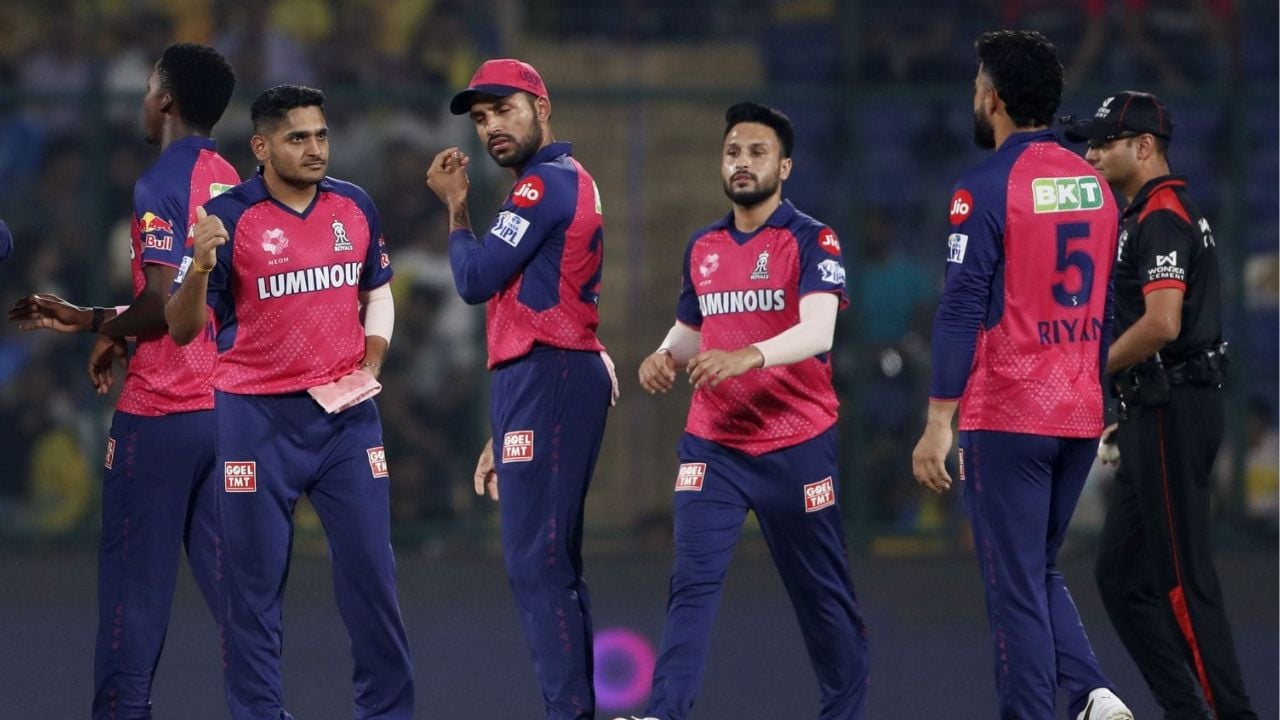
PSL hit by player withdrawals; PCB and Mohsin Naqvi calls urgent meeting in Lahore on…
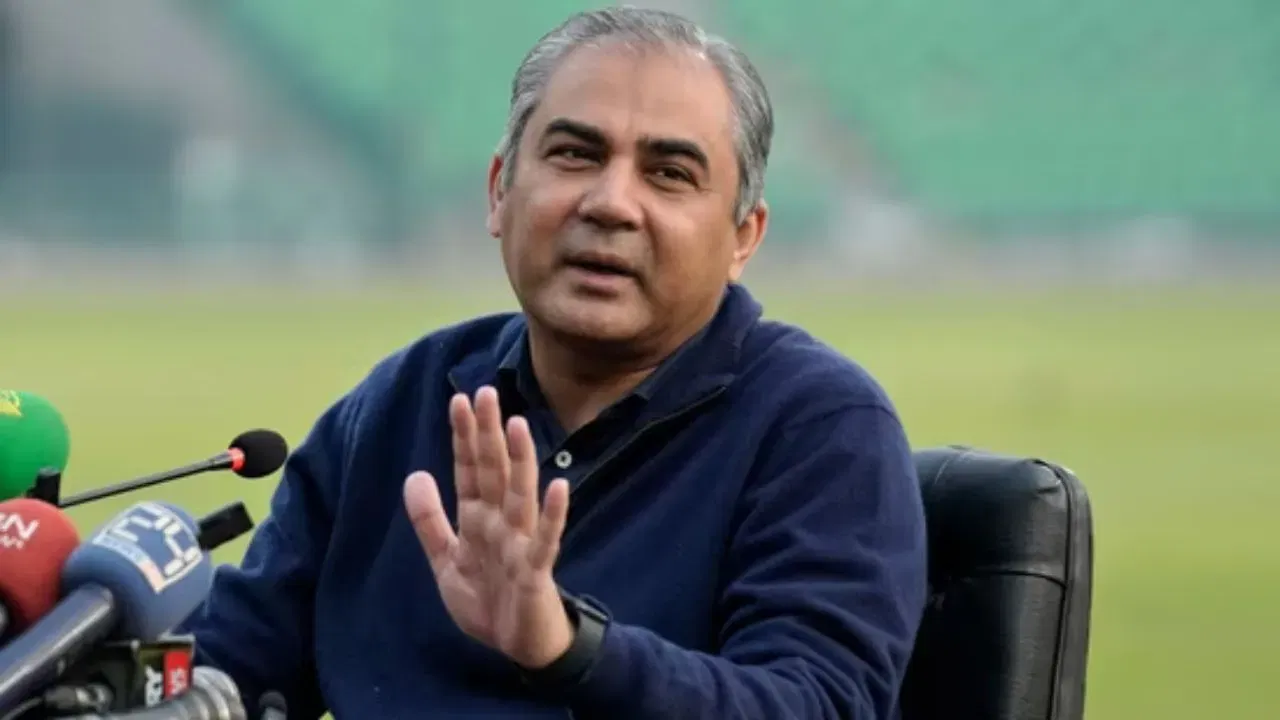
Pakistan Cricket Board Calls Emergency Meeting Amid Player Withdrawals Ahead of PSL 2026 Season
The Pakistan Cricket Board (PCB) Chairman Mohsin Naqvi has convened an emergency meeting in Lahore to address the growing concerns surrounding player withdrawals from the upcoming Pakistan Super League (PSL) 2026 season. This move comes as several international cricketers have opted to prioritize contracts in the Indian Premier League (IPL) over their commitments to the PSL, causing significant operational challenges for tournament organizers and franchise owners.
Impact of IPL on PSL Player Pool
With the IPL 2026 coinciding with the PSL schedule due to a congested international calendar, a number of overseas stars have decided to withdraw from the PSL in favor of securing franchise deals in India. Fast bowlers Ottneil Baartman and Blessing Muzarabani are among those who have chosen to pull out of their respective Pakistani franchises, leading to squad instability and frustration among team owners.
Muzarabani’s controversial switch to join the Kolkata Knight Riders as an injury replacement for Mustafizur Rahman has sparked debates around talent poaching between the two major T20 leagues. The Zimbabwe pacer’s move to the IPL is said to have resulted in a substantial increase in his earnings, reflecting the allure of the Indian tournament for players.
Challenges Faced by PSL Franchises
As more overseas players like West Indies spinner Gudakesh Motie and Sri Lanka all-rounder Dasun Shanaka opt for IPL opportunities over their PSL contracts, franchise teams in Pakistan are left scrambling to find suitable replacements for the upcoming season, set to kick off on March 26. Shanaka, who has previously played in the IPL, is reportedly considering joining the Rajasthan Royals as an injury replacement, causing uncertainty for Lahore Qalandars.
Other notable names like Harry Brook, Rahmanullah Gurbaz, Faf du Plessis, and Mohammad Nabi have also chosen to skip the PSL in favor of the IPL, further diminishing the pool of available overseas players for Pakistani franchises.
PCB’s Response
Chairman Mohsin Naqvi is expected to announce major decisions in response to the wave of player withdrawals during the press conference scheduled for today at 2:00 PM. The PCB’s actions in light of these challenges will be closely watched as they navigate the impact of the IPL on the PSL, striving to maintain the competitiveness and appeal of Pakistan’s premier T20 tournament.
As the cricketing world witnesses the evolving dynamics between the IPL and the PSL, the future of the latter league hangs in the balance as it grapples with player retention and squad stability amidst increasing competition from the Indian franchise tournament.
Player Loyalty and Financial Incentives
One of the key factors driving players to prioritize the IPL over the PSL is the financial incentives offered by the Indian league. The IPL is known for its lucrative contracts, endorsement deals, and exposure to a massive cricket-crazy audience, making it an attractive option for players looking to boost their earnings and visibility on the international stage.
Additionally, the IPL’s reputation as a high-profile and well-organized tournament adds to its appeal, drawing top talent from around the world. This creates a competitive environment where players have the opportunity to showcase their skills against the best in the business, further enhancing their market value and career prospects.
Impact on PSL Franchise Dynamics
As PSL franchises grapple with the challenge of player withdrawals, they are forced to reassess their team compositions and strategies for the upcoming season. The sudden departure of key overseas players not only disrupts the balance of the squads but also puts pressure on team management to find suitable replacements at short notice.
Franchise owners and coaches are now faced with the task of scouting for new talent, negotiating contracts, and integrating unfamiliar players into their lineups—a process that can be both time-consuming and unpredictable. The uncertainty surrounding player availability adds a layer of complexity to team planning and preparation, potentially affecting performance on the field.
League Rivalry and Global Cricket Landscape
The competition between the IPL and the PSL reflects the broader trend of league rivalry and globalization in the cricketing world. With multiple T20 leagues vying for the attention of players, fans, and sponsors, the landscape of professional cricket is becoming increasingly crowded and competitive.
While the IPL remains the gold standard in terms of financial muscle and reach, the PSL has made significant strides in recent years to establish itself as a reputable and competitive tournament. However, the exodus of players to the IPL highlights the ongoing challenges faced by the PSL in retaining top talent and keeping pace with its Indian counterpart.
Future Strategies for the PSL
As the PCB grapples with the impact of player withdrawals on the PSL, there is a growing need for strategic planning and innovation to strengthen the league’s position in the global cricketing landscape. This may involve exploring new avenues for player recruitment, enhancing the competitiveness of the tournament, and improving the overall fan experience to attract and retain top talent.
Collaborations with other cricket boards, incentivizing player loyalty, and investing in grassroots development programs are some of the strategies that the PCB could consider to bolster the PSL’s appeal and sustainability in the long run. By adapting to the evolving dynamics of professional cricket and leveraging its unique strengths, the PSL can carve out a distinct identity and secure its place among the elite T20 leagues worldwide.
In conclusion, the challenges faced by the PSL in the wake of player withdrawals underscore the complex interplay between cricketing leagues, player loyalty, and financial incentives in the modern era. As the PCB navigates these obstacles and charts a course for the future of the PSL, the league’s resilience, adaptability, and strategic vision will be key to ensuring its continued success and relevance in the global cricketing landscape.
Latest News
“You win tournaments…”: LSG owner leaks Gautam Gambhir’s secret advice to win IPL
3 players who are MI’s biggest burden in IPL 2026 – ft Rohit Sharma
3 players who are CSK’s biggest burden in IPL 2026 – ft MS Dhoni
Ishan Kishan reveals SRH’s formula to score 300 runs in IPL 2026
EX-India batter declares SRH will crash out early in IPL 2026
Ex-RCB announce Josh Hazlewood’s like-to-like replacement ahead of IPL 2026
PSL hit by player withdrawals; PCB and Mohsin Naqvi calls urgent meeting in Lahore on…
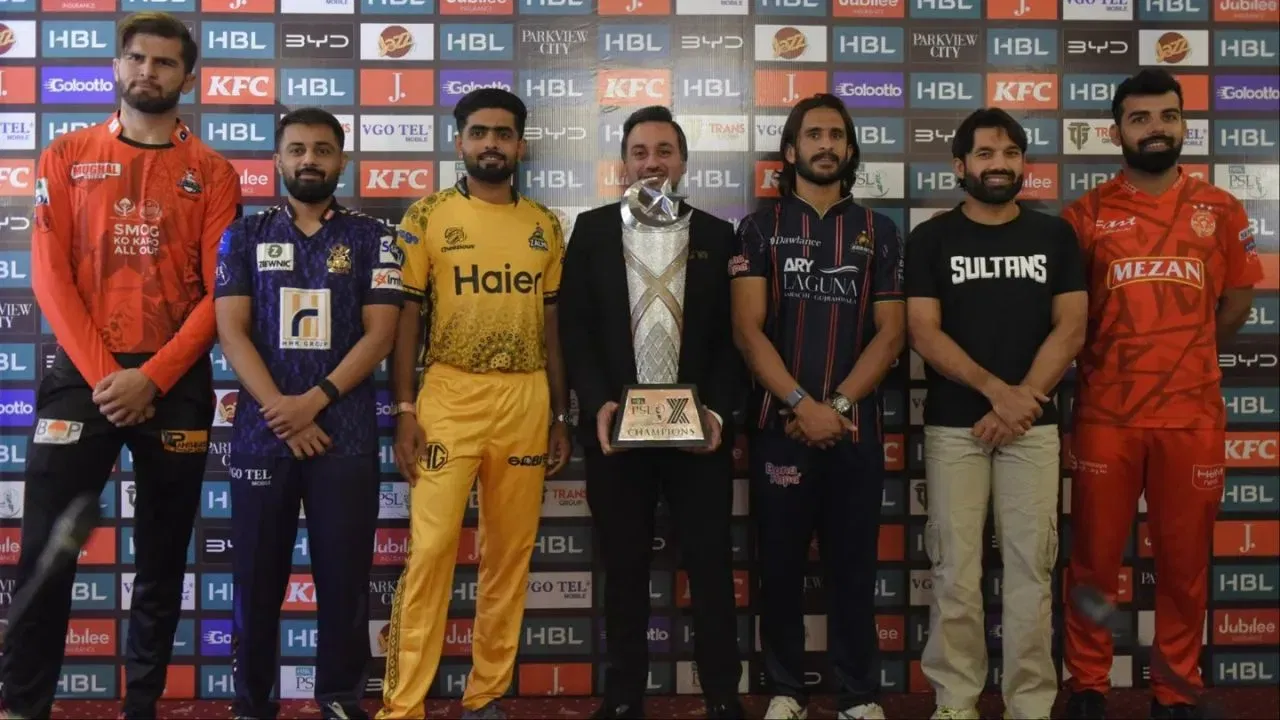
Mohsin Naqvi and PCB reduces PSL venues due to……
“Finisher’s role is quite crucial’: Suryansh Shedge to carry MS Dhoni’s lessons into IPL 2026
Virat Kohli BRUTALLY trolls media on India-London chartered flight rumours
“I am not making any…”: Sunil Gavaskar breaks silence for making appearance on Pakistani TV during CT 25
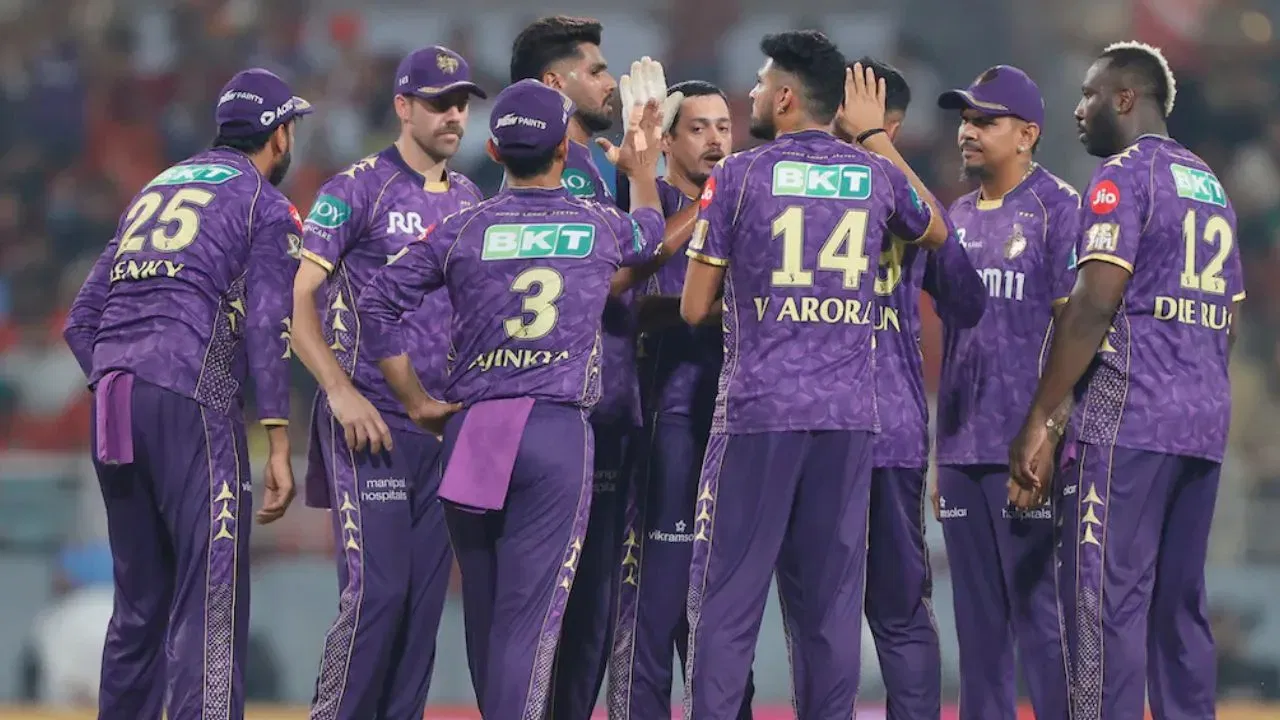
Not Ajinkya Rahane! These 3 players could power KKR to IPL 2026 glory
Mohsin Naqvi issues strong warning to players leaving PSL for IPL 2026
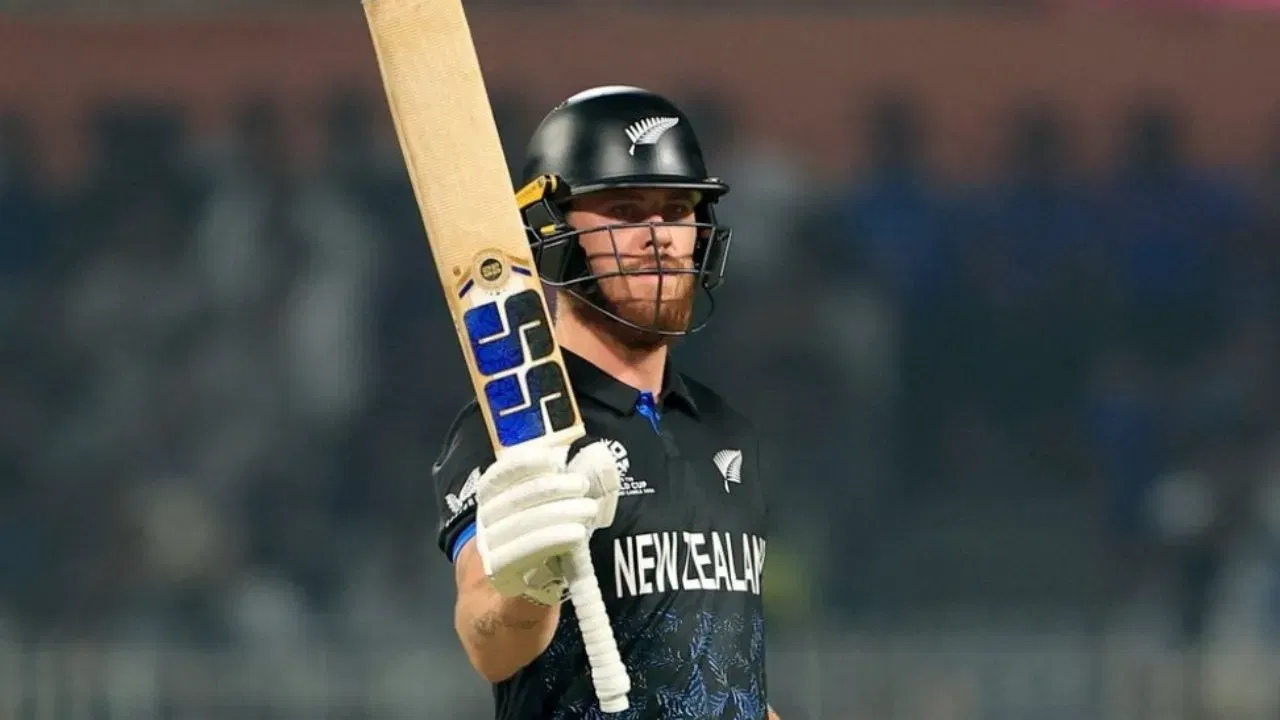
3 players who can win Orange Cap in IPL 2026, ft Finn Allen