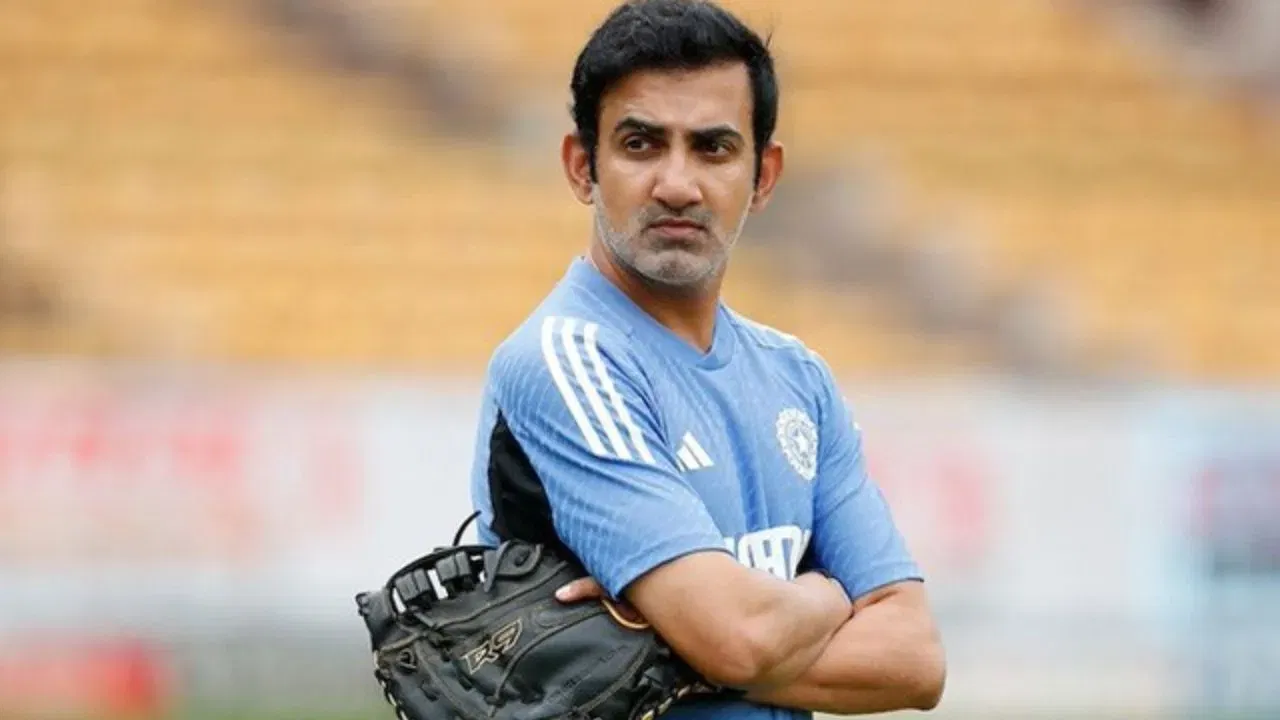
PSL next? PCB shocks cricket world by scrapping big tournament
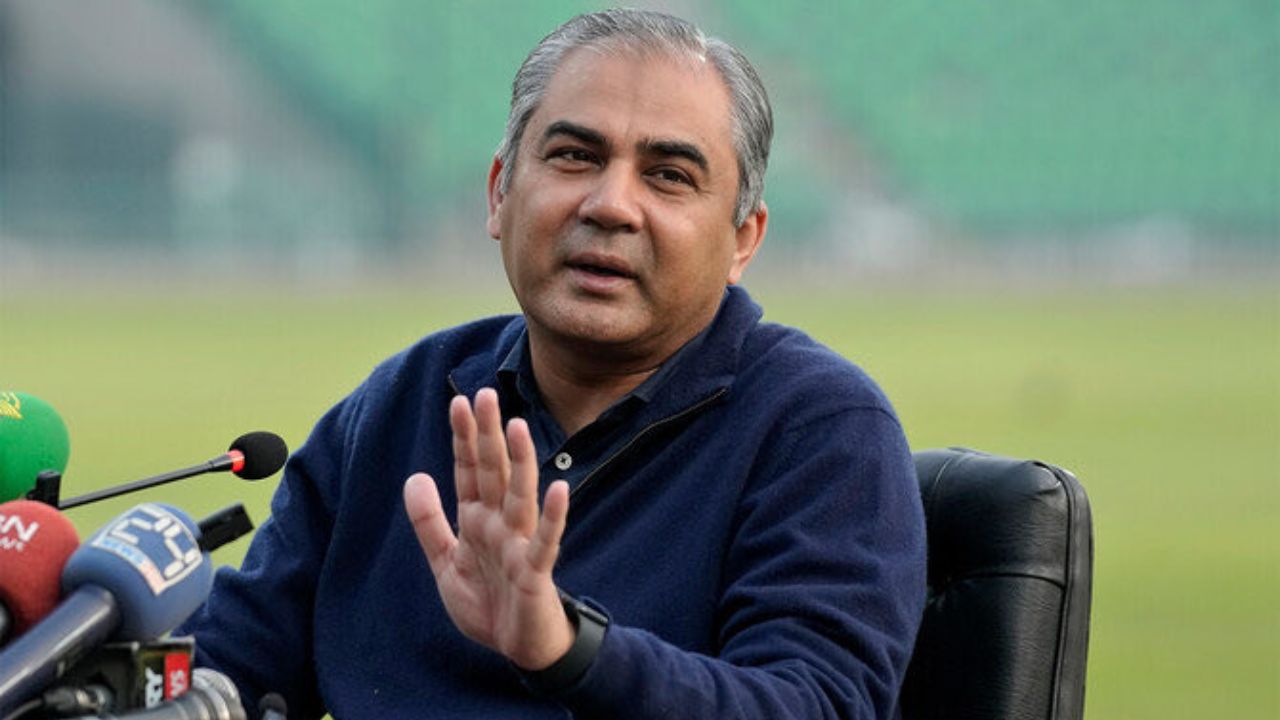
PCB Cancels Champions Cup and Unveils Revamped 2025-26 Domestic Season
The Pakistan Cricket Board (PCB) has made a significant decision to discontinue the Champions Cup just one year after its much-anticipated launch in 2024. The tournament, which aimed to inject a new level of competitiveness into domestic cricket, will not be a part of the upcoming 2025-26 season.
Reasons Behind the Scrapping of Champions Cup
The Champions Cup garnered attention not only for its unique format but also for the star-studded mentorship program it introduced. Former Pakistan cricket legends such as Saqlain Mushtaq, Waqar Younis, Misbah-ul-Haq, Shoaib Malik, and Sarfaraz Ahmed were appointed as team mentors with substantial monthly contracts. However, after an internal review earlier this year, the PCB has decided to abolish the Champions Cup due to underwhelming performances.
Reports suggest that the tournament failed to live up to its promises of enhancing domestic competitiveness and creating enduring value. Additionally, the mentorship model was deemed ineffective, leading to the termination of contracts for all five mentors. Shoaib Malik’s resignation triggered internal discussions that ultimately led to the discontinuation of the mentorship program.
PCB Introduces a New Domestic Structure
Following the elimination of the Champions Cup, the PCB has announced a revamped domestic structure for the 2025-26 season, focusing on a more performance-oriented format. The season will commence with the Hanif Mohammad Trophy on August 15, to be contested across Karachi, Multan, Bahawalpur, and Rahim Yar Khan, featuring 31 matches in the four-day tournament.
The Hanif Mohammad Trophy will include the same 12 regional teams from the previous season’s Quaid-e-Azam Trophy. These teams, such as Faisalabad, Rawalpindi, FATA, Lahore Region Blues, Hyderabad, and others, will compete in two pools, with the top two advancing to the Quaid-e-Azam Trophy.
The highlight of the new season will be the revamped Quaid-e-Azam Trophy, Pakistan’s premier first-class tournament, commencing on September 22 with eight teams. The tournament will follow a single-league format with the final scheduled from November 3-7 at venues in Islamabad and Rawalpindi.
Expansion of National T20 and Departmental Competitions
In addition to the Hanif Mohammad Trophy and Quaid-e-Azam Trophy, the PCB has introduced a qualifier round for the National T20 tournament, involving 10 teams split into two groups. The top two from each group will progress to the Super 10 stage, scheduled to be held in Faisalabad from March 1-12.
Furthermore, the 2025-26 domestic season will feature four departmental competitions, including the President’s Trophy (four-day first-class), President’s Cup (one-day), President’s Trophy Grade II, and President’s Trophy Grade III.
Overall, the PCB’s decision to discontinue the Champions Cup and introduce a revamped domestic structure reflects a commitment to enhancing the quality and competitiveness of domestic cricket in Pakistan, providing players and fans with an exciting season ahead.
Impact of the Champions Cup Cancellation on Domestic Cricket
The cancellation of the Champions Cup marks a significant shift in the domestic cricket landscape in Pakistan. While the tournament was initially met with excitement and anticipation, its discontinuation has raised questions about the sustainability of innovative formats in domestic cricket. The PCB’s decision to prioritize performance-oriented structures over star-studded mentorship programs indicates a strategic shift towards a more results-driven approach.
By scrapping the Champions Cup, the PCB has demonstrated a willingness to adapt and evolve in response to feedback and performance evaluation. This proactive approach bodes well for the future of domestic cricket in Pakistan, as it emphasizes the importance of continuous improvement and refinement in tournament structures.
Focus on Grassroots Development and Talent Identification
With the introduction of the revamped domestic season, the PCB is placing a renewed emphasis on grassroots development and talent identification. By providing a platform for regional teams to showcase their skills in the Hanif Mohammad Trophy and Quaid-e-Azam Trophy, the board is creating opportunities for emerging cricketers to shine on a national stage.
The expansion of departmental competitions further underscores the PCB’s commitment to nurturing talent across different formats of the game. By catering to players of varying skill levels and experience, these competitions serve as breeding grounds for future stars of Pakistani cricket.
Enhanced Player Development Pathways
One of the key benefits of the revamped domestic structure is the establishment of clear player development pathways. With a structured calendar that includes multiple tournaments catering to different formats, players have the opportunity to gain valuable experience and exposure at various levels of competition.
By participating in the Hanif Mohammad Trophy, Quaid-e-Azam Trophy, and National T20 tournament, cricketers can showcase their skills and compete against the best in the country. This exposure not only helps in talent identification but also provides a pathway for players to progress to higher levels of the game, such as the national team.
Engagement and Excitement for Fans
The introduction of a revamped domestic season is not only beneficial for players but also for cricket fans across Pakistan. With a more streamlined and performance-focused structure, domestic competitions are likely to generate increased interest and engagement among supporters.
By aligning the domestic calendar with clear objectives and competitive formats, the PCB is aiming to create a more compelling viewing experience for fans. The inclusion of high-stakes matches in the Quaid-e-Azam Trophy and National T20 tournament is expected to draw larger crowds and enhance the overall fan experience.
Looking Ahead: Future Prospects for Pakistani Cricket
As the 2025-26 domestic season unfolds with its revamped structure and focus on performance, the future of Pakistani cricket looks promising. With a renewed commitment to talent development, grassroots engagement, and fan excitement, the PCB is setting the stage for a vibrant and competitive domestic cricket ecosystem.
By learning from the experiences of the Champions Cup and adapting to the evolving needs of the game, Pakistan’s domestic cricket is poised for growth and success in the years to come. The introduction of a revamped domestic season signals a new era of opportunity and progress for players, fans, and stakeholders in Pakistani cricket.
Latest News
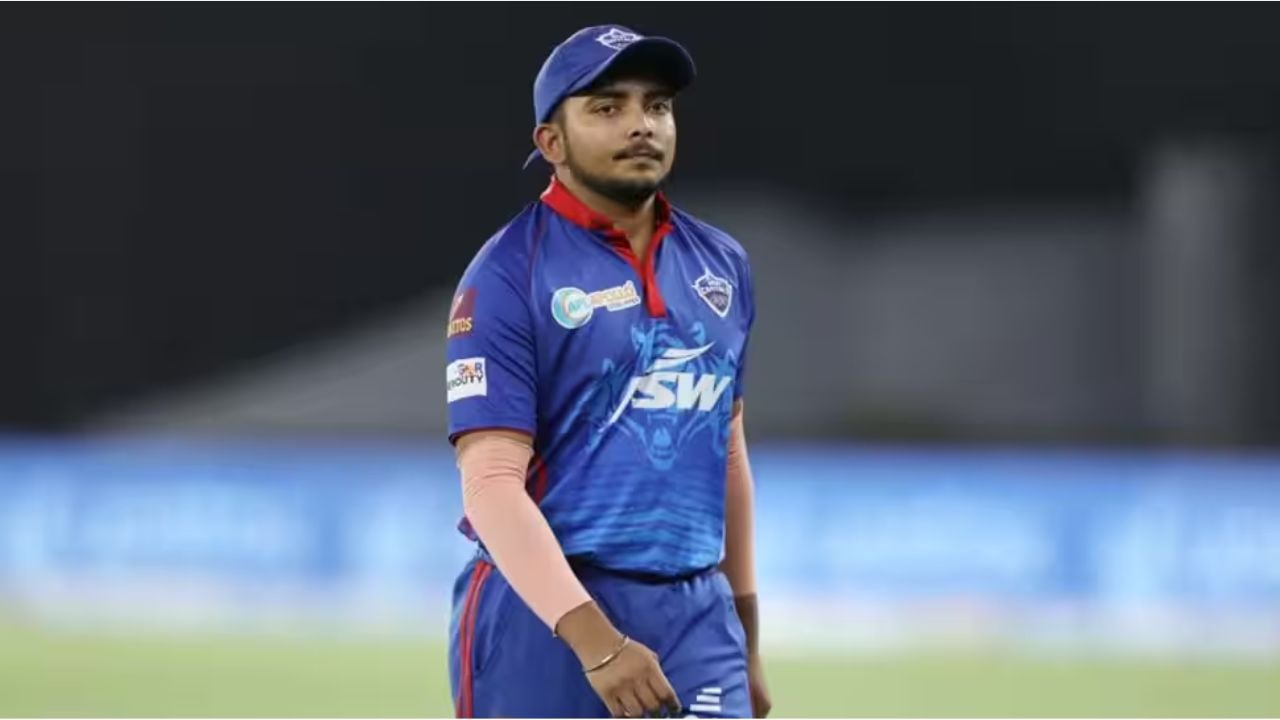
Prithvi Shaw declares his mission to return to team India begins from IPL 2026

Irfan Pathan questions Arshdeep Singh’s bowling ahead of IPL 2026
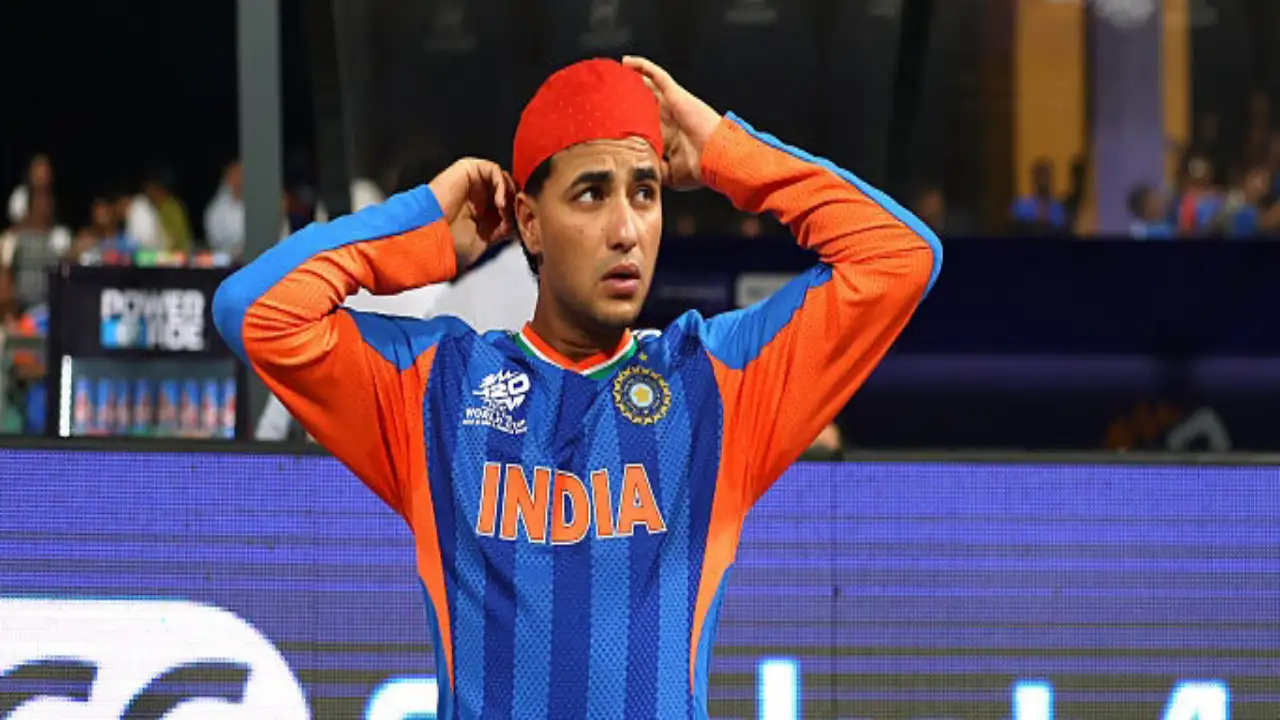
“Mind is somewhere else”: Yuvraj’s Father exposes Abhishek Sharma’s indiscipline lifestyle

EX-RCB pacer joins KKR as replacement of Harshit Rana ahead of IPL 2026

“Win our first trophy”: Sanjiv Goenka crowns LSG as champions ahead of IPL 2026
New catching rule? Captains warned over ‘Incomplete’ catches ahead of IPL 2026

Pat Cummins in awe of Ishan Kishan’s captaincy

Ex-India star accuses teammates of ‘Racism’, blames it for early international exit
“I love watching Shreyas Iyer bat” – PBKS all-rounder Cooper Connolly ahead of IPL 2026

Yograj Singh gives Ravichandran Ashwin belt treatment because of Arjun Tendulkar remarks
CSK legend advises Shubman Gill the best way to bounce back in T20I team

Jasprit Bumrah Injury Scare, reason behind visit to CoE revealed

“Didn’t invite me”: R Ashwin puts Kuldeep Yadav in spotlight over wedding snub
Ireland Cricket announced the full list of central contracts for the 2026-27 season