

Quinton de Kock officially BEATS Virat Kohli to become ODI cricket’s No.1 century machine

Quinton de Kock Surpasses Virat Kohli with Record-Breaking Century in Vizag ODI
South Africa’s star wicketkeeper-batter, Quinton de Kock, made headlines in the ongoing third and final ODI in Vishakhapatnam by surpassing India’s batting maestro, Virat Kohli. De Kock’s remarkable achievement came as he smashed his seventh century against India, reaching the milestone in just 80 balls on Saturday, December 3.
Quinton de Kock’s century against India not only set a new record for the most centuries against the Indian team in ODIs but also made him the fastest player to achieve the feat in just 23 innings. The Proteas opener now shares the record of seven centuries against India with Sri Lankan legend Sanath Jayasuriya, who reached the milestone in 85 innings.
Record-Breaking Conversion Rate in ODIs
Aside from surpassing Kohli with his impressive century tally, Quinton de Kock also made history by becoming the most efficient century-maker in ODI cricket history when it comes to converting fifties into hundreds. The 32-year-old batter now boasts the best conversion rate in ODIs among players with at least 100 innings, standing at an astonishing 41.81%, narrowly edging out Kohli’s 41.40%.
Furthermore, de Kock’s exceptional performance in ODIs has cemented his position as one of the most prolific wicketkeeper-batters in the format. With 23 centuries to his name, he has equaled the legendary Kumar Sangakkara for the most hundreds by a designated wicketkeeper in ODIs.
Joining Elite Club of ODI Century Scorers
Quinton de Kock’s stellar record extends beyond just his achievements against India. He has joined an elite group of batters with seven ODI centuries scored in away countries, putting him on par with cricketing legends like Sachin Tendulkar, Saeed Anwar, AB de Villiers, and Rohit Sharma.
In the Vizag ODI, despite de Kock’s valiant effort with a century, South Africa could only manage a total of 270 as Prasidh Krishna and Kuldeep Yadav shone with the ball for India. Prasidh Krishna’s four-wicket haul and Kuldeep Yadav’s contribution helped India bowl out South Africa and keep the series alive at 1-1.
With the series now tied, India must secure a win in the Vizag decider to avoid a rare consecutive ODI series defeat at home. The stage is set for a thrilling conclusion as Quinton de Kock looks to continue his stellar form and lead South Africa to victory.
Mastering the Art of Predicting Player Performance
Quinton de Kock’s exceptional performance in the recent Vizag ODI not only showcased his batting prowess but also highlighted the importance of predictive analytics in modern cricket. Advanced statistical models and data analytics play a crucial role in predicting player performance and outcomes of matches. By analyzing historical data, player form, pitch conditions, and various other factors, teams can make informed decisions and strategies to gain a competitive edge on the field.
With the rise of technology in cricket, teams are increasingly relying on data-driven insights to make decisions regarding team selection, batting line-ups, bowling strategies, and field placements. Predictive models can help coaches and analysts identify key players who are likely to perform well in specific conditions, allowing teams to optimize their chances of success.
Impact of Data Analytics on Cricket Strategy
Furthermore, data analytics has revolutionized the way teams approach the game, leading to innovative tactics and strategies. By leveraging predictive analytics, teams can identify opposition weaknesses, exploit match-ups, and make real-time decisions based on data-driven insights. This data-driven approach has not only enhanced player performance but also improved overall team strategies, leading to a more competitive and compelling cricketing landscape.
Moreover, predictive analytics has also revolutionized fan engagement in cricket. With the advent of fantasy cricket leagues and betting platforms, fans can now use data analytics to create their teams, predict player performances, and engage more deeply with the sport. The integration of data analytics has transformed the fan experience, adding a new layer of excitement and engagement to the game.
The Future of Predictive Analytics in Cricket
As cricket continues to evolve, the role of predictive analytics in the sport is only expected to grow. With the advent of artificial intelligence, machine learning, and big data analytics, teams will have access to even more sophisticated predictive models and insights, enabling them to make more accurate predictions and strategic decisions.
From predicting player performance to analyzing match outcomes, the future of cricket lies in the hands of data analytics. As teams continue to harness the power of data-driven insights, we can expect to see a new era of cricket where predictive analytics plays a central role in shaping the game and driving success on the field.
In conclusion, Quinton de Kock’s record-breaking century in the Vizag ODI not only highlights his exceptional talent but also underscores the impact of predictive analytics in modern cricket. As teams continue to leverage data-driven insights and predictive models, the future of cricket looks bright, promising a more competitive and engaging sport for players and fans alike.
Latest News
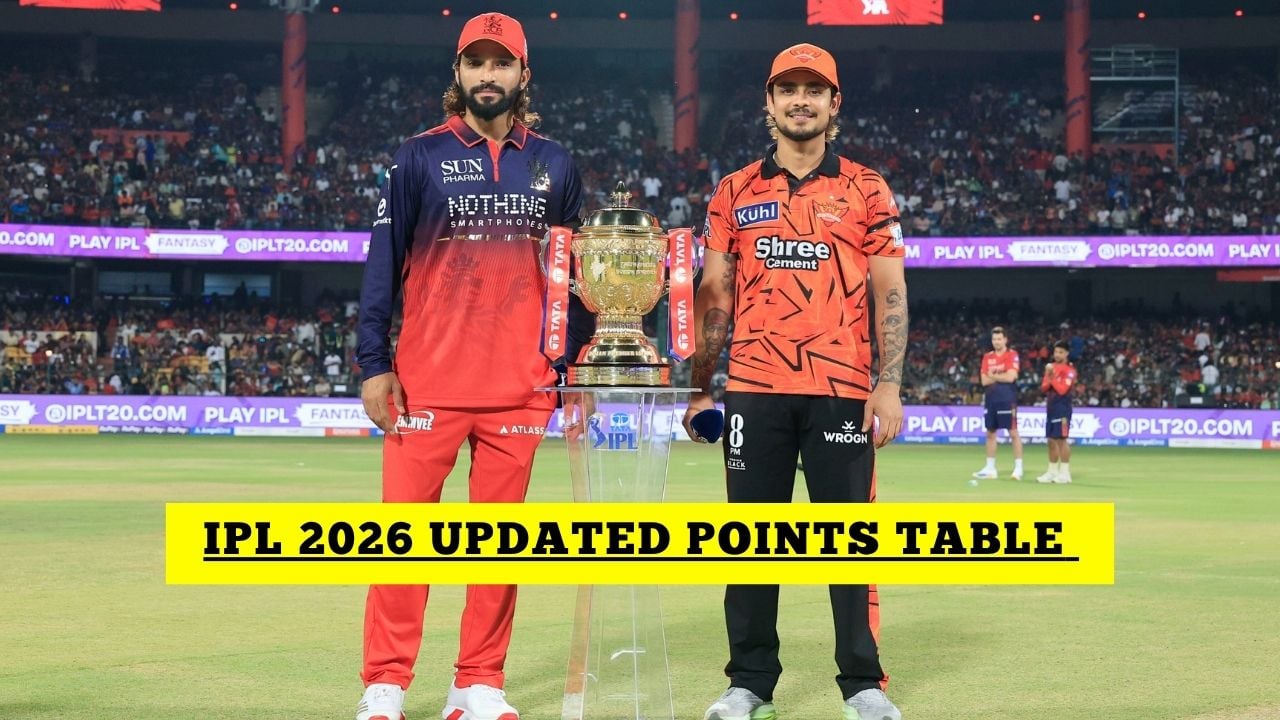
IPL Points Table 2026: Updated Standings, Orange Cap, Purple Cap After RCB vs SRH Match 1
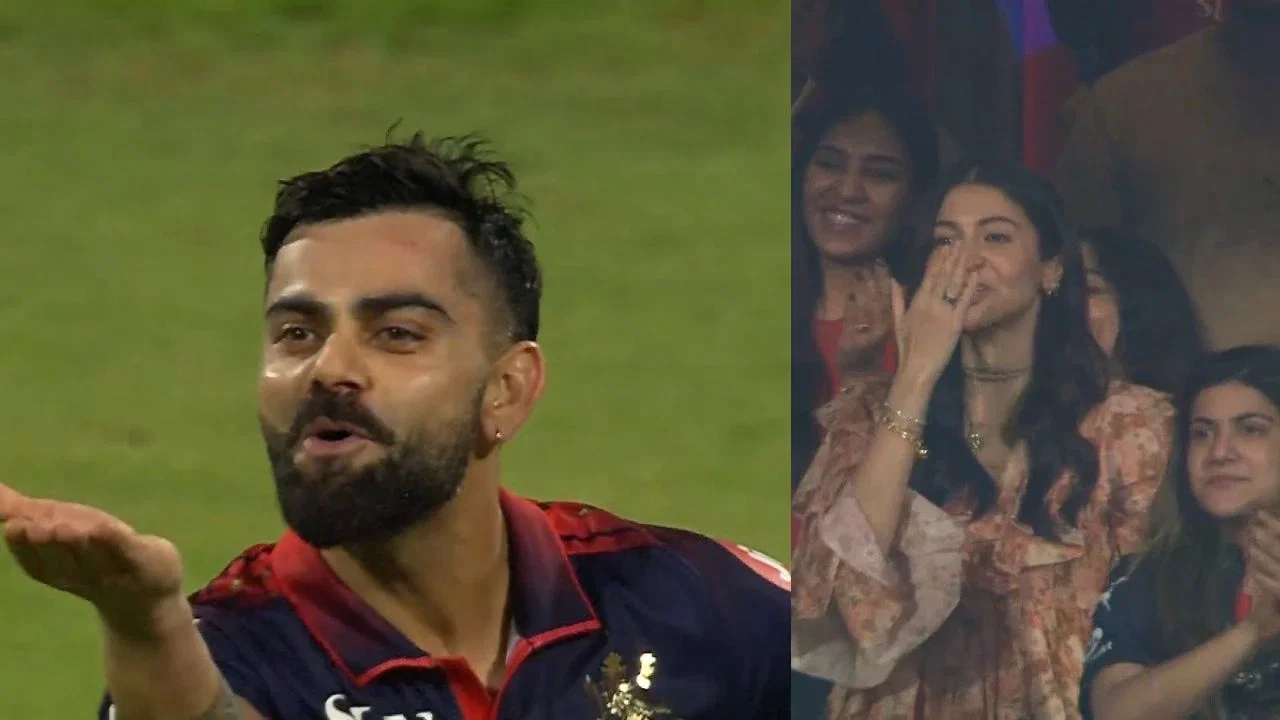
Virat Kohli, Anushka Sharma share adorable flying kiss moment after RCB vs SRH clash
“Absolutely world-class”: Virat Kohli backs Devdutt Padikkal for permanent Team India spot
Rajat Patidar refuses to comment on Virat Kohli; Ishan Kishan admits enjoying after SRH’s loss to RCB

Mumbai Indians suffer blow! Mitchell Santner, Will Jacks ruled out of IPL 2026 games
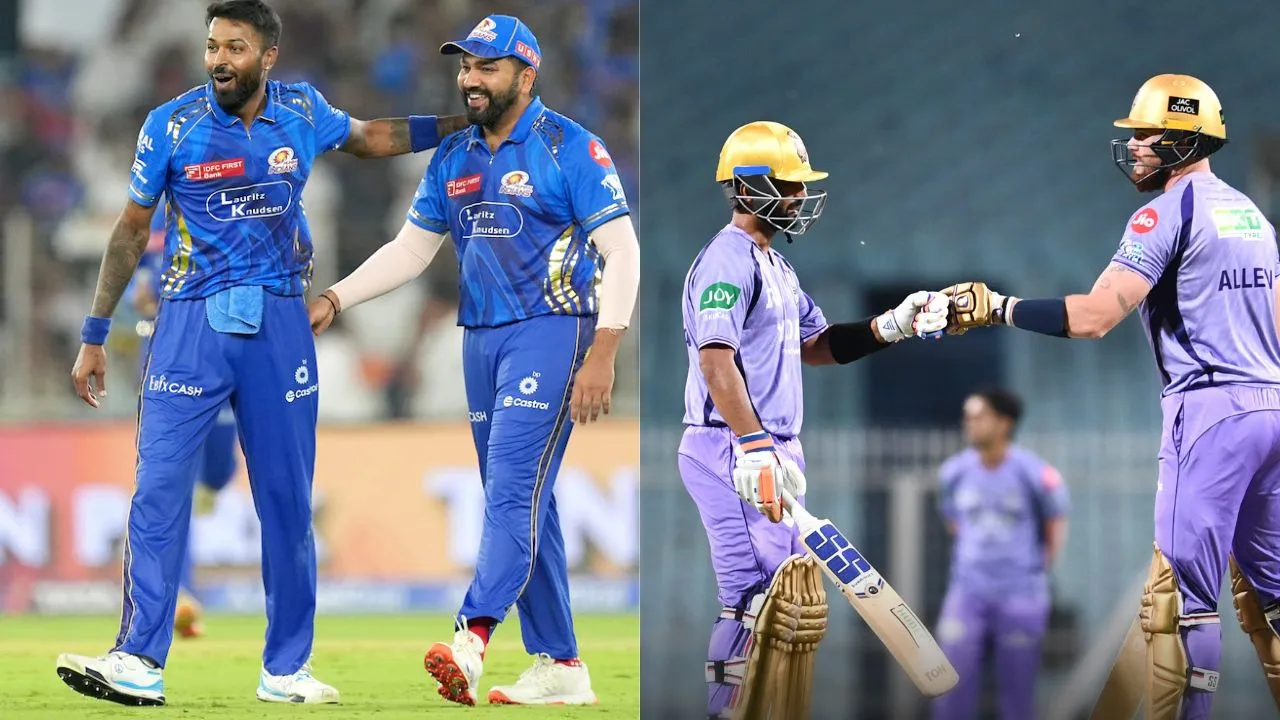
MI vs KKR Match Prediction – Who Will Win Match No.2? | IPL 2026
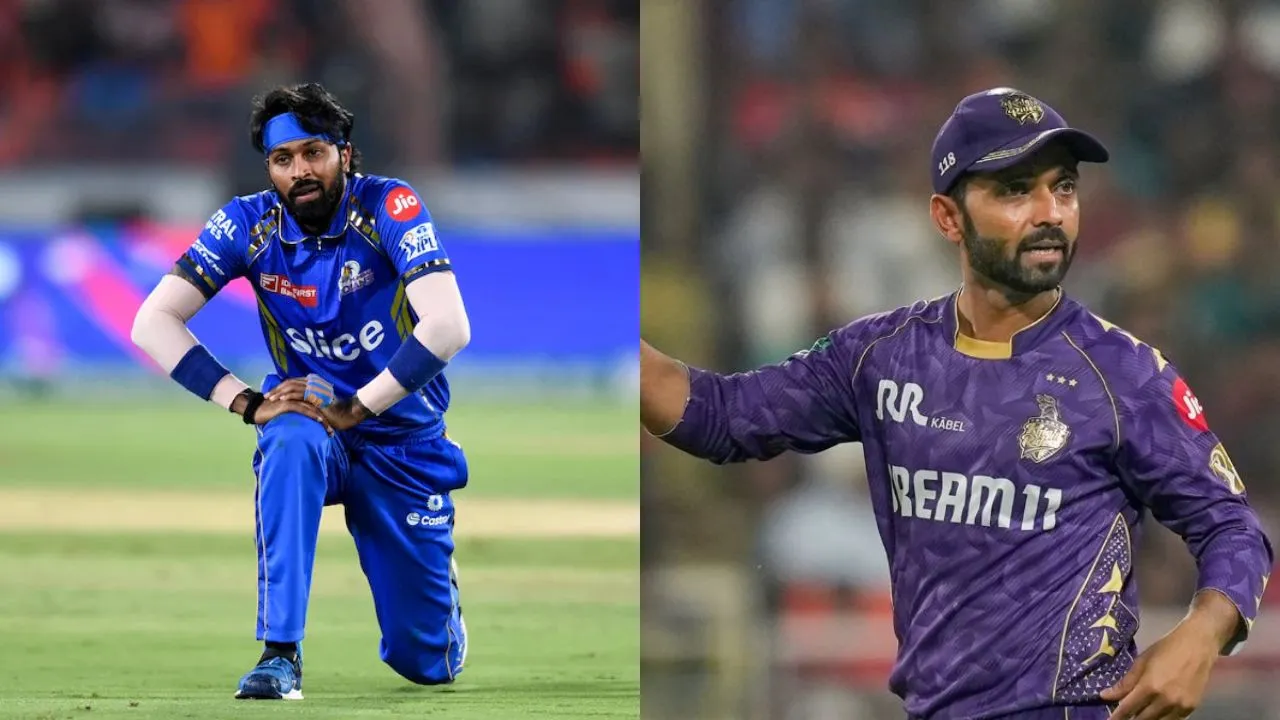
Mumbai Indians Playing XI vs Kolkata Knight Riders Playing XI- Match No. 2 | IPL 2026
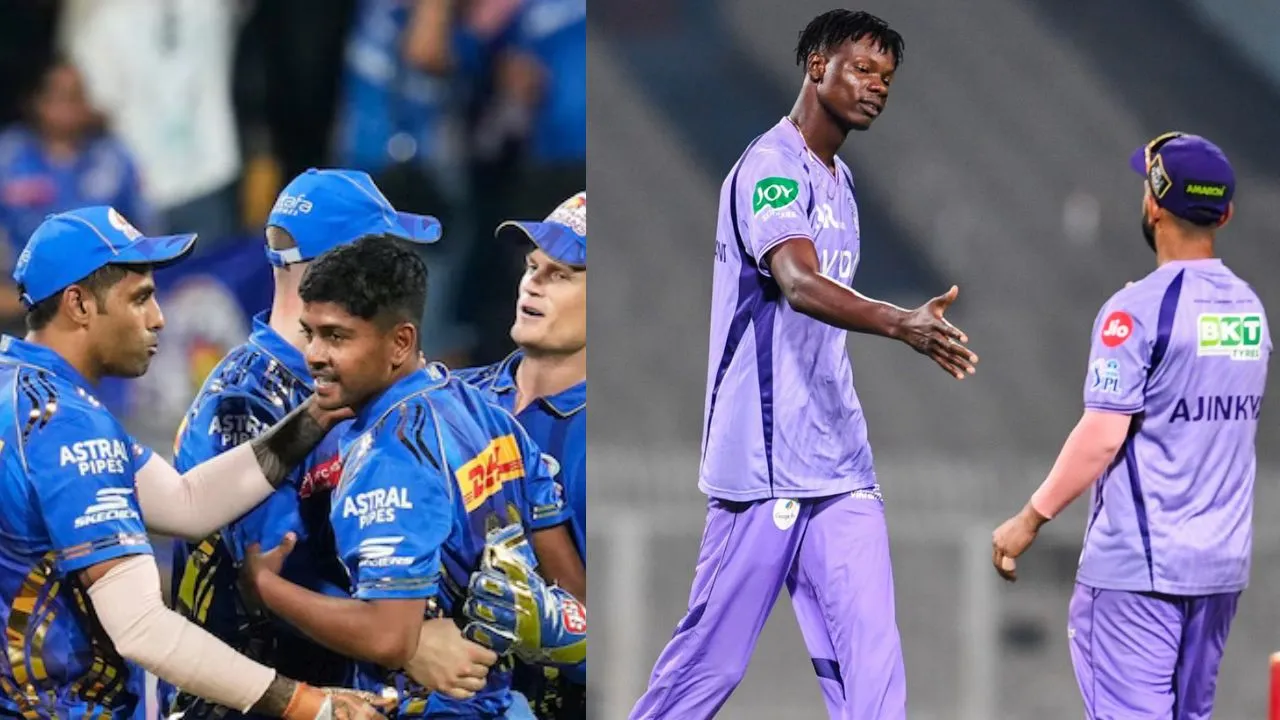
MI vs KKR Match 2 Preview: Free Live Streaming, Pitch & Weather Report, Head-to-Head | IPL 2026
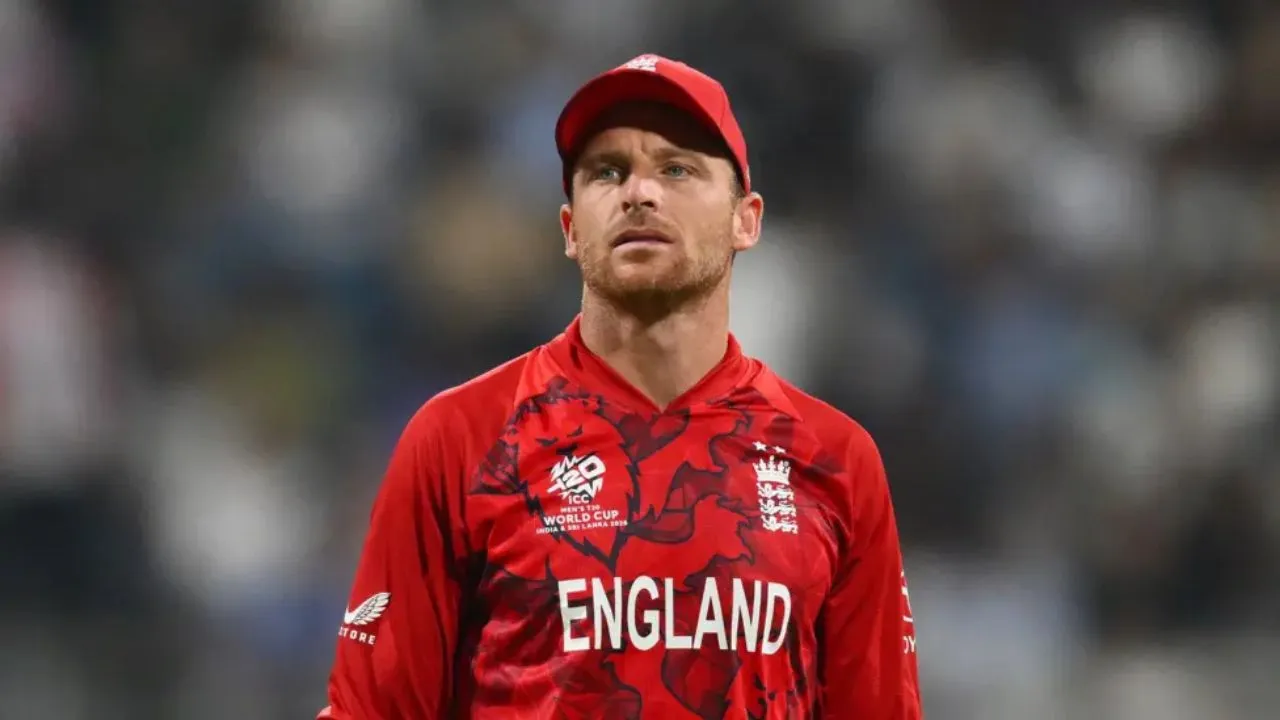
Not English cricket! Jos Buttler credits IPL for his success as a cricketer
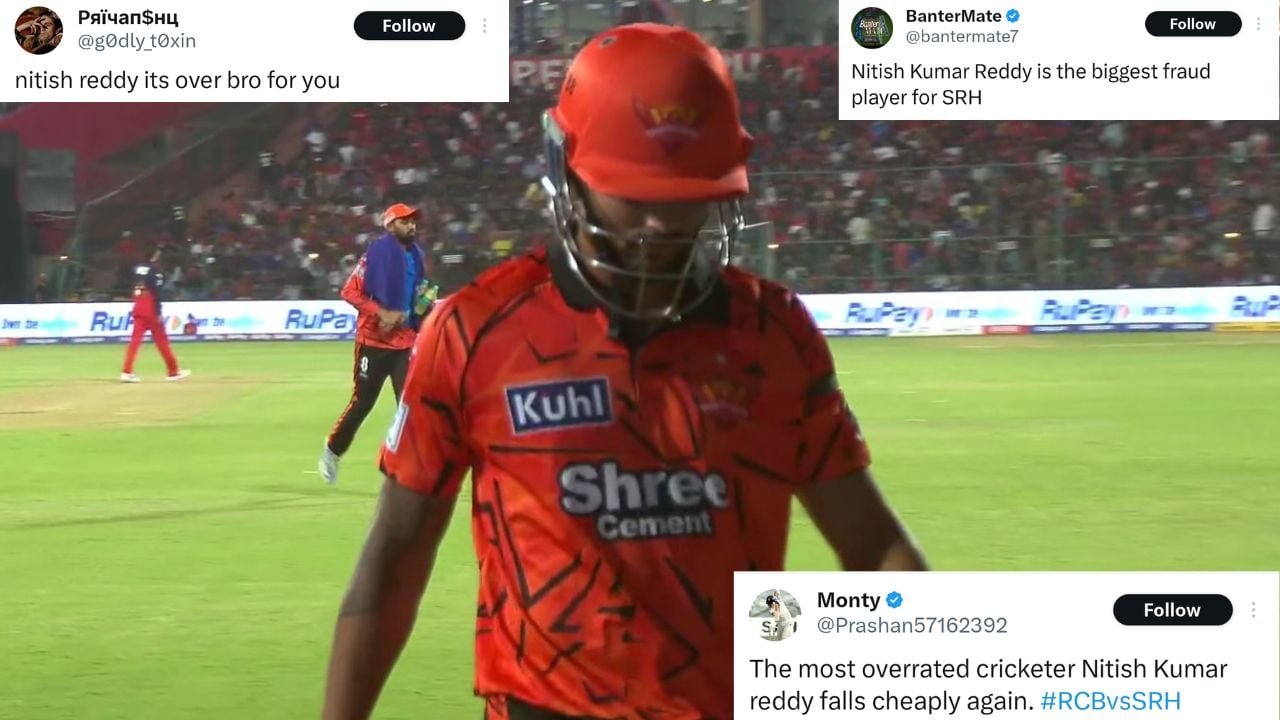
“Nitish Kumar Reddy is biggest fraud”: Fans fume as SRH star fails vs RCB in IPL 2026 opener
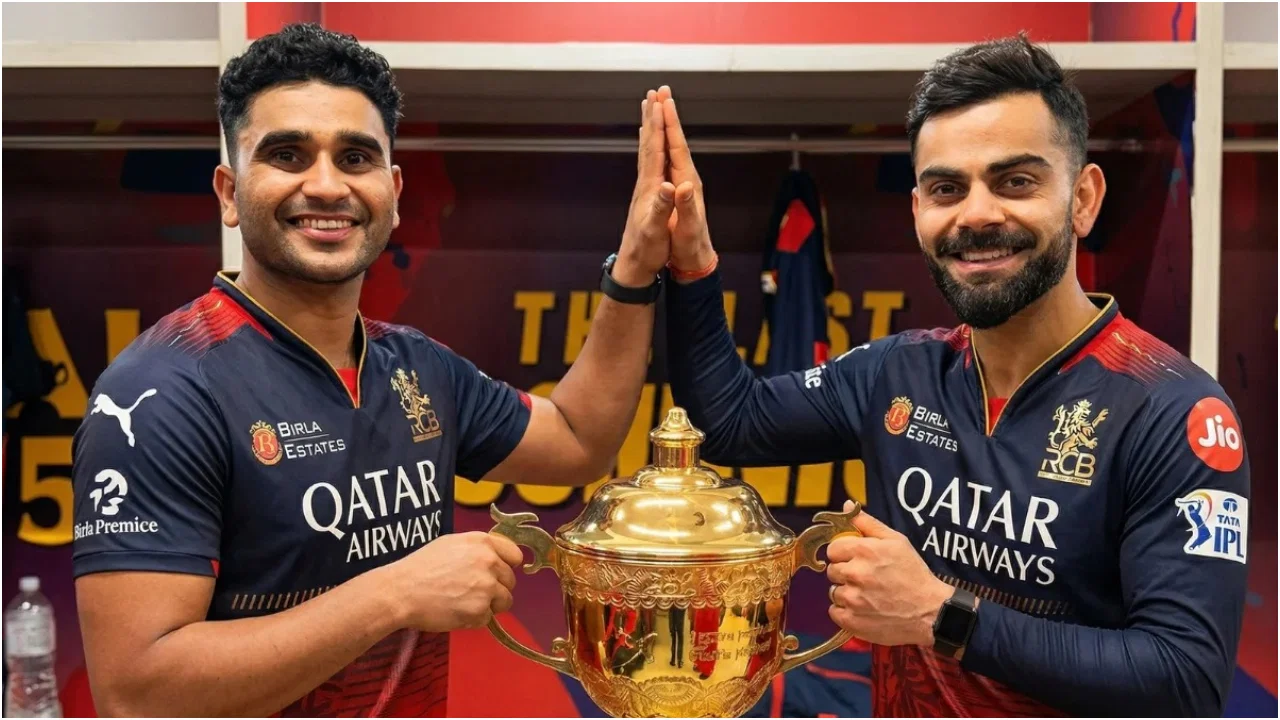
Who is Abhinandan Singh? The Virat Kohli troublemaker who made his IPL debut for RCB vs SRH
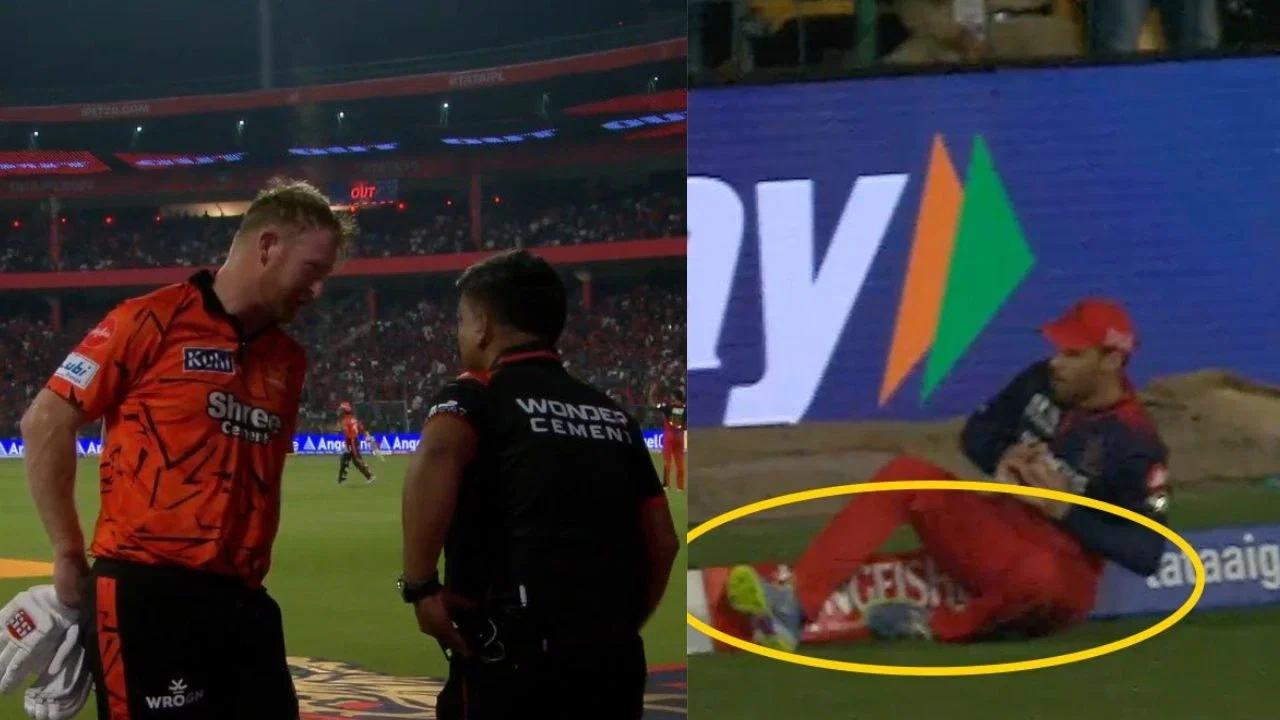
Heinrich Klaasen engages in heated chat with 4th umpire after Phil Salt’s controversial catch in IPL 2026
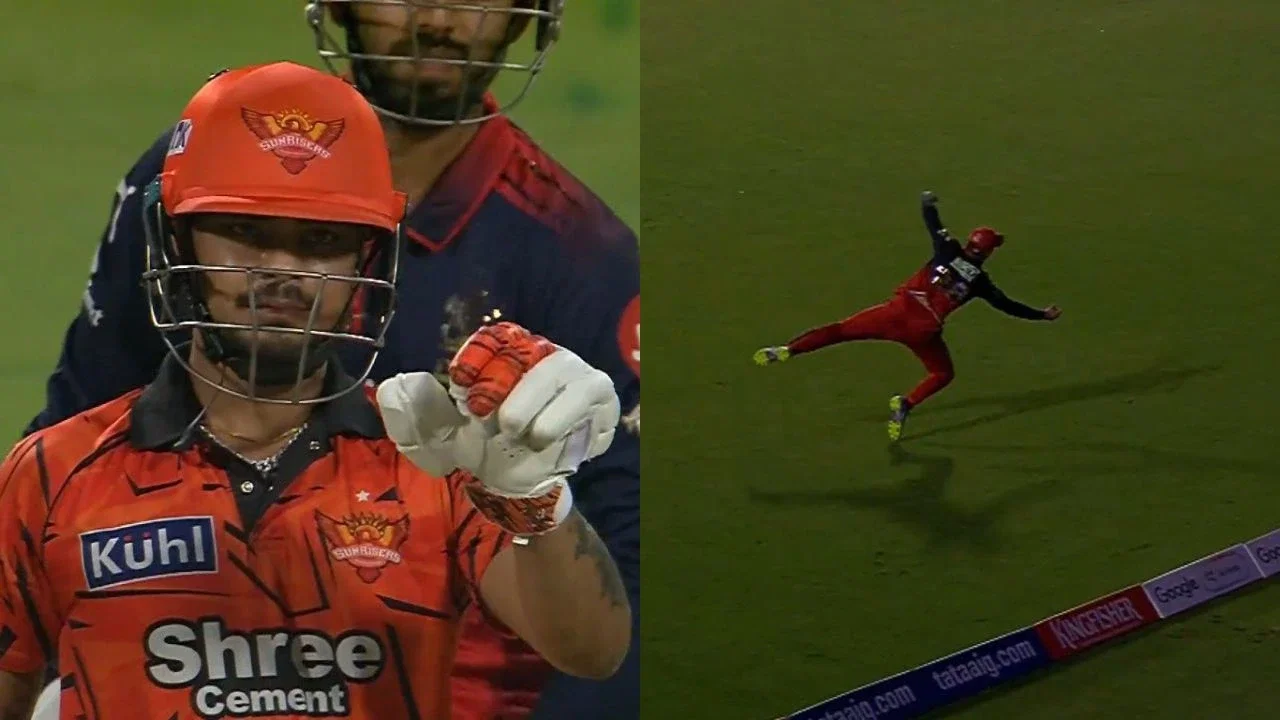
Phil Salt grabs one of the greatest catches in IPL history to dismiss Ishan Kishan
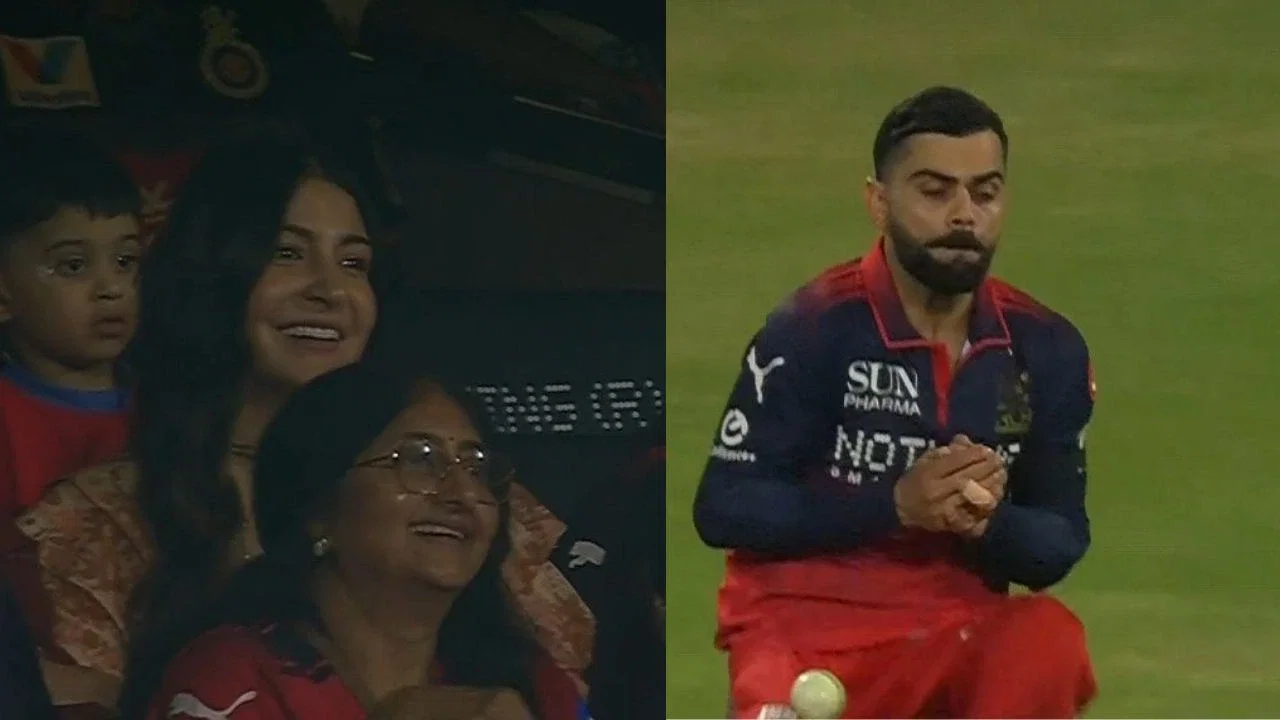
Anushka Sharma laughs as Virat Kohli drops a sitter in RCB vs SRH clash (Watch Video)

